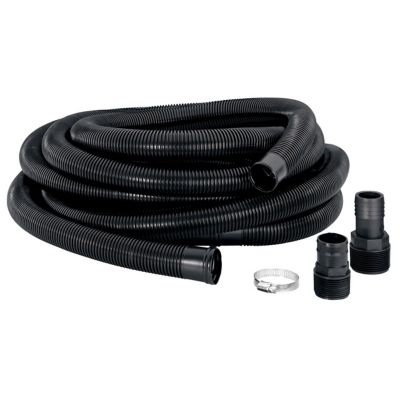
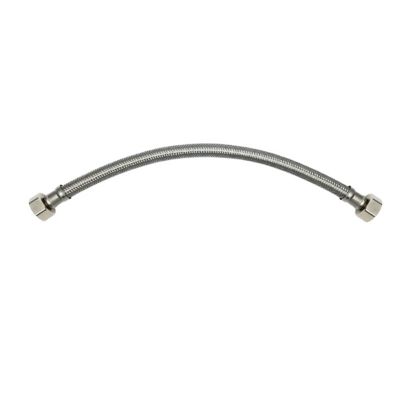
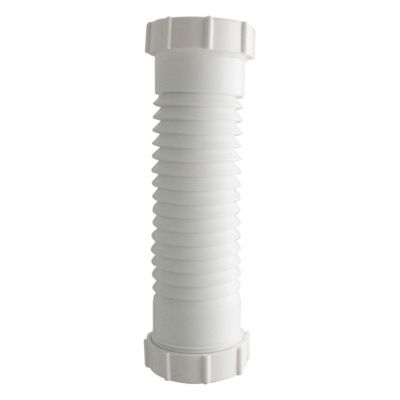
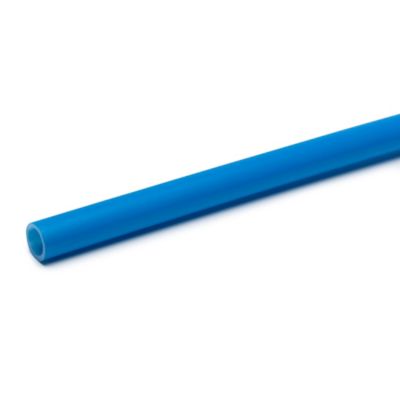
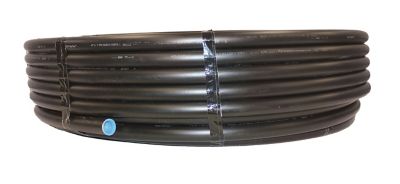
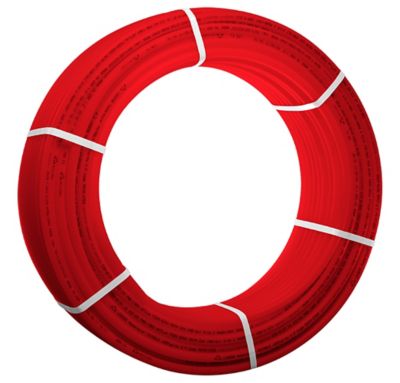
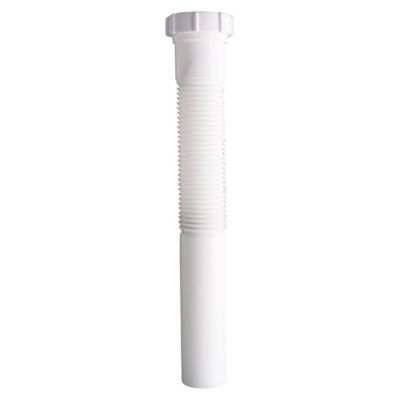
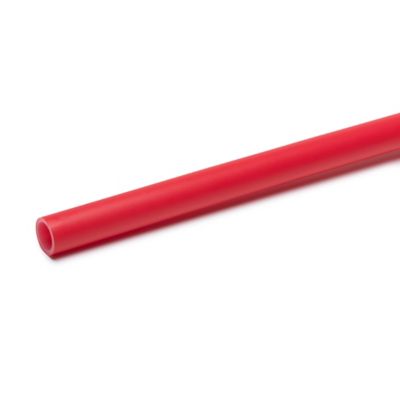
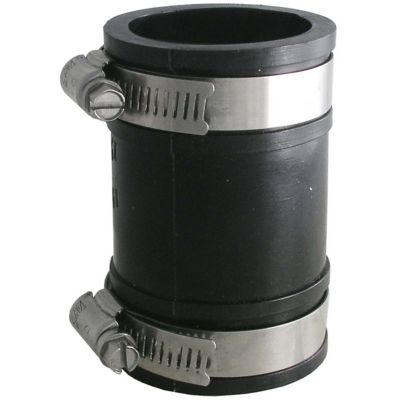
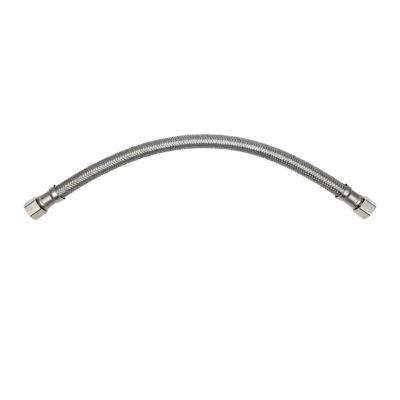
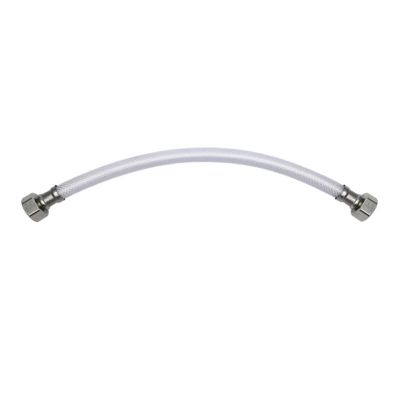
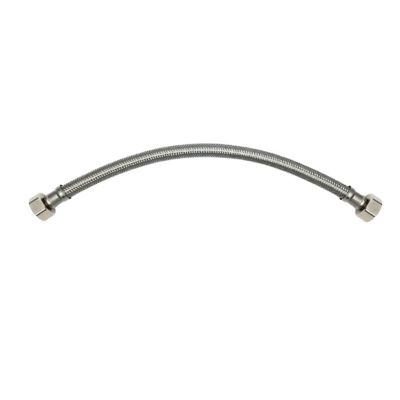
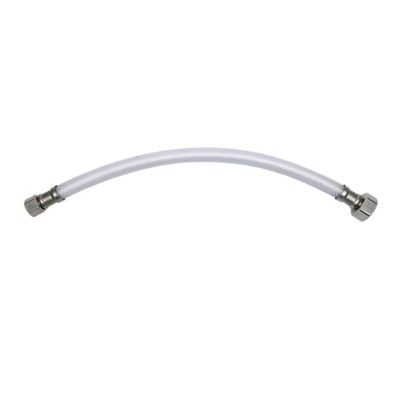
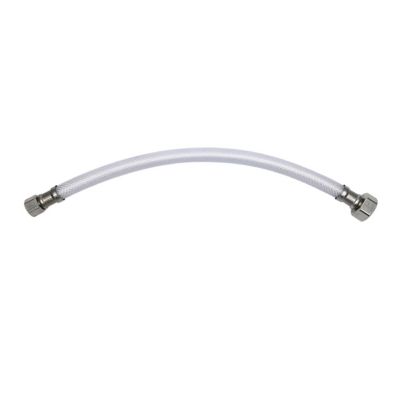
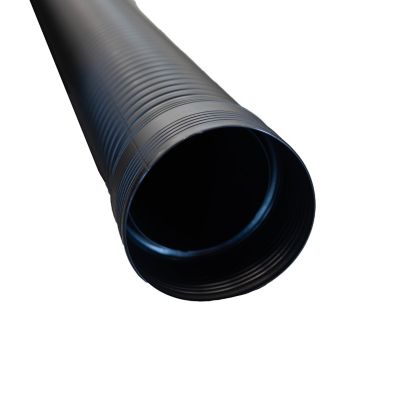
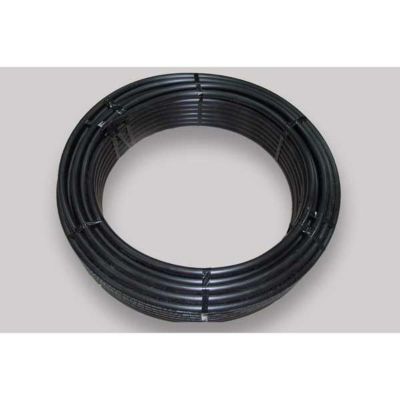
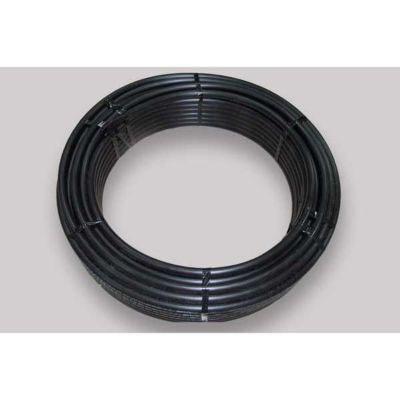
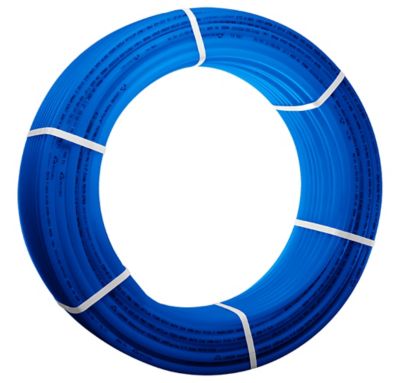
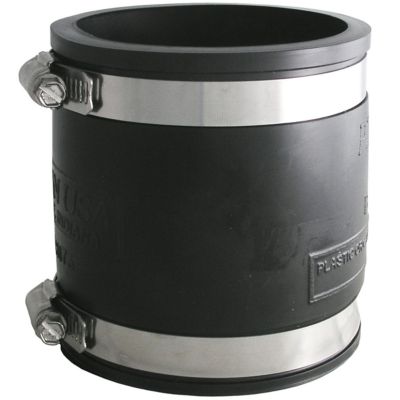
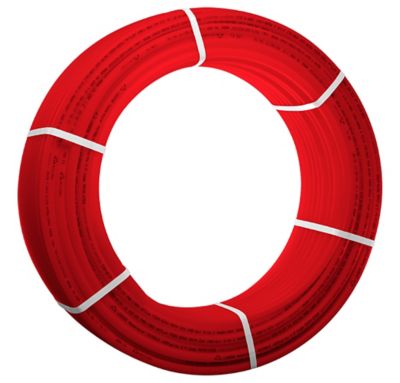
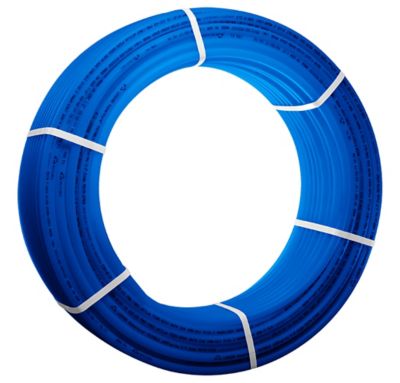
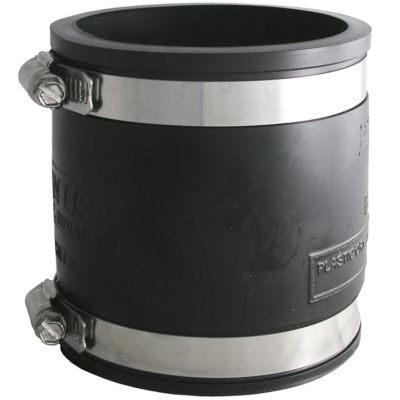
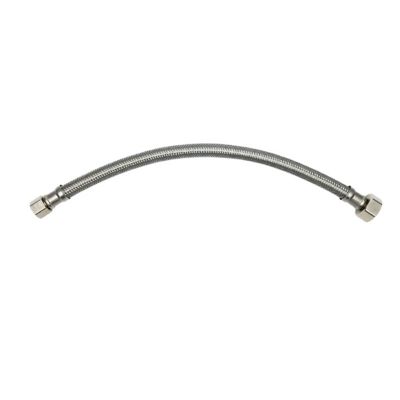
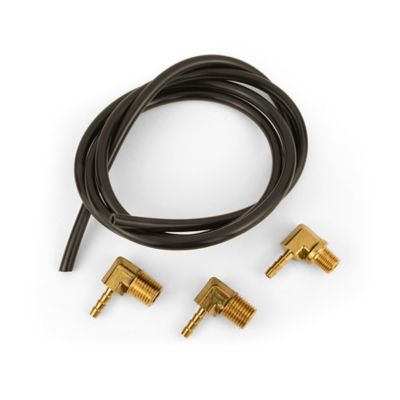
Flexible plumbing pipes help route water where rigid pipe can be awkward, time-consuming, or tough to fit. Instead of lining up several hard elbows and couplings, bendable pipe can follow the shape of a wall, cabinet, crawl space, livestock area, or utility room with fewer connections along the way. Common choices include PEX tubing for hot and cold water supply, flexible PVC for pools, spas, ponds, and other water features, braided stainless steel supply hoses for fixtures and appliances, and flexible drain tubing for select repair jobs. Each type is made for a different kind of work, so the best match depends on what is flowing through the line, where the pipe will be installed, and how much movement or exposure it will see. PEX is a popular option for indoor supply lines because it is lightweight, easy to cut, and simple to route around framing and tight corners. It can be used for both hot and cold water when the size and connection method match the plumbing system. Flexible PVC is often chosen for water features and recirculating systems because it can curve around equipment and connect with standard PVC fittings made for that pipe type. Braided stainless steel hoses are handy for making short connections between a shutoff valve and a toilet, faucet, water heater, washing machine, or similar fixture. For other utility jobs that call for a tough, bendable line, take a look at
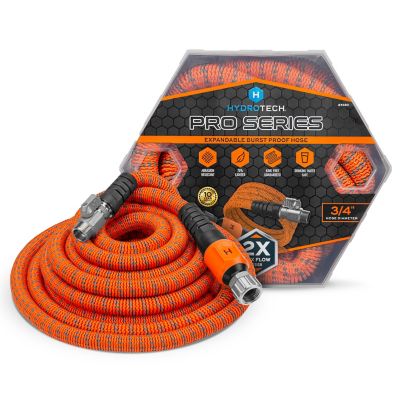
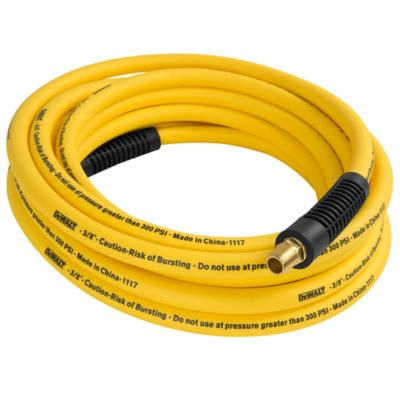
Flexible Rubber Hoses. These hoses may be useful around a shop, barn, garden area, or equipment shed when a durable connection is needed, though they should be selected for the fluid, pressure, temperature, and fittings involved.
Before adding flexible plumbing pipe to your cart, take a careful look at the job from start to finish. Measure the full route instead of only the distance between the two connection points, and allow enough extra length to make a clean, relaxed bend without stretching the pipe tight. A little slack helps with installation and future service, but loose loops that sag against sharp edges can create their own trouble. Check the inside diameter, outside diameter, pressure rating, temperature rating, and fitting style, then make sure those details match the existing line and the intended use. Supply plumbing generally needs pipe approved for potable water when it will carry drinking water, while pool, spa, pond, and irrigation applications may call for different materials or connection methods. Some flexible pipe joins with crimp, clamp, push-to-connect, threaded, or compression fittings; flexible PVC commonly uses compatible solvent cement and fittings. Do not assume a fitting made for one kind of flexible pipe will work with another, even when the sizes look similar. A bend that is too tight can flatten the pipe, restrict flow, or leave a weak spot, and a kink may not be obvious once the line is tucked behind a cabinet. Use the manufacturer’s minimum bend radius, support longer runs as recommended, and keep the pipe away from hot surfaces, sharp metal, fasteners, and areas where it can be crushed. Outdoor installation brings another set of considerations. Ultraviolet light can damage some plastics over time, and exposed pipe may need shielding, burial, insulation, or another form of protection. During cooler weather, protect water lines from freezing by improving insulation and keeping vulnerable sections out of drafts. Flexible materials can handle some movement and, in certain applications, may be less likely to split than a rigid line, but no plumbing pipe is freeze-proof when water is trapped inside and temperatures stay low.
These products are a practical fit for homeowners, farmers, ranchers, maintenance workers, landlords, and do-it-yourselfers handling everything from a fixture replacement to a larger water-routing project. A PEX run can make a cramped repair behind a wall or beneath a floor less frustrating, while a braided supply hose can tidy up the final connection under a sink or at an appliance. Flexible PVC can help a pond or stock-tank filtration line take a smoother path around a pump, and the right bendable line can make seasonal equipment easier to disconnect and store. They are also useful to keep on hand for a rural property, where a small leak or damaged connection may show up far from town and a quick trip for one missing fitting can turn a short repair into an all-day chore. Store spare pipe and fittings in a dry place, away from direct sunlight, chemicals, and extreme heat, and keep them in their original packaging when possible so size and application information stays easy to find. Inspect existing flexible lines during routine property checks, especially around washing machines, water heaters, outdoor faucets, animal watering setups, and areas that see vibration. Look for bulges, cracking, flattened sections, discoloration, rust at braided connections, damp spots, or a musty smell near hidden plumbing. Replace worn components before a slow drip becomes a soaked cabinet, muddy patch, or frozen line. Flexible plumbing pipe can save time and reduce the number of joints in a difficult run, but careful measuring, proper fittings, sound support, and protection from the elements are what help the finished job hold up through changing conditions. For major repiping, concealed lines, gas service, sewage work, or plumbing that must meet local code, follow applicable requirements and bring in a qualified professional when the job calls for it.