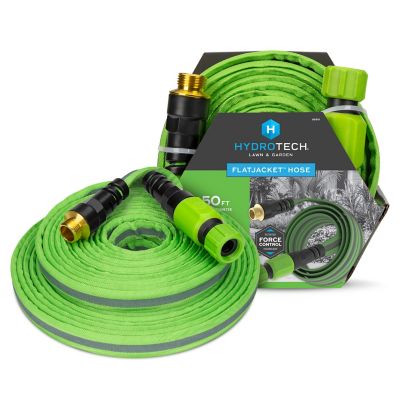
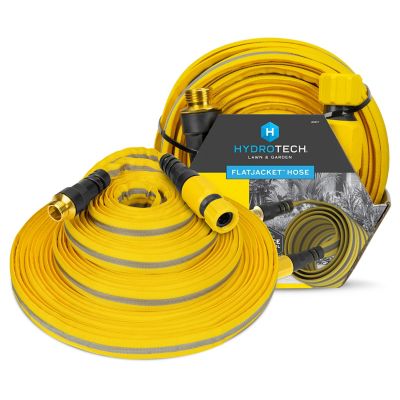
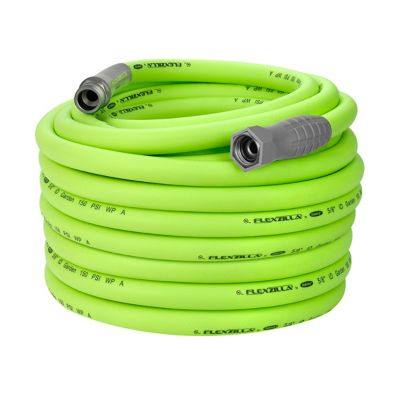
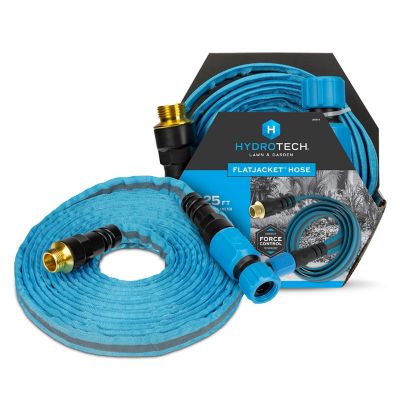
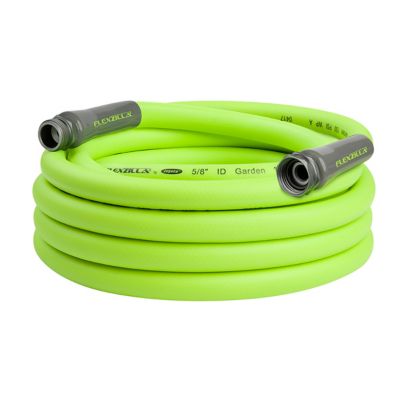
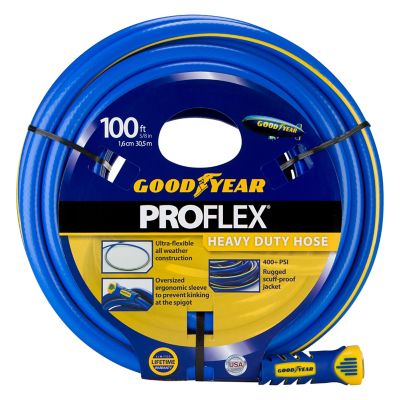
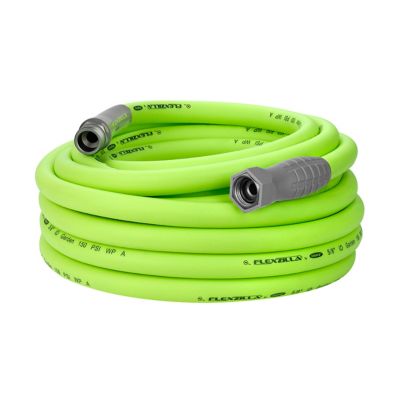
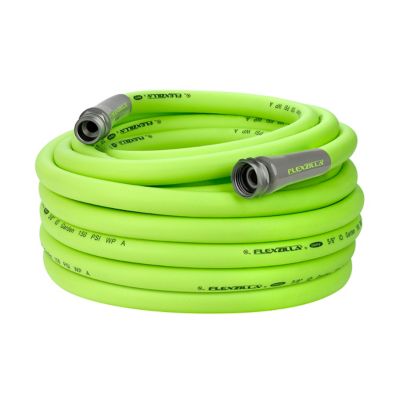
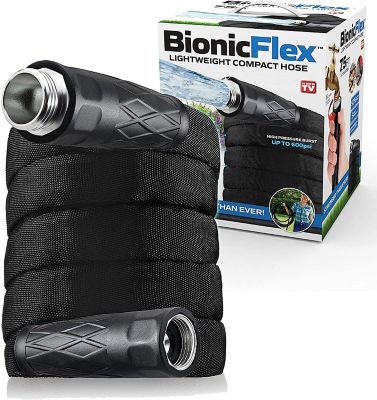
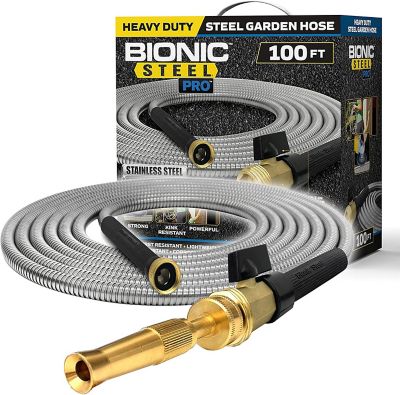
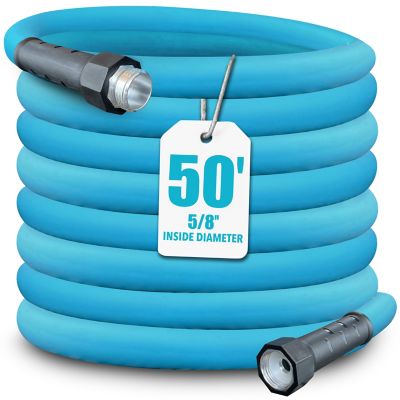
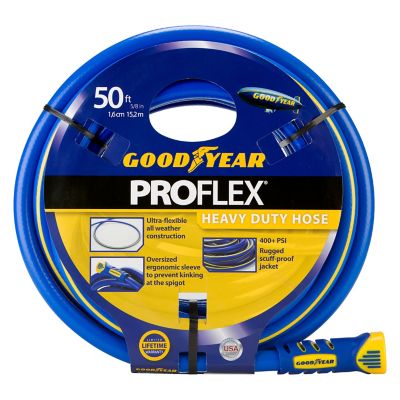
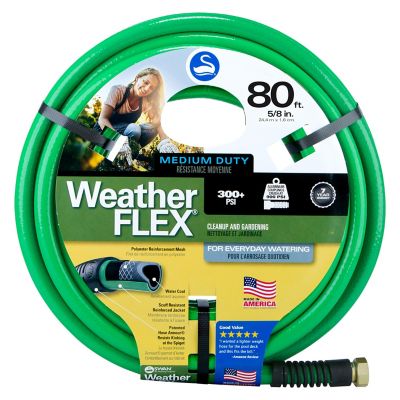
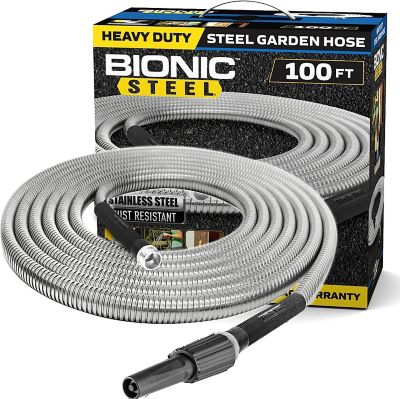
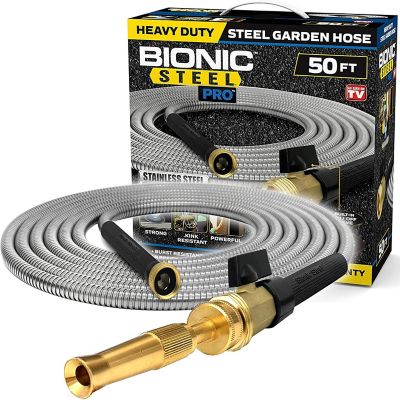
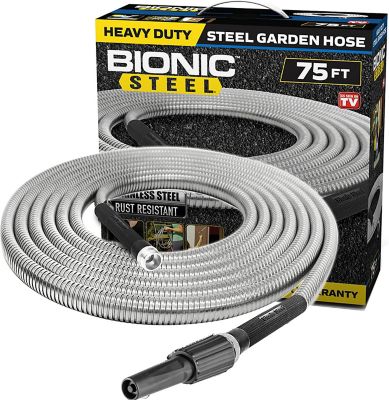
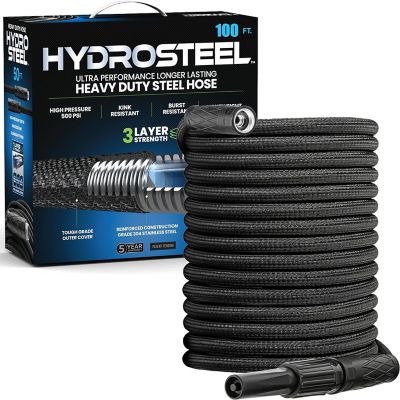
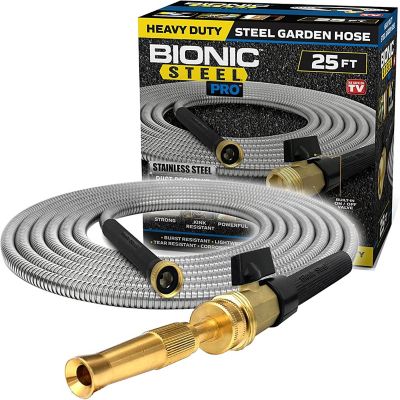
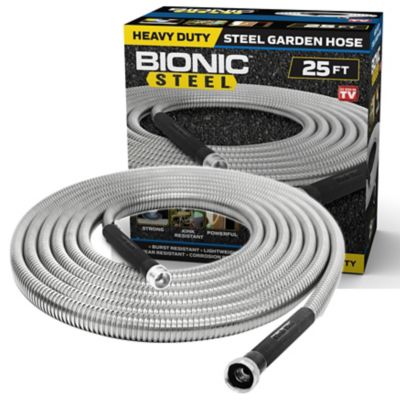
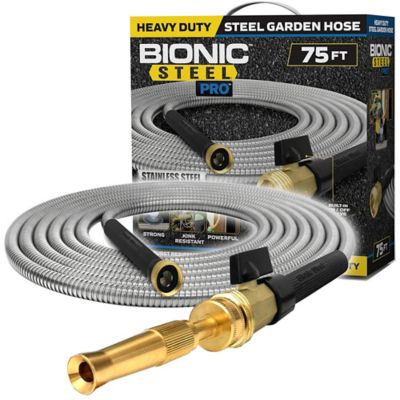
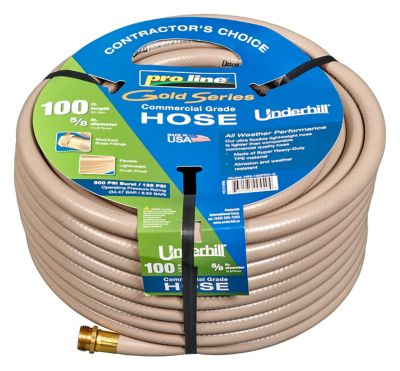
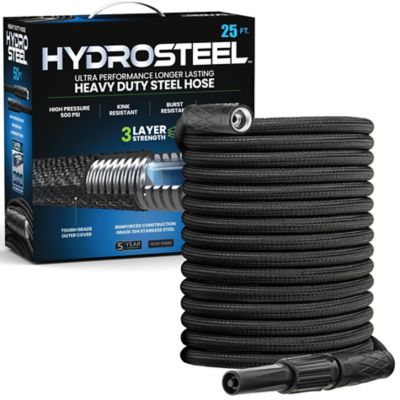
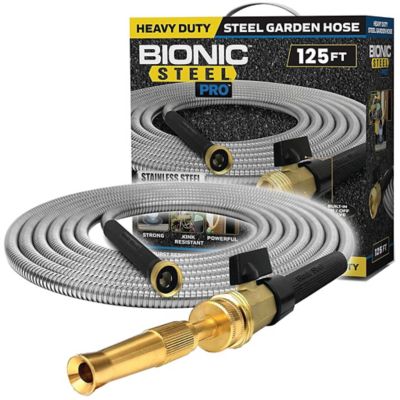
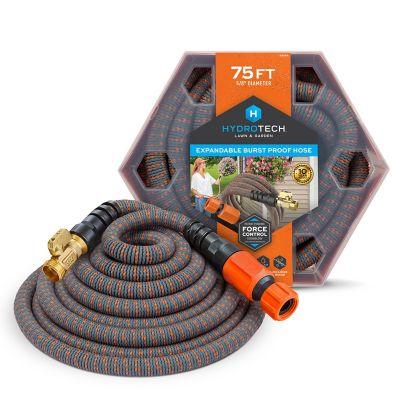
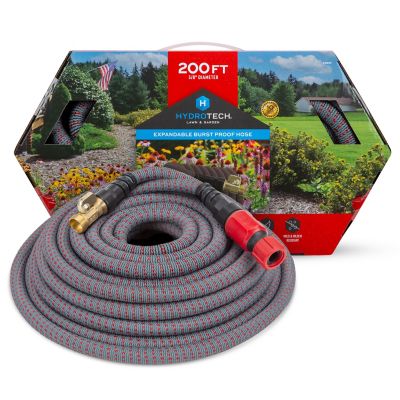
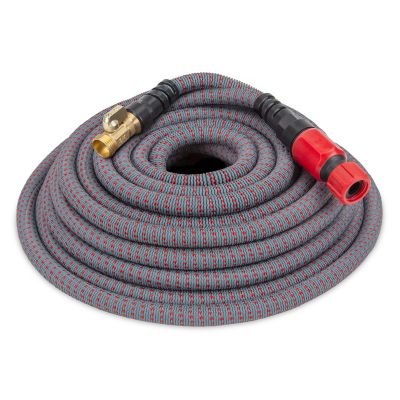
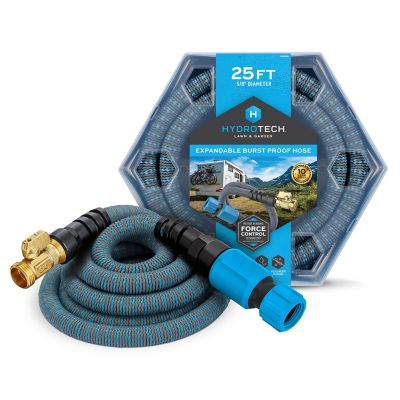
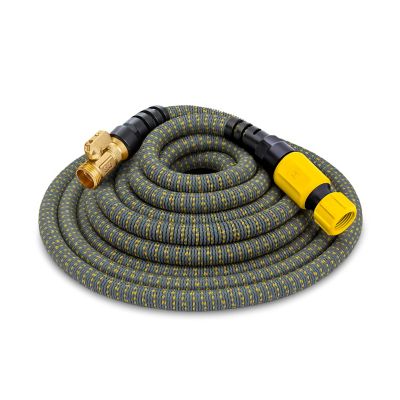
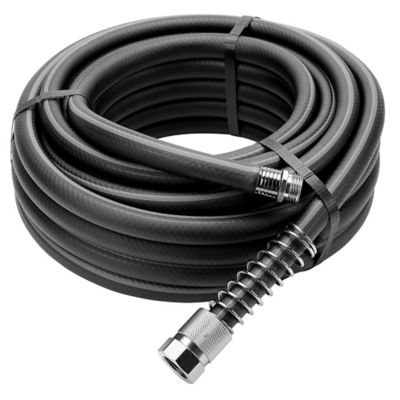
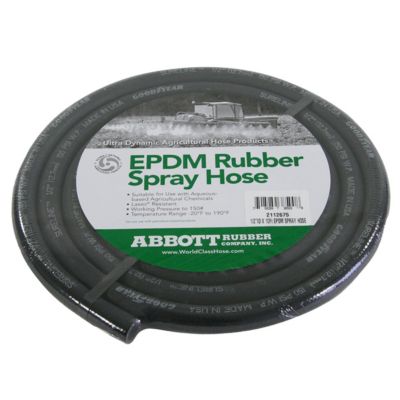
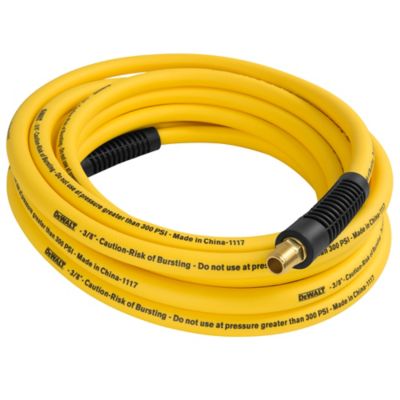
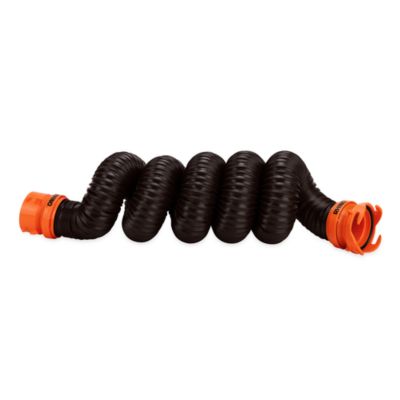
Flex hoses are bendable lines that carry water, air or other fluids, with materials and fittings matched to the job. Around the yard, barn and workshop, flexible garden hoses make it easier to reach a water trough, rinse a muddy wheelbarrow or work along a row of raised beds without wrestling a stiff length of tubing. Flexibility does not always mean stretch: some hoses expand under water pressure, while others keep the same length and bend readily around obstacles. Expandable garden hoses typically have an elastic inner tube beneath a woven fabric cover. They lengthen as water pressure builds and draw back as water drains, making them handy where storage space is tight. Their stated extended length generally depends on the operating conditions specified by the manufacturer, so water pressure matters when judging how far they will reach. Non-expanding hoses include rubber, vinyl and hybrid-polymer constructions. Rubber often brings more weight and a substantial feel, while vinyl can be a lighter choice for occasional watering. Hybrid-polymer designs balance manageable weight with flexibility, though resistance to kinking and abrasion varies with construction. Reinforcement within the hose helps it handle pressure, while the outer jacket takes the scraping that comes with moving across a driveway or around a fence post. Some flexible water hoses have a stainless steel outer shell surrounding an inner water-carrying tube; the metal covering does not replace that inner tube or make every hose suitable for every task. A smooth outer surface may slide readily around a corner, while a fabric-covered hose needs extra care near thorns, rough masonry and sharp gravel. The best match depends less on how a hose looks hanging on a hook and more on what happens between the faucet and the far end of the chore. Daily watering across a sizable yard asks something different of a hose than rinsing boots beside the back steps.
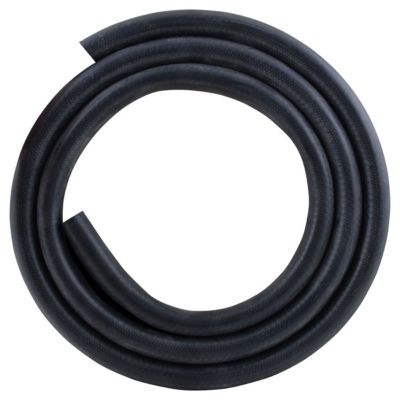
Length, inside diameter and connection type all affect how a flexible water hose handles once it is hooked up. A hose that barely reaches the far corner of a vegetable patch can pull tight against a faucet or snag at every turn, but a much longer hose adds weight, storage space and more resistance to water flow. The route matters, too: a straight measurement across the yard will not account for going around a shed, along a fence or past a gate that still needs room to swing. At the same length and supply conditions, a larger inside diameter generally allows more water flow than a smaller one. That can matter when filling a livestock tank or running a watering attachment with a higher flow requirement. A compact hose may feel easier to carry but take longer to fill the same container. Many garden hoses in the United States connect with 3/4-inch garden-hose threads, though that connection size is not the same measurement as the hose’s inside diameter. Garden-hose threads and pipe threads are different systems, so a fitting that looks close may still need the proper adapter. Brass, stainless steel and polymer fittings each have their own weight and handling characteristics, and a comfortable grip can help when making a connection with wet hands. A seated washer often does more to stop a dripping garden-hose connection than extra force on the coupling; overtightening can damage the fitting or gasket. Swiveling connections can ease twisting near the faucet or spray nozzle, but they do not remove the need to straighten a hose before pulling it across the yard. Quick-connect fittings should match one another and meet the requirements of the hose and attachment. For shoppers who prefer a darker hose around the yard or wash area,
Black Hoses provide another color option; material, dimensions and connection details still matter more than color when matching a hose to the work.
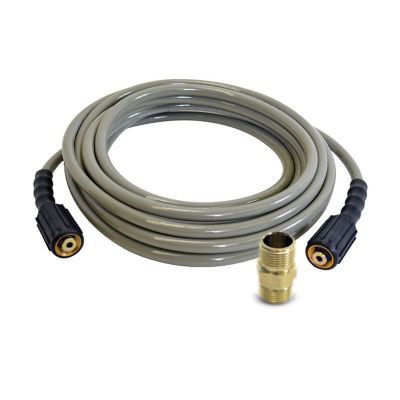
Intended use is especially important because flexible hoses are not interchangeable across watering, drinking water, compressed air, fuel transfer and appliance connections. A garden hose may supply water to a pressure washer when its flow capacity and connections meet the equipment requirements, but it does not take the place of the washer’s high-pressure discharge hose. Air lines need the correct pressure rating and air-service fittings, while chemical-transfer hoses need materials compatible with the substance moving through them. For filling drinking-water containers or supplying water for people or animals, look for a hose specifically identified for drinking-water service and follow its labeling. A hose intended only for general watering is not automatically suitable simply because the water looks clear. Separate hoses for chemical applications and drinking-water tasks help prevent cross-contamination. Everyday handling also makes a difference in service life. Pulling from the hose rather than yanking on a spray attachment helps reduce strain at the coupling, and walking a line around a post is easier on it than dragging it hard against the edge. Keep hoses away from mower blades, vehicle tires, chewing animals and hot equipment surfaces. After the job, shut off the supply and release pressure before disconnecting attachments, following any special directions for expandable designs. Let the hose drain, then store it without sharp bends, tight knots or heavy objects pressing against it. A reel or broad support can keep a non-expanding hose off the ground, provided it suits the hose’s construction and weight. Expandable styles may call for a different storage arrangement, so the care instructions deserve a look. Cracks, bulges, exposed reinforcement and leaks near the ends are signs to address before the next job. A hose that reaches comfortably, connects without a struggle and stores neatly leaves more time for tending the animals, watering the garden and getting the cleanup finished.