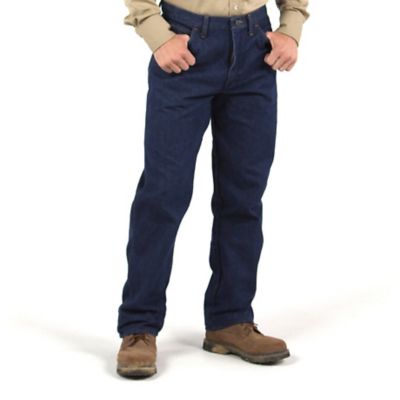
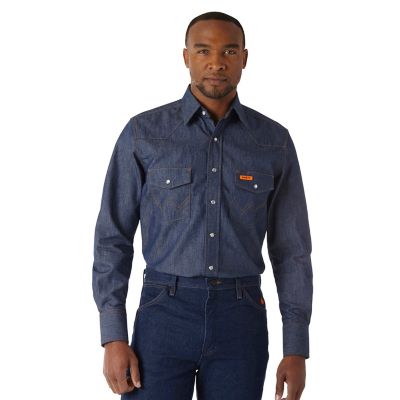
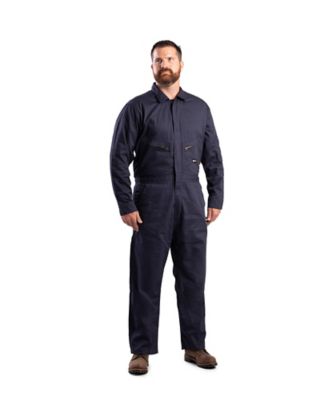
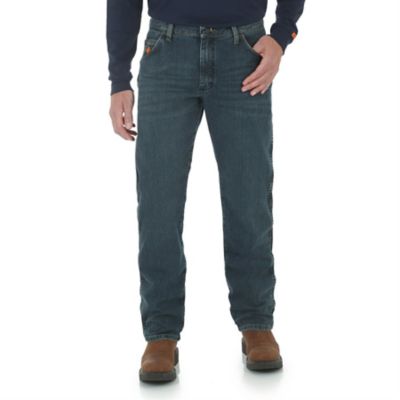
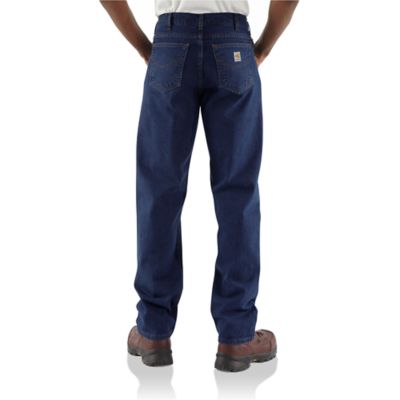
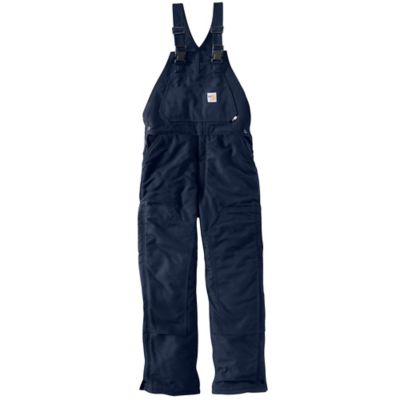
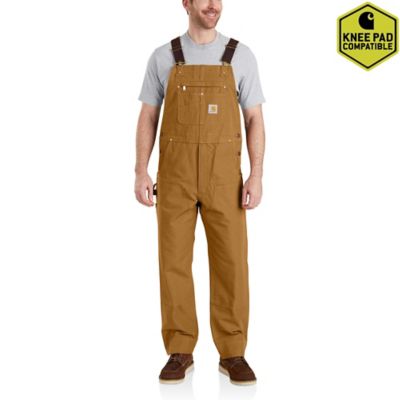
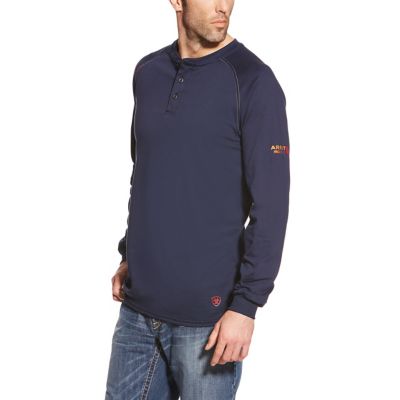
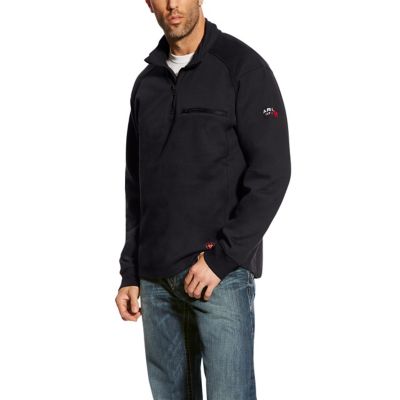
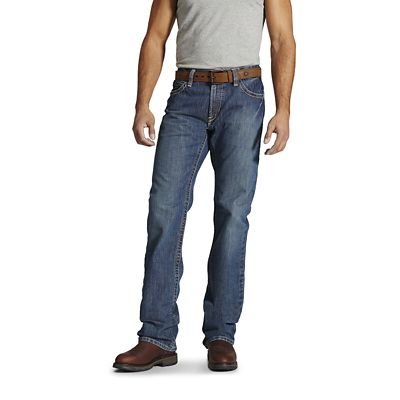
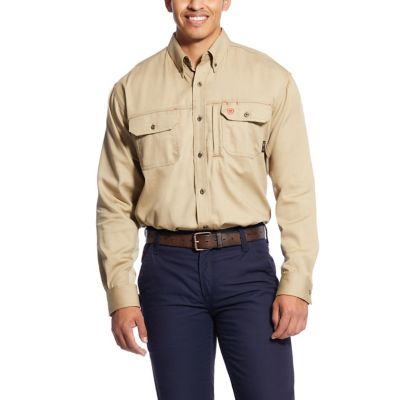
Flame-retardant workwear is protective clothing built to help limit burn injury when a job involves certain flame or thermal hazards. Often called flame-resistant or FR workwear, this clothing is designed to resist ignition and stop burning after the ignition source is removed, under specified test conditions. It is not fireproof, and protection depends on the garment’s tested performance, condition, coverage, and suitability for the hazard. For electrical crews, oil and gas workers, industrial maintenance teams, and others whose employers require protective clothing, those distinctions matter more than how rugged a garment looks. A heavy work shirt or pair of everyday jeans does not become FR clothing simply because the fabric feels substantial. Flame-resistant shirts, pants, coveralls, and outer layers carry labeling that helps identify their intended protection. NFPA 2112 establishes requirements for flame-resistant clothing intended to protect against short-duration thermal exposures from fire, commonly associated with flash-fire hazards. Electrical arc-flash protection calls for arc-rated clothing selected for the assessed exposure. ASTM F1506 covers performance requirements for flame-resistant and arc-rated clothing materials for electrical workers, while NFPA 70E addresses electrical safety practices, including the selection of protective clothing and equipment. An arc rating, generally expressed in calories per square centimeter, describes tested thermal protective performance; it is not a temperature limit or permission to work closer to energized equipment. All arc-rated clothing is flame resistant, but not all flame-resistant clothing is arc rated. Clothing intended for welding also needs to suit the particular sparks, spatter, and radiant heat involved in the task. These differences help separate everyday work clothes from job-specific protection, whether the workday starts at a utility yard, a plant maintenance shop, or a rural service site. Employer requirements and the job’s hazard assessment should establish the necessary ratings before fabric weight, pocket layout, or color enters the picture. Protective clothing belongs alongside the other required safeguards, not in place of them.
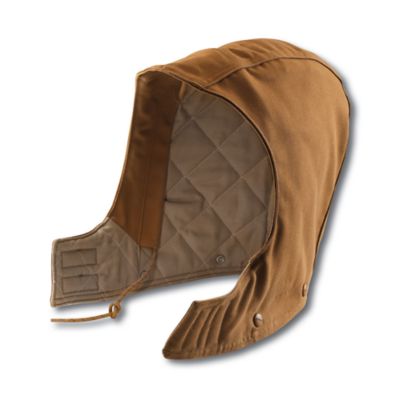
Materials and fit shape how FR workwear feels through a full shift, especially when the day includes climbing ladders, crouching beside machinery, or reaching into a service compartment. Some fabrics get their flame resistance through a treatment, while others rely on fibers with inherent flame-resistant properties. Treated cotton, cotton-nylon blends, and fabrics containing inherently flame-resistant fibers can offer different balances of softness, weight, moisture management, and abrasion resistance. Fiber content alone does not establish a garment’s protection; its labeling and applicable certifications carry that information. Heavier fabric may feel right for rough work around equipment, but weight by itself does not establish an arc rating or flash-fire performance. Lighter fabrics can make active work more comfortable when their ratings meet the job’s requirements. For long days on the move, room across the shoulders, seat, and knees helps clothing follow the body without pulling tight. A proper fit leaves the intended space between fabric and skin without loose sleeves or hanging fabric that could catch on moving machinery. Shirt tails need enough length to stay tucked when required, and sleeves should maintain wrist coverage while reaching. Pants should allow bending and stepping without dragging underfoot. Coveralls offer connected upper- and lower-body coverage, with torso length especially important for workers who spend time kneeling or working overhead. Seams, reinforced stress points, closures, and pocket placement all affect how clothing holds up and functions through repeated wear. Gloves, harnesses, tool belts, and other required equipment also influence fit, since a chest pocket or thick seam can land right beneath a strap. For cooler mornings and exposed jobsites, a
flame resistant jacket adds another layer to consider as part of the full protective outfit. Insulation, freedom of movement, and overlap at the waist matter, but the outer layer still needs to meet the applicable hazard requirements. Ordinary outerwear can undermine an otherwise appropriate clothing system, and layered arc ratings cannot simply be added together unless that combination has been tested.
Care and everyday wear habits help preserve the protection built into flame-resistant workwear. Garment labels give the washing, drying, and repair requirements for the particular fabric, so a laundry routine that suits everyday barn clothes may not suit FR clothing. Bleach, fabric softeners, starch, and certain laundry additives may be prohibited, depending on the manufacturer’s directions. Water temperature, detergent choice, and drying heat can also matter. Oil, grease, fuel, and other flammable contamination can change how clothing behaves around an ignition source, making prompt, appropriate cleaning essential. A shirt that still carries a fuel odor or visible oily residue after laundering should not go straight back into hazardous service; it needs evaluation under the employer’s clothing-care procedures. Between shifts, a look at cuffs, knees, elbows, seams, and closures can catch thinning fabric, tears, or damage before the next job. Repairs need materials and methods that preserve the garment’s protective performance, rather than an ordinary patch sewn over a worn spot. Clothing with damage or contamination that cannot be properly addressed needs replacement according to the manufacturer’s and employer’s requirements. Even a well-kept garment has to be worn as intended: fastened closures, sleeves down, and the required overlap between shirts and pants help maintain coverage. Rolling sleeves above the elbows or leaving the front open exposes skin that the garment was meant to cover. Base layers deserve attention, too, because some non-FR synthetic fabrics can melt under thermal exposure. The whole clothing system, including rainwear and cold-weather accessories where required, should follow the workplace’s hazard assessment. That matters during cooler months when a worker may leave a heated cab, cross a windy equipment yard, and then head into a sheltered work area without changing tasks or protection requirements. For anyone choosing workwear for a family member, the recipient’s required ratings and measurements are more useful than guessing from a familiar shirt size. The right flame-resistant workwear brings job-matched protection together with practical fit, manageable care, and enough comfort for a full day’s work, while keeping its role clear: helping reduce injury from specified hazards, not removing the hazards themselves.