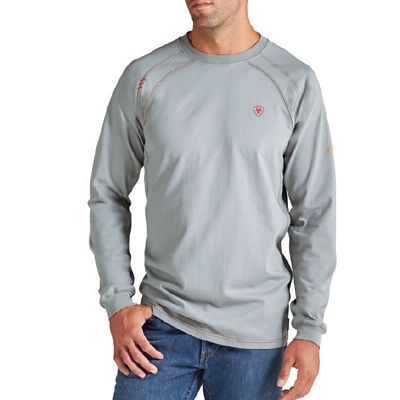
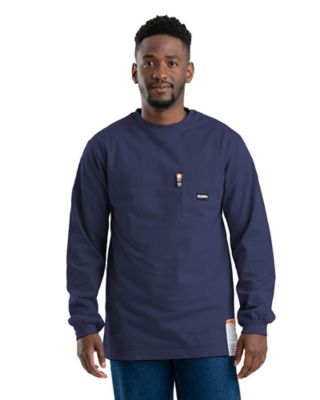
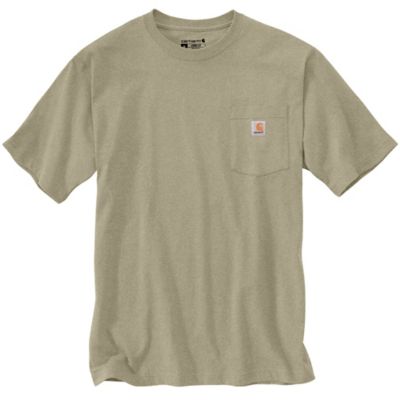
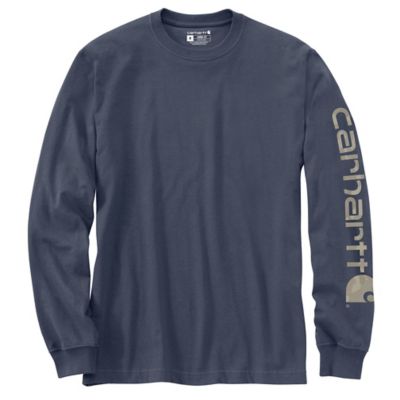
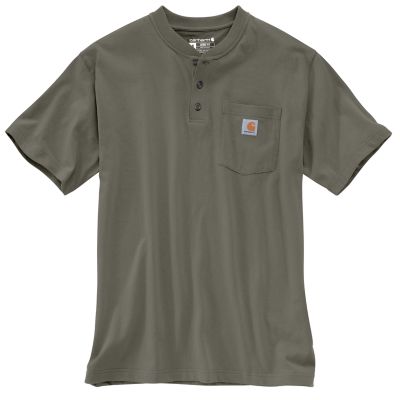
Flame-resistant T-shirts are work shirts made with fabrics that resist ignition and help stop burning after a flame source is removed. They’re intended to help limit burn injuries from certain short-duration thermal exposures, not make the wearer fireproof. For folks working around electrical equipment, industrial machinery, or operations with flash-fire hazards, that difference matters. An FR tee brings a familiar work-shirt feel to a job that calls for more than an ordinary cotton shirt, but its protection has to match the task. Flame resistance and arc rating aren’t interchangeable: all arc-rated clothing is flame-resistant, but not every FR shirt has an arc rating. Electrical work may require an arc-rated garment with a rating expressed in calories per square centimeter, or cal/cm². A shirt labeled PPE Category 2 has an arc rating of at least 8 cal/cm², though that designation alone doesn’t establish whether it meets a particular job’s requirements. NFPA 70E addresses electrical workplace safety, including protective clothing selection; it isn’t a product certification for shirts. NFPA 2112 establishes requirements for flame-resistant clothing intended to protect industrial personnel against short-duration thermal exposures from fire. When flash-fire protection is required, check for the applicable certification rather than assuming any FR label covers it. Garment labels may list different ratings and certifications, so those details deserve a closer look than the color or pocket style. Utility crews, plant maintenance workers, and people in oil and gas operations may face different hazards even when their everyday workwear looks much alike. Around a farm shop, the same principle holds: the task determines the protection, not simply the fact that work happens near equipment. Welding can call for additional protective clothing against sparks, spatter, and radiant energy, beyond what a T-shirt provides. The right starting point is the employer’s hazard assessment and clothing requirements, followed by the garment’s label and manufacturer information.
Fabric makes a noticeable difference when a shirt stays on through a full shift of reaching, carrying, and moving between work areas. FR T-shirts may feature treated cotton, cotton blends, or fabrics containing inherently flame-resistant fibers. Ordinary cotton isn’t automatically flame-resistant, and a familiar cotton feel doesn’t establish a shirt’s protective performance. Treated fabrics get their flame-resistant properties through a manufacturing treatment, while inherently FR fibers have flame resistance built into their structure. Both approaches can serve workwear needs when the finished garment meets the required specifications and receives the prescribed care. Fabric weight, knit structure, and fiber blend influence how a tee feels against the skin, how readily it moves, and how well it holds its shape. A lighter knit may feel less restrictive under other workwear, while a heavier knit can provide a more substantial feel; fabric weight alone doesn’t tell the full story about protection. Moisture management, stretch, smooth seams, and neck construction are worth considering when comparing garment descriptions. Fit matters just as much when reaching into a service truck, bending over a workbench, or lifting both arms to work overhead. There should be room to move without pulling the hem out of place, but excess fabric can create problems around moving machinery. Sleeve length must also fit the job’s coverage requirements. A short-sleeve FR tee doesn’t provide protection for exposed forearms. For tasks that require covered arms,
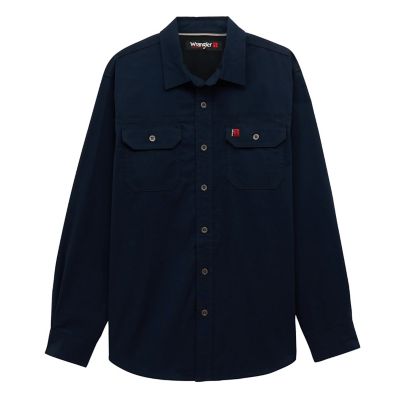
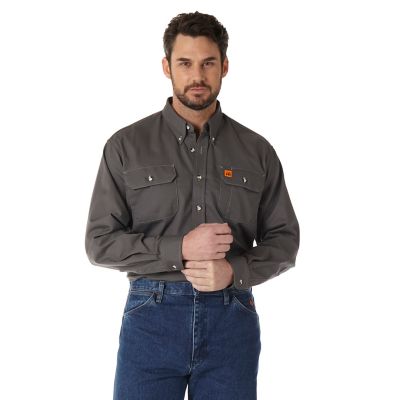
flame-resistant long sleeve shirts provide another clothing option to evaluate against the required ratings. Layering takes the same attention: an FR outer garment doesn’t make every shirt underneath suitable for a thermal hazard. Ordinary meltable synthetic layers can increase injury risk, and workplace rules may require FR base layers. Arc ratings also aren’t simply added together unless the clothing combination has an established system rating. A coordinated clothing system helps keep fit, coverage, and protective requirements working together instead of treating each layer as a separate decision.
Day-to-day care is part of keeping flame-resistant T-shirts ready for work. The care label is the place to start because laundering requirements can differ by fabric and garment construction. Some shirts permit home washing, while certain workplaces require an industrial laundry program. Follow the specified wash settings, detergent guidance, and drying method rather than treating every FR tee like the rest of the laundry pile. Instructions commonly restrict chlorine bleach, fabric softeners, or other additives that can affect protective performance or leave unwanted residue, but the garment maker’s directions should settle the details. Fuel, oil, grease, and other flammable contamination can undermine protection even when the fabric itself remains flame-resistant. A shirt that comes home from equipment maintenance with oily smears needs more attention than one with ordinary dust and perspiration. Contaminated clothing should be handled according to workplace procedures, and a shirt shouldn’t return to service if the required cleaning hasn’t removed the contamination. Over time, look at more than whether the tee still feels comfortable. Holes, thinning areas, torn seams, stretched necklines, and damaged closures can affect coverage or signal that a garment needs evaluation. Repairs should follow the manufacturer’s directions and workplace policy, including requirements for replacement fabric and thread, rather than relying on an ordinary patch. After a thermal exposure, follow the prescribed inspection and replacement process even if damage seems minor. Keeping labels legible also makes it easier to confirm ratings, fabric content, and care requirements later. Practical details such as a hem that stays tucked, seams that don’t rub beneath other protective clothing, and enough room through the shoulders can make an FR tee easier to wear as required. Whether it serves as an approved outer shirt or part of a specified layering system, the best fit for the workday combines the necessary protection with straightforward care and comfortable movement.