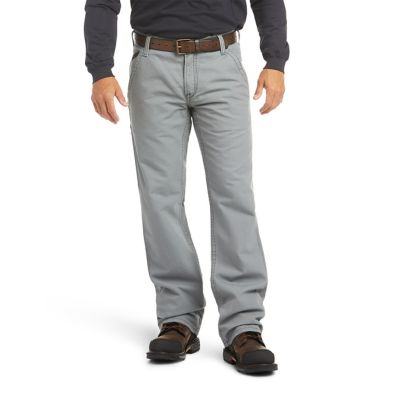
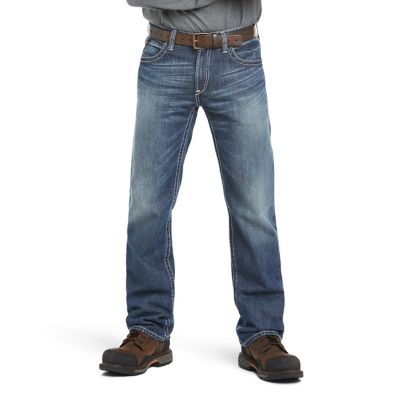
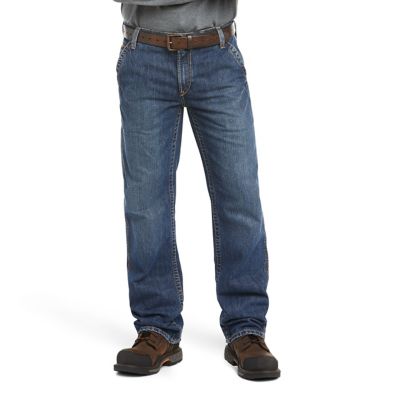
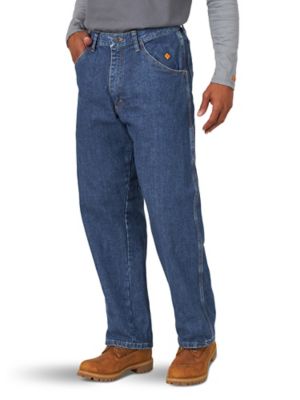
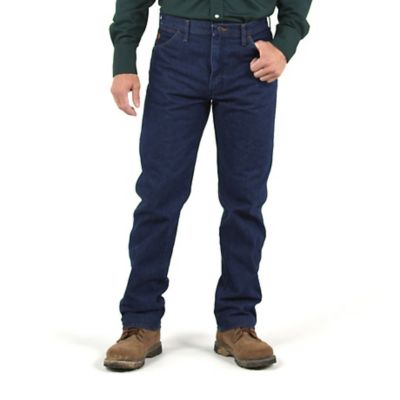
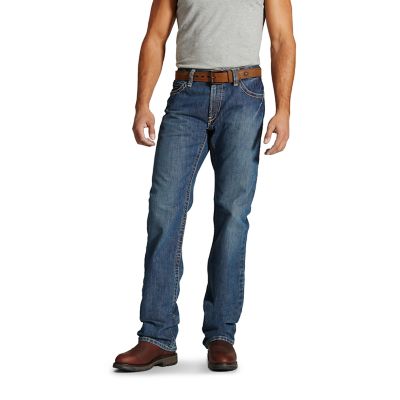
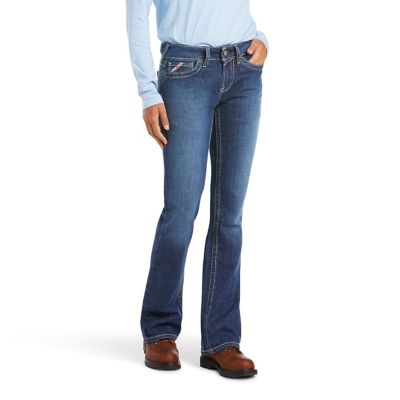
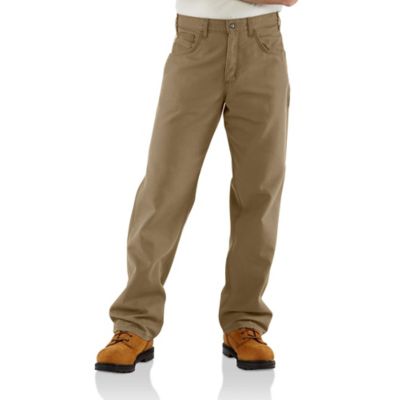
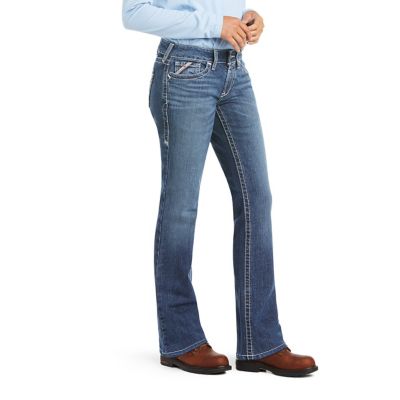
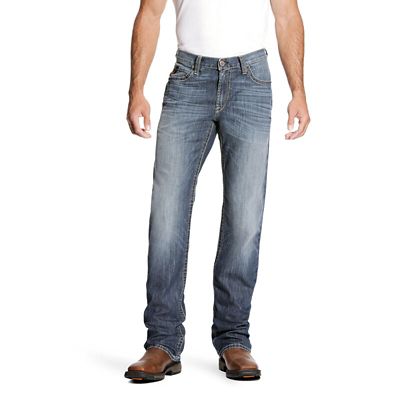
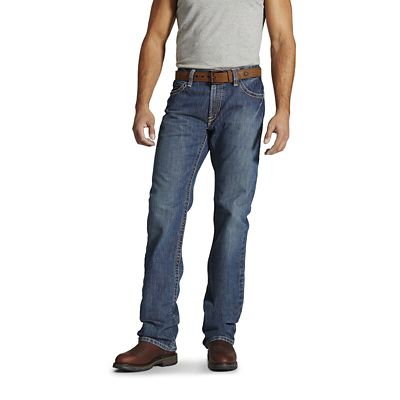
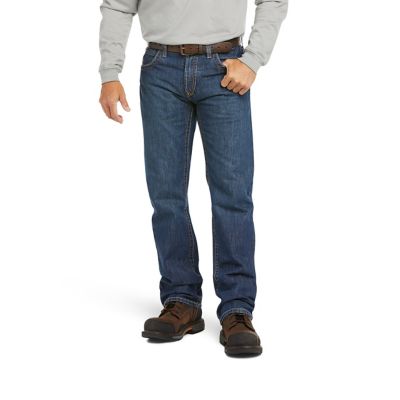
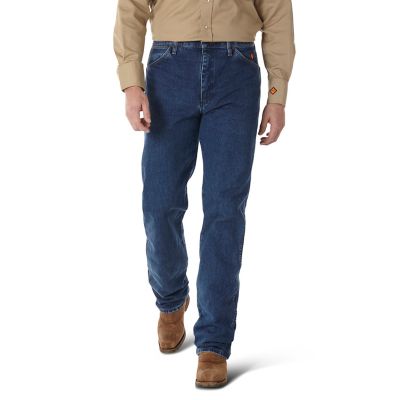
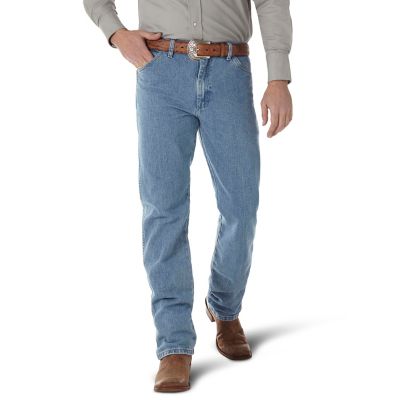
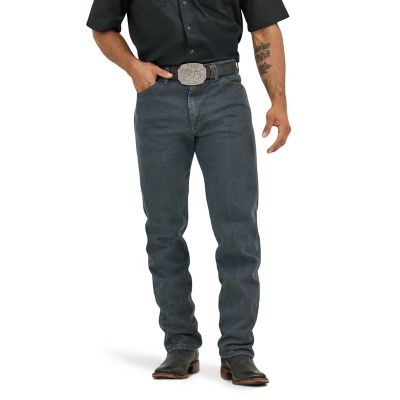
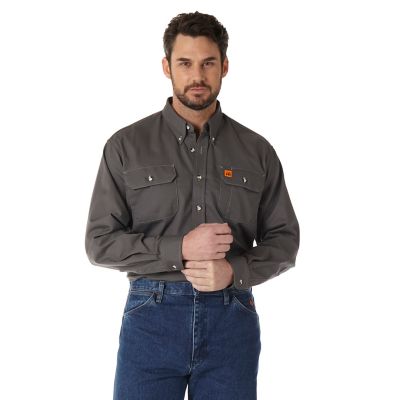
Flame resistant jeans are denim work pants designed to self-extinguish after the ignition source is removed, helping limit continued burning and reduce the severity of burn injuries during certain brief thermal exposures. They bring the familiar feel and pocket layout of everyday jeans to jobs that call for protective clothing, including electrical utility work, oil and gas operations, and some industrial maintenance tasks. The important difference is in the fabric’s protective performance, not just its weight or appearance. Ordinary denim is not a substitute for rated protective clothing, and an FR label does not mean a garment is fireproof. Flame resistant jeans cannot eliminate burn risk or replace safe work practices, training, and other required protective equipment. For a lineworker stepping out of a service truck or a maintenance hand working around energized equipment, the garment label matters more than how rugged the denim looks. Workplace hazard assessments determine which protection is appropriate. NFPA 2112 addresses flame resistant clothing for protection against short-duration thermal exposures from fire, while ASTM F1506 covers performance requirements for flame resistant and arc-rated clothing for workers exposed to electric arcs. NFPA 70E addresses electrical safety practices and protective equipment selection; it is not a garment certification. These distinctions matter because all arc-rated clothing is flame resistant, but not all flame resistant clothing has an arc rating. An arc rating, expressed in calories per square centimeter, helps establish whether a garment meets the protection level identified for a particular electrical task. Flash-fire certification and an arc rating address different hazards, so one should not be assumed to cover the other. Welding and cutting can involve sparks, molten metal, and other exposures that may call for additional protection beyond FR denim. The best match is a pair that meets the employer’s stated requirements and fits the work being performed, whether that means servicing equipment, inspecting a facility, or spending a shift on a utility crew.
The fabric in flame resistant jeans may be treated cotton denim or a blend engineered for flame resistance. Some fabrics gain their protective properties through a treatment, while others include fibers with inherent flame resistance. Either approach can serve a workplace need when the finished garment meets the required standards and receives the care specified on its label. Fiber content alone does not establish protection: ordinary cotton can burn, and everyday synthetic fabrics may melt during a thermal exposure. A blend containing stretch fibers is not automatically unsuitable, but its protective performance needs to come from the garment’s testing and labeling rather than assumptions about the ingredients. Denim weight, weave, and fabric composition also influence how the pants feel through a full shift. Heavier denim can feel more substantial, while lighter fabrics may offer less weight to carry as the workday wears on. Neither fabric weight nor thickness, by itself, proves a higher arc rating. Fit deserves just as much attention as fabric. A worker climbing into a truck cab, kneeling beside a pump, or stepping over piping needs room through the seat, thighs, and knees without excess fabric catching on equipment. Straight-leg, relaxed, and bootcut shapes offer different amounts of room, and stretch can ease bending when it is part of a properly rated fabric. Jeans should not pull tight across the knees when crouching or slide down at the waist when reaching. The inseam needs to work with the boots worn on the job, keeping the hem from dragging under the heel while maintaining the coverage required by the workplace. Waist rise, belt-loop placement, pocket depth, and seam construction all affect daily comfort and wear. Stress points around pocket openings and the seat deserve attention, especially for someone who climbs ladders or spends hours getting in and out of equipment. For a workwear gift, the recipient’s required protection level, measurements, and preferred fit matter far more than picking a familiar jean size.
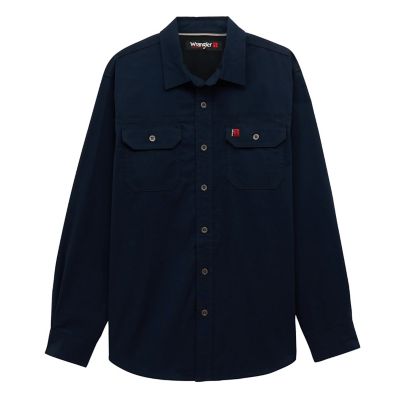
Care is part of keeping flame resistant denim ready for the job. Washing directions vary by fabric and garment, so the care label should set the rules for detergent, water settings, drying, and any restrictions on laundry additives. Bleach, fabric softeners, and other treatments should stay out of the wash unless the manufacturer expressly permits them. Proper laundering helps remove contaminants without interfering with the garment’s protective properties. Oil, grease, fuel, and other flammable substances can create added risk even on flame resistant fabric, which makes clean clothing more than a matter of appearance. A pair stained during equipment service should not simply go back into rotation because the denim still feels sturdy. Persistent contamination calls for the employer’s cleaning or replacement procedure. Jeans also need a regular look over for holes, frayed hems, worn fabric, damaged seams, and closures that no longer hold as intended. A tear over the knee or a thin spot at the seat can leave a gap in coverage. Repairs should follow the garment manufacturer’s directions and workplace policy rather than rely on ordinary thread or a patch cut from everyday denim. Protective clothing works as a system, too. Pairing appropriate jeans with a
flame resistant jacket can help provide the required coverage when both garments meet the job’s protection requirements. Sleeves, waist coverage, closures, boots, gloves, and other protective equipment all need to suit the task. Layers that can melt may increase injury risk during a thermal exposure, so clothing beneath or over FR jeans also needs to follow workplace rules. A jacket’s rating does not automatically raise the protection level of the jeans, and layering ratings should not be added together without supporting test data. For the person heading out with a lunch box and a day’s work ahead, the goal is practical: jeans that move comfortably, hold up to regular wear, clean up according to their care instructions, and provide the documented protection the job requires.