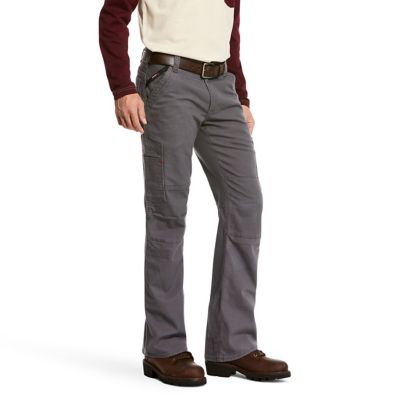
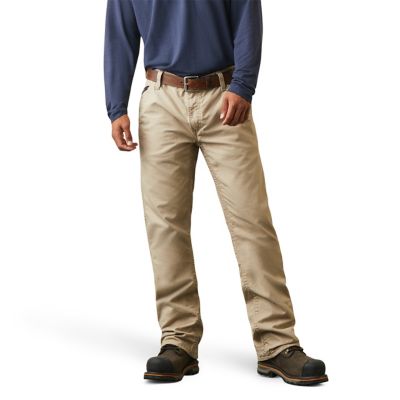
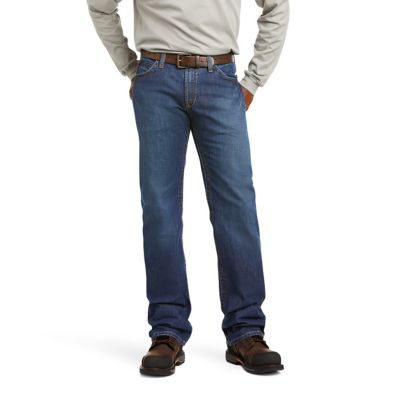
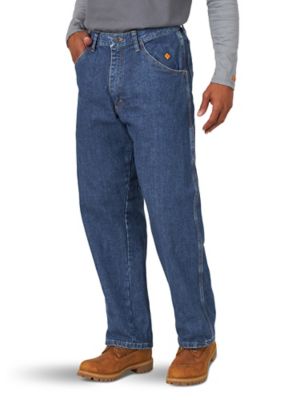
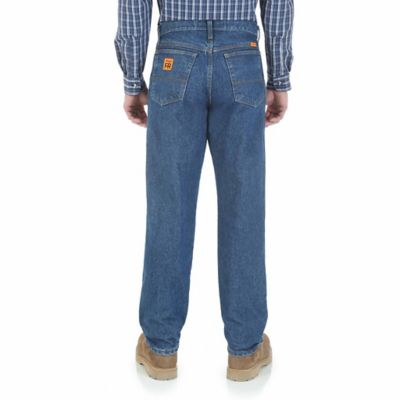
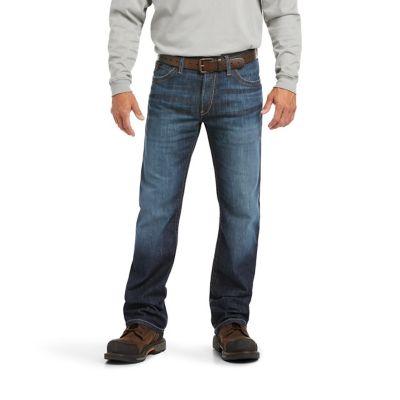
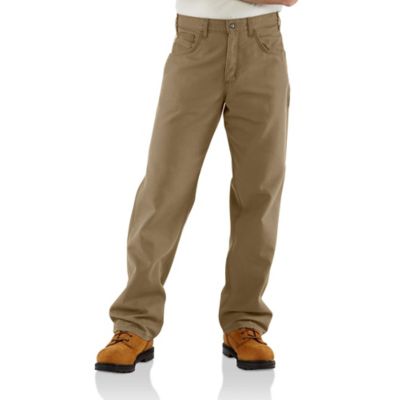
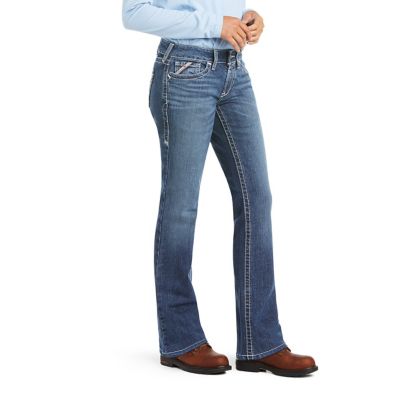
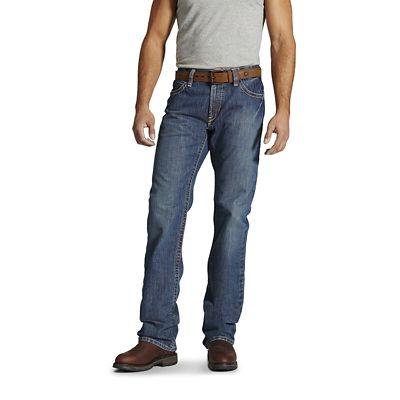
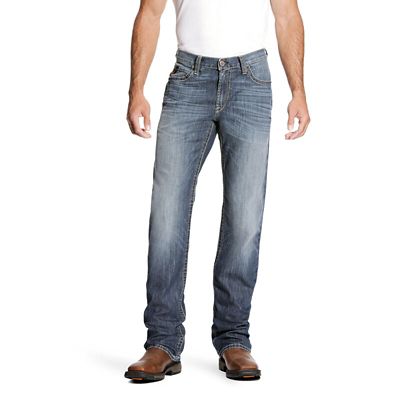
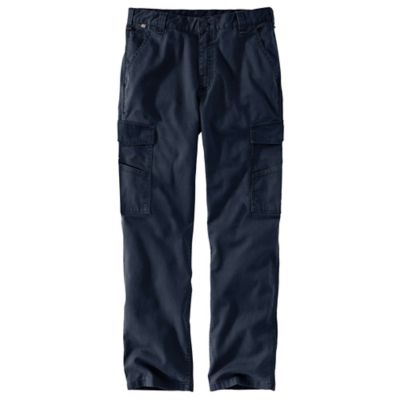
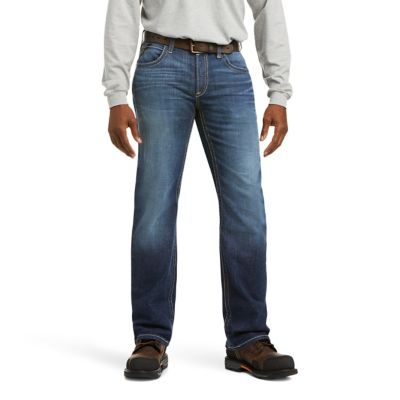
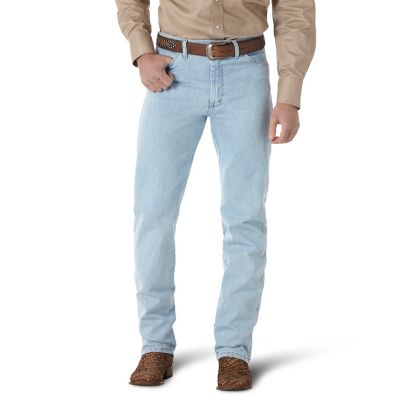
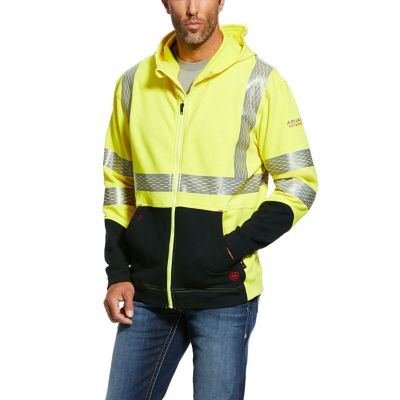
Flame-resistant work pants have a place on jobs where protective clothing is part of getting the work done right. For utility crews, electrical workers, oil and gas workers, and folks handling certain industrial maintenance tasks, the right pants need to match both the workday and the hazards identified by the employer. A pair might spend hours behind the wheel of a service truck before its wearer steps out to inspect equipment, climb a ladder, or kneel beside a repair. That calls for more than a familiar workwear look. Flame-resistant fabrics are designed to resist ignition and limit continued burning after an ignition source is removed, but they are not fireproof, and their protection has limits. Jobsite requirements determine whether a garment needs flash-fire certification, an arc rating, or other protective features. NFPA 2112 certification addresses short-duration thermal exposures from fire, while an arc rating relates to protection against the thermal hazards of an electric arc; neither should be assumed from appearance alone. Arc-rated clothing also does not provide protection from electrical shock. Those distinctions matter whether the pants look like everyday jeans or traditional work trousers. Denim and twill describe fabric styles, not proof of flame resistance. Within FR workwear, fabric choices can include treated cotton, cotton blends, and fibers with inherent flame-resistant properties. Each construction has its own feel, weight, and care requirements. Some fabrics have a substantial, familiar hand, while others offer a lighter feel or added flexibility for active work. Fabric weight alone does not establish a garment’s protection level, so the label and applicable rating matter more than how hefty the material feels. For anyone working around a recognized flame or arc hazard, flame-resistant work pants are one part of a complete protective clothing system, not a stand-alone answer to every risk.
Fit makes a real difference when the day involves more than standing at a workbench. Flame-resistant work pants should leave enough room to bend at the knees, step onto equipment, and squat without pulling tight across the seat or thighs. At the same time, excess fabric can get in the way around moving machinery, so a roomy fit should not mean loose material hanging where it can catch. Straight-leg and relaxed cuts offer different amounts of space, while the rise affects how the waistband sits when reaching, climbing, or settling into a truck seat. A waistband that stays put and a seat that allows movement can make a long shift less distracting. Where stretch fabrics are part of an FR garment, the protective rating applies to the finished garment—not simply to the presence of a flexible fiber. Articulated knees and gusseted construction can also add freedom of movement without depending on a very loose cut. Length deserves attention, too: the hem needs to work with required footwear and maintain coverage through normal job movements, without dragging underfoot. Useful pocket arrangements depend on the task. A maintenance worker may want room for a small notebook and a pencil, while another worker may need a simpler layout that stays clear of equipment. Pocket closures help keep small belongings from spilling out when kneeling or climbing, and reinforced pocket openings can stand up better to repeated reaching. Tool storage still needs to follow workplace rules, particularly around electrical hazards and moving parts. Seams, belt loops, knees, and pocket corners are worth a close look because those areas take plenty of pulling and rubbing over time. Extra fabric at a knee can help with abrasion, but it does not take the place of required knee protection. These everyday construction details help separate pants that merely fit at the waist from pants that suit the way a person actually works.
Care is part of keeping flame-resistant work pants ready for the next shift. The garment’s care label sets the rules for washing, drying, and any permitted cleaning products, since requirements vary by fabric and construction. Bleach, fabric softeners, starch, and other laundry additives may be restricted, and guessing at a wash routine can affect protective performance. Inherent flame resistance does not mean a garment can be neglected, and properly treated FR fabrics should not be assumed to lose their protection simply because they have been washed. The important point is following the manufacturer’s directions throughout the garment’s service life. Oil, grease, fuel, and other combustible contamination deserve particular attention because material left on the fabric can burn even when the underlying garment is flame resistant. Pants that cannot be properly cleaned may need to come out of service under the employer’s clothing program. Everyday wear deserves the same attention: torn knees, holes near a pocket, damaged closures, and thinning fabric can compromise coverage or signal that replacement is due. Repairs need to follow the manufacturer’s requirements, with appropriate materials and methods rather than an ordinary patch sewn on at home. A comfortable break-in feel is one thing; fabric worn thin at the seat or knees is another. The rest of the outfit matters as well. Required coverage should remain in place when bending and reaching, and any shirts, outer layers, or base layers need to meet the workplace’s protective clothing rules. The broader
Flame Retardant Workwear category brings that full-outfit perspective into view. For a crew member heading to an electrical maintenance call or a worker checking equipment at a fuel-handling site, the practical goal stays the same: pants with the required protection, a fit that allows the job’s movements, and construction that holds up to repeated wear and proper care. Those details belong alongside waist size and inseam when matching workwear to a demanding day.