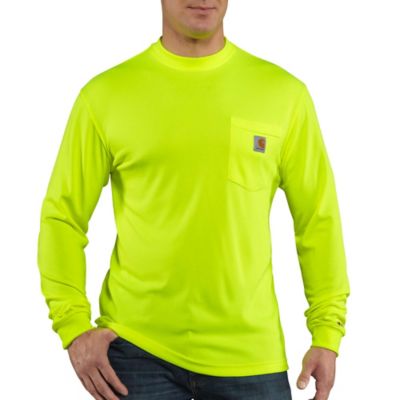
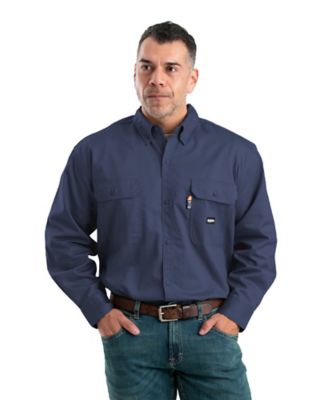
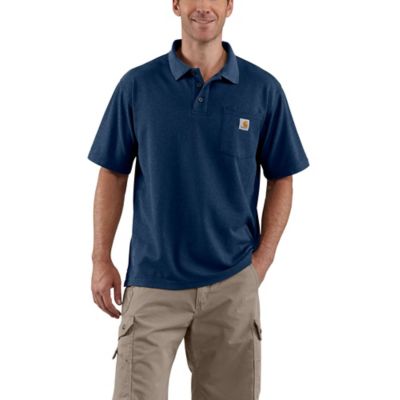
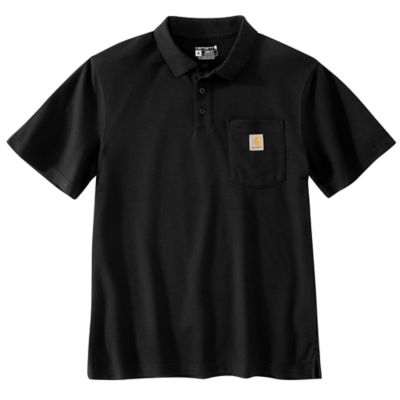
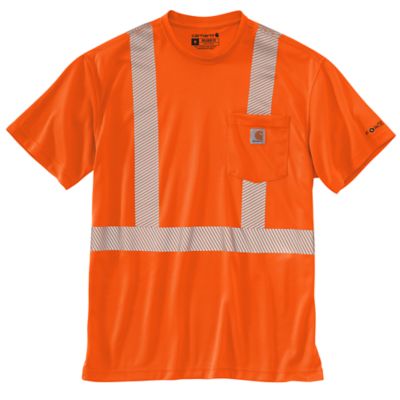
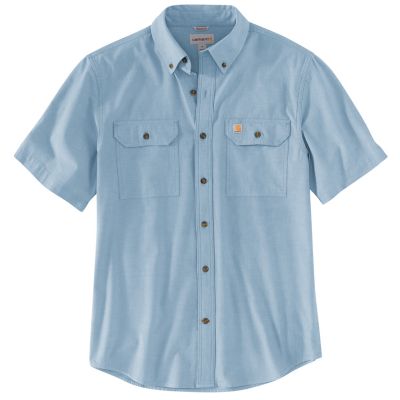
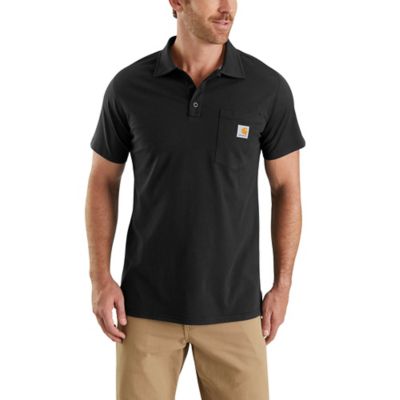
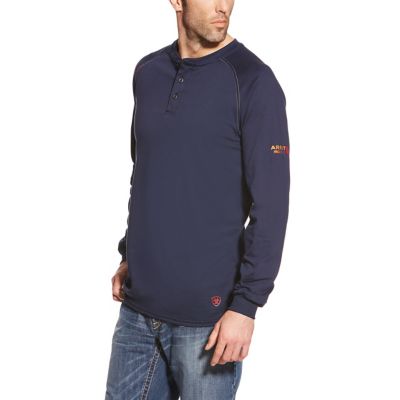
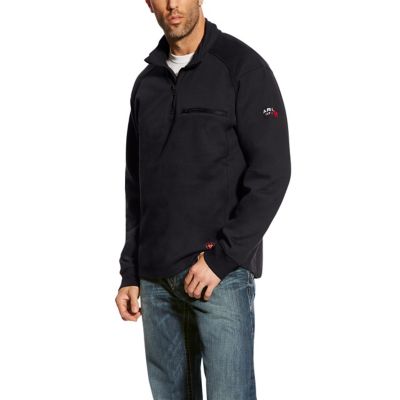
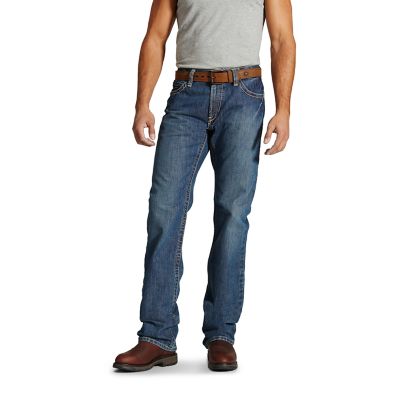
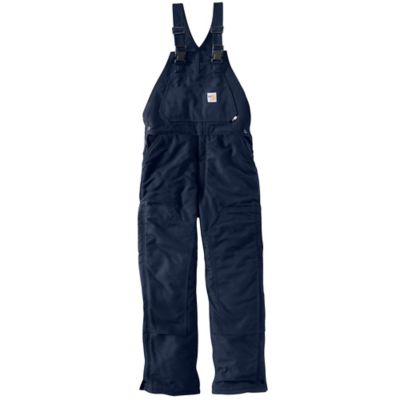
Flame resistant long sleeve shirts are made for people who work around heat, sparks, open flame, molten material, or electrical hazards and need more than an ordinary work shirt can offer. Welders, electricians, utility crews, oil and gas workers, maintenance technicians, mechanics, agricultural workers, and industrial teams may wear FR clothing as part of their daily jobsite gear. These shirts are designed to self-extinguish when an ignition source is removed, helping reduce the severity of burns compared with regular cotton or synthetic garments that may continue to burn or melt. Long sleeves also provide useful coverage from the wrist to the upper arm, along with an extra layer against hot sun, flying sparks, dust, and rough surfaces. They can be worn on their own during warmer working conditions or as a base layer beneath a jacket, coveralls, or other protective equipment when the weather turns cooler. For a shirt to provide the protection a job calls for, look beyond the words “flame resistant” and check the sewn-in label, product description, and safety documentation. Ratings and certifications are not interchangeable, and the right choice depends on the hazards present at a particular worksite. CAT 2, also called PPE Category 2, is commonly associated with work clothing intended for moderate arc-flash exposure, but an employer’s hazard assessment and clothing requirements should always guide the purchase. NFPA 70E addresses electrical safety in the workplace, while ASTM F1506 covers certain performance requirements for flame-resistant textile materials used by electrical workers. NFPA 2112 is an important standard for garments intended to help protect against flash-fire exposure. A shirt may meet one standard, several standards, or none of these, so take time to confirm the details instead of assuming every FR shirt is suitable for every task.
Choosing a flame resistant long sleeve shirt usually comes down to the job, the fit, and how often it will be worn. A worker spending long hours in a welding bay may appreciate a durable fabric with a comfortable collar, sleeves that stay in place, and enough room to move an arm across a workbench without the shirt riding up. Someone checking power lines or servicing equipment may need an arc-rated garment that works with the rest of the required electrical PPE. In oil, gas, and industrial settings, a shirt made for flash-fire protection may be a better match than a basic shop shirt. Weight matters, too. Lightweight jersey fabric can feel easier to wear during warmer weather or strenuous work, while a heavier weave may offer a more substantial feel during cooler months and rough daily use. Cotton-rich materials are often valued for their familiar feel and breathability, but shoppers should review the garment’s specific fiber content and FR treatment or construction. A good fit should allow comfortable movement without loose cuffs, hanging tails, or oversized areas that can snag on equipment. Look for features that suit the routine, such as button-front or pullover styling, rib-knit cuffs, a sturdy collar, chest pockets, pencil slots, or a tag-free neckline. Seams, buttons, and closures should be checked for secure construction, especially when the shirt will be worn hard and washed often. Follow the care instructions closely. Household bleach, fabric softeners, harsh stain removers, or unauthorized alterations can affect the garment’s protective performance, and an FR shirt should not be treated like an ordinary tee. Inspect it regularly for thinning fabric, holes, worn cuffs, damaged closures, heavy contamination, or other signs that it needs to be replaced. The garment’s protection is only one part of a safe system; proper training, gloves, eye protection, footwear, hearing protection, and any employer-required outer layers still have an important place on the job.
For many working folks, FR long sleeve shirts become part of a dependable rotation rather than something pulled out only for an occasional project. Keeping a few clean shirts ready in a locker, work truck, mudroom, or laundry room can make early starts easier, whether the day begins beside a welding table, at a jobsite gate, in a machine shed, or along a gravel road checking equipment. During warmer conditions, long sleeves can help limit direct sun exposure while providing the coverage required for sparks and other hazards. During cooler months, they make a practical first layer under insulated workwear without adding the bulk of a heavy coat. They can also be a thoughtful gift for a spouse, parent, neighbor, apprentice, or crew member who spends workdays around electrical equipment, farm machinery, heat, or open flame. Before giving one as a gift, it helps to know the person’s usual size, preferred fit, workplace rules, and required safety rating; an attractive shirt is not a substitute for the protection specified by the job. Some workers may prefer a traditional button-front style for layering, while others reach for a soft crewneck or henley-style shirt for everyday shop wear. If a shorter-sleeve option fits the work routine better, browse
Flame Resistant T Shirts for another layer choice, then compare the same details: hazard rating, applicable standards, fabric weight, fit, care instructions, and durability. Whether you are replacing worn workwear, outfitting a farm or industrial crew, or putting together a practical gift, choose garments that match the actual conditions instead of relying on a general label. Check the product information before buying, confirm that the shirt works with required PPE, and follow workplace guidance every time. The right FR long sleeve shirt should feel comfortable enough to wear through a full shift while providing clearly documented protection for the work at hand.