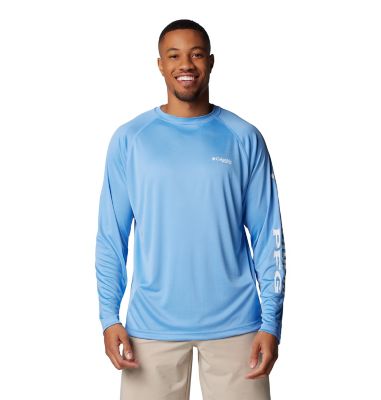
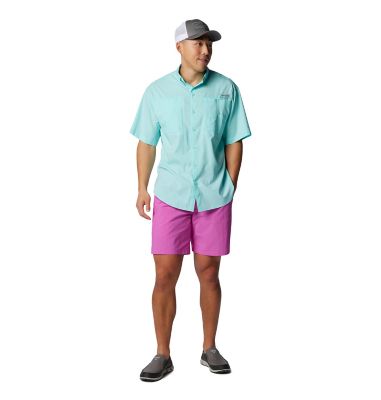
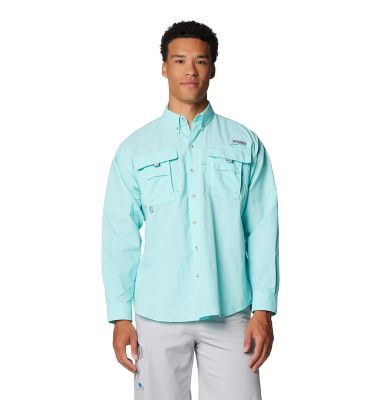
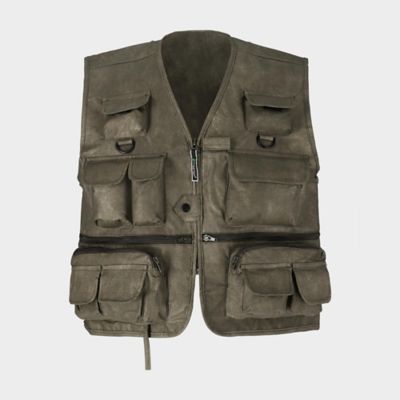
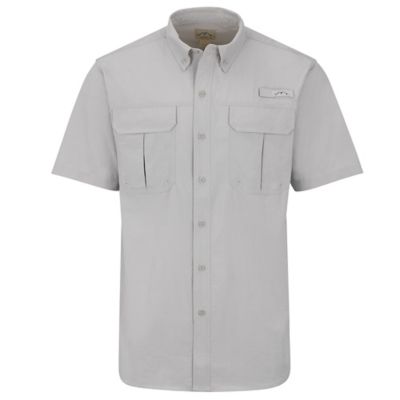
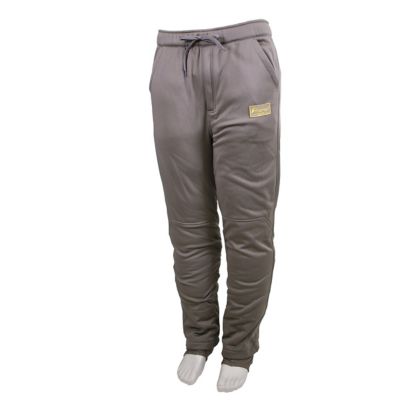
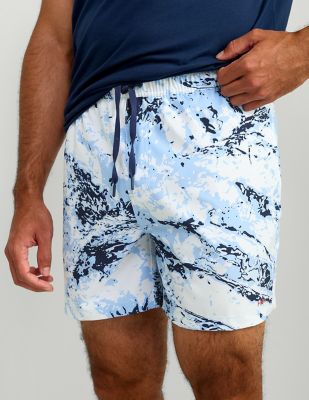
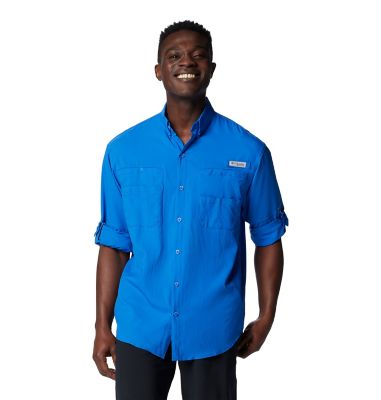
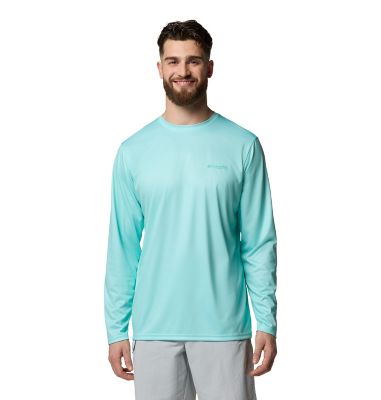
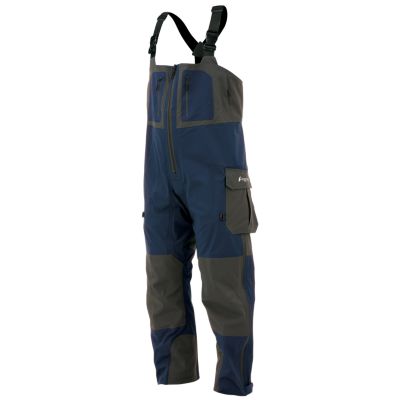
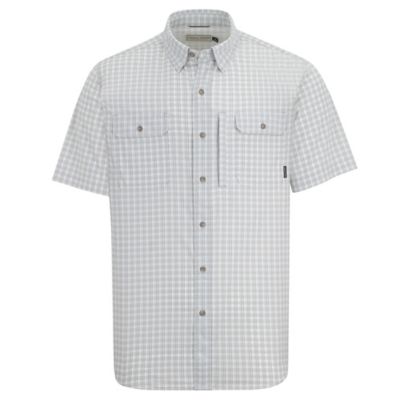
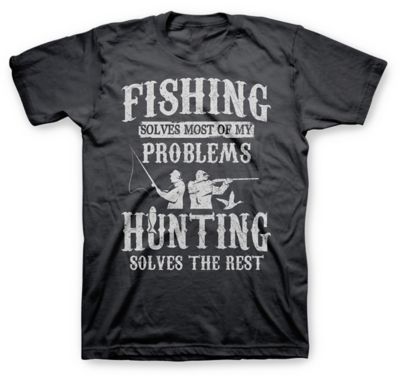
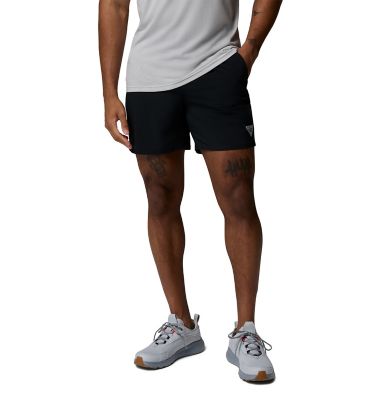
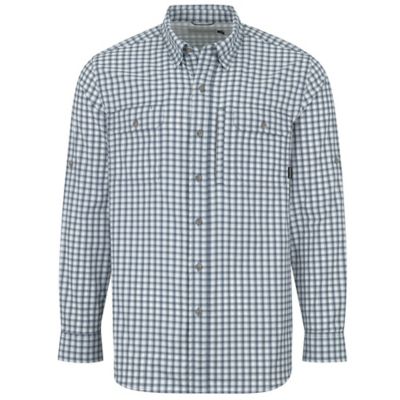
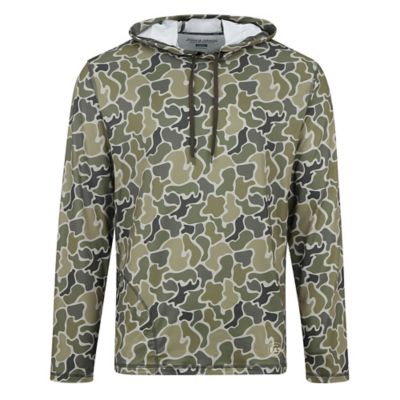
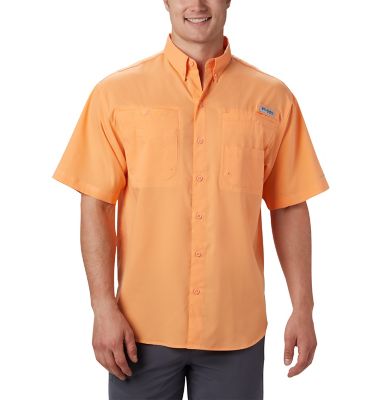
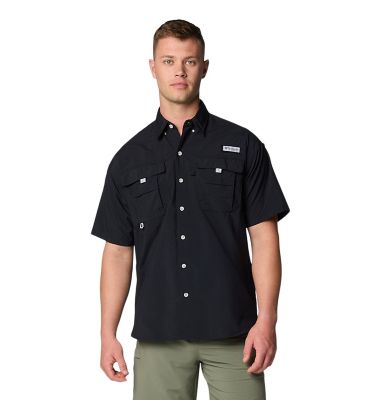
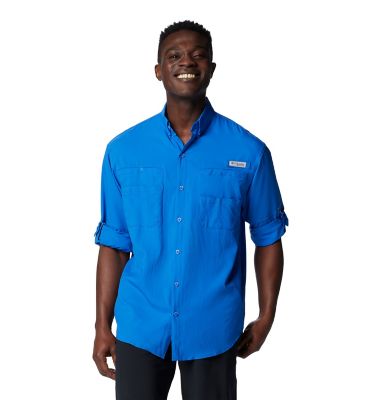
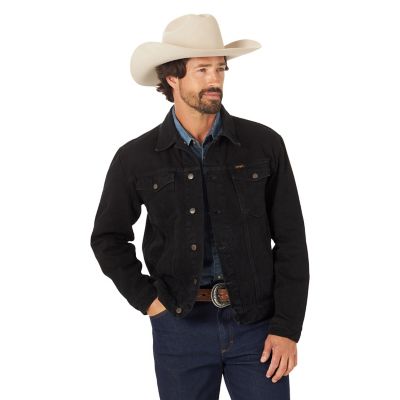
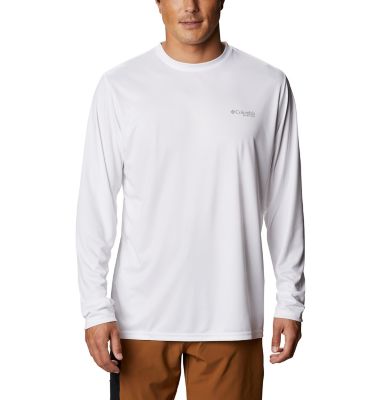
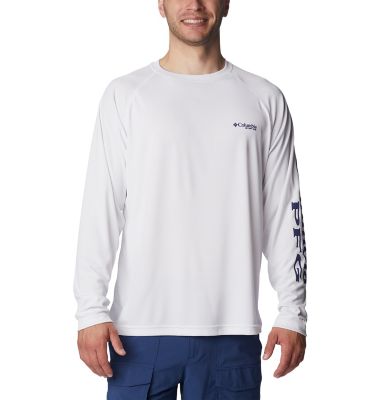
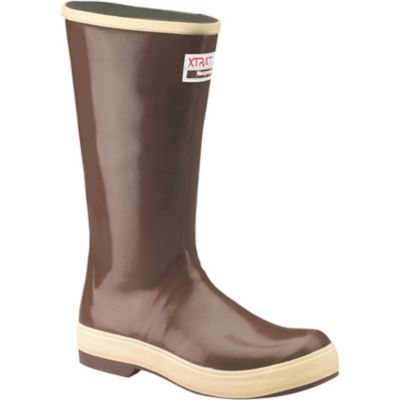
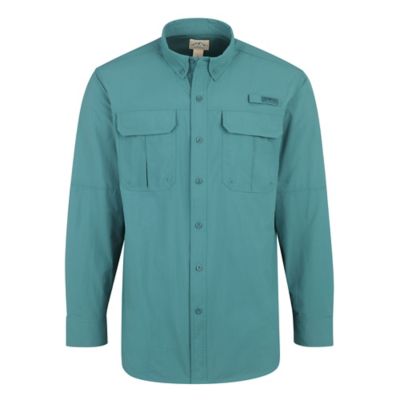
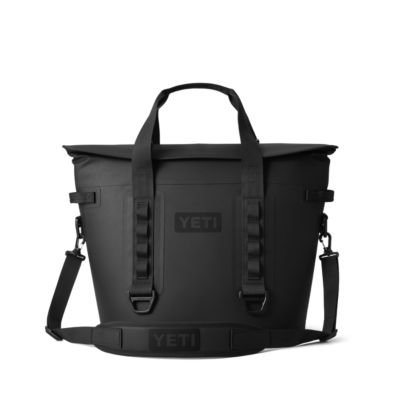
Fishing clothing helps make long days on the water more comfortable, whether you are casting from a farm pond, drifting across a lake, walking a riverbank, or working from the deck of a boat. The right layers can help manage sun, spray, wind, mud, and changing temperatures while giving you the freedom to reach, bend, wade, and handle your gear without feeling restricted. Start with a lightweight base layer made from quick-drying, moisture-wicking fabric. Unlike heavy cotton, performance fabrics pull sweat away from the skin and dry quickly after a hot hike to the water or an unexpected splash over the side of the boat. Long sleeves can help shield your arms from sun, brush, and biting insects, while built-in UPF protection adds another layer of coverage during bright days when the glare off the water seems to come from every direction. A vented fishing shirt can be especially handy in warm conditions, with breathable panels or mesh sections that encourage airflow without leaving you completely exposed. For additional coverage, look for a sun hoodie or lightweight pullover with a comfortable hood that fits over a cap. Quick-drying shorts work well when temperatures run high, especially around docks, shallow streams, and sandy shorelines, while durable pants offer more coverage when you are moving through tall grass, thorny brush, or rocky banks. Fit matters as much as fabric. Sleeves should allow a full casting motion, waistbands should stay put when you are climbing over a boat seat or scrambling down a bank, and pockets should hold small essentials without swinging around as you walk. Neutral colors can help hide mud and fish slime, while brighter details may improve visibility around boats, roads, and busy access points.
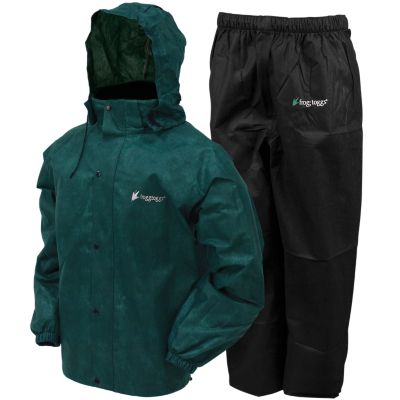
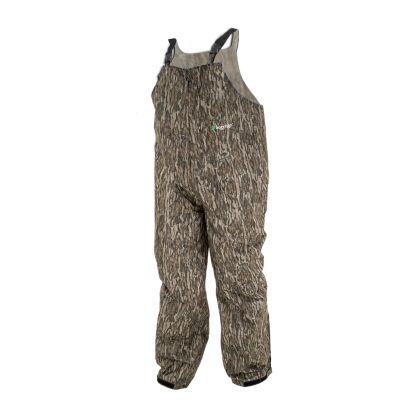
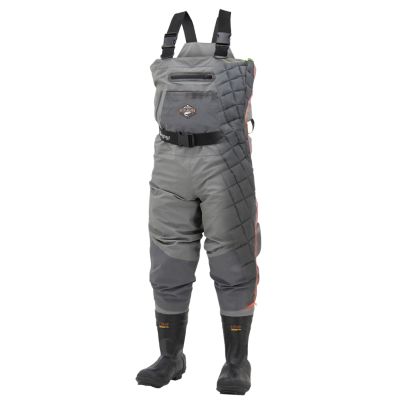
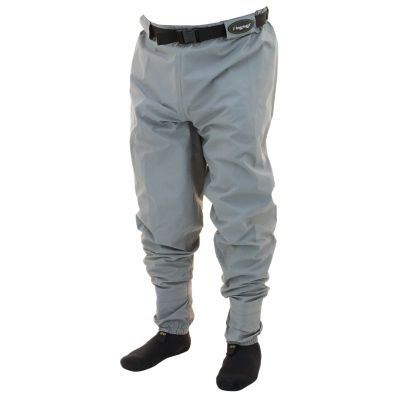
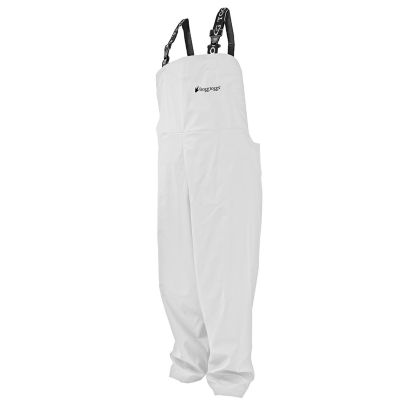
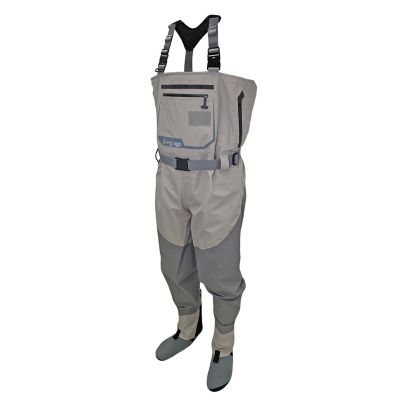
Conditions can change quickly around water, so a flexible layering system is often more useful than one heavy garment. During the cooler parts of the day, add a soft insulating layer that keeps warmth close without making your jacket feel bulky. Merino wool and other temperature-regulating materials can be useful for chilly starts because they help manage warmth and moisture, even when the morning begins crisp and the afternoon turns mild. Over that, a wind-resistant or water-resistant shell can take the sting out of a breeze and help keep you comfortable through mist, spray, and passing showers. For sustained rain or serious wet-weather fishing, choose outer layers with sealed seams, adjustable cuffs, a protective hood, and enough room to fit over the clothing underneath. Deep, secure pockets are useful for keeping a phone, license, keys, or small tackle items close, though anything valuable should still be protected from water. Anglers who spend time wading or fishing in cold, wet environments may need waterproof bibs or chest waders with sturdy construction and a fit that allows easy movement. Pay close attention to sizing, inseam, boot fit, and the type of layers you expect to wear underneath. Footwear deserves equal consideration: shoes or boots with dependable traction can help on slick boat decks, muddy banks, and wet river rocks, and a supportive fit can make a big difference after hours on your feet. A wide-brim hat or moisture-wicking cap helps reduce glare and protect the face, ears, and neck, while polarized sunglasses make it easier to see through surface glare and spot changes in the water. Keep a spare layer and dry socks in a waterproof bag, because a small amount of preparation can turn an uncomfortable outing into one you remember for the fish instead of the weather. These details are useful for seasoned anglers, weekend pond fishers, children learning to cast, and anyone joining a family trip where the day may stretch well past the original plan.
Fishing clothing also makes a practical gift for the angler who is always ready to head out before sunrise. A lightweight sun shirt, vented top, quick-dry bottoms, warm layer, or weatherproof jacket can complement equipment the recipient already owns without requiring you to know the exact size or style of their fishing rod and tackle. For a more personal gift, consider the places they spend time fishing and the conditions they regularly face. Someone who fishes open water may appreciate sun protection, ventilation, and water-resistant layers, while a river angler may get more use from rugged pants, grippy footwear, and clothing that dries quickly after wading. A person who fishes from shore may value pockets, brush protection, and comfortable walking layers, and a new angler may benefit from versatile pieces that work for fishing, camping, yard work, and other outdoor chores. Clothing should be cared for according to its fabric and finish: wash performance garments as directed, avoid products that can reduce moisture-wicking or water-resistant treatments, and let wet layers dry fully before storing them. Check fasteners, seams, cuffs, and boot soles from time to time, especially after trips through salt spray, silt, or rough terrain. Whether you are replacing worn-out layers or building a reliable outfit from the ground up, browsing
Fisherman Wear can help you find clothing suited to time on the water and the work of getting there. The best fishing clothing fades into the background once the day gets going: it keeps the sun off your shoulders, takes the chill out of a breeze, sheds a little rain, and lets you focus on the cast, the current, and that sudden tug at the end of the line.