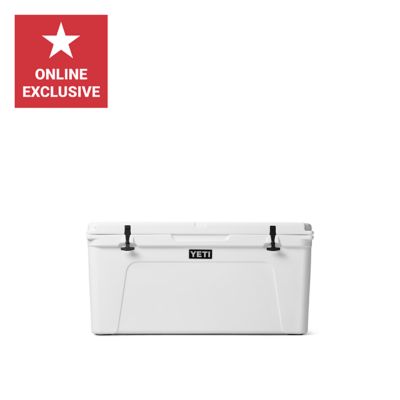
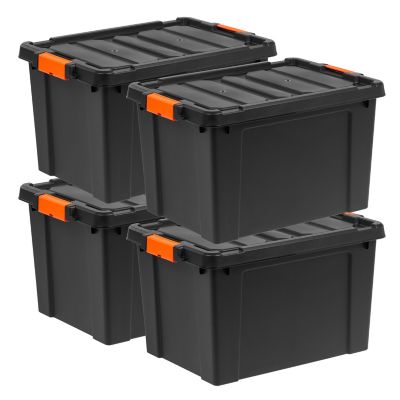
Fisherman gear covers the everyday equipment that helps make time on the water more comfortable, organized, and productive, whether you fish from a jon boat, the bank of a farm pond, a dock, or a shoreline along a larger lake. A dependable rod and reel setup is a good place to start, but the best choice depends on the kind of fish you pursue, the water you fish, and the way you like to cast. A lighter setup can make smaller fish feel lively and is often easy for young anglers to handle, while medium- and heavier-power combinations offer more strength for larger species, thicker cover, or stronger current. Pay attention to rod length, power, and action, then match the reel and line so the whole setup feels balanced in your hands. Spinning gear is a practical choice for many beginners and experienced anglers because it handles a wide range of baits and casting styles. Line selection matters, too: monofilament is forgiving and floats well for many basic applications, fluorocarbon is less visible underwater and useful around clear water, and braided line offers strength and sensitivity when fishing heavy cover. From there, build out a tackle supply with hooks, sinkers, swivels, bobbers, jigs, soft baits, and hard lures suited to the species and conditions you expect to encounter. Assorted sizes are handy when fish change their habits with water temperature, light, and pressure. A well-organized tackle box or utility case keeps those small pieces from becoming a tangled mess at the bottom of a boat or bucket. Clear compartments make it easier to find the right hook or weight when the bite turns on, and a waterproof design helps protect tackle during spray, rain, and wet rides back to the ramp.
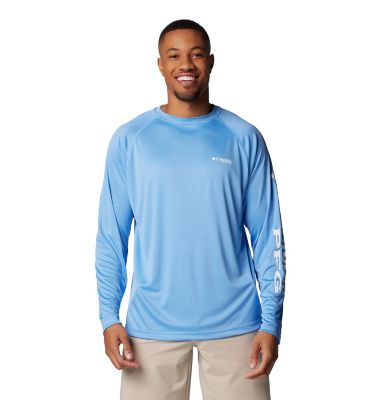
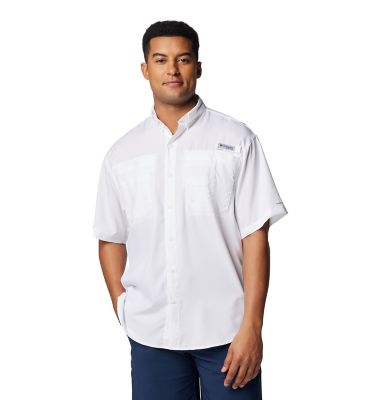
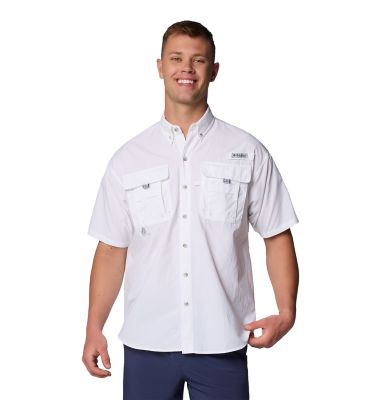
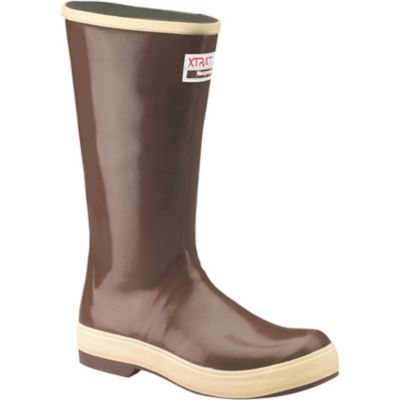
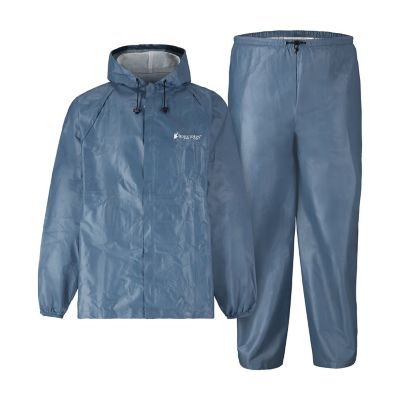
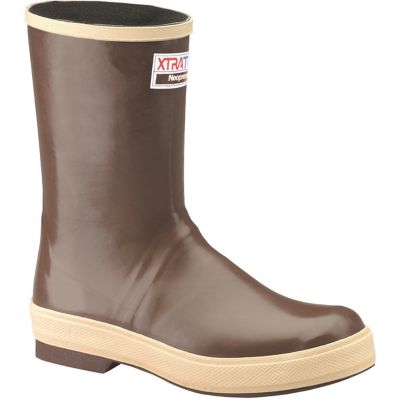
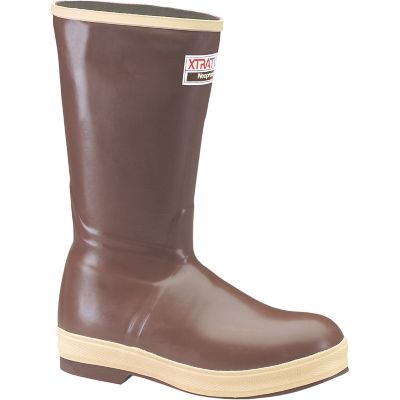
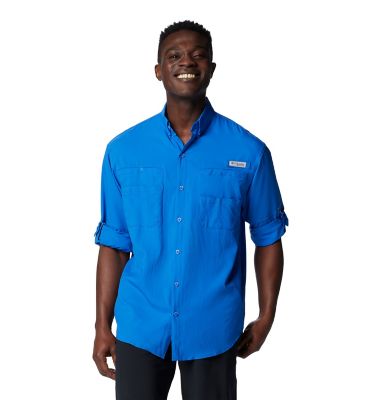
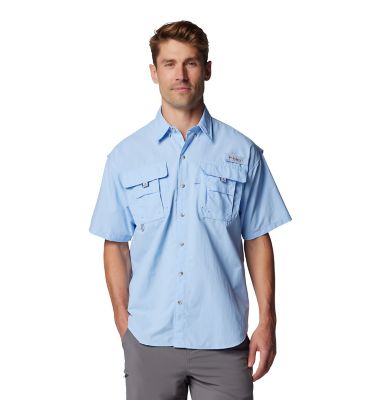
The right fishing accessories can save time, protect your hands, and make a long day outside feel a whole lot easier. Fishing pliers help remove hooks, crimp sleeves, open split rings, and handle slippery fish without putting your fingers too close to sharp points. Line clippers or a compact cutting tool belong in a pocket or tackle tray for quick changes, while a landing net can help bring a fish aboard with less stress on the fish and less scrambling around the boat. If you clean your catch, choose a sharp fillet knife with a secure sheath and keep it stored safely when it is not in use. A measuring tool, fish stringer or livewell setup, and a small first-aid kit can also earn their place in a basic fishing loadout. Comfortable clothing is just as important as tackle. Lightweight, breathable layers help during bright, warm afternoons, and an extra insulating layer is useful when the air turns cool around sunrise or late in the season. Polarized sunglasses reduce glare bouncing off the water, making it easier to watch a float, follow a lure, or spot submerged rocks and weed beds. A wide-brim hat, sunscreen, and gloves add protection during long hours outdoors. Weather can change quickly around open water, so pack a dependable outer layer and consider
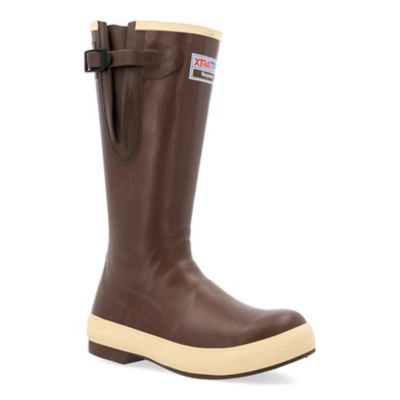
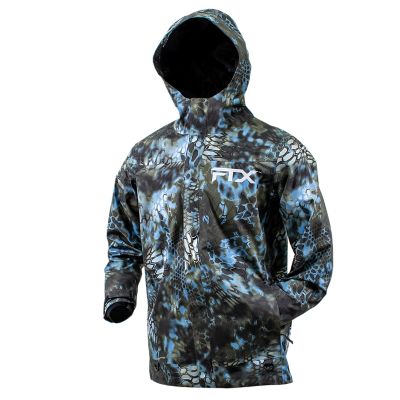
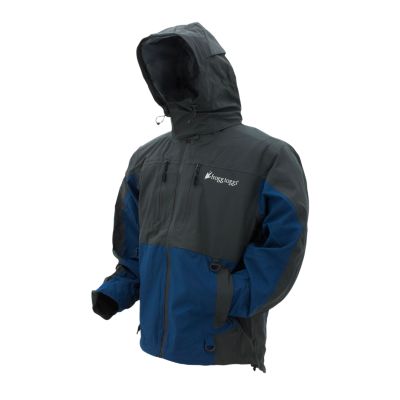
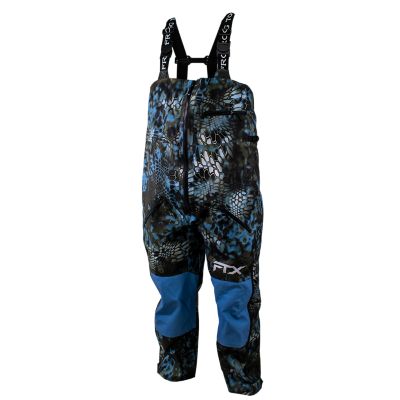
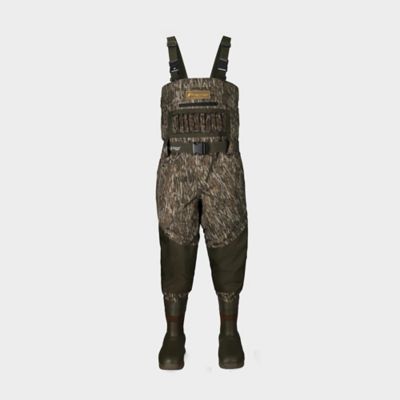
Fisherman Rain Gear for drizzly boat rides, damp bank fishing, and unexpected showers. Keep spare socks, a towel, and a dry shirt in a sealed bag; that simple habit has rescued many otherwise chilly fishing trips. During the cooler months, dressing in layers is especially helpful because early mornings near the water can feel much colder than the truck or cabin, while midday sunshine may call for a lighter layer.
Fisherman gear also makes a thoughtful gift for the person who always has a fishing story ready, from a first-time angler learning to cast to a seasoned hand who knows every bend in the local creek. For a beginner, a practical assortment of tackle, an easy-to-use rod and reel, or a sturdy tackle box can provide a solid foundation without making the setup complicated. For an experienced fisherman, useful accessories are often the safest bet because they can be added to an established collection and put to work right away. Extra line, terminal tackle, lure storage, polarized eyewear, rain protection, and durable outdoor clothing are helpful gifts for bank anglers, boat owners, camp visitors, and anyone who spends weekends near the water. Families may want to choose gear that is simple to carry and easy to use, especially when children are learning how to bait a hook, cast toward a shaded shoreline, or reel in their first bluegill. Anglers heading to saltwater should look for corrosion-resistant components and rinse gear with fresh water after each trip, while freshwater fishermen can focus on line strength, hook size, and lures that match local species. Before purchasing, consider the fishing location, target fish, storage space, expected weather, and the angler’s experience level. Good gear does not have to be complicated; it needs to fit the job, hold up to regular use, and be ready when a quiet stretch of water suddenly comes alive. From the soft splash of a bobber beside the reeds to the steady pull of a fish near the boat, the right equipment helps anglers spend less time hunting for misplaced tackle and more time enjoying the water, the weather, and the company along the way.