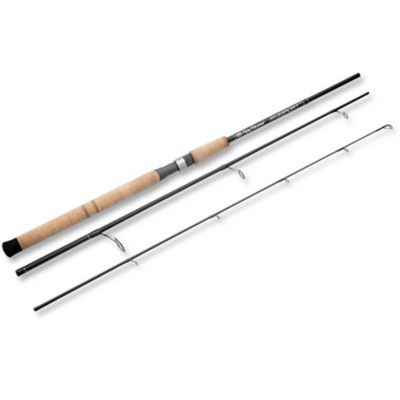
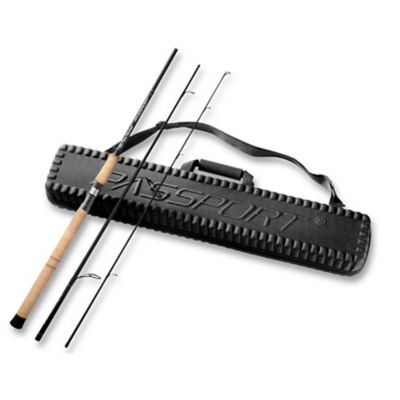
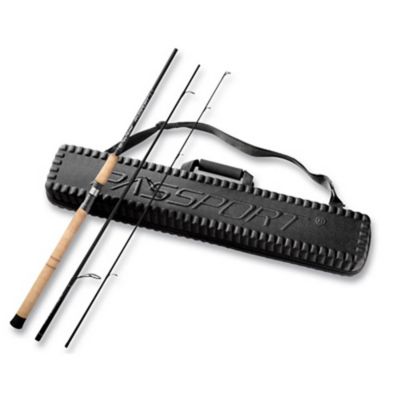
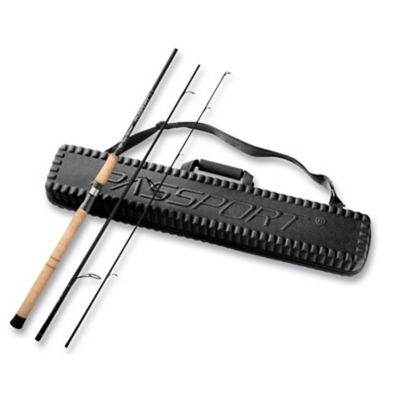
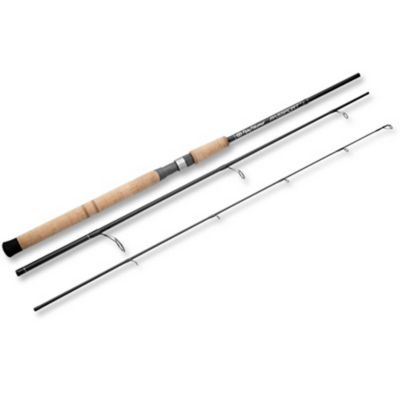
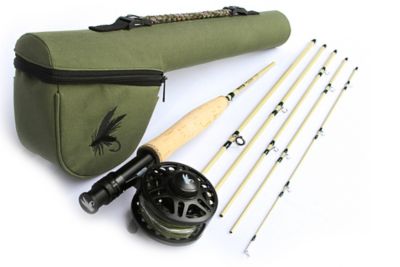
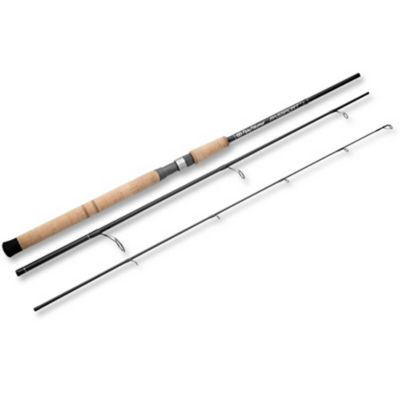
Portable fishing gear makes it easier to keep a rod and a few basic tackle supplies close at hand, whether you are heading to a farm pond, walking down to a riverbank, packing for a camping trip or tossing gear in the truck for a weekend away. The biggest advantage is simple: portable setups are made to take up less room without taking the fun out of fishing. Telescopic rods collapse into a compact length that can fit in a backpack, under a truck seat or behind the front seat of a car. Multi-piece travel rods break down into several sections and often come with a case that helps protect the rod during transport. Compact spinning outfits and all-in-one kits can combine a travel-friendly rod, reel and basic tackle storage in one convenient setup, while hand-line reels offer an even simpler option for anglers who want to carry only the essentials. Each style has its place. A telescoping rod is handy for quick stops and casual casting, a multi-piece rod can provide a more familiar feel for longer fishing trips, and a handline works well for minimalist outings around quiet water. When comparing portable fishing gear, start with the kind of fishing you expect to do and the fish you plan to target. Small panfish and stocked trout usually call for lighter tackle, while larger bass or rougher water may require a sturdier rod, stronger line and a reel with enough capacity for longer runs. Rod length, power and action all affect how a setup casts and handles a fish, so matching those details to your local waters can make the outing more comfortable. A short, light setup is easy for children and beginners to manage, especially from a dock or shaded bank, while a slightly longer rod can help an experienced angler cast farther from shore. Pay attention to the collapsed length, assembled length and total weight, since those measurements matter when gear is carried over a trail or packed alongside camping supplies.
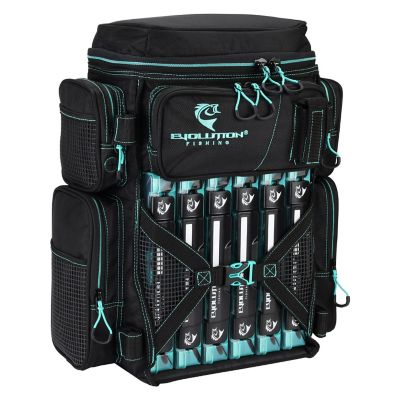
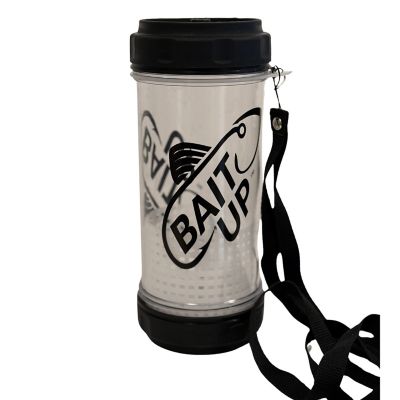
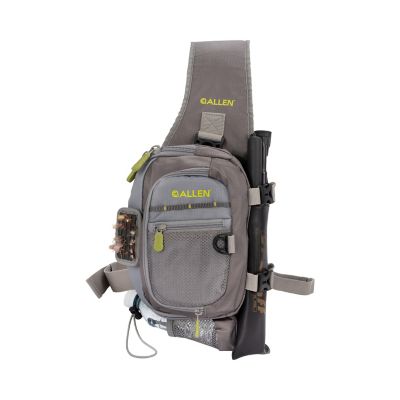
The best portable fishing gear is gear you will actually bring along. Look for a setup that opens and packs away without a struggle, with sections that fit together securely and guides that stay aligned. A comfortable handle and smooth reel can make a noticeable difference after an afternoon of casting, especially when the fish are slow and patience becomes part of the plan. A padded case is useful for protecting rod sections from bumps, while a compact tackle compartment keeps hooks, sinkers, bobbers, lures and extra line from rattling loose in a pack. If you are traveling by car, a slightly larger kit may be perfectly practical; if you are hiking, bicycling or flying, every inch and ounce deserves a closer look. Check whether the rod is designed for the line weight and lure weight you intend to use, and make sure the reel is easy to operate with the hand you prefer. Portable gear is also a smart choice for anglers who fish in more than one place. One day it may ride in a canoe for a quiet morning of casting along the bank, and the next it may be carried to a family campground where a child is learning to feel the first tap of a bluegill. For folks who keep a cabin, travel between properties or spend long days working outdoors, a compact fishing setup can turn a spare half hour into a peaceful break. It also makes a thoughtful gift for a new angler, a camper, a college student with limited storage or anyone who enjoys finding small fishing spots away from crowded boat ramps. A complete portable kit can be especially useful for a beginner because it gives them a manageable starting point, while a more experienced angler may appreciate a backup setup for the truck, tackle room or travel bag. During warmer stretches, portable gear is convenient for early-morning trips before the heat settles in, and during cooler months it can be tucked into a vehicle for those crisp afternoons when the water is calm and the shoreline is quiet.
Taking care of compact fishing gear helps it stay ready for the next trip. Rinse rods, reels and tackle after use, particularly if they have been exposed to muddy water, sand or salt spray. Let everything dry fully before closing it in a case or storage compartment, since trapped moisture can lead to corrosion, unpleasant odors or damage to line. Telescoping rods deserve a little extra attention: extend each section carefully, keep grit out of the joints and avoid forcing a section if it feels stuck. With multi-piece rods, inspect the connection points and guides before casting, then break the rod down gently instead of twisting sections too hard. Check line for frays after fishing around rocks, brush or dock edges, and replace worn hooks or damaged knots before the next outing. A small amount of spare line, a few commonly used hooks, basic weights and a pair of line clippers can cover many everyday situations without weighing down a pack. Keep any bait, sharp tackle and tools organized so they are easy to reach and safely away from children or pets. Portable gear is meant to make fishing more approachable, not more complicated, whether it is used for a quick cast after chores, a family day beside the pond or a backcountry trip where every piece of equipment has to earn its place. Anglers heading into powerful offshore waters will generally need equipment built for heavier line, larger fish and demanding conditions; for those trips, explore
Deep Sea Fishing Gear. For freshwater outings, travel, camping and everyday use, a compact rod-and-reel setup or simple handline can provide a dependable way to keep fishing close, pack light and make the most of a quiet stretch of water.