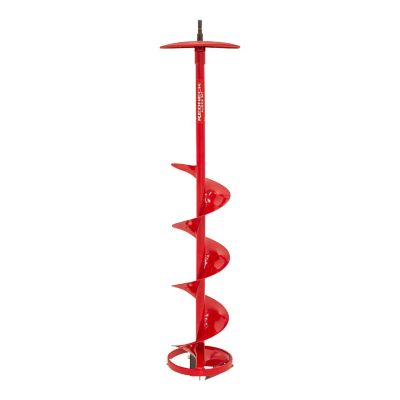
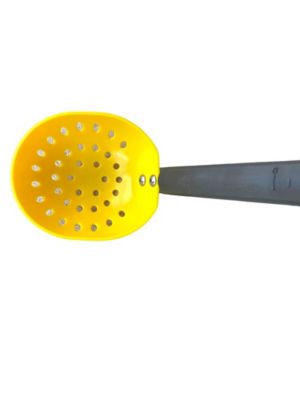
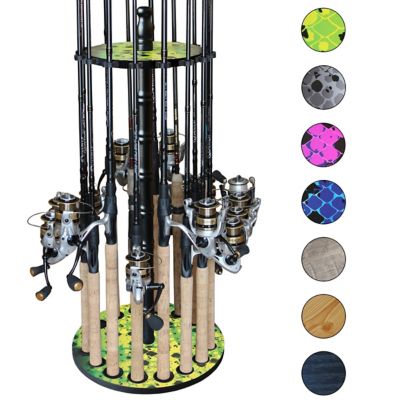
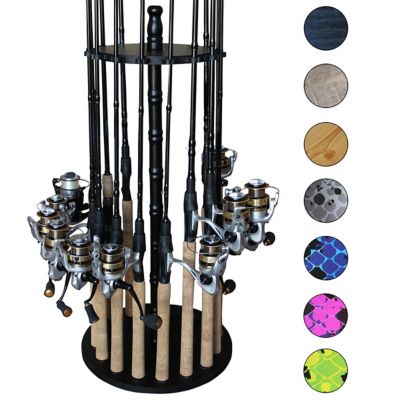
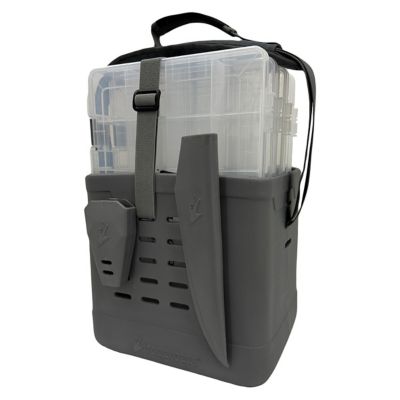
Ice fishing accessories cover the supporting gear that keeps tackle organized, fishing holes clear, equipment close at hand and footing more secure on frozen surfaces. Common categories include tackle storage, rod holders, hole skimmers, gear sleds, traction aids, ice picks, seating and shelter accessories. The right mix depends on whether the outing means a short walk to a familiar pond or a longer haul across a lake with several rods and a shelter in tow. Around the fishing hole, small details make a difference. A skimmer with a comfortable grip and a head sized for the opening helps clear floating slush without crowding the line. Handles with enough reach can reduce bending, while a hanging loop keeps the tool within reach instead of buried beneath loose gear. Rod holders offer a place for a rod between bites, with fit depending on the handle shape, rod length and mounting surface. A compact setup leaves room to move without knocking tackle into the water, especially when several anglers share a shelter. Tackle organizers with divided compartments help separate small jigs, hooks and weights so a color or size change does not turn into a search through the bottom of a bag. Latches that are manageable with cold fingers and compartments that keep tiny pieces from slipping between sections are worth a closer look. For anglers who fish with gloves, larger zipper pulls and easy-grip handles can be more practical than small hardware. Cold-weather materials matter here, too: plastic components should be intended for freezing temperatures, metal parts benefit from corrosion resistance, and soft-sided storage needs fabric that can handle damp floors and repeated handling. Water-resistant construction helps with splashes and melting snow, but it does not necessarily mean a bag can sit in standing water without moisture getting inside. Clear dimensions and closure details help match storage to the tackle and space involved, whether everything rides in one sled or stays packed for a quick trip after chores.
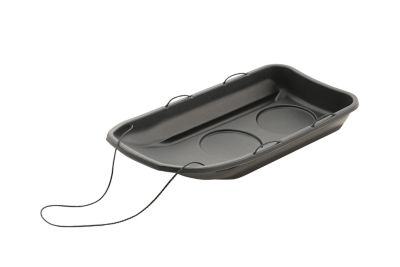
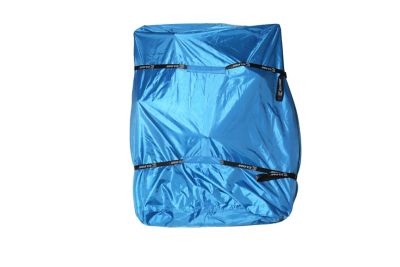
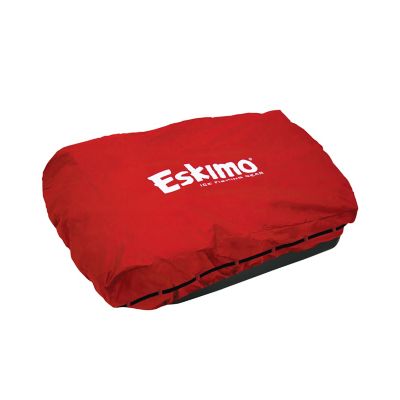
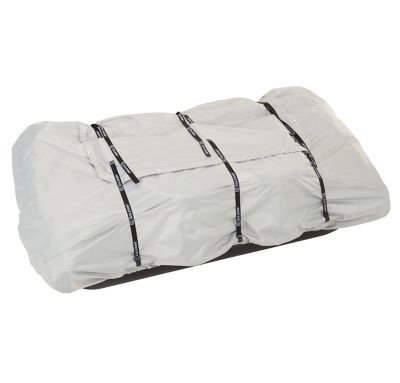
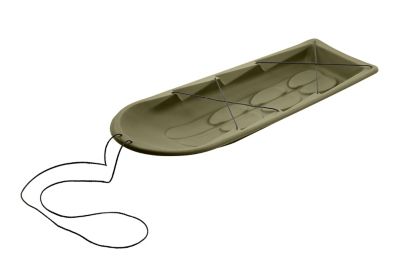
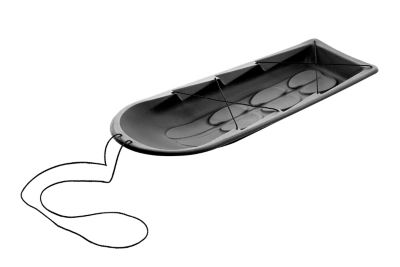
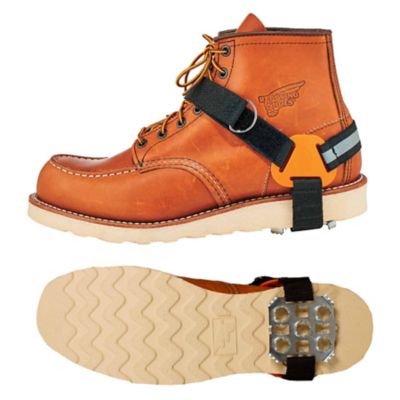
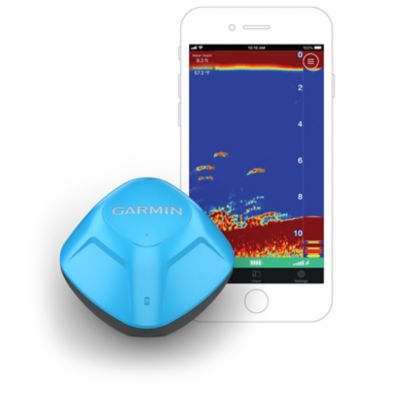
Getting gear to the fishing spot is another big part of an ice setup. Sleds and hauling accessories help keep rods, seating and tackle together instead of spread across several armloads. A broad base, suitable load capacity and attachment points matter when the route includes packed snow, rough frozen patches or a shoreline approach with uneven ground. The size of the load also affects how comfortably the gear fits through a shelter entrance and how much room remains around the fishing holes. Tie-downs and covered storage help keep lightweight pieces from shifting or blowing loose, while smooth contact points reduce the chance of snagging fabric or fishing line. For someone walking farther from shore, the weight of the accessories themselves deserves as much attention as storage space. Foot traction and emergency gear serve a different purpose from tackle management, but they belong in the same conversation. Traction aids need to fit the actual boots worn on the ice, with secure straps or stretch frames that stay seated around the sole. A loose fit can shift underfoot, while an overly tight fit can make removal difficult with gloves on. Ice picks, accessible throw ropes and flotation equipment intended for the activity support preparation for an emergency; none makes uncertain ice safe. Ice thickness and strength can vary across the same body of water, particularly near moving water, shorelines and submerged structures. Local conditions, posted restrictions and guidance from knowledgeable local authorities remain important regardless of the gear along for the trip. Visibility also matters when daylight fades or blowing snow cuts the view. Lighting with glove-friendly controls can help with tying knots, sorting tackle and packing up, while reflective details make bags and shelter components easier to spot in a beam of light. Battery compartments and charging connections need protection from moisture, and cold conditions can shorten battery runtime. Keeping compatible power supplies organized helps prevent a dead light or fish-finding display from interrupting a carefully planned outing.
Comfort accessories earn their place when a quick stop stretches into several hours over the same hole. Seating height affects how easily an angler can watch a rod tip, reach tackle and stand up without climbing around nearby equipment. A broad seat, stable footing and a listed weight capacity suited to the person sitting on it are more useful considerations than appearance alone. Insulating pads can separate clothing from cold surfaces, while shelter storage pockets and gear hooks help keep gloves and small essentials off a wet floor. Space is often tight, so folded dimensions and mounting compatibility matter just as much as the size of an accessory when open. A solo angler may favor a lighter setup that packs into a sled, while a family outing can call for more seating, additional storage and enough room to keep sharp tackle away from little hands. Portable warmth accessories also need to suit the setting and follow their labeled directions, particularly around children, fabric and enclosed spaces. Care between trips helps keep the whole setup ready for another outing. Slush and lake water can linger inside bags, around hinges and beneath padded seats, making drying time important before everything goes back into storage. Rinsing away grit where the material allows, wiping metal surfaces and checking straps, latches and stitching can reveal small problems before the next trip. Sharp points need covered storage, and electronics belong in cases that protect screens and connections during transport.
Boat Fishing Accessories address some of the same tackle-storage and equipment-organization needs, though ice-specific gear must also suit frozen surfaces and cold handling. For a gift, accessories that fit an angler’s existing setup are a sensible place to start. Matching boot size, storage dimensions, mounting style or charging requirements helps turn a thoughtful present into something that earns a regular spot beside the tackle bag. Whether the recipient fishes close to home or heads out before daylight, practical gear supports the small routines that make a day on the ice more comfortable and organized.