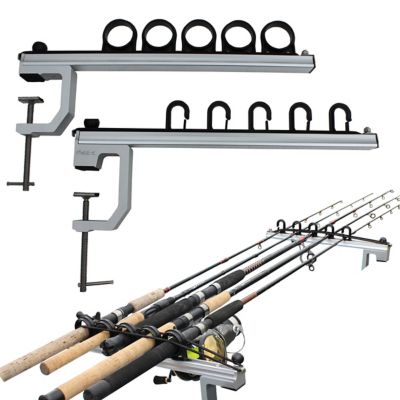
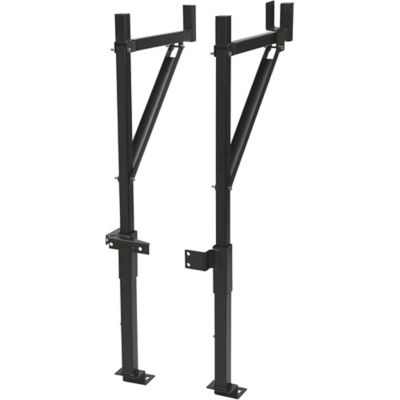
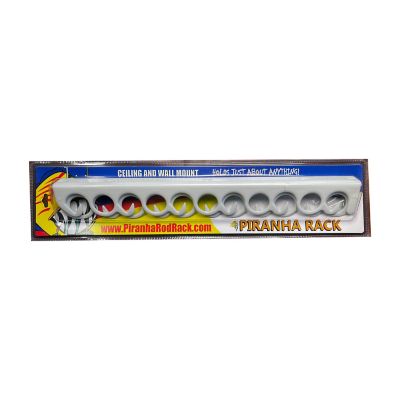
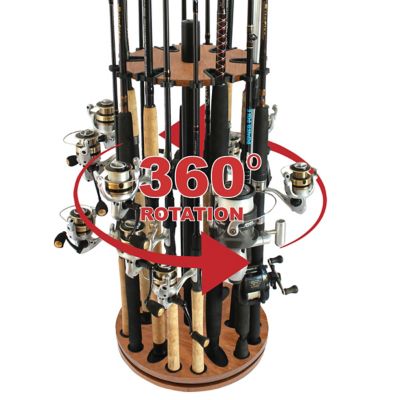
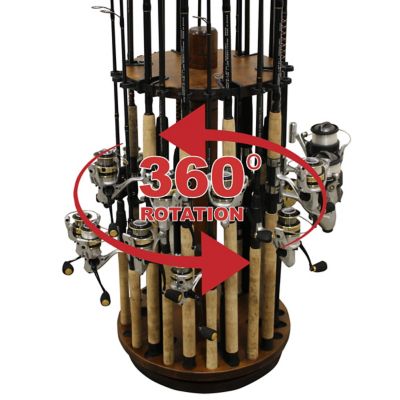
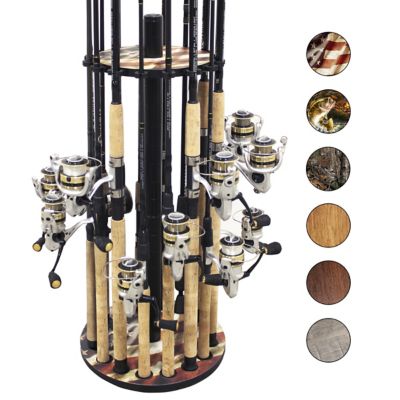
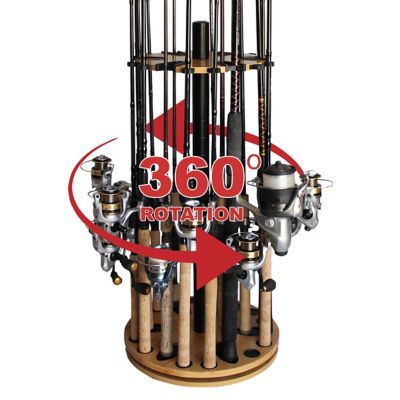
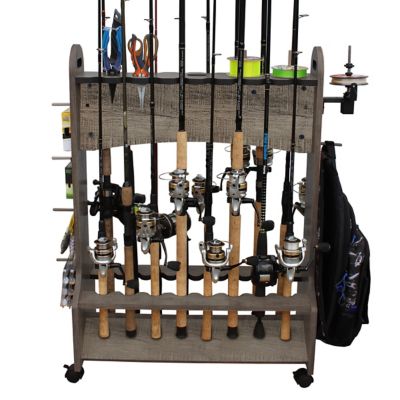
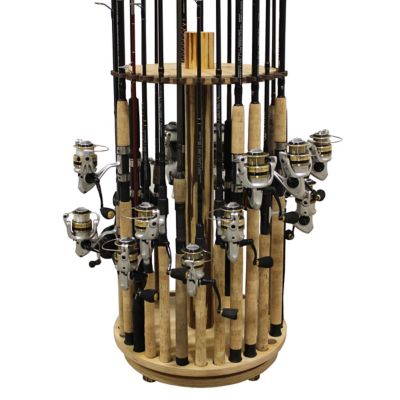
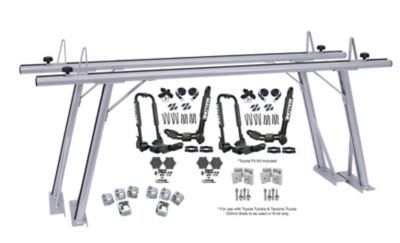
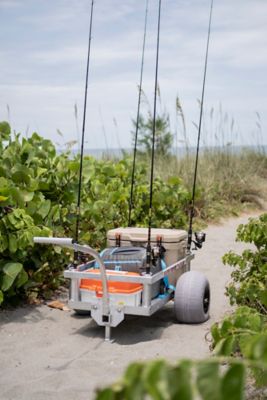
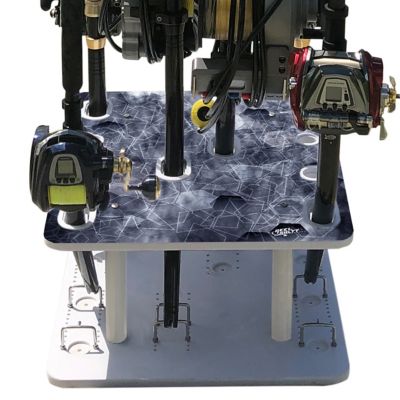
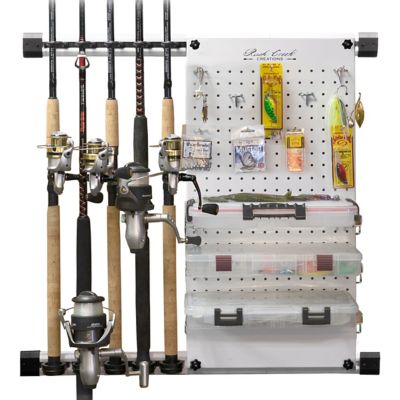
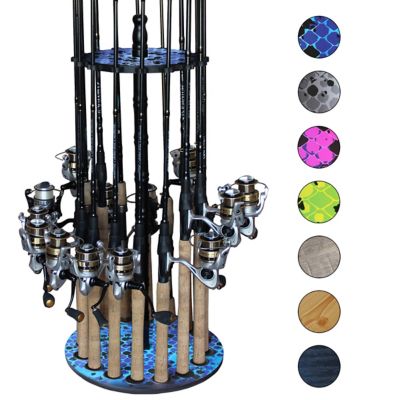
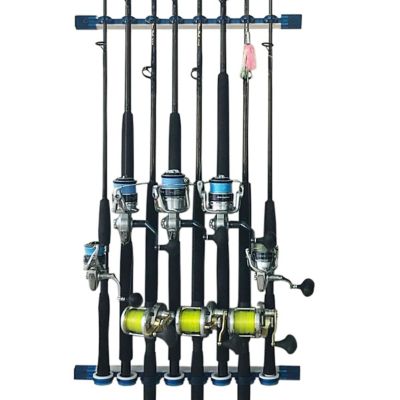
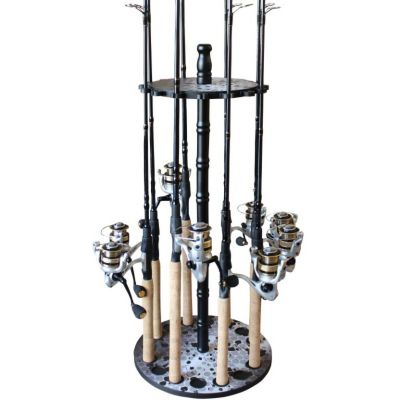
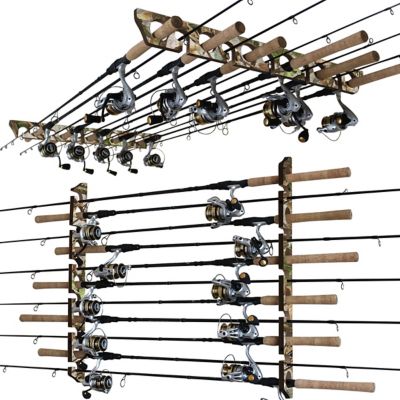
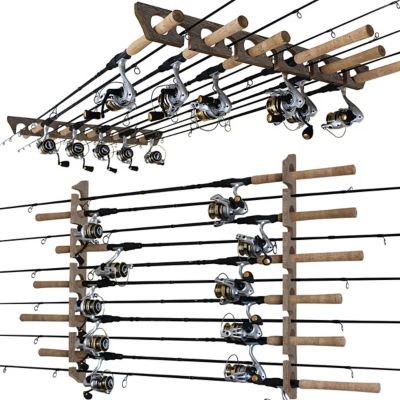
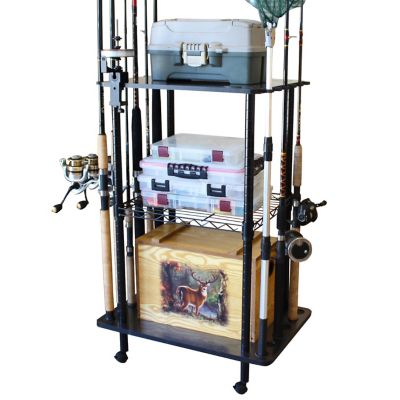
A fishing rod rack for a truck gives rods and reels a place of their own, leaving less tackle tangled across the seat and more room for the rest of the load. Whether the destination is a farm pond, a boat ramp, or a stretch of river down a gravel road, a rack helps keep fishing gear organized between stops. Inside a pickup bed, loose rods can roll against a toolbox, slide beneath a cooler, or catch under another piece of gear when everything gets unloaded. A properly fitted rack helps separate those long, slender blanks from heavier cargo while keeping favorite setups together for the ride. Different mounting styles suit different trucks and fishing habits, from holders positioned along a bed rail to arrangements that carry rods horizontally beneath a compatible truck cap. Some racks support rods upright, while others hold them at an angle or stretch them along the length of the bed. Upright arrangements may leave more floor space for tackle bags and other cargo, but rod height and overhead clearance remain important parts of the fit. Horizontal arrangements can keep rods lower, though the length of the rod and the distance between support points matter just as much as bed size. The best match gives each rod enough support without pressing on line guides, crowding reel handles, or forcing a tip against the cab or tailgate. A rack with well-spaced holders can also make it easier to tell a spinning setup from a casting setup before heading toward the water. For anglers hauling several rods, that separation means less time sorting crossed lines and more time choosing the right setup for the next fishing spot. Retaining straps, enclosed holders, and other travel restraints deserve attention, since a place to rest a rod at the bank is not necessarily a system intended to carry it down the highway.
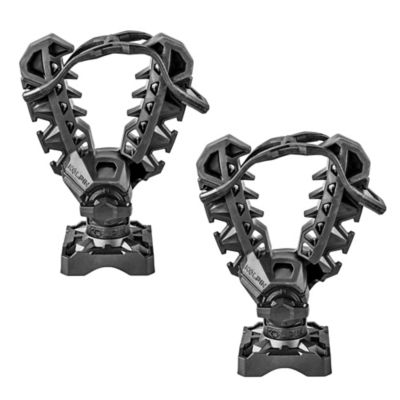
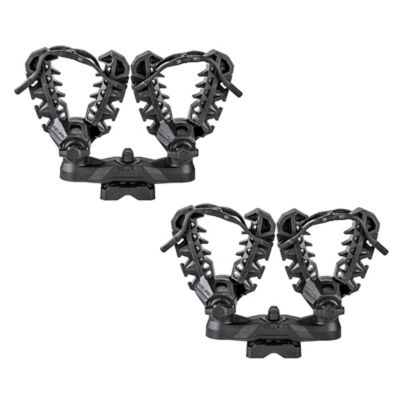
Materials and mounting hardware play a big part in how a truck fishing rod rack holds up to repeated trips. Aluminum frames can help keep carrier weight down, while steel designs may offer a sturdy framework for multiple rods when paired with the right mounting points. Coatings and corrosion-resistant hardware are worth considering around wet gear, boat ramps, and saltwater fishing, where moisture and residue can collect around fasteners and joints. Molded holders offer another approach, with the frame, mounting bracket, and rod-contact surfaces all contributing to the overall setup. Smooth edges, cushioned supports, and protective liners can help limit rubbing where handles or blanks touch the rack, especially over rutted access roads. Padding should fit the rod rather than squeeze it, and a holder needs enough clearance for the reel seat, grip shape, and any larger hardware near the handle. A short spinning rod and a long surf rod put very different demands on a carrier, so rod length, handle diameter, reel size, and total carrying capacity all matter. Fit also reaches beyond the rods themselves: truck bed width, rail shape, bed liners, toolboxes, caps, and tonneau covers can affect where a rack will sit. Clamp-on mounting can suit certain bed rails, while other arrangements require brackets or permanent attachment points specified by the manufacturer. A tailgate that closes freely, a cover that can open, and access to tie-down points all make a difference when the truck still has regular hauling chores. Receiver-mounted arrangements bring their own checks, including receiver fit, load limits, and clearance around the tailgate, trailer connections, lights, and license plate. Any carrier should match its stated road-travel purpose and remain within the limits of the rack, its mounting hardware, and the truck. Locking features may add another layer of protection where offered, but a rod holder and a theft-resistant storage system are not automatically the same thing.
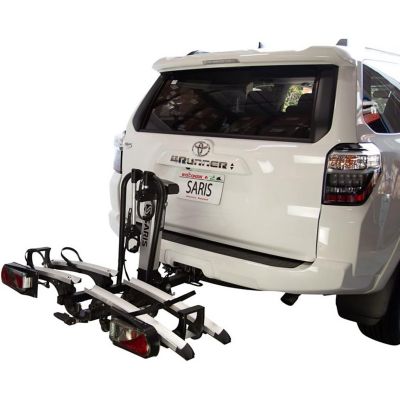
For a pickup that earns its keep all week, a rod rack works best when it fits around the rest of the truck’s jobs. Someone carrying fence supplies one day and fishing gear the next may appreciate a removable arrangement, while an angler who makes frequent trips may prefer a rack that stays mounted without blocking essential bed space. Families can benefit from separate holders that keep shorter rods apart from longer setups, and fishing partners can load their own gear without stacking reels on top of one another. The way rods come out matters, too: accessible release points and enough room to lift each handle help avoid bumping a neighboring rod or dragging a tip across the truck. Hooks, lures, and loose line still need their own attention, with hook covers or enclosed tackle storage helping keep sharp points away from hands and upholstery. Routine care is straightforward but important for the rack’s service life. Freshwater rinsing after saltwater exposure, cleaning grit from contact surfaces, and allowing components to dry can help reduce buildup around holders and hardware. Periodic checks for loose fasteners, worn straps, cracked liners, and damaged padding help keep small problems from turning into lost gear. Replacement parts and the ability to inspect mounting points are useful considerations for a rack that will see regular miles. A truck rod rack can also make a practical gift for a parent, fishing buddy, or family member who already carries several setups, provided the truck measurements and rod sizes are known beforehand. Anglers who pedal the last stretch to a fishing spot may also have a place for a
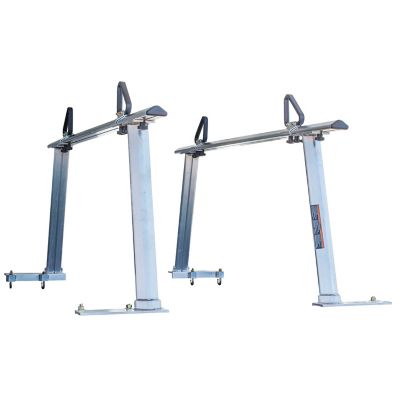
Truck Bed Bike Rack in their hauling plans. Any combination of carriers needs its own fit and clearance checks, with enough space to load, secure, and unload each piece of gear. A well-matched rod rack keeps the focus on getting tackle to the water in good shape while leaving the pickup ready for the next job.