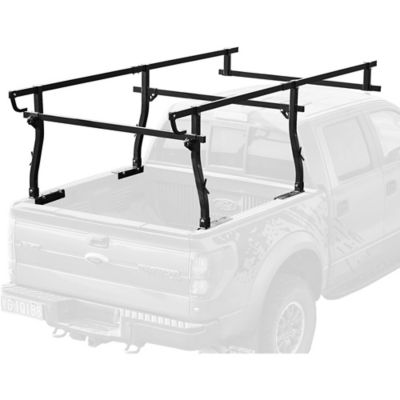
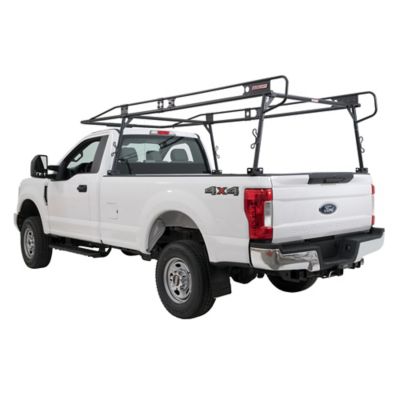
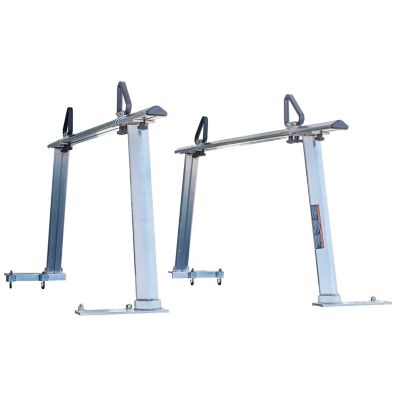
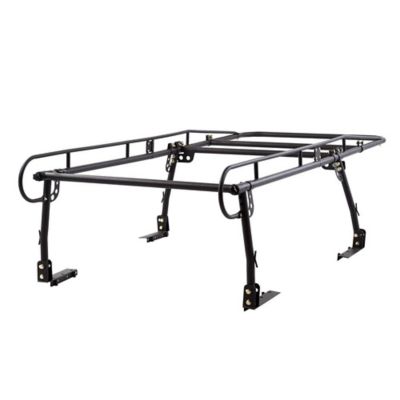
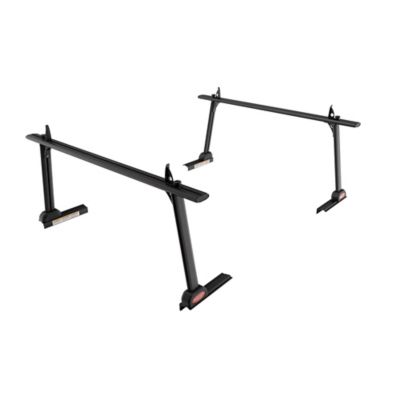
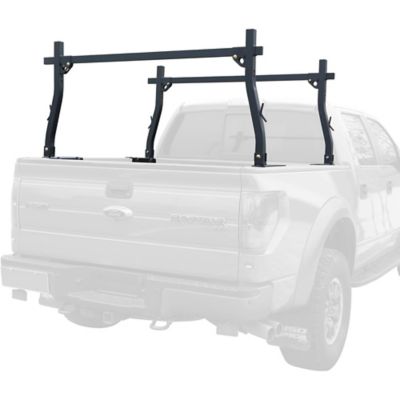
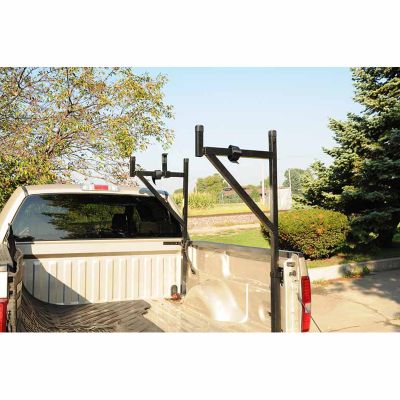
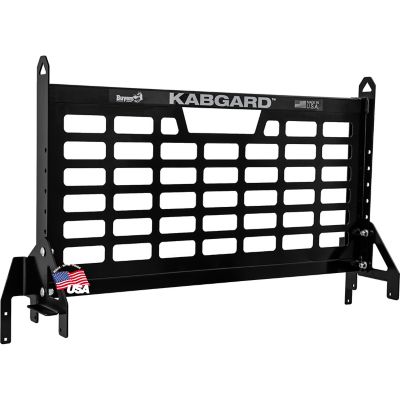
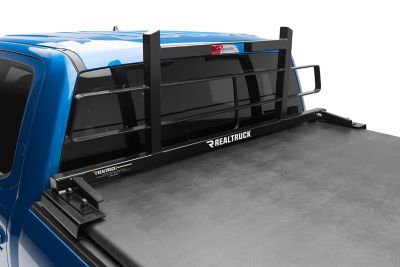
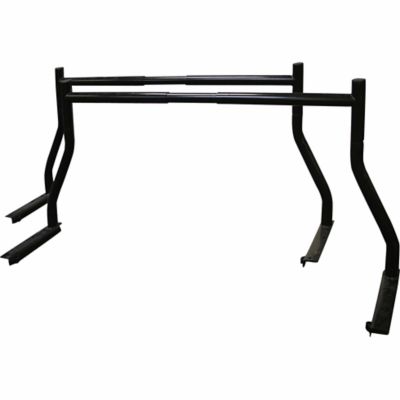
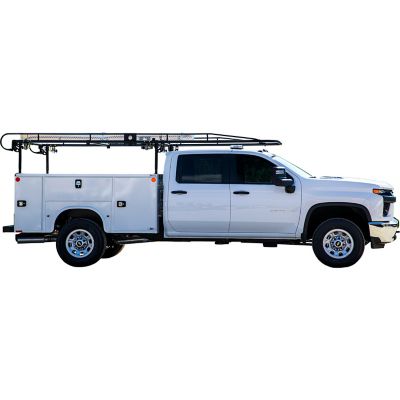
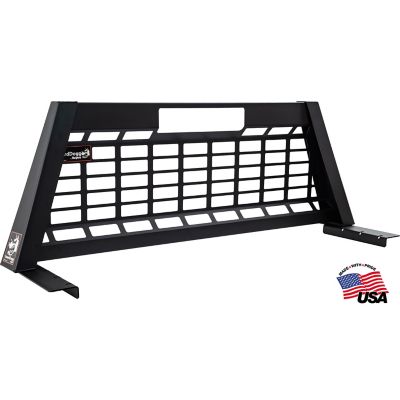
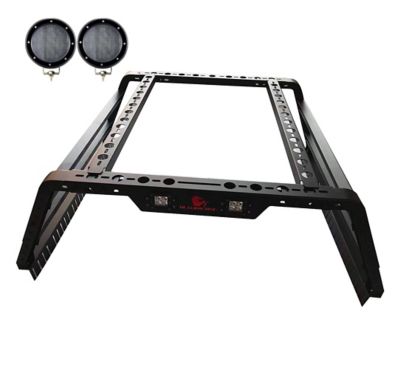
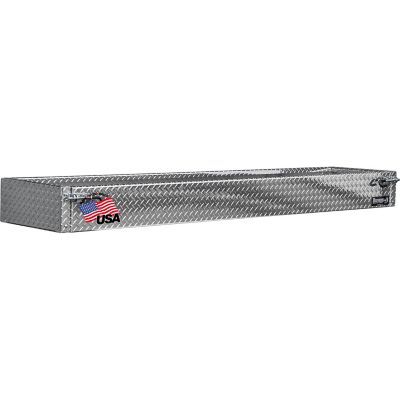
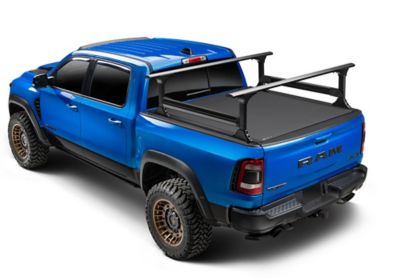
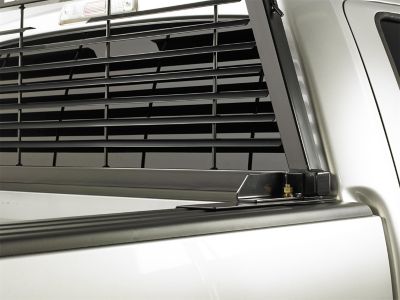
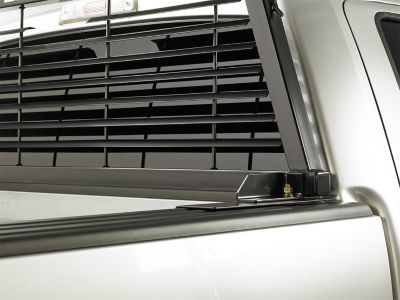
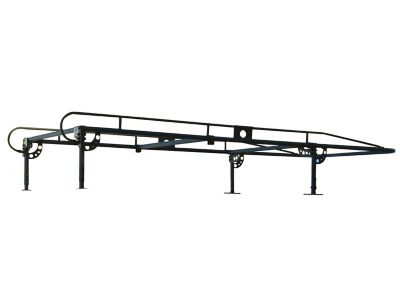
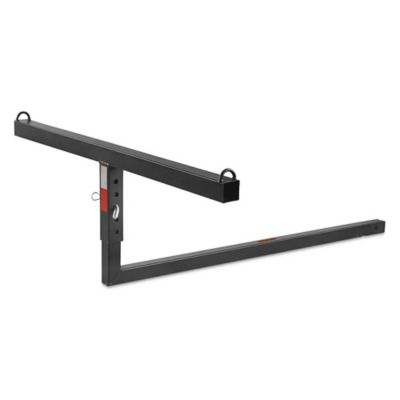
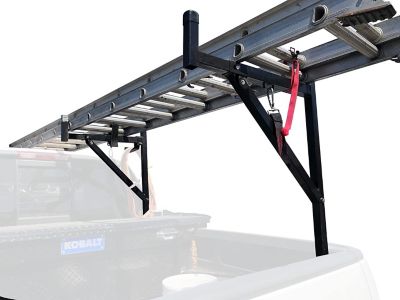
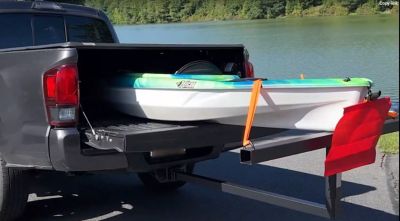
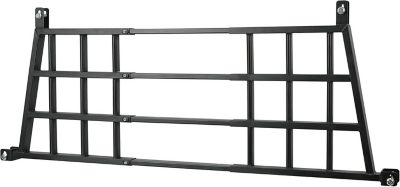
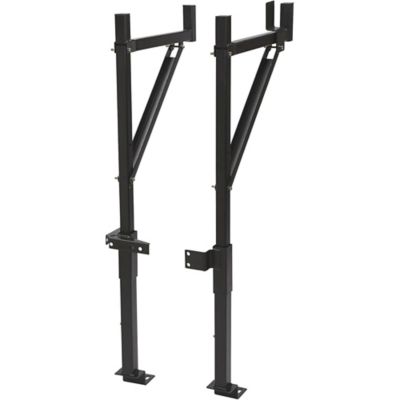
Heavy duty truck racks give you a practical way to carry long, bulky loads above the bed while keeping room below for tools, totes, coolers and everyday gear. They can be a smart addition for ranch work, farm chores, property maintenance, construction jobs, landscaping, hunting trips and weekend projects around the house. Lumber, pipe, ladders, fencing supplies, trim boards, conduit and other long materials can take up far more space than their weight suggests, especially when they have to lie flat across the bed. A properly fitted rack supports those loads higher up, helps keep the bed open, and makes it easier to organize a truck for the work ahead. Picture a cold morning at the farm with fence posts, rails and a coil of wire ready to go, or a late-afternoon trip home with long boards secured above the bed instead of sticking out through the tailgate. The right rack helps make those everyday hauling jobs feel more orderly and less cramped. When shopping, begin with the truck itself. Check the cab and bed configuration, bed length, rail style and available mounting points, then compare those details with the rack’s fit requirements. Pay close attention to the load rating and divide the expected weight across the rack as directed. The load rating is only one part of the decision; the shape, length and balance of the cargo matter just as much. A long, narrow item may need support at more than one point, while a stack of boards should sit evenly instead of leaning toward one side. Look for sturdy construction, solid connection points and a finish suited to outdoor work, where mud, rain, dust and road spray are part of the routine. A rack should leave enough clearance for cab doors, bed covers and other truck accessories, and it should not interfere with lights, mirrors or normal access to the bed. For regular hauling, features such as adjustable supports, tie-down locations and load stops can make a noticeable difference when the day gets busy.
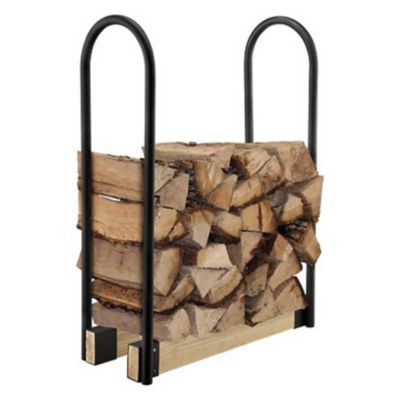
Truck racks are especially helpful for people who carry materials as part of their job or keep several projects moving at once. A farmer may bring home long fence rails and gate parts; a landscaper may haul poles, edging or hand tools; a contractor may need space for ladders and building materials; and a property owner may appreciate having the truck ready for repairs after a storm or a stretch of rough weather. They also fit right in on rural land, where one trip often involves several stops and a load may need to travel over gravel roads, pasture lanes or long stretches of highway. Before loading, inspect the rack and its mounting hardware, and make sure every fastener is seated as instructed. Place the heaviest items as low as the rack design allows, keep the load centered, and prevent boards or pipes from shifting side to side. Straps should pass through suitable tie-down points and remain snug without crushing the material. Add a flag or other marking when a load extends beyond the truck as required by local rules, and check that nothing can contact the cab, windshield or roadway. It also helps to stop after the first few miles to inspect the straps and connection points, especially when traveling over uneven ground. Rain, frost and changing temperatures can make surfaces slick, so keep a clear path around the truck and avoid climbing onto the bed or rack unless the equipment is made for that purpose. During the cooler months, a rack can support firewood-hauling plans while preserving bed space for gloves, fuel cans, kindling and other supplies. If a separate option is needed for stacking and storing firewood at home, explore
Heavy Duty Firewood Racks for another way to keep logs off the ground and ready for the stove or fire pit.
A truck rack can also be a thoughtful present for someone who spends weekends maintaining acreage, hauling supplies or improving a workshop. It is the sort of gift that becomes part of a person’s routine rather than sitting on a shelf: a parent preparing for a fencing job, a neighbor who takes on small building projects, or a friend who spends fair-weather days caring for a rural property. To choose one with confidence, gather the truck’s make, model, bed size and cab style, then compare those details with the listed fit information. Think about the loads that will travel most often and the way they will be handled at the destination. Someone carrying ladders may value easy access and clear tie-down points, while a person hauling lumber may need broad support and room for longer pieces. Consider whether the rack can be removed when the truck is needed for ordinary cargo, whether it leaves room for bed-mounted accessories, and how much assembly or installation is involved. A rack that suits the truck and the owner’s daily habits is more useful than one chosen only for its appearance or maximum capacity. Keep the bed and rack free of loose debris, rinse away road salt or packed mud, and inspect for scratches, bent sections or loose hardware before each major haul. Store straps and smaller tie-down gear where they stay dry and easy to reach. With sensible loading practices and routine checks, a heavy duty truck rack can help turn a pickup into a more capable work partner through changing seasons, from fall cleanup and firewood runs to winter repairs, farm chores and the many hauling jobs that come with country living.