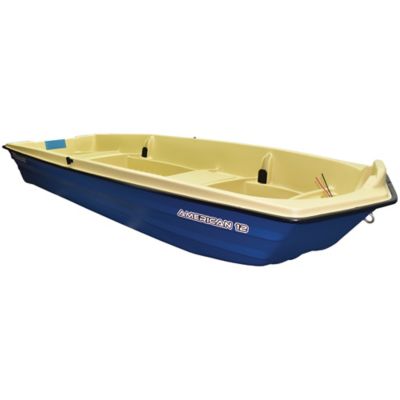
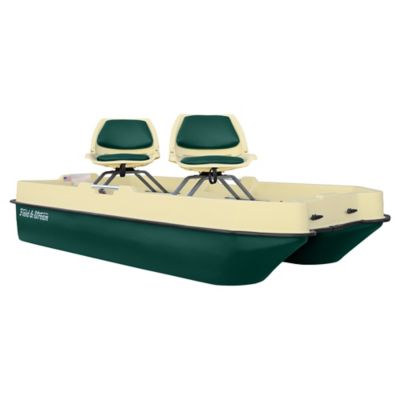
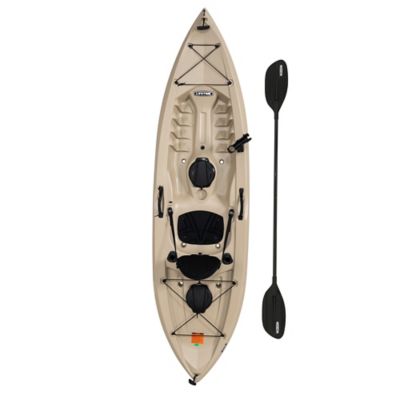
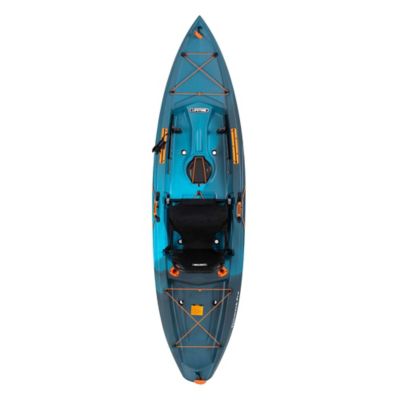
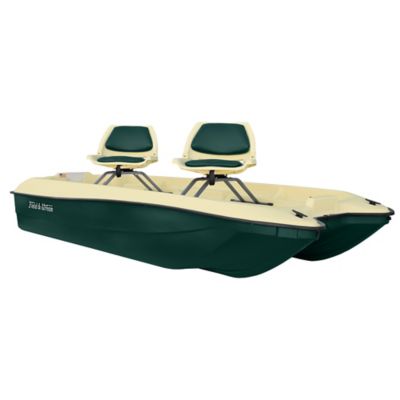
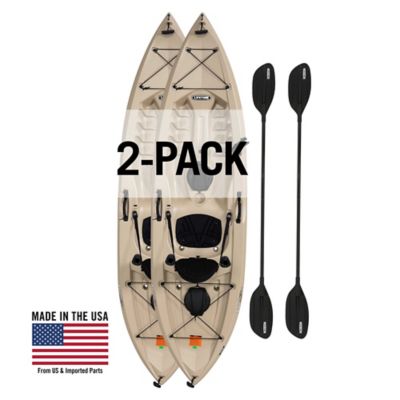
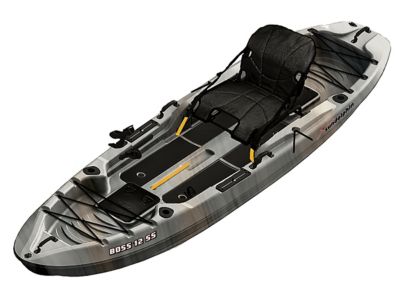
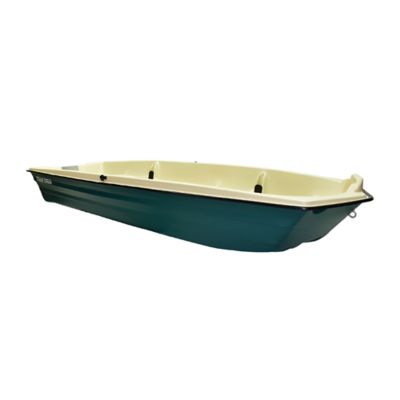
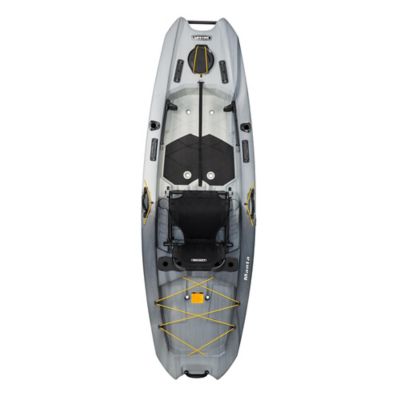
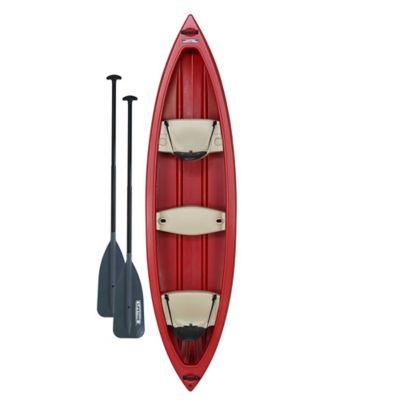
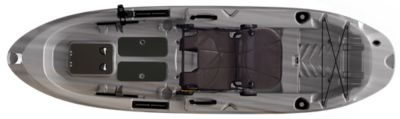
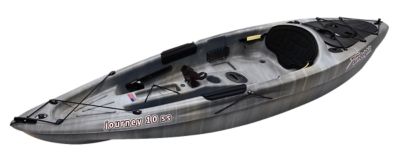
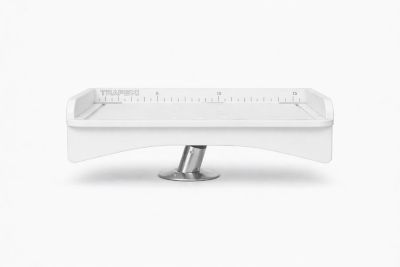
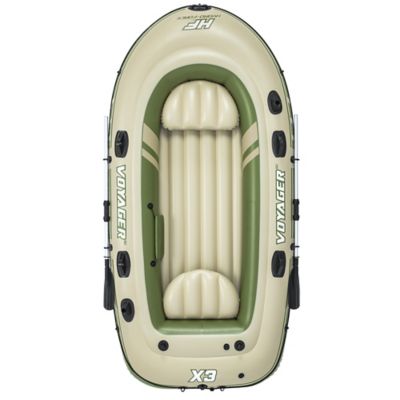
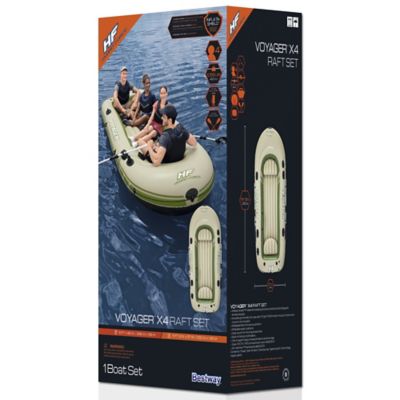
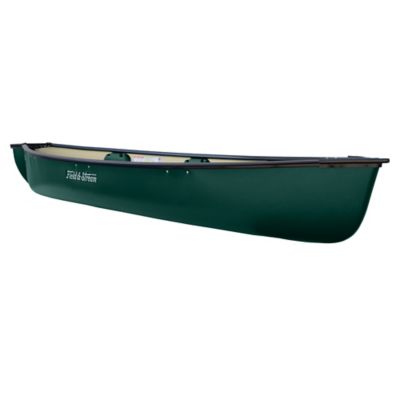
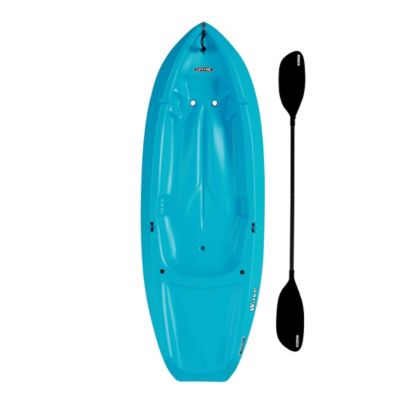
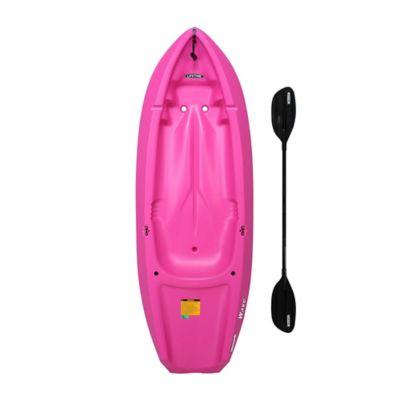
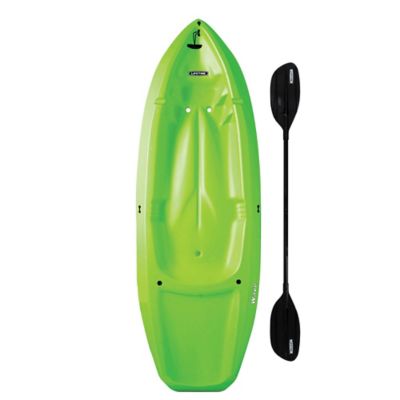
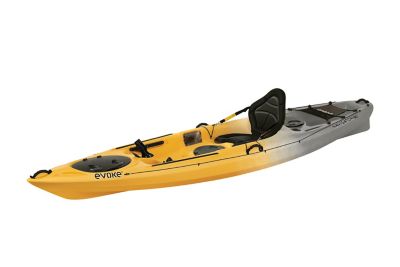
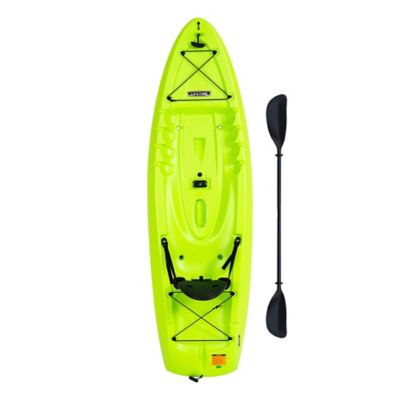
A fishing boat earns its place by fitting the water, the angler, and the way a day of fishing actually unfolds. On a farm pond, that might mean a compact boat that slips along the bank without taking much effort to handle. On a larger lake, extra room for a fishing partner, tackle, and a full day’s gear can matter more than a small footprint. Fishing boats range from simple paddle-powered designs to motor-ready hulls with seating, storage, and space to move between casts. Each style brings a different balance of carrying capacity, maneuverability, and room underfoot. A flat-bottom hull can provide a steady platform in sheltered water, while a hull with more V shape generally meets boat wakes with less of the slap associated with a broad, flat bottom. Neither shape suits every stretch of water, and draft matters around shallow launches, submerged stumps, and narrow creek mouths. Materials also shape how a boat handles life between the ramp and the shed. Aluminum is common for its strength relative to its weight, while molded polyethylene offers a body that does not corrode and may flex through minor bumps. Fiberglass allows for shaped hulls and finished surfaces, though impacts and surface damage still need attention. Construction details matter alongside the material itself: seams, welds, fittings, and mounting points all take strain when a boat carries passengers and equipment. Weight deserves a close look, too. A boat that feels manageable empty can become a different load once a motor, battery, anchor, and tackle come aboard. For the angler launching alone after chores, manageable transport and a straightforward setup may be the biggest advantages. For a pair of fishing buddies or a parent taking a youngster along, seating arrangement, usable space, and a steady place to step aboard often carry more weight in the decision. The best match feels suited to the whole outing, not just the first cast.
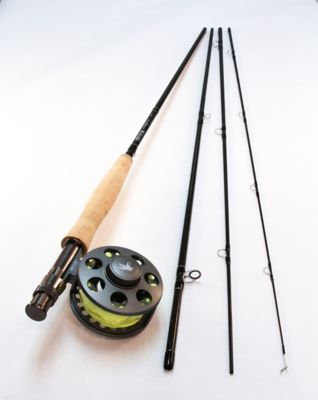
Inside a fishing boat, layout makes a difference long before a fish reaches the net. Open floor space gives boots somewhere to land without stepping over tackle, while storage compartments help separate loose gear from the area where people sit and move. Bench seats can keep an interior simple, and raised or swivel seating may offer a more comfortable position for longer stretches with a rod in hand. Seat height needs to make sense for the hull, since sitting higher changes how a boat feels as weight moves from side to side. A wide casting area can be welcome for someone working a shoreline, but an open platform is not a substitute for staying within the boat’s intended use and load limits. Room for Fishing Rods For Fisherman matters, too, and the
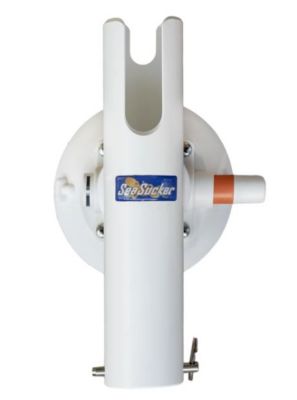
Fishing Rods For Fisherman selection belongs in the same conversation as rod storage, casting clearance, and keeping tips away from foot traffic. Long rods, a landing net, and an open tackle box all take more space in practice than they do stacked neatly in the garage. Recessed storage, secure rod holders, and places to fasten gear can help keep the working area clear without turning every move into a shuffle. Motor compatibility is another part of the fit. Transom design, the manufacturer’s horsepower limit, and the weight of the motor all affect what belongs on a particular boat. Electric propulsion brings battery weight and mounting needs into the picture, while paddle-powered boats depend more heavily on seating position and comfortable reach. For anglers who like to settle beside a brush pile or work slowly along a bank, control at low speed can matter more than getting across the lake in a hurry. Handles, tie-down points, and accessible drain fittings may seem like small details on land, yet they become welcome features when loading up after several hours on the water.
Owning a fishing boat also means having a workable plan for hauling, launching, cleaning, and storing it. A compact hull may travel in a truck bed or on a suitable rack when the vehicle, boat, and carrying equipment permit it; larger boats generally call for a properly matched trailer. Boat dimensions need to fit more than the fishing spot. Gate openings, shed doors, garage space, and the distance from parking to the launch can all shape which size makes sense. Carrying handles help with a lift, but the full transport setup still needs to account for the boat’s weight and the people doing the lifting. At home, support that follows the manufacturer’s recommendations helps prevent unnecessary stress on the hull, especially during extended storage. Routine care is usually easier when it becomes part of unloading: loose tackle comes out, standing water drains away, and mud or plant fragments are removed before the next trip. Cleaning, draining, and drying the boat and gear between waterways also helps limit the spread of aquatic invasive species. Saltwater exposure calls for particular attention to rinsing and corrosion prevention according to the boat and motor care instructions. Fasteners, wiring connections, seats, and mounting hardware benefit from regular inspection, and damage deserves attention before the next launch. Safety equipment needs its own accessible space, including properly fitted, Coast Guard-approved life jackets for everyone aboard and any additional equipment required for the waterway. Passenger count alone does not tell the whole loading story; people, propulsion equipment, batteries, and gear all contribute to the load under the boat’s stated limits. Registration and operating requirements vary by location and boat type. For a birthday or retirement gift, a fishing boat is a substantial choice best matched to the recipient’s launch access, storage space, physical needs, and fishing habits. A boat that fits those everyday realities can become part of many unhurried hours along familiar banks and farther reaches worth exploring.