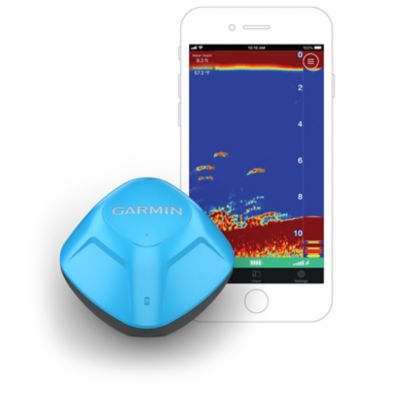
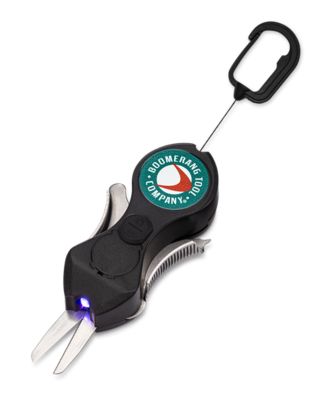
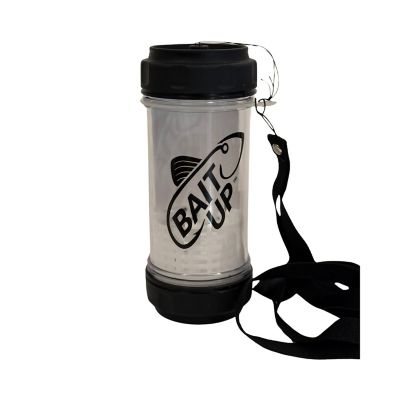
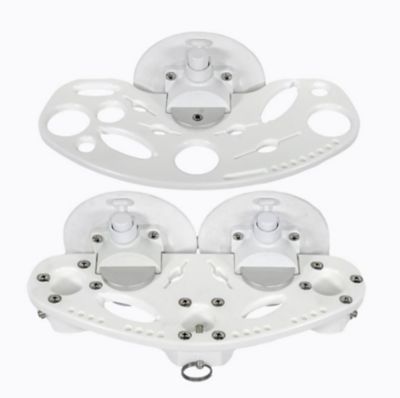
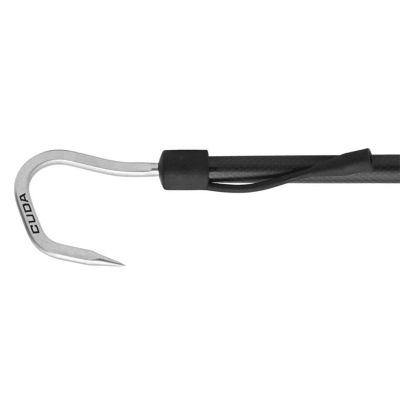
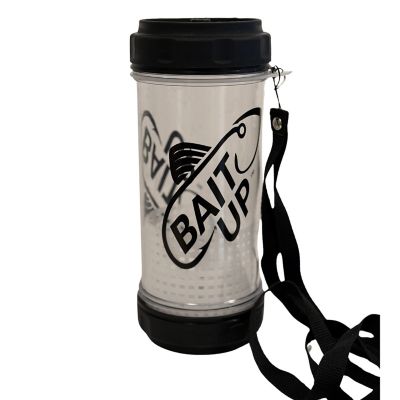
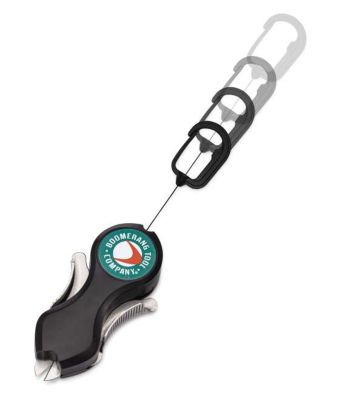
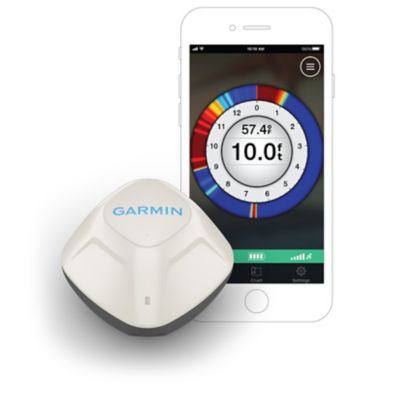
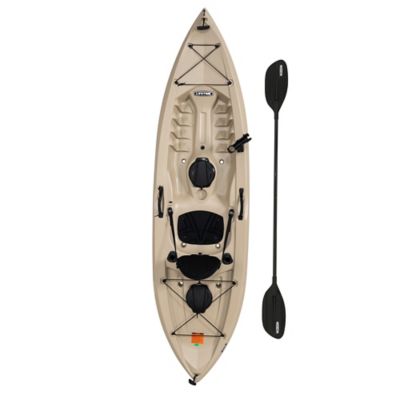
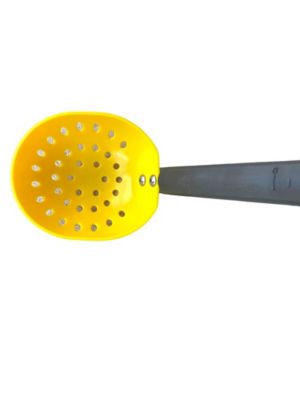
Fishing gadgets are tools and electronics that help anglers locate fish, understand the water, organize tackle and handle catches with less fuss. Some provide information about depth, underwater structure or position, while others make everyday tasks easier when hands are busy and space is tight. Their value depends on where and how someone fishes. An angler walking a farm pond needs gear that travels comfortably and stays within reach; someone fishing from a kayak has to think about mounting space, paddle clearance and access from a seated position. On a boat, power connections, screen placement and room around the casting area become part of the picture. Fish-location technology can help reveal depth changes, submerged cover and possible fish returns, but the display still takes interpretation. A mark on a screen does not guarantee a bite, and no gadget replaces paying attention to fish behavior, presentation and local conditions. Positioning features can help record productive areas or trace a route back to a launch, with capabilities that vary by device and mapping system. Satellite positioning and cellular service are different functions, so a device may track a location even when connected features cannot reach a network. For fishing electronics, screen readability, straightforward controls and the ability to check information without interrupting a cast all matter. Bright displays can help with visibility, though greater brightness and additional features may increase power demands. Battery runtime, charging requirements and compatibility with existing equipment deserve as much attention as the feature list. A compact setup that fits the way someone fishes often earns more time on the water than a complicated one with functions that rarely get a workout. Fishing gadgets can support better decisions and smoother routines, whether the goal is finding a drop-off, keeping track of a spot or spending less time untangling gear. For more context on electronics and connected features, explore
Technology for Fisherman.
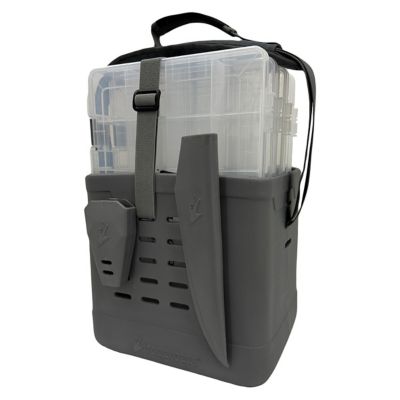
Materials, construction and fit make a real difference once fishing gear leaves the garage. Water, grit, repeated handling and contact with hooks can take a toll on housings, hinges, cords and attachment points. Stainless steel, aluminum and molded plastics each have a place in fishing equipment, but the material name alone does not tell the whole story. Metal components need suitable corrosion resistance for their intended use, particularly around saltwater, while plastic housings benefit from sound joints and protection around controls. Water-resistant and waterproof ratings are not interchangeable; the stated rating and care directions explain what level of exposure a device can handle. A sealed housing also does not mean every charging port or connection can remain open around water. For handheld gadgets, grip shape, handle length and control placement affect comfort just as much as overall size. A handle that feels fine in dry hands may be harder to hold after handling a fish, and a small button can be awkward when a firm grip is needed. Rounded edges, textured surfaces and attachment points can make gear easier to manage without adding much weight. Fit also means matching the gadget to the workspace. A mount should suit the attachment surface and leave room for casting, paddling and moving around. Cords and tethers need enough reach for the task without trailing across a walking area or getting near moving parts. Storage matters, too: sharp working ends belong in protected compartments, and electronics need a spot where heavy tackle cannot knock against screens or connectors. After a trip, care should follow the manufacturer's directions, especially for rinsing, drying and battery storage. Salt residue and grit can work into moving joints, while trapped moisture can linger inside a closed bag. Letting suitable components dry before storage and checking fasteners, seals and cables helps keep small problems from becoming a broken connection at the pond. Gadgets that are easy to clean, carry and put away are more likely to stay part of the regular fishing routine.
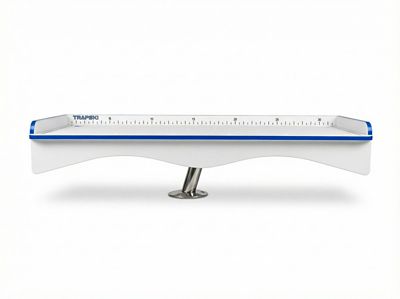
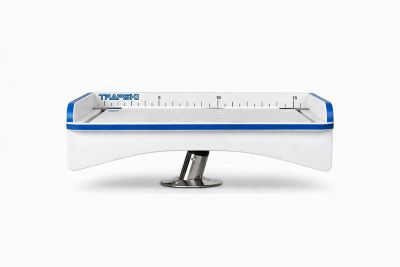
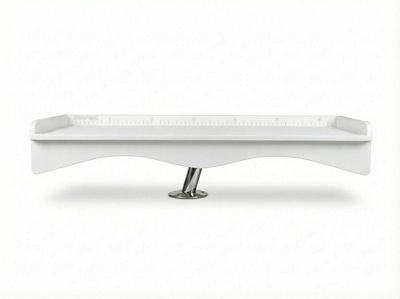
The most useful fishing gadgets suit a particular task rather than adding another layer of gear to manage. For a bank angler moving between spots, low weight and secure attachment may matter more than a large display or extra settings. For someone who fishes from the same boat often, a consistent mounting position and an organized power setup can make repeated outings simpler. Fish-handling tools call for a different set of considerations: comfortable control, appropriate size for the intended species and working surfaces that support careful handling. Gadgets can assist with hook removal, measuring and documenting a catch, but they do not replace safe handling habits or knowledge of local fishing regulations. Keeping necessary gear within easy reach can shorten the time spent searching through a bag while a fish waits at the water's edge. Measuring features should also match the task and show units clearly, especially when length limits apply. Families introducing someone to fishing may appreciate simple controls and fewer loose parts, while experienced anglers may want more control over settings, mounting and data. That same thinking helps with fishing gifts. A gadget that suits a recipient's usual fishing spot, available storage and comfort with technology is more thoughtful than one chosen for a long feature list alone. Someone who enjoys quiet evenings beside a pond may prefer a straightforward setup, while an angler who likes studying depth changes may enjoy equipment that adds detail to the picture below the surface. Compatibility is especially important for gifts involving electronics, since power sources, mounting arrangements and phone requirements can vary. Clear instructions and accessible controls help make a new addition easier to work into familiar habits. There is satisfaction in gear that does its job without making a trip feel like a chore: less rummaging in a tackle bag, fewer awkward reaches and more attention on the line. Fishing gadgets earn their place when they make those ordinary moments easier and fit naturally into time spent along the bank or out on the water.