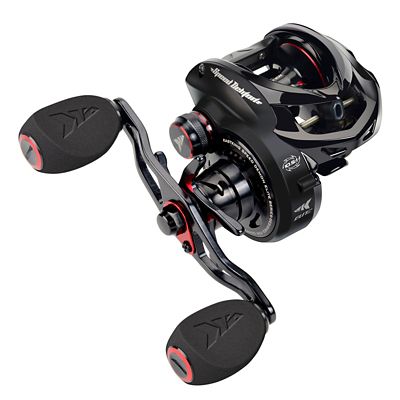
Deep sea fishing gear is built around the pull of strong fish, the weight of long drops and the demands of saltwater. The main categories include offshore rods and reels, fishing line, leaders, hooks, sinkers, trolling lures and equipment for handling fish alongside the boat. A well-matched setup puts those parts together for the fishing ahead, whether that means dropping bait near a reef or pulling a spread of lures beyond sight of land. Heavy-power conventional rods and high-capacity reels are common choices for bottom fishing and offshore trolling, while saltwater spinning setups suit casting, jigging and some live-bait presentations. Rod power describes how much force it takes to bend the blank; action describes where that bend begins. Both matter when a bait needs a sensitive tip but a hooked fish calls for backbone farther down the rod. Fiberglass blanks offer toughness and a forgiving bend, graphite keeps weight down and transmits bites well, and composite construction blends those traits. Grips should feel secure in wet hands, with a butt length that works comfortably at the rail or in a fighting belt. Reel seats and guides need to match the loads placed on the outfit, rather than simply looking substantial. Offshore reels benefit from ample line capacity, corrosion-resistant components and a smooth drag that releases line without abrupt surges. Lever-drag designs make drag adjustments straightforward, and two-speed conventional reels provide a faster retrieve in one gear and greater cranking leverage in the other. That lower gear can make a difference when a fish settles beneath the boat and every turn of the handle takes effort. Bigger is not always better, though. A heavy outfit that suits deep bottom fishing may wear out an angler casting repeatedly, while a lighter setup can leave too little reserve for a long-running fish. Intended technique, target species and comfortable handling are better starting points than size alone.
Fishing line and terminal tackle connect all that pulling power to the bait or lure. Braided line is common in deep sea fishing because its thin diameter allows substantial spool capacity and its low stretch helps transmit bites from far below the boat. Braids in the 50- to 80-pound-test range suit many offshore applications, but the right strength depends on the fish, depth, structure and rod-and-reel ratings. Fishing around rough bottom may call for more abrasion protection, while a presentation away from structure may benefit from a less conspicuous leader. Monofilament adds stretch that can cushion sudden loads, and fluorocarbon leaders offer low visibility underwater along with abrasion resistance. Neither material makes a rig immune to sharp teeth, rocks or repeated wear. Leader diameter, knot size and connections all affect how smoothly a rig moves through the guides and how naturally a bait travels. Toothier species may call for wire leaders, with the trade-off that wire can change the bait’s movement and visibility. Hooks, swivels, snaps and crimps should be sized as a system; an oversized hook can overwhelm a small bait, while an undersized connection can become the weak point under pressure. Circle hooks are common for bait fishing and may be required for certain fisheries, so the hook style needs to fit both the presentation and applicable regulations. Sinkers help carry bait through current and hold it near the intended depth. Streamlined sinker shapes reduce resistance on a long drop, while sliding sinkers allow different rig arrangements for bait presentations. The necessary weight changes with depth, current, line diameter and boat movement, not depth alone. For trolling, lure shape, skirt movement, rigging and running speed influence how a bait tracks behind the boat. For vertical jigging, lure weight and profile affect sinking speed and action during the retrieve. Tuna, mahi-mahi and bottom-dwelling species do not all call for the same approach. Deep sea fishing tackle makes the most sense when it supports a particular job instead of adding weight to a tackle bag without a clear purpose.
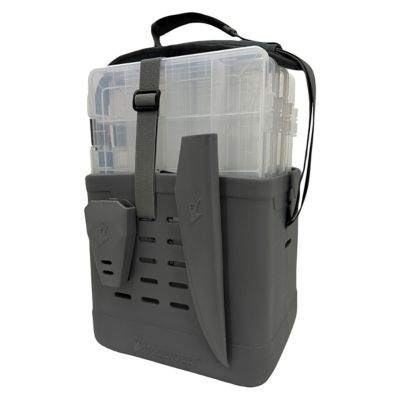
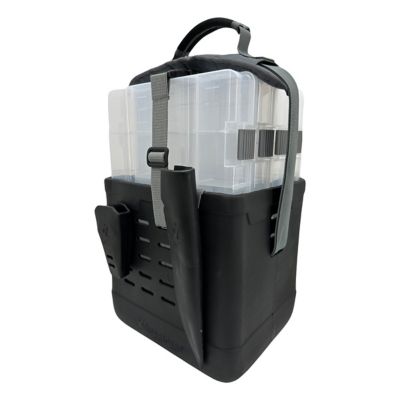
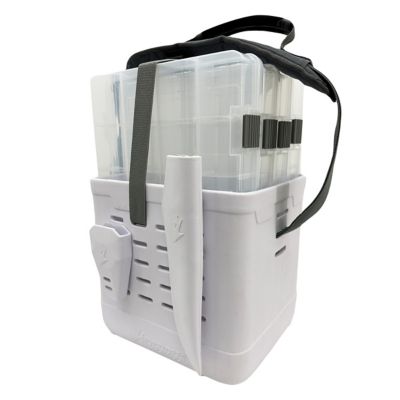
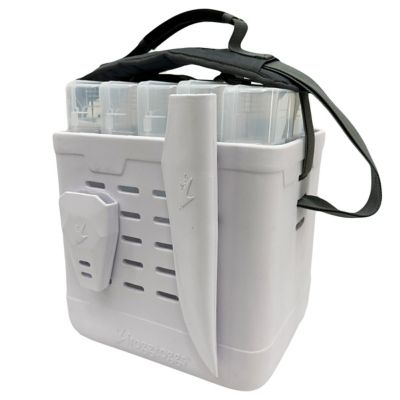
The rest of an offshore fishing setup helps keep a long day on deck manageable. Tackle storage with adjustable compartments separates hooks, leaders and weights so a fresh rig is within reach when a bait comes back stripped. Boxes with secure latches help contain small parts aboard a moving boat, and drainage or ventilation can help wet equipment dry afterward. Line cutters, split-ring pliers and hook-removal tools belong close at hand, with grips that remain manageable around water and fish slime. The right cutting tool also matters: fine braid, heavy monofilament and wire do not cut equally well with the same blade. Small accessories can save a lot of fumbling, and
Fishing Gadgets offers a related category for rounding out a fishing setup. For anglers handling heavier outfits, a fighting belt spreads pressure from the rod butt across a padded surface. A compatible harness can help distribute strain during extended fights, though its fit and release system deserve attention before a fish is on. Gloves should allow enough finger movement for knots and reel controls while providing protection suited to the task. Footwear with traction on wet decks and a properly fitted personal flotation device serve a different purpose from tackle, but both belong in the planning for a boat trip. Afterward, saltwater gear benefits from gentle freshwater rinsing according to the manufacturer’s directions, thorough drying and storage away from trapped moisture. High-pressure spray can drive salt and grit into reel mechanisms rather than clear them away. Frayed leaders, cracked guide inserts, loose reel seats and corroded hooks are worth catching before the next run offshore. For a gift, it helps to know whether the angler trolls, drops bait or works jigs, along with the line ratings and attachment styles already in the setup. Someone joining a charter may need fewer pieces than someone outfitting a boat, since supplied equipment varies by operator. From a first offshore trip to a regular run toward familiar fishing grounds, gear that fits the angler and the task keeps attention where it belongs: on the line and what is pulling at the other end.