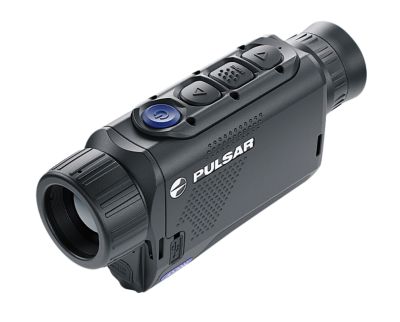
Fishing technology has come a long way from a simple map folded in a tackle box and a watch kept under a rain jacket. Today’s gear can help anglers find fish, read the water, stay on course, watch changing conditions and keep better track of the places and patterns that make a day on the water worthwhile. Fish finders and sonar units use sound waves to show depth, bottom contours, cover and possible fish activity beneath a boat, kayak or other small craft. Some provide a basic depth reading that is easy to understand at a glance, while more advanced units can create detailed maps, show structure to the side of the boat and display moving views of what is happening below. Portable fish finders are handy for smaller boats, kayaks and shore anglers who move from one access point to another, while larger displays may suit a permanent boat setup with room for extra mapping and navigation features. GPS technology can mark a productive brush pile, submerged point, creek channel or safe route back to the ramp, saving anglers from trying to remember an exact location after a long day. When choosing electronics, consider the type of fishing, the size of the craft, the water depth, the display size and how much equipment can be carried comfortably. A unit used from the bank may need a compact design and a long-lasting battery, while a boat-mounted system may benefit from a brighter screen, transducer options and charting functions. Clear controls matter, too. Wet hands, bright sunlight and a bouncing boat are no time to sort through a confusing menu.
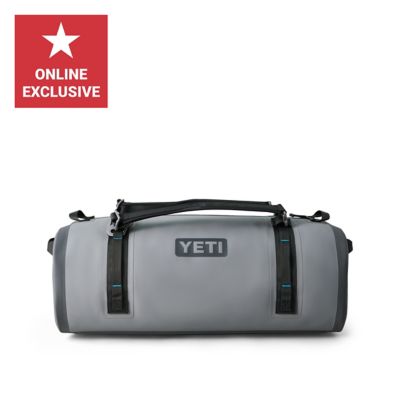
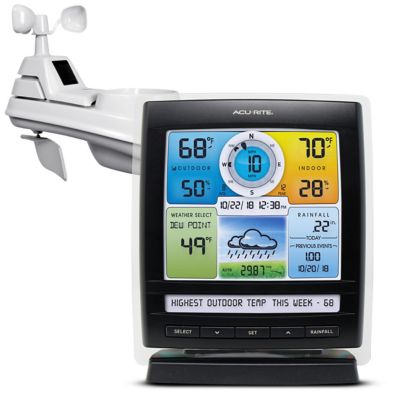
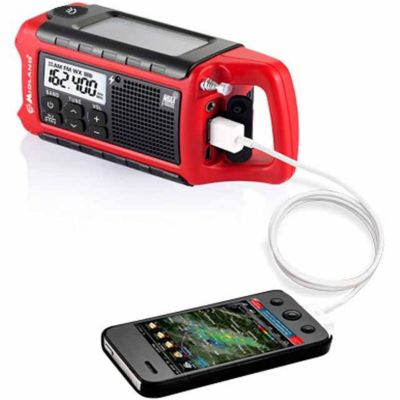
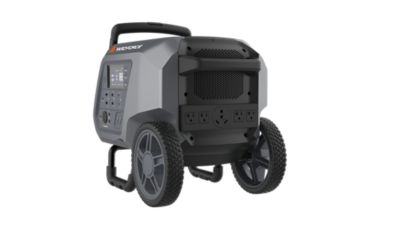
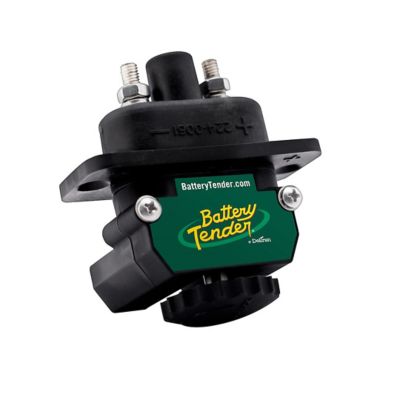
Technology for fisherman also includes the smaller tools that help organize a trip and make time on the water more productive. Smartphone fishing apps can offer lake maps, depth information, weather updates, sunrise and sunset times, tide details in coastal areas, moon phases and digital logbooks for recording catches. A phone or smartwatch with GPS can help mark a location, follow a route and share a position with family or a fishing partner, especially when exploring an unfamiliar lake, river or backcountry access road. Weather and barometric pressure data can help anglers prepare for changing conditions, but electronic forecasts should support good judgment rather than replace it. A storm moving across open water can arrive faster than expected, so a dependable marine radio, charged phone, emergency beacon or other communication device may be worth carrying on longer trips or in remote areas. Look for equipment with water resistance suited to the way it will be used, and protect screens and charging ports from spray, mud and spilled drinks. Battery capacity is another practical concern. Sonar, GPS, bright displays and wireless connections can drain power quickly, particularly during cooler months when batteries may not perform at their best. Carrying a backup power source, spare cables and a dry storage case can keep a useful device from becoming dead weight. Connected reels, bite sensors, digital scales and casting trackers may appeal to anglers who enjoy collecting details such as lure depth, retrieval speed, casting distance or catch weight. These tools can also help young anglers learn how wind, presentation and water temperature affect a bite, turning a quiet afternoon into a hands-on lesson.
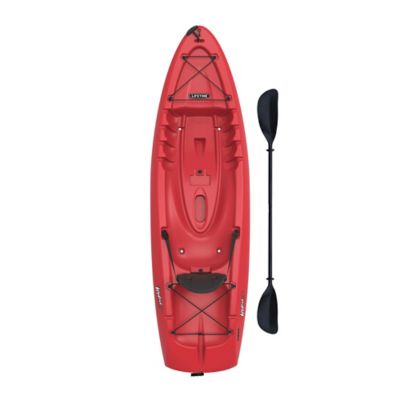
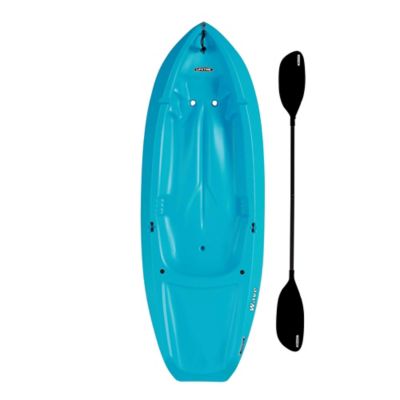
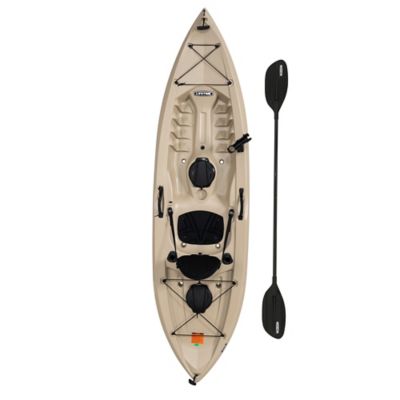
The right fishing technology depends less on having every new feature and more on matching the equipment to the angler and the water. A weekend bank fisherman may get more value from a weather-ready phone case, a portable depth tool and a compact power bank than from a large navigation system. Someone who spends long days on a bass boat may appreciate detailed mapping, side-scanning sonar and a readable display that can be seen through glare. Kayak anglers often put a premium on low weight, simple mounting and controls that can be reached without taking both hands off the paddle. Families and new anglers may prefer straightforward gear that offers useful information without a steep learning curve, while experienced fishermen may enjoy advanced mapping, wireless connections and the ability to save years of fishing data. Technology can make a thoughtful gift for a fisherman who already has plenty of lures but enjoys improving a boat setup, planning trips or studying local water. It is also a practical choice for someone heading to a new lake, taking up kayak fishing or preparing for cooler-season outings when daylight is shorter and conditions can shift. Before buying, check mounting space, power requirements, transducer compatibility, chart coverage, storage needs and whether the device works with the angler’s phone or existing electronics. Keep safety at the center of every setup by carrying flotation gear, checking the forecast, telling someone the planned route and keeping essential equipment accessible. For more ways to round out a trip, explore
Fisherman Gear for useful equipment suited to time spent at the pond, river, lake or coast. Good technology should fit naturally into the routine: scan the water while easing away from the ramp, mark a promising spot, keep an eye on the sky and spend more time enjoying the quiet moments between casts.