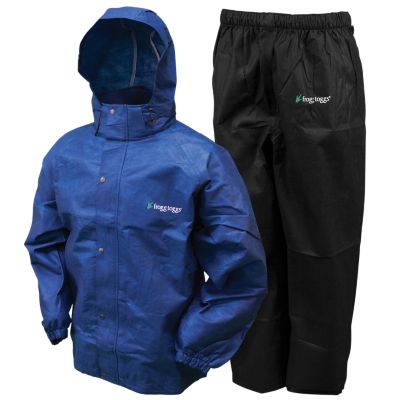
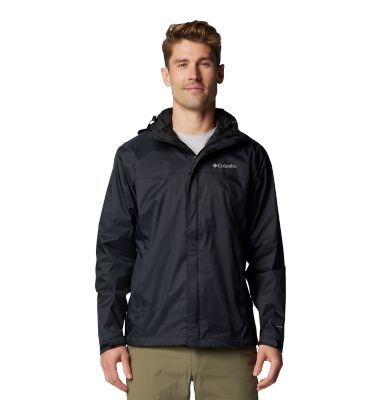
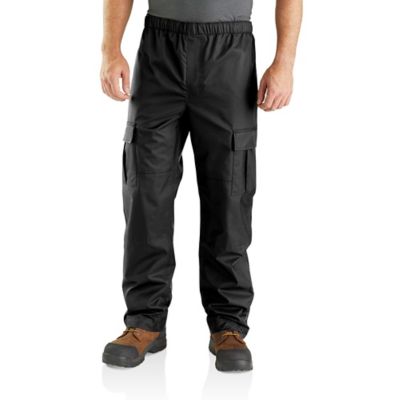
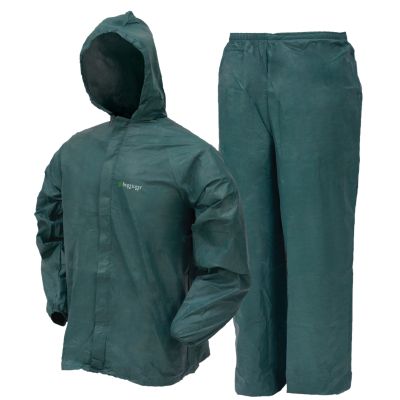
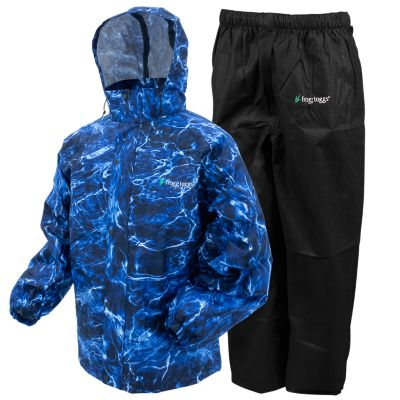
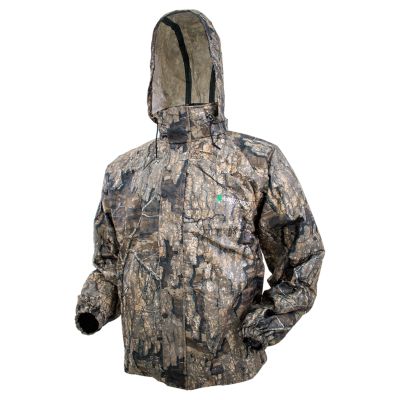
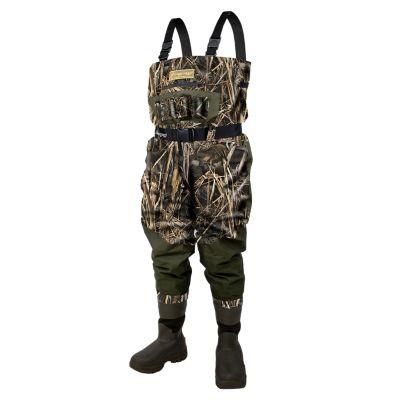
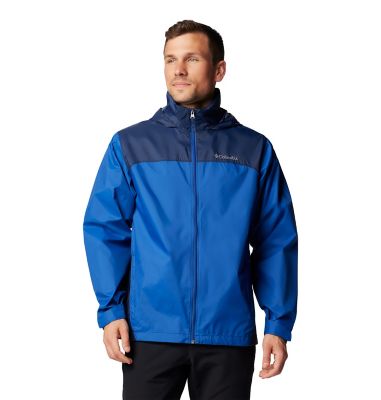
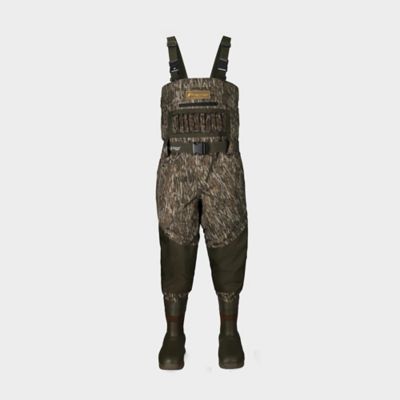
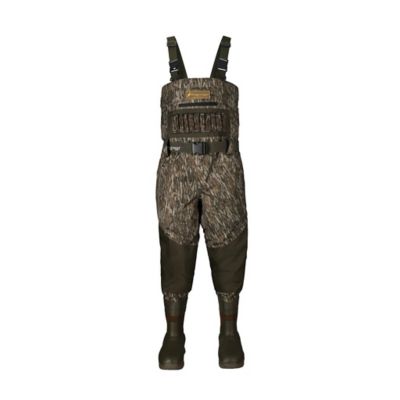
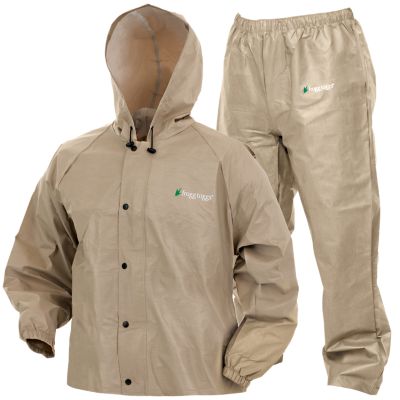
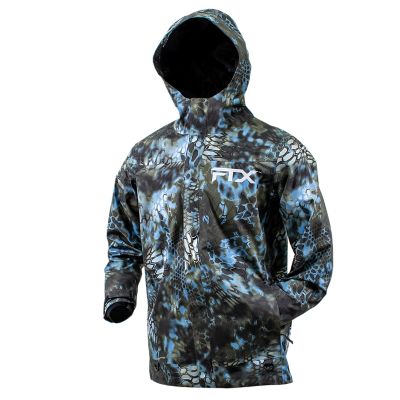
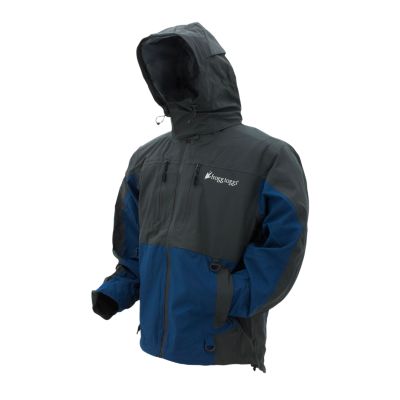
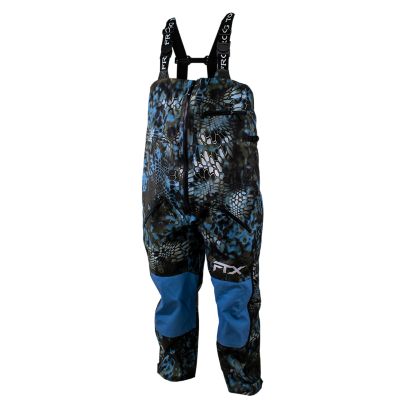
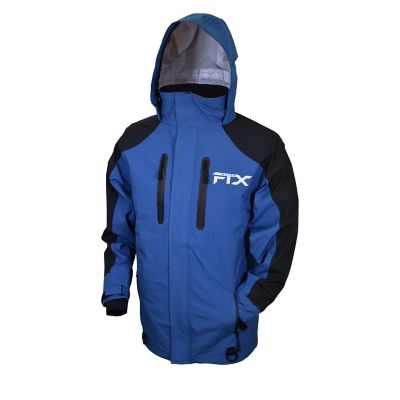
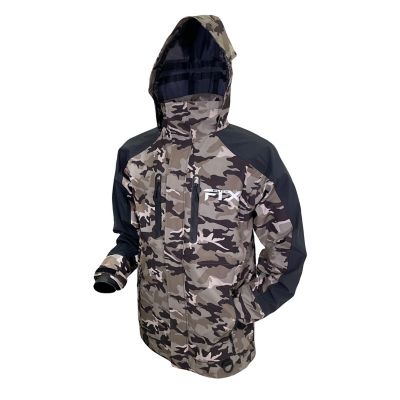
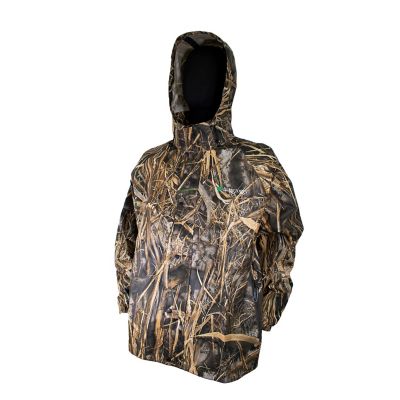
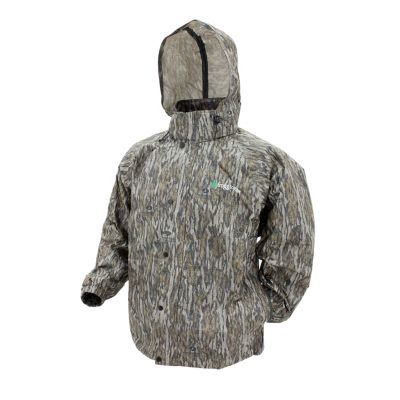
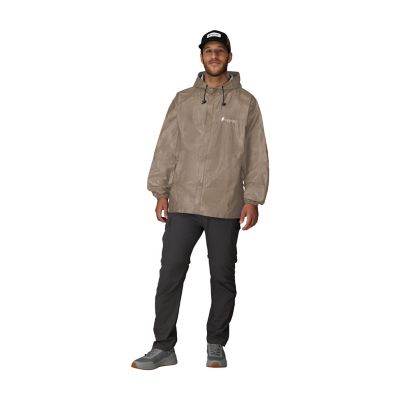
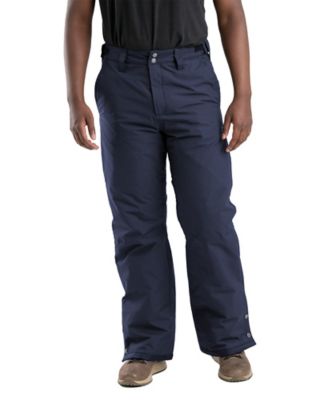
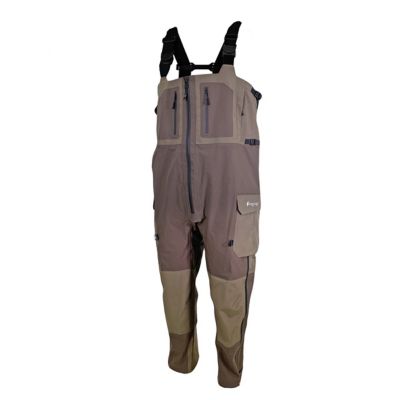
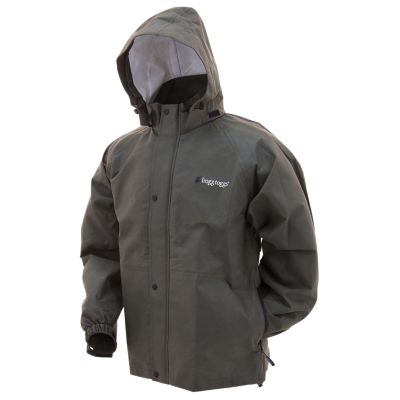
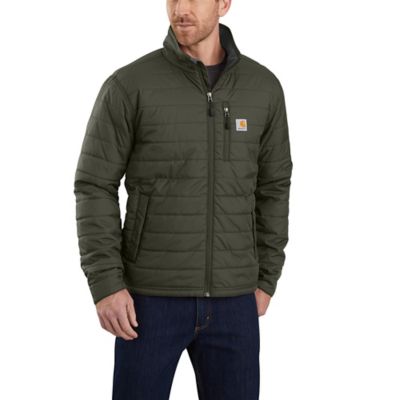
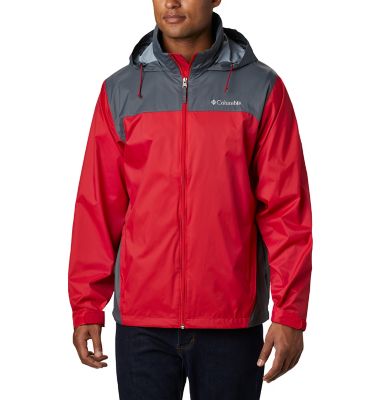
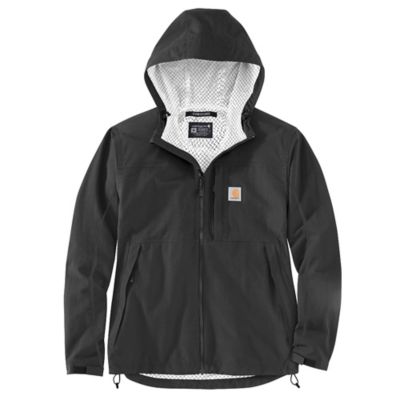
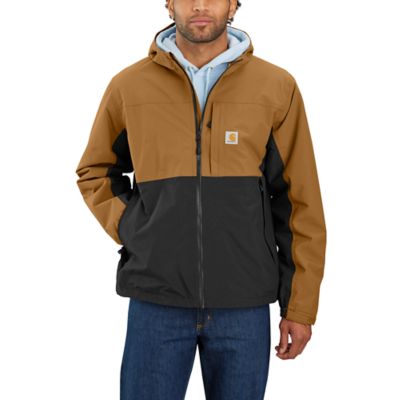
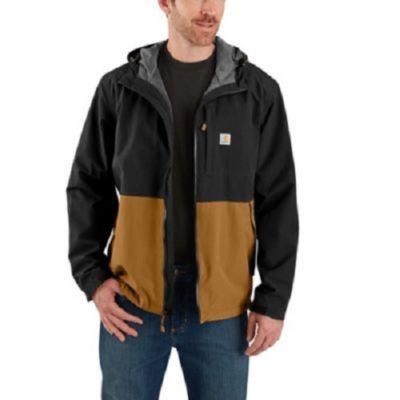
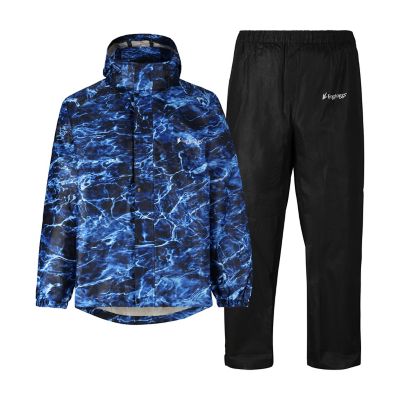
Fisherman rain gear helps keep a wet-weather outing comfortable when the forecast turns rough and the water starts kicking up spray. It can be useful for anyone who spends time around ponds, rivers, lakes, marshes, and coastal waters, from the weekend angler checking a farm pond before breakfast to the boat fisherman running across open water with a rod in hand. A rain jacket, bib, pants, or full suit creates a barrier against rain, wind, and damp boat seats while leaving room to cast, handle tackle, land a fish, and move around safely. The right setup depends on the kind of fishing, the length of the trip, and how much exposure to foul weather is typical. Lightweight rainwear can be a smart choice for casual outings, unexpected showers, hiking into a favorite fishing hole, or stowing in a boat compartment as backup protection. Heavier-duty gear is better suited to long days on the water, steady rain, ocean spray, muddy shorelines, and cooler conditions when wet clothing can quickly become uncomfortable. Look for materials described as waterproof or water-resistant, keeping in mind that water-resistant fabric may handle a sprinkle but may not stand up to hours of hard rain. Sealed or reinforced seams are especially helpful because water can work through stitching even when the main fabric sheds rain. A roomy cut makes it easier to layer a sweatshirt or insulated jacket underneath, while articulated sleeves, gussets, and flexible fabric help preserve a full range of motion during a cast.
A few details make a noticeable difference once the weather gets serious. Adjustable wrist cuffs or internal neoprene-style seals help keep water from running down the arms when lifting a net, tying on a lure, or reaching into a livewell. A drawcord waist, adjustable suspenders, and ankle closures can limit gaps where rain and spray tend to sneak in. Bib-style pants offer added coverage while sitting, kneeling, or moving across a wet deck, and a full rain suit can simplify packing when conditions are expected to stay unsettled. Hoods deserve close attention, too. A structured brim can help direct water away from the face, while multiple adjustment points help keep the hood in place when the wind picks up without blocking side vision. Ventilation openings, breathable panels, and moisture-managing linings may reduce the clammy feeling that comes from working hard beneath a waterproof layer. For boat fishing, consider longer jacket hems, durable seat and knee areas, and fabric that can handle repeated contact with rails, cleats, tackle boxes, and rough surfaces. Shore anglers may value lighter weight and compact storage, especially when walking along a bank or carrying gear over uneven ground. Kayak fishermen often benefit from flexible garments with secure closures and a fit that allows paddling. Fly fishermen may prefer room through the shoulders and sleeves for repeated casting. A waterproof rating can provide a useful point of comparison: lower ratings may be suitable for light rain and shorter trips, while higher ratings are generally better for persistent downpours and extended exposure. Ratings are only one part of the picture, so also check seam construction, closures, fabric durability, and the intended use of the garment.
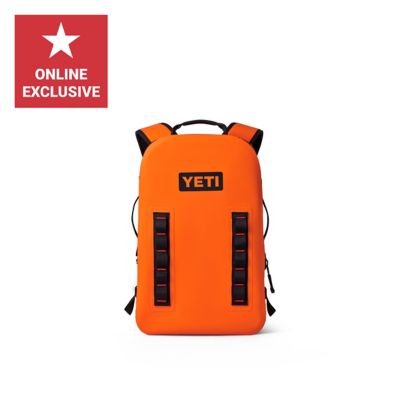
Fisherman rain gear also makes a practical gift for an angler who seems to own every lure but still gets caught in a passing storm. It is a thoughtful choice for a new boat owner, a parent taking a child fishing, a camp host, or anyone who enjoys outdoor work and recreation during the cooler months. When choosing for someone else, a relaxed fit is often more useful than a close fit because rain layers need to go over everyday clothing and warm midlayers. Check the size chart carefully, especially for bibs and one-piece suits, and think about whether the recipient usually fishes from shore, a dock, a kayak, or a larger boat. Neutral colors are easy to wear in different settings, while high-visibility accents can make it easier to spot someone on a busy dock or in low-light weather. Storage matters as well: packable rainwear can live in a truck, boat locker, or tackle bag so it is close when conditions change. Pairing rainwear with waterproof footwear, gloves, a brimmed hat, or
Fisherman Backpacks can round out a dependable wet-weather setup without making it complicated. After use, shake off loose dirt, rinse away salt or muddy water, and let garments dry fully before packing them away. Avoid storing damp rain gear in a sealed compartment, since trapped moisture can lead to odors and shorten the life of the fabric and coatings. With practical coverage, secure closures, and enough room to move, the right fisherman rain gear lets anglers stay focused on the cast, the current, and the next bite when changing weather is simply part of the day.