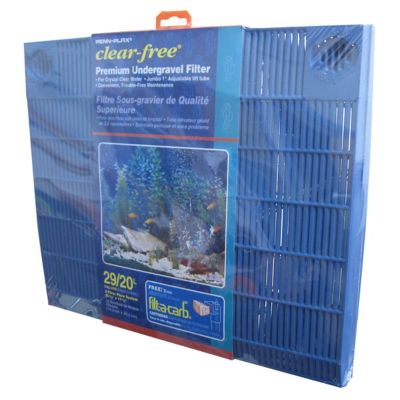
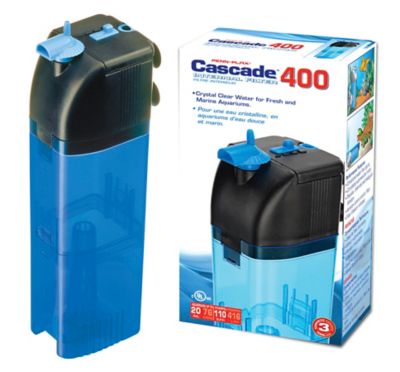
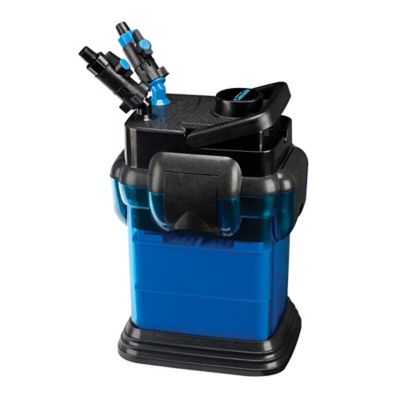
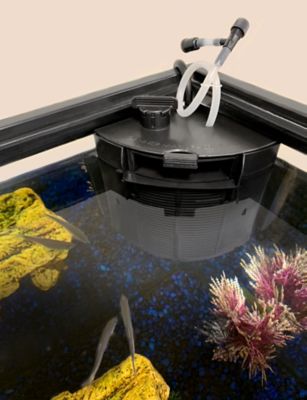
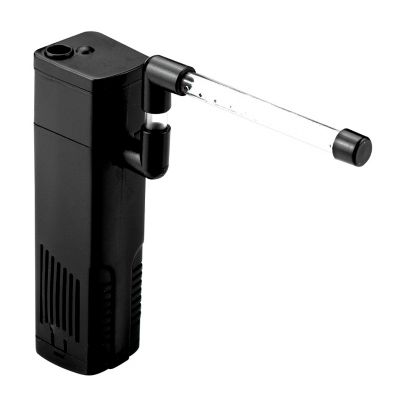
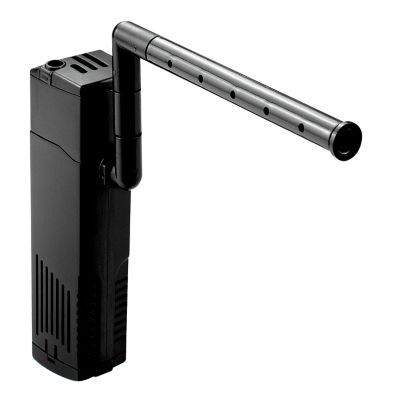
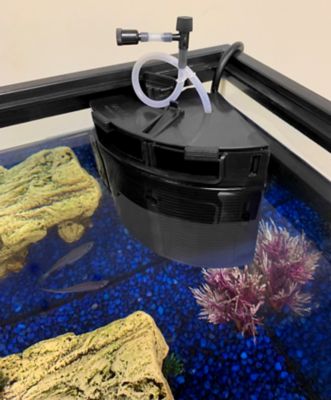
An aquarium filter removes suspended waste, circulates water and supports beneficial bacteria that process fish waste. Depending on its design and filter media, it can also help remove certain dissolved substances that affect water clarity or odor. That makes filtration a working part of everyday fish care, whether the tank holds a few small freshwater fish, a planted community or a saltwater setup. Most aquarium filtration falls into three categories: mechanical, biological and chemical. Mechanical filtration catches particles such as uneaten food, plant fragments and solid waste in sponges, pads or floss. Biological filtration gives beneficial bacteria room to grow on surfaces such as porous ceramic media and foam. These bacteria convert ammonia into nitrite and then nitrate, which still needs management through water changes and, in planted aquariums, plant uptake. Chemical filtration relies on materials such as activated carbon or other specialized media to address certain dissolved compounds. Not every tank needs every kind of chemical media, and no filter makes regular water testing and tank care unnecessary. Clear water alone does not show whether ammonia or nitrite is present. For shoppers comparing aquarium filters, tank capacity is a starting point rather than the whole story. The number and size of the fish, feeding habits, plant growth and the amount of waste all affect the workload. A tank with messy eaters may need more filtration capacity than another aquarium holding the same amount of water. Flow matters, too. Fish that favor calm water need a different current than active swimmers that handle more movement. Tiny fry and shrimp also need protection around intake openings. An adjustable outlet or intake sponge can make those details easier to manage when compatible with the filter. The goal is steady circulation that moves waste toward the filter without sending fish tumbling or leaving them working against a strong current all day.
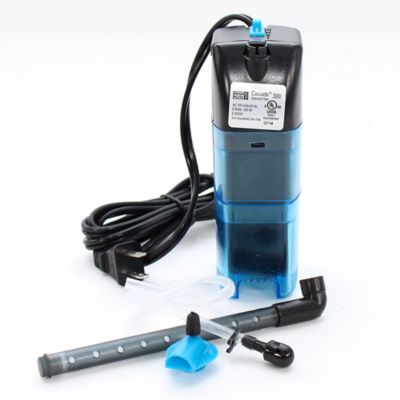
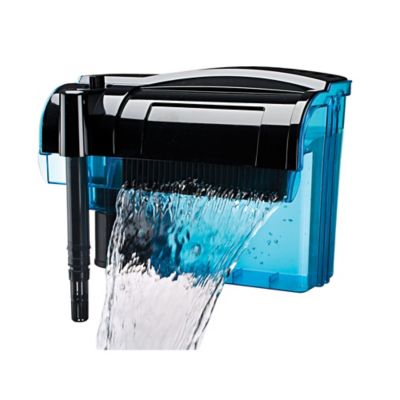
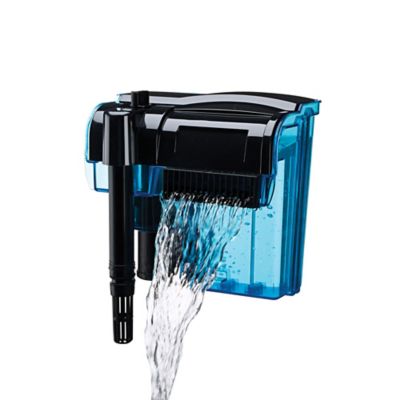
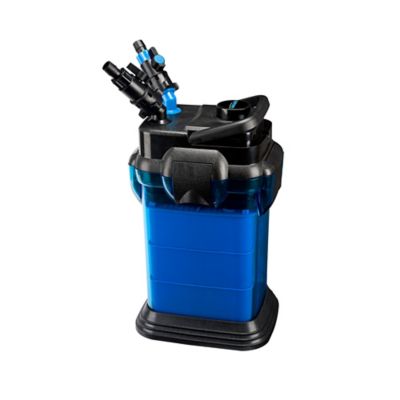
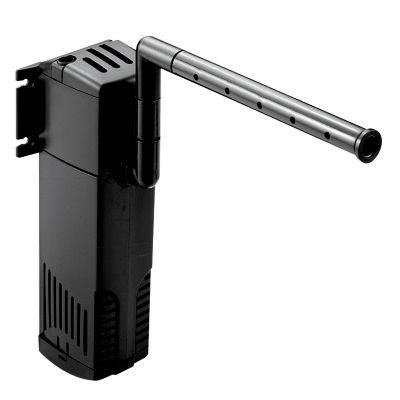
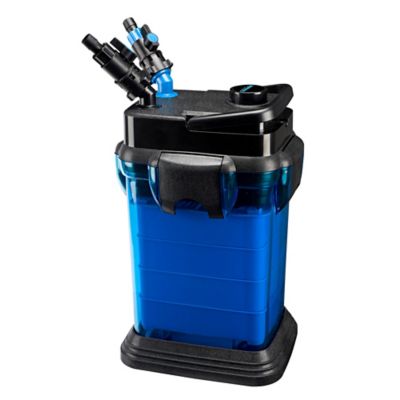
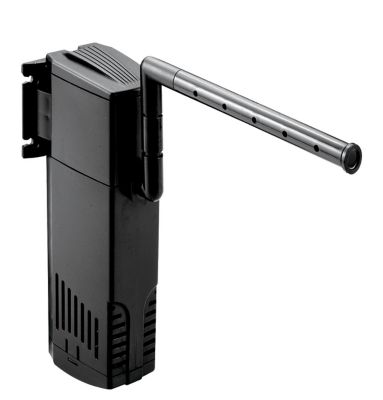
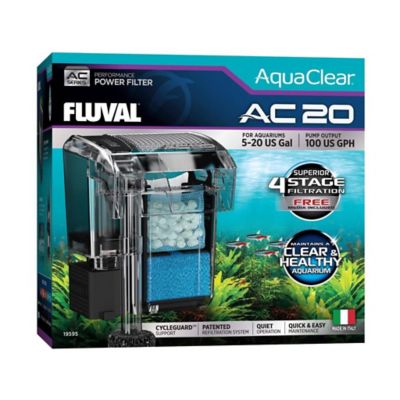
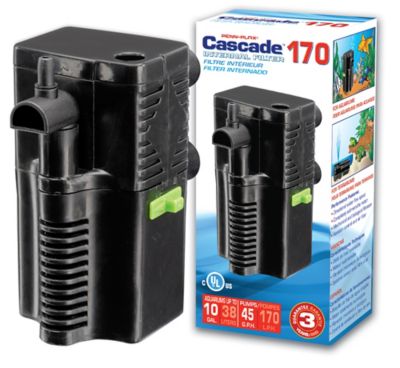
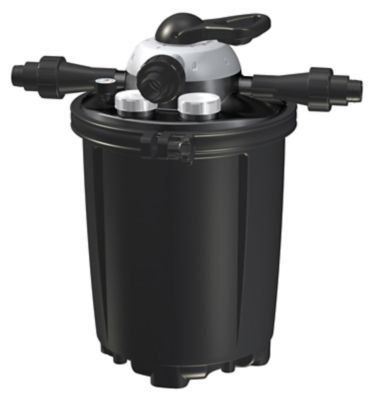
Different aquarium filter styles suit different tanks, spaces and maintenance habits. A hang-on-back filter sits along the tank rim, keeping much of the equipment outside the aquarium while leaving the media within easy reach. Its fit depends on rim thickness, lid openings and the clearance between the tank and the wall. An internal filter stays inside the aquarium, which can work well where outside clearance is limited, though it takes up some swimming space. A canister filter keeps the main filtration chamber outside the tank and moves water through hoses, making cabinet space, hose routing and access to the lid important considerations. Air-driven sponge filters draw water through foam and offer gentle filtration for many fry, shrimp and breeding setups. They need an air pump and tubing, with a check valve helping prevent water from flowing back toward the pump. Each style has its own sound and footprint: a waterfall return may create a steady splash, an air-driven setup produces bubbles, and a motor-driven filter may transmit vibration if it touches a cabinet or tank cover. A quiet room calls for attention to those everyday details. Materials matter as much as layout. Aquarium-safe plastic housings, foam, porous ceramic media, tubing and seals all spend long stretches in contact with water. Saltwater applications need components specifically rated for that environment, especially where metal parts could face corrosion. Secure hose connections, well-fitting lids and intact seals help keep water where it belongs. Access to the impeller, intake and media chamber makes routine cleaning less of a chore. Flow ratings also deserve a close look because published output may not match performance once media, hose length and the height between the filter and tank enter the picture. Compatibility with the aquarium’s dimensions, inhabitants and filtration needs matters more than picking by tank size alone. Readily serviceable parts and clear operating instructions are practical features for a filter expected to run around the clock.
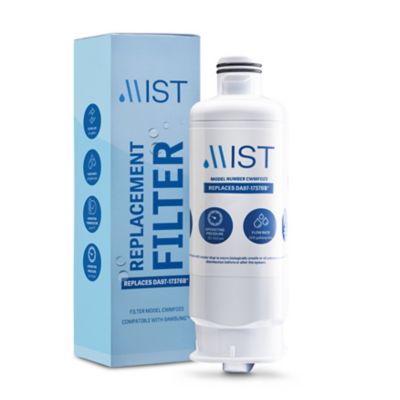
Aquarium filter care is mostly about keeping water moving while protecting the living bacteria inside the system. A pad packed with debris can restrict flow, while a clogged intake may leave parts of the tank with little circulation. Sponges and reusable biological media generally benefit from gentle rinsing in water removed during a water change or in properly dechlorinated water, following the manufacturer’s directions. Untreated tap water may contain disinfectants that harm beneficial bacteria. Replacing every piece of established media at once can also disrupt biological filtration, so the maintenance approach should account for which materials hold that bacterial growth. Disposable cartridges and chemical media have their own replacement requirements; activated carbon does not keep adsorbing substances indefinitely. Medication instructions matter as well, since some chemical media can remove certain treatments from the water. A new filter does not instantly establish a biological cycle, and a newly set-up tank still needs testing while its bacterial population develops. Even an established aquarium needs partial water changes because filtration does not remove every dissolved waste product or restore the water’s mineral balance. Before cleaning or opening powered equipment, disconnect it according to its safety instructions, and keep electrical connections protected with properly arranged drip loops. Checking seals, hose fittings and the impeller during routine care can help catch small problems before they interrupt circulation. Household water treatment is a separate job from aquarium filtration; the systems grouped under
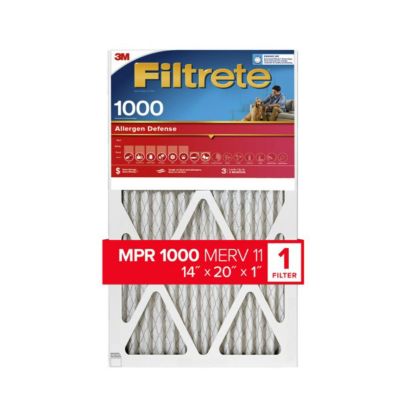
Home Filters should not be treated as interchangeable with fish-tank equipment or media. Aquarium filters need materials and operating conditions suited to aquatic life. For a family aquarium, a child’s first fish tank under adult supervision or a longtime fishkeeper’s larger setup, an easy-to-service filter helps make regular care manageable. Enough room to open the housing, remove the media and clean the intake can make a real difference when a simple water change turns into a little extra tank maintenance.