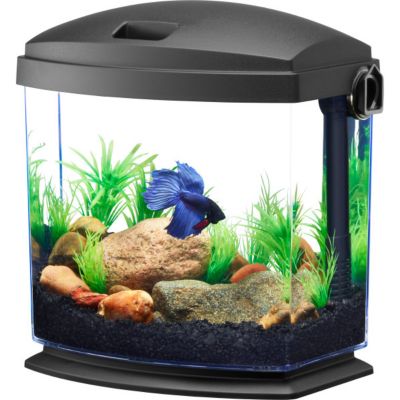
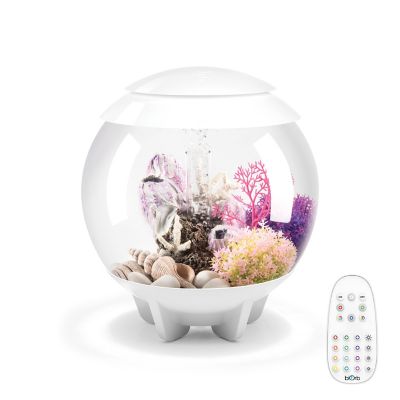
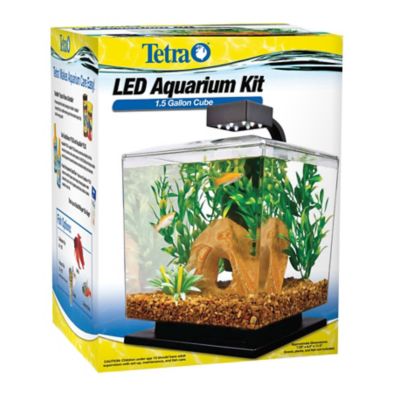
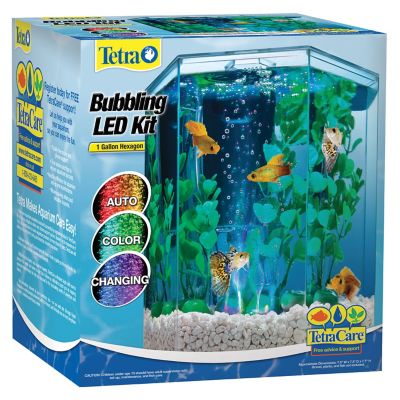
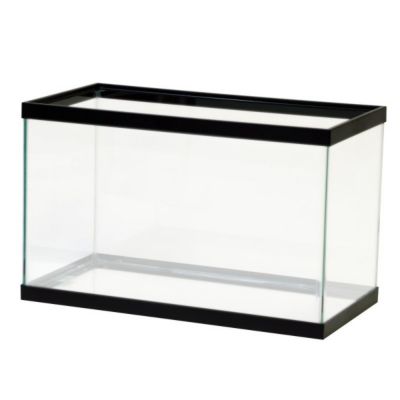
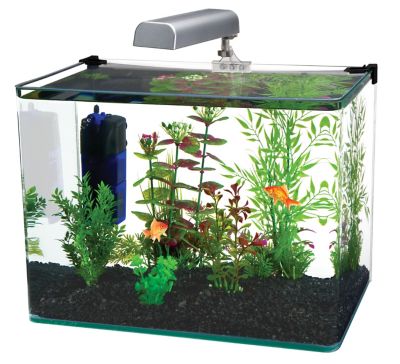
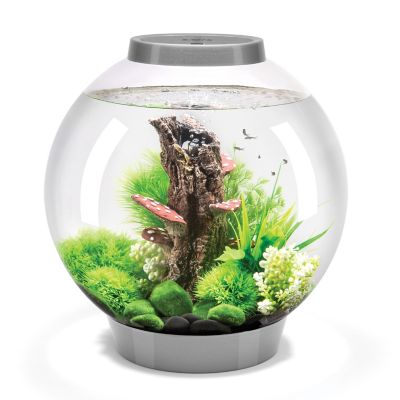
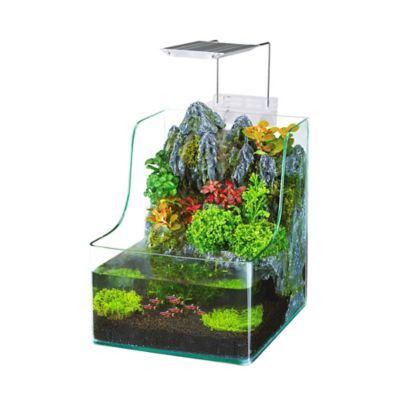
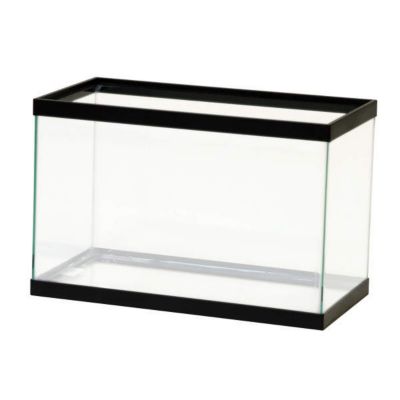
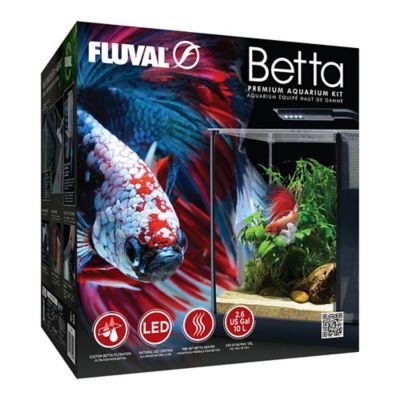
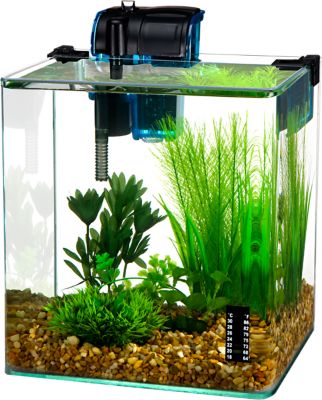
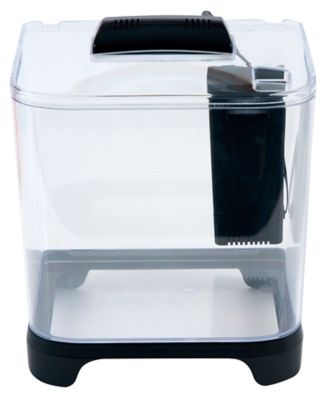
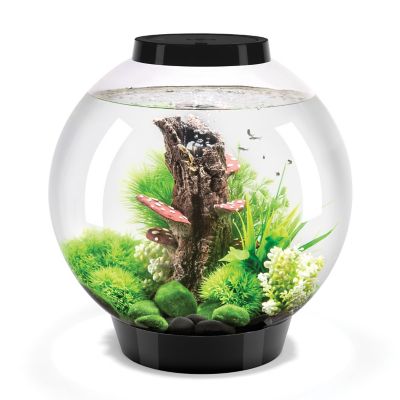
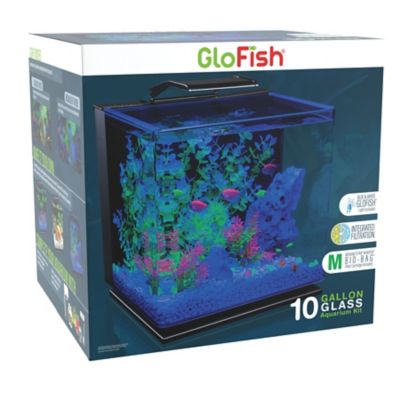
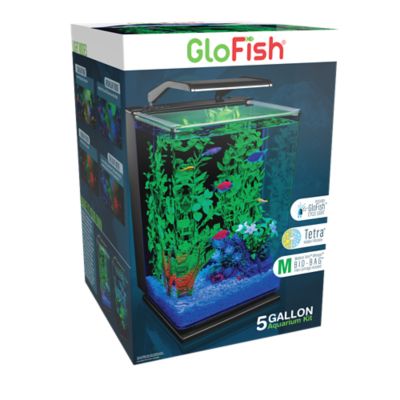
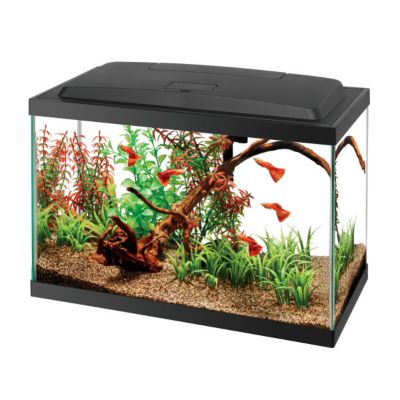
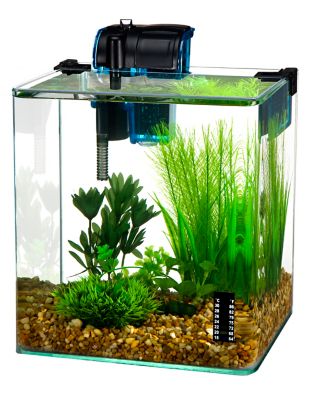
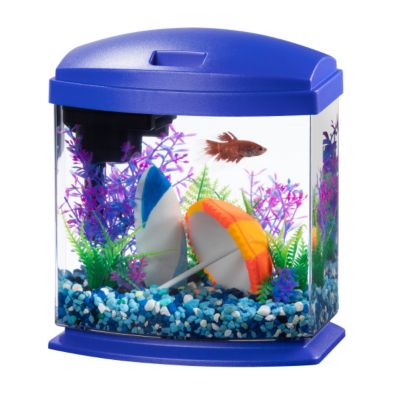
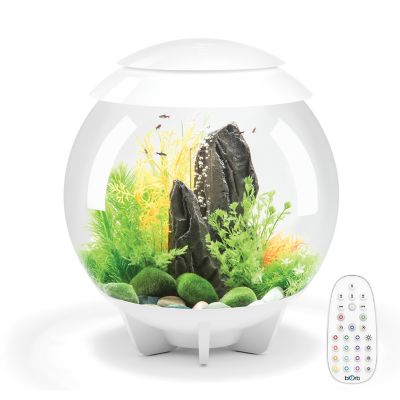
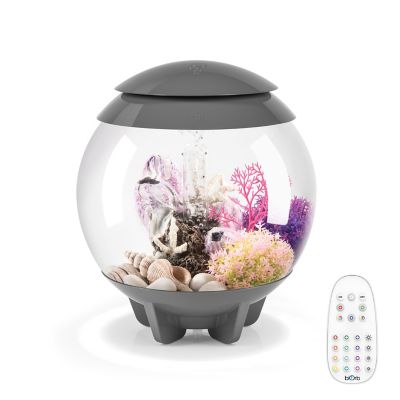
Desktop fish tanks bring a little underwater life to the places where paperwork, homework, and everyday planning get done. A planted aquarium beside a reading chair or at the end of a roomy desk gives you something worth looking at between chores: leaves moving gently in the current, a snail working its way across the glass, or a fish exploring its surroundings. These smaller aquariums suit home offices, study spaces, and quiet corners, but their footprint is only part of the fit. The right tank leaves room for a keyboard, a lamp, and the tasks that still need doing, with enough clearance above the lid for feeding and maintenance. A rectangular shape often offers more swimming length and surface area than a tall, narrow vessel with the same capacity. Straight viewing panels also make it easier to check on fish and spot uneaten food along the bottom. Glass offers clear views and resists everyday scratching, though it carries more weight and needs protection from hard knocks. Acrylic weighs less and stands up well to impacts, but its surface calls for gentle cleaning with tools meant for acrylic. Either material needs a level, steady support that meets the tank maker’s requirements. Water alone weighs about eight pounds per gallon, and the tank, gravel, and equipment add to that load. A lightweight writing desk or a shelf that sags under books is no place for a filled aquarium. Placement matters just as much as size: a spot away from direct sunlight, busy elbows, and the edge of the work surface helps keep the setup manageable. Leave access to an outlet without stretching cords across a walkway, and allow room behind the aquarium for tubing and filter connections. With those basics in place, a desktop aquarium can feel like a natural part of a working room rather than another thing to work around.
Small aquariums need the same thoughtful setup as larger ones, and less water does not automatically mean less work. Waste can build up quickly in a compact tank, so capacity should follow the needs of its future residents rather than the empty patch on the desk. A betta, for example, generally needs at least five gallons, gentle filtration, and a heater that maintains conditions suited to the species. Many other fish need considerably more swimming room or companions of their own kind, making them a poor match for tiny desktop setups. Goldfish grow large and produce substantial waste, so a small desktop tank is not a suitable long-term home. For someone who wants a compact underwater display without the demands of keeping fish, a planted aquarium can offer plenty to enjoy on its own. When livestock is part of the plan, the filter needs to support beneficial bacteria as well as collect debris, and the aquarium must complete its nitrogen cycle before animals move in. That process takes time and testing; clear water alone does not show that a tank is ready. A lid helps limit evaporation and keeps jumping fish contained, while openings should accommodate equipment without leaving unnecessary gaps. Lighting should suit the plants and animals, with a consistent daily schedule and a dark period rather than staying on around the clock. For a desk where phone calls or focused work happen, filter sound is worth considering, too. A gentle hum or trickle may blend into the room, while vibration against a hard surface can become distracting. Adjustable flow can help match water movement to the inhabitants, and protected filter intakes matter for very small animals. Keeping electrical connections dry and forming drip loops in cords helps prevent water from traveling toward outlets. These practical details are what make a small aquarium fit comfortably into daily life, whether it sits near a stack of farm records or beside a student’s notebooks.
The inside of a desktop fish tank should leave room for its inhabitants to move, rest, and behave naturally. Aquarium-safe gravel or sand creates a base for the layout, while smooth stones, suitable wood, and plants can provide shelter without crowding every inch of the bottom. Materials gathered outdoors may carry contaminants or alter water chemistry, so anything placed in the tank needs to be appropriate for aquarium life. Live plants bring texture and movement, but their lighting and substrate needs vary; artificial plants should have smooth surfaces that will not catch delicate fins. An open area near the front makes feeding and observation easier, and accessible corners make cleaning less of a chore. Routine care usually includes checking equipment, testing water, removing waste, and making partial water changes with conditioned water suited to the tank’s inhabitants. Topping off evaporation does not replace water changes because dissolved waste remains behind. Small portions of food help keep leftovers from settling into the substrate, and a siphon sized for a compact aquarium gives better control around roots and tight spaces. Cleaning pads should match the tank material, and soap or household sprays should stay away from the aquarium and its tools. Filter care should follow the manufacturer’s directions while protecting the beneficial bacteria that keep the system functioning; replacing all biological media at once can upset that balance. Desktop tanks can appeal to experienced fishkeepers working with limited space, adults who enjoy tending plants, or families ready to share regular care. Children can help observe animal behavior and keep a feeding record, but an adult should oversee feeding, equipment, and water maintenance. As a gift, an aquarium works best when the recipient wants the responsibility and has a suitable place for it. For a shared project with a partner, an
Aquarium For Valentine's Day can be a thoughtful starting point, with the setup planned together and animals chosen only after their home is ready. A well-matched desktop tank offers more than a pleasant view: it makes room for a small, living routine that rewards steady attention.