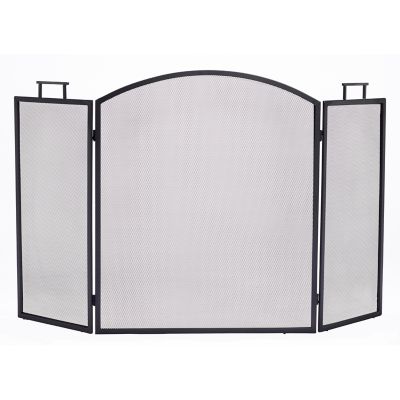
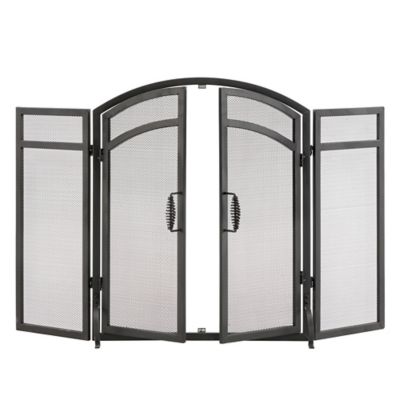
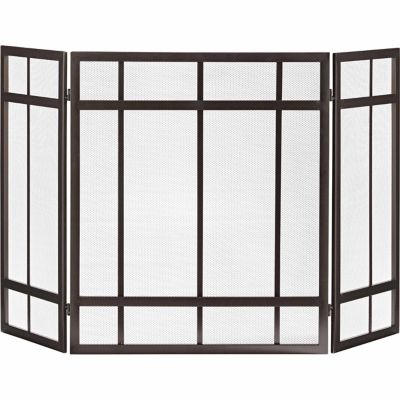
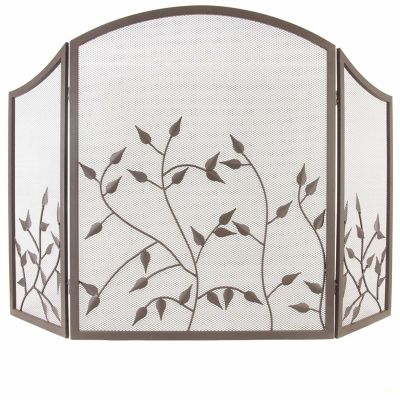
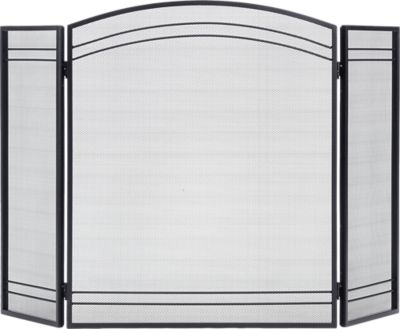
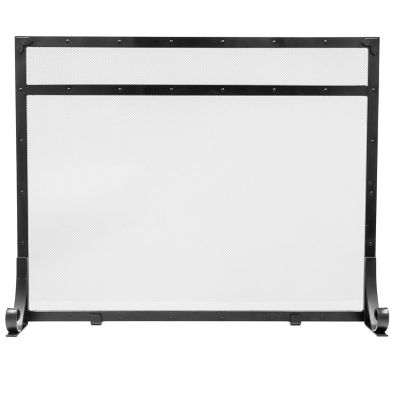
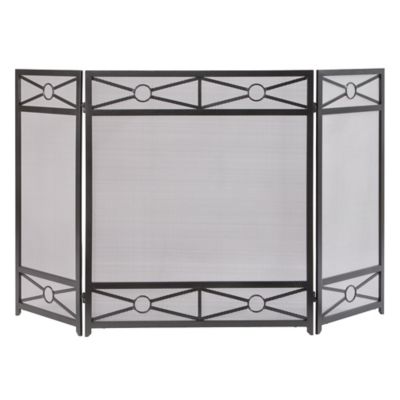
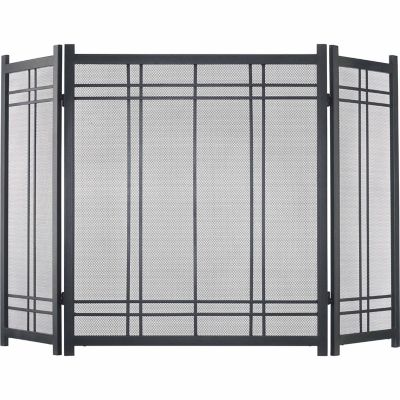
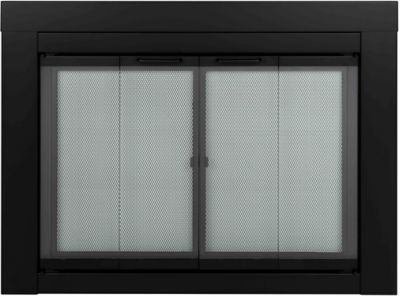
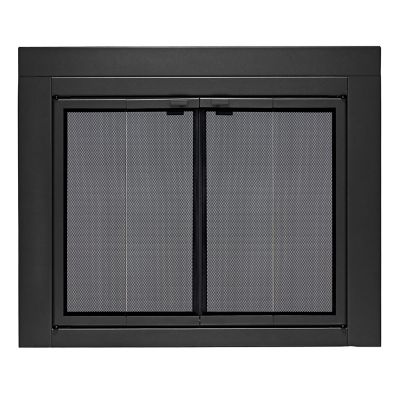
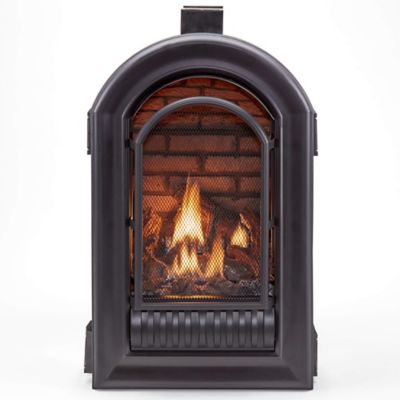
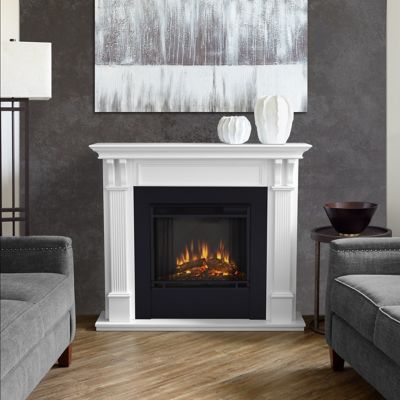
Fireplace screens for gas fireplaces help create a barrier between people and hot fireplace glass while keeping the flames in view. Gas fireplace glass can reach several hundred degrees Fahrenheit and remain hot long after the burner shuts off, so contact protection matters even when the fire is no longer burning. A properly fitted, manufacturer-approved safety screen helps reduce the chance of accidental contact with that glass. A freestanding hearth screen can provide added separation, but it does not replace the safety barrier specified for the fireplace. That distinction matters in a family room where children play on the rug, a living room where pets stretch out near the hearth, or a gathering space where visitors may not realize the glass is hot. Unlike a screen in front of a wood-burning fire, a gas fireplace screen is not primarily there to catch flying embers. Its role depends on the appliance and whether it is an attached safety barrier or a separate room-facing screen. Direct-vent units, gas inserts, and fireplaces fitted with gas logs can have different requirements, even when their openings look much alike. The fireplace manual and model information are the starting points for determining which screen design belongs with the appliance. Neither an attractive front panel nor a close visual fit establishes compatibility on its own. Screens also are not childproof gates, and their frames or mesh may become hot. Adult supervision and appropriate separation remain important around an operating fireplace and throughout its cooling period. In a busy household, a screen works best as part of a clear hearth area, with toys, pet bedding, furniture, and other belongings kept outside the clearances listed by the fireplace manufacturer. That leaves room to enjoy the fire without treating the space directly in front of it as a play area or a shortcut through the room.
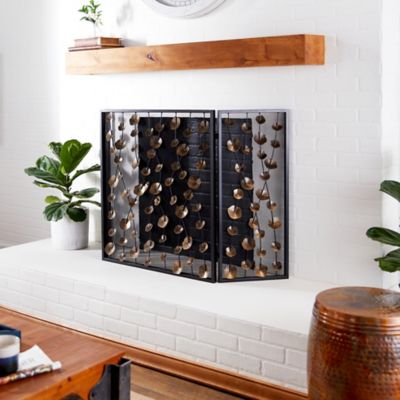
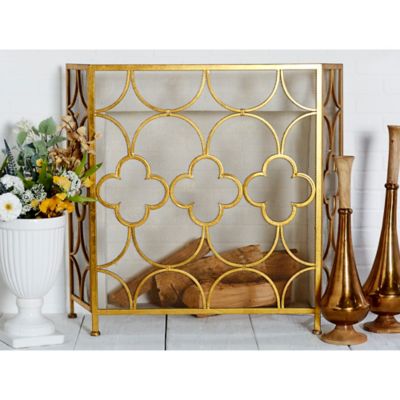
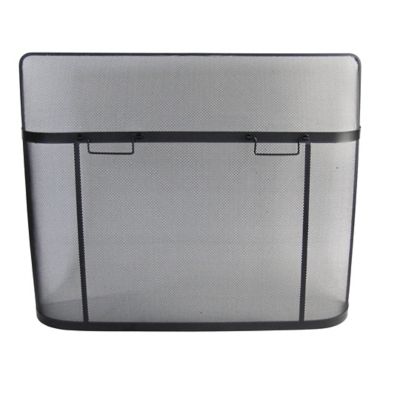
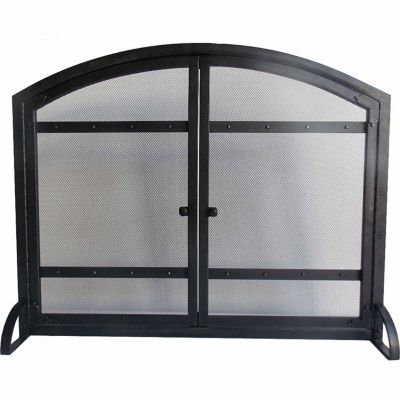
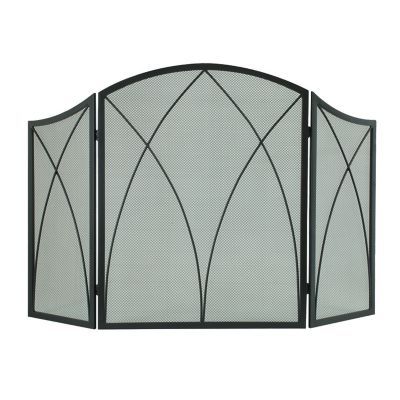
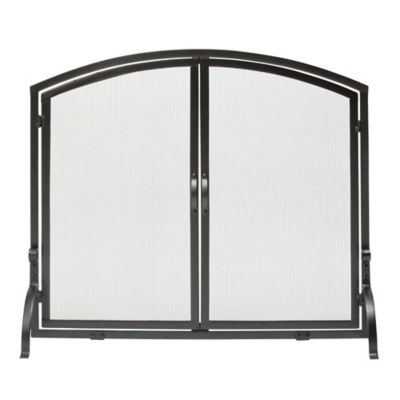
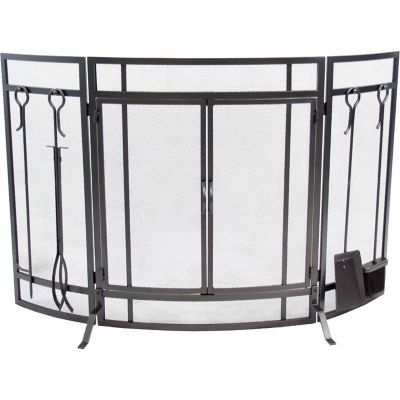
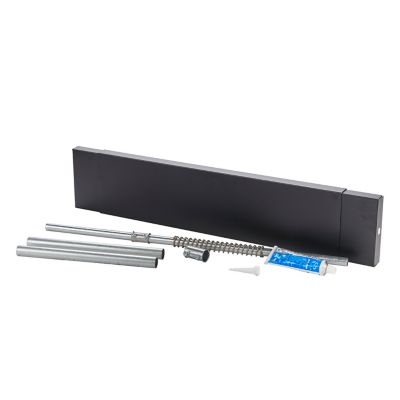
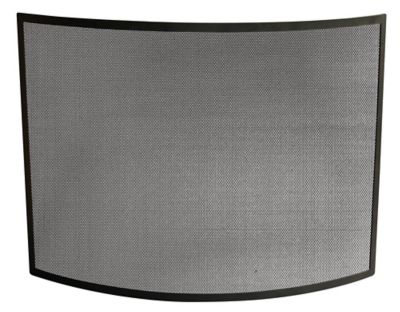
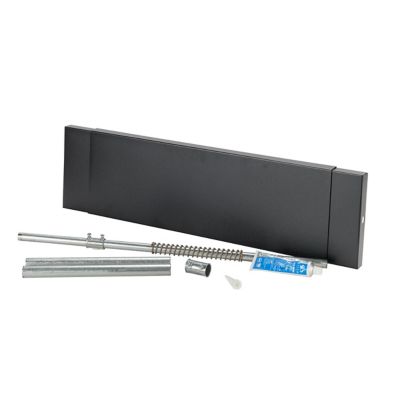
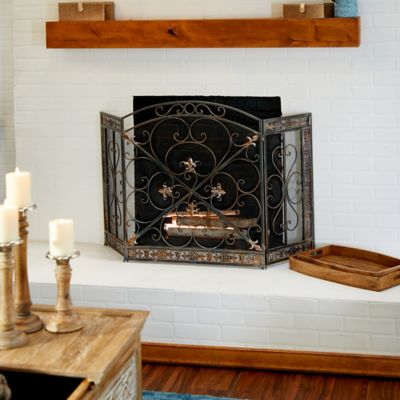
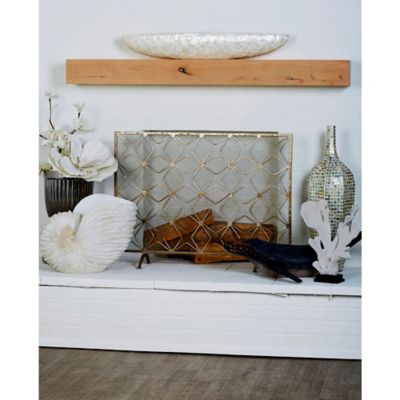
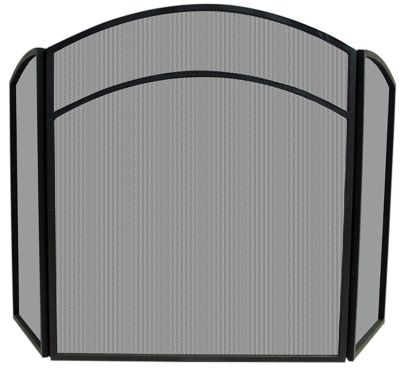
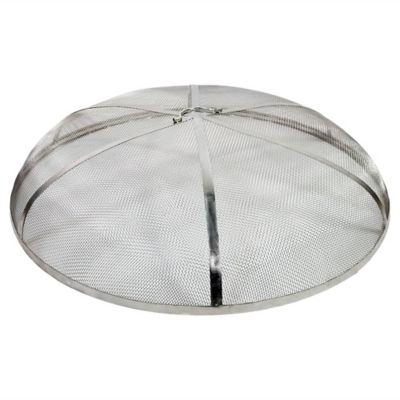
Materials and construction make a noticeable difference in how a fireplace screen looks, stands, and holds up to everyday handling. Steel frames and metal mesh are common, while wrought iron and other metal designs can bring a heavier, more substantial look to the hearth. Fine mesh keeps the flame pattern visible through a closely spaced surface; bars and open scrollwork create a different appearance but should not be mistaken for an approved contact barrier. Black finishes tend to sit quietly against a dark firebox, while bronze tones and brushed metal finishes stand out against pale brick, stone, or a painted surround. A plain rectangular frame fits comfortably in a straightforward farmhouse living room, and an arched top can echo the curves of a masonry opening. Beyond appearance, sound welds, firmly attached mesh, smooth edges, and steady feet are worth attention. A screen that rocks on an uneven stone hearth or has a loose hinge can be troublesome wherever people regularly walk past. Single-panel screens have a simple profile, while folding designs depend on their side panels being positioned for stability. The listed width of a folding screen may describe it stretched flat rather than standing at its intended angle, which affects how much of the opening it covers. Height, overall width, foot depth, and the distance from the fireplace face all contribute to fit. Raised hearths, projecting trim, control access, and ventilation openings can also affect placement. For an attached replacement barrier, matching the fireplace model and approved mounting arrangement matters more than matching dimensions alone. Clips, brackets, and attachment points are not interchangeable across all units. For a freestanding screen, enough hearth space for its full footprint helps prevent an awkward setup with feet near an edge or panels crowding a walkway. Any arrangement needs to preserve the airflow, service access, and operating clearances required by the appliance.
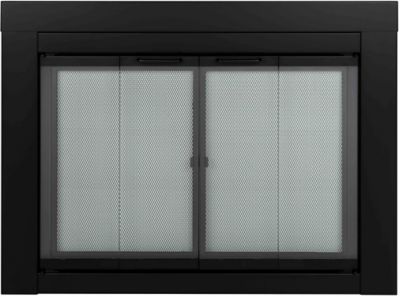
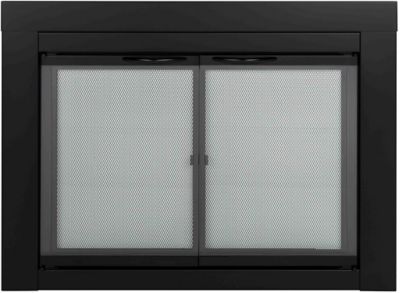
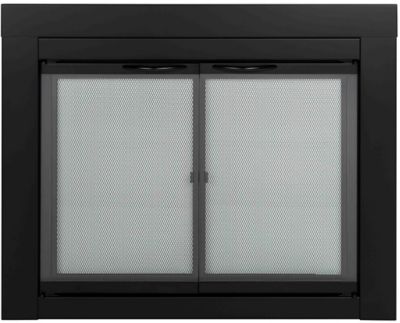
Care is generally straightforward, though the screen material, finish, and fireplace instructions determine the right approach. Cleaning belongs to a fully cooled hearth, after both the appliance and screen have had time to cool completely. Dust and pet hair can collect along the lower frame and in fine mesh, especially in rooms where boots, chores, and four-legged companions are part of daily life. A soft brush or cloth can handle light buildup when permitted by the care directions, without scraping the finish or pulling against the mesh. Abrasive pads, harsh cleaners, and unnecessary moisture can damage some surfaces, while a damp screen left against a metal hearth may encourage corrosion. Routine attention also makes bent mesh, loose fasteners, cracked joints, and worn hinges easier to spot. A damaged safety barrier calls for an approved replacement rather than a makeshift patch or a different attachment method. Screens and fireplace doors deserve separate consideration, too. When comparing screens with
Modern Fireplace Glass Doors, the appliance design comes first: doors are not a substitute for a required safety screen, and a sealed gas fireplace should not receive an unapproved enclosure. Some gas-log installations have specific requirements for door position during operation, so a neighboring fireplace is not a dependable model for another setup. The right arrangement leaves the controls reachable, ventilation unobstructed, and the hearth easy to maintain. It also suits the way the room actually functions, whether that means a quiet chair beside a stone surround or a family gathering space with steady foot traffic. A restrained frame can keep the focus on the flames, while a more detailed metal pattern can tie in with nearby lighting or hardware. Appearance has its place, but sound construction, proper fit, and appliance compatibility are what make a gas fireplace screen a sensible part of the hearth.