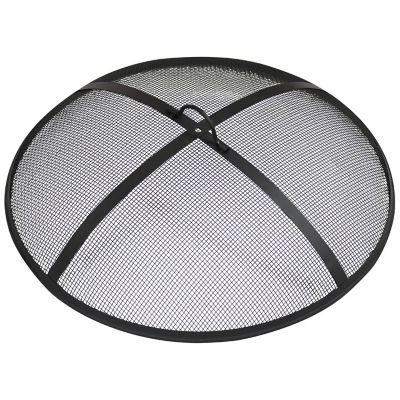
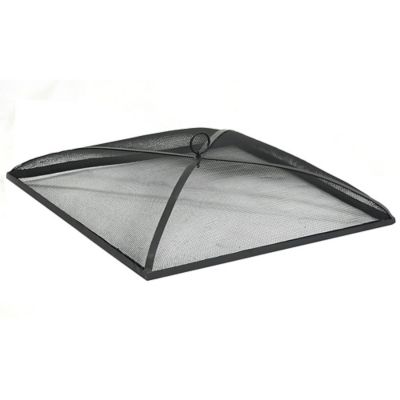
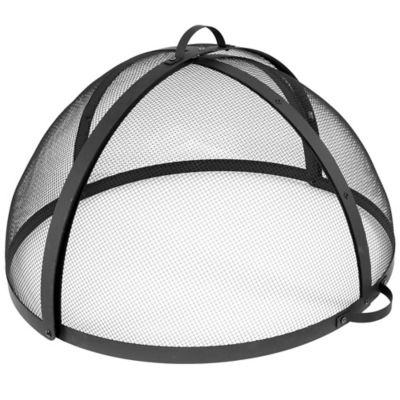
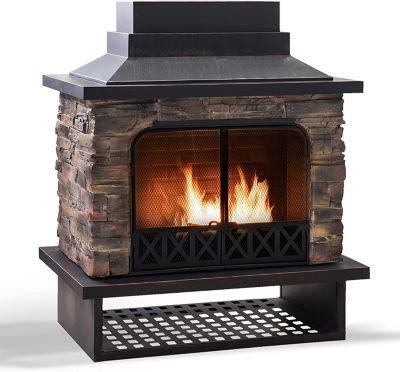
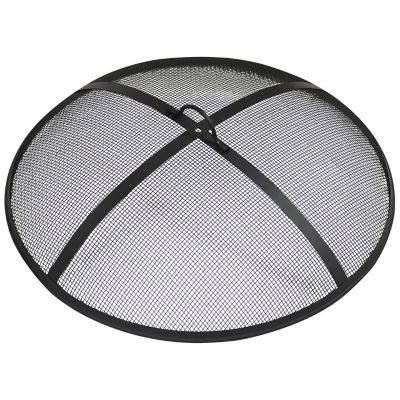
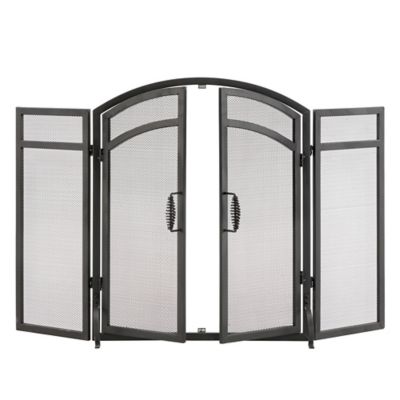
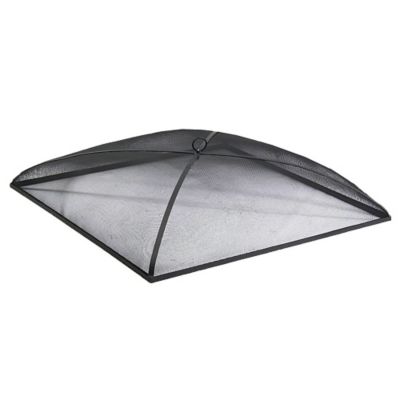
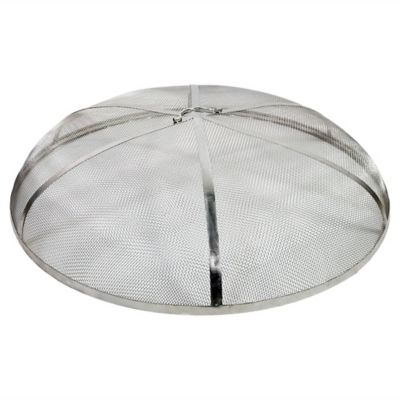
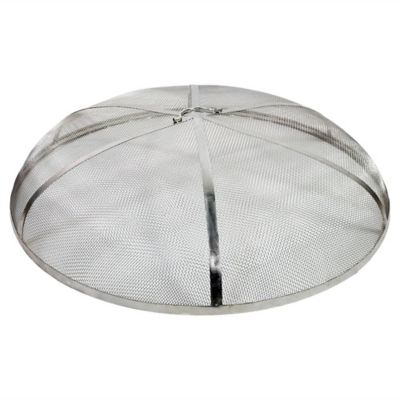
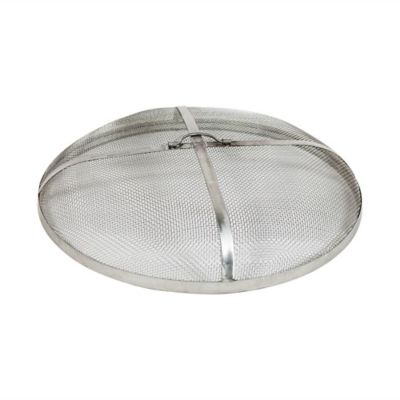
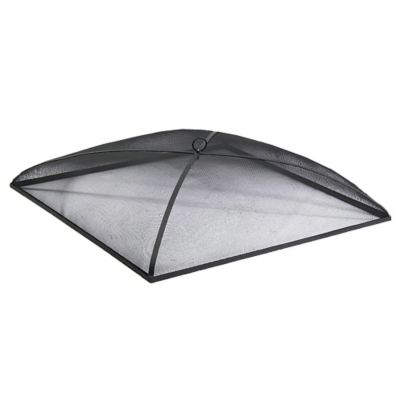
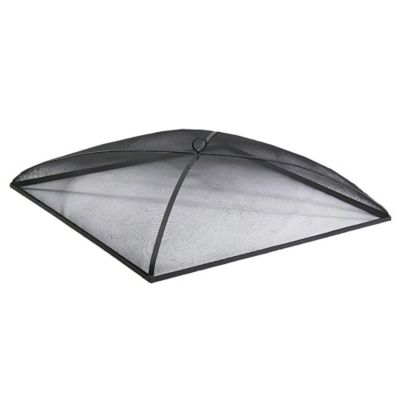
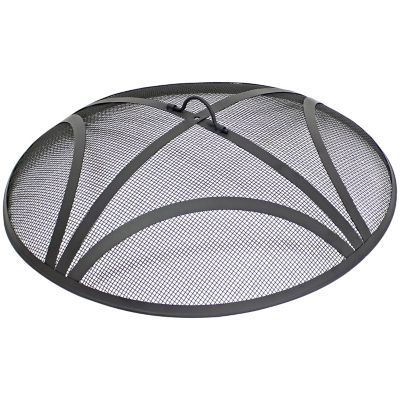
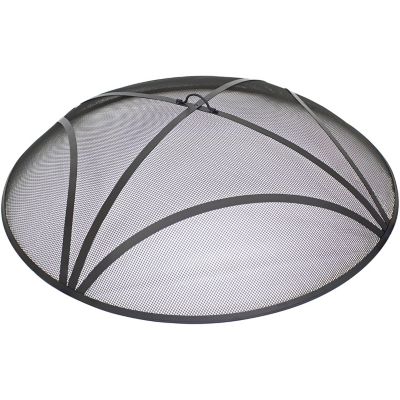
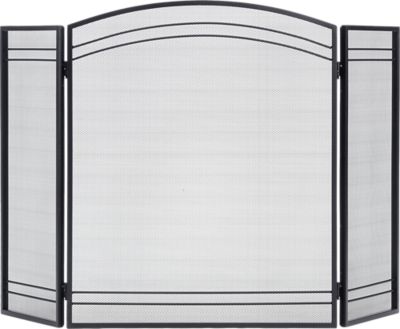
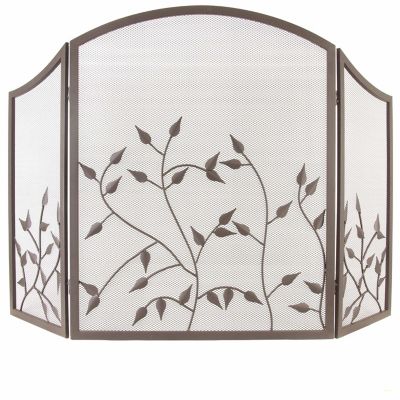
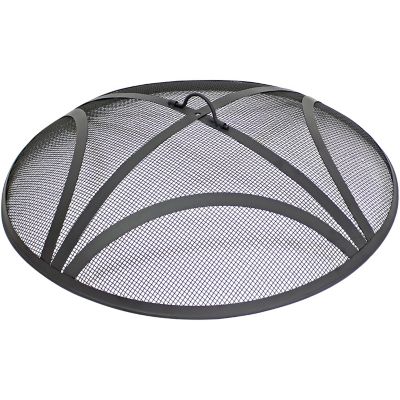
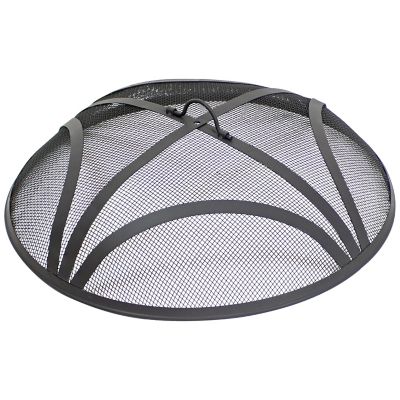
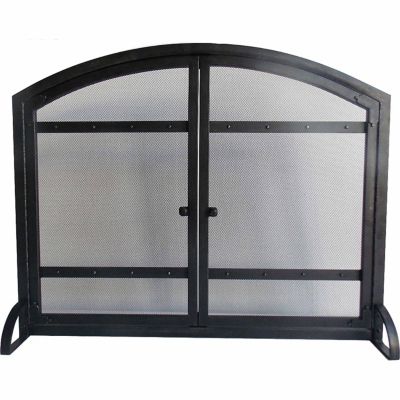
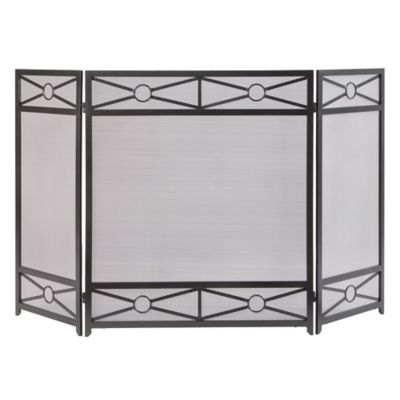
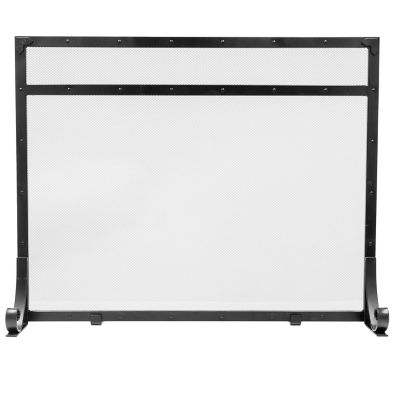
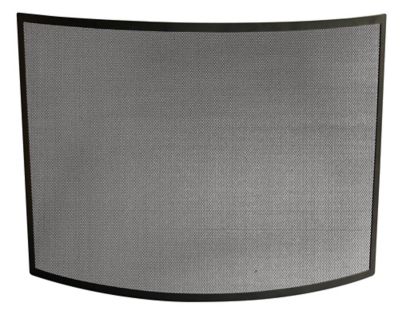
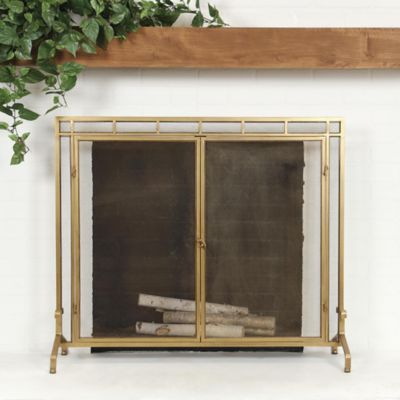
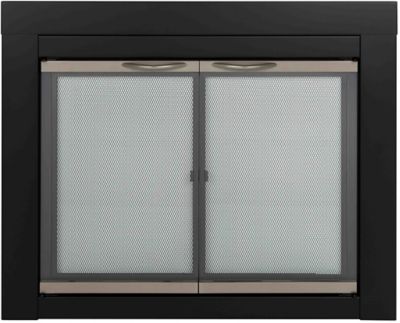
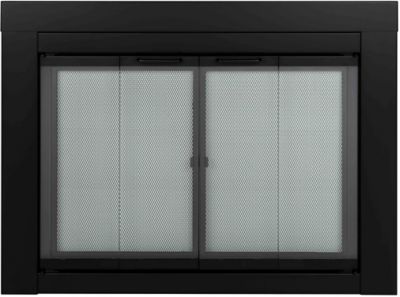
Fireplace spark guard screens place a fine metal mesh barrier between an open fire and the room, helping contain popping sparks and stray embers while letting warmth and firelight pass through. On a working hearth, that barrier serves a practical purpose: a shifting log or a pocket of moisture in firewood can send a glowing fragment toward the floor. A properly fitted screen helps intercept those fragments without hiding the view of the flames. These screens belong in front of compatible indoor fireplaces, with the exact placement and coverage determined by the fireplace and screen manufacturers’ instructions. They do not replace a sound firebox, a clear chimney, a noncombustible hearth extension, or an attentive adult tending the fire. Their appeal reaches from a farmhouse living room to a cabin gathering space, wherever an open fireplace is part of everyday life. Flat screens offer a straightforward profile, while folding screens create an angled barrier with side panels that stand on the hearth. Some spark guards have a projecting shape that surrounds more of the area immediately in front of the opening; others sit closer to the fireplace face. The right style depends as much on the stonework, hearth depth, and access to the fire as it does on appearance. A broad brick opening, for instance, presents a different fit than a narrow opening bordered by uneven fieldstone. Dark metal frames tend to blend with iron fireplace tools and black firebox interiors, while lighter metallic finishes can provide contrast against brick or stone. Simple lines leave the masonry in view, and curved tops can echo an arched opening. Beyond looks, the most useful features are a stable stance, intact mesh, sound frame connections, and enough coverage for the opening. A screen should suit the way the fireplace operates rather than merely fill the space in front of it.
Materials and construction influence how a fireplace spark guard screen handles repeated exposure to heat and routine movement around the hearth. Steel and iron are common frame materials, providing structure for woven or expanded metal mesh. The mesh needs to be fine enough for its intended spark-containment role while maintaining the openness needed for the screen’s design. Frame thickness alone does not tell the whole story: well-supported mesh, firm joints, secure hinges, and properly positioned feet all contribute to a screen that holds its shape and stands steadily. A heavier frame may be less convenient to lift when adding wood, while a lighter screen still needs a base that resists tipping during normal handling. Finishes should be suitable for the heat exposure specified by the manufacturer, and any metal surface near a fire can become hot enough to burn skin. Fit starts with the full fireplace opening, including the highest point of an arch and the widest part of the firebox face. The screen needs to provide the coverage and overlap called for by its manufacturer; a stated width that merely matches the opening may not provide enough protection at the edges. Folding designs deserve particular attention because their overall panel width is not the same as the span they cover when the side panels are angled into a standing position. Hearth depth matters, too. Feet and side panels need firm support on the noncombustible hearth, without hanging over an edge or crowding nearby furnishings. Raised hearths, rough stone surfaces, projecting trim, and existing door frames can all affect placement. For a fireplace that gets frequent tending, handles or access doors may make loading wood more manageable, provided the design remains compatible with the opening and is operated as directed. A well-matched screen leaves practical access to fireplace tools and controls without forcing awkward reaches over hot metal. Handles should never be assumed cool to the touch, even when they sit away from the center of the fire.
Everyday use and care help keep a spark guard ready for its next fire. A screen is an ember barrier, not a childproof enclosure or a pet gate, and it does not make nearby rugs, baskets, kindling, or upholstered furniture safe from heat. Children and animals need a safe distance from the entire fireplace area, including the screen itself. For a household with a curious dog or visiting grandchildren, that distinction matters more than the height or weight of the frame. The fire still needs supervision, and the screen should remain in its intended protective position whenever the fireplace instructions require it. After the fire is fully out and the screen has cooled, loose ash and soot can generally be removed with a soft brush or another cleaning method approved for the finish. Harsh abrasives, prolonged moisture, and cleaners not intended for the material can damage the surface. Routine inspection can reveal separated mesh, loose fasteners, bent feet, or hinges that no longer hold the panels in position. Those problems deserve attention before another fire, since a small opening or an unsteady panel can undermine the screen’s purpose. Folding screens should be moved by the points intended for lifting rather than by pulling on the mesh, and stored dry where the panels will not be crushed by stacked firewood or tools. Where a hearth setup includes
Tempered Glass Fireplace Doors, the doors and spark screen have distinct roles; whether the glass must stay open during a fire depends on the fireplace and door manufacturers’ instructions. Glass doors should not be treated as an interchangeable substitute for a mesh screen. For homeowners furnishing a new hearth, or someone choosing a practical housewarming gift, confirmed opening measurements and fireplace compatibility make the selection far more useful than appearance alone. A screen that fits the masonry, stands securely, and allows sensible access to the fire earns its place alongside the log rack and fireplace tools.