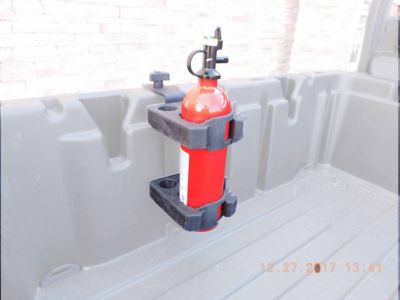
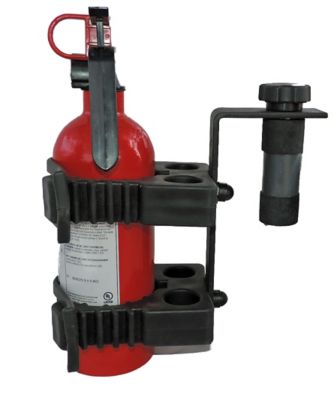
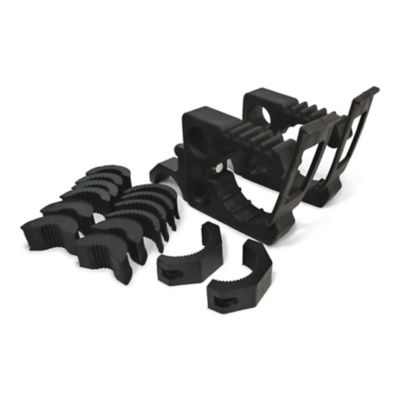
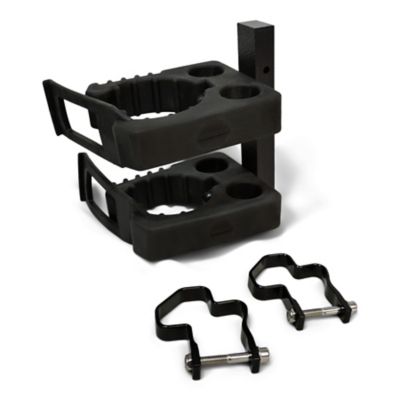
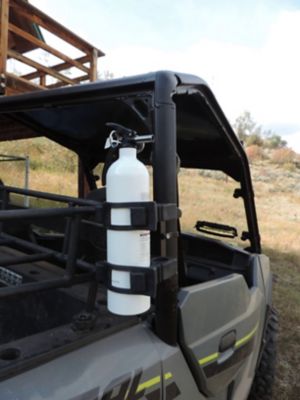
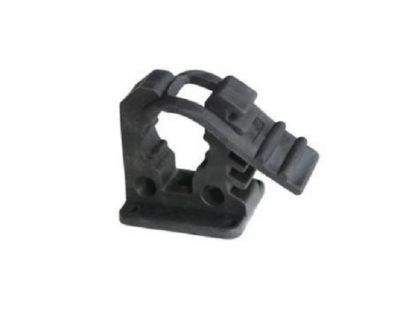
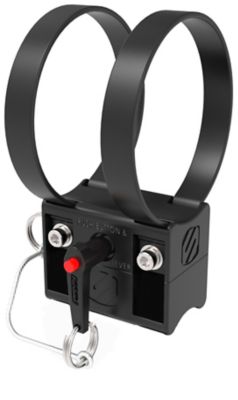
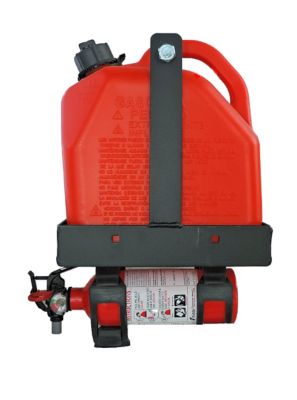
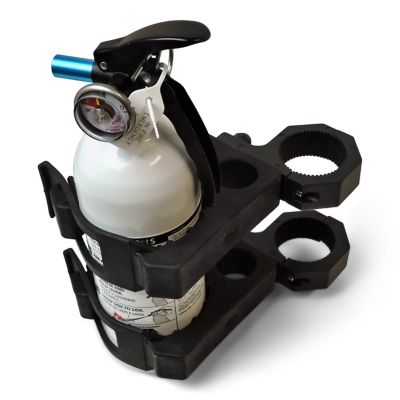
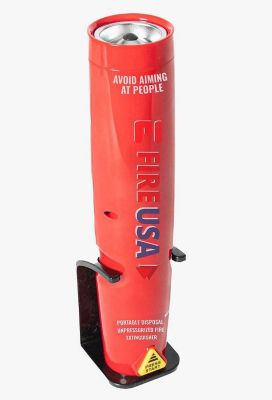
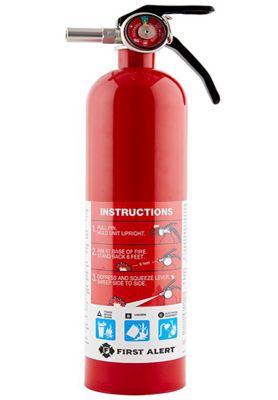
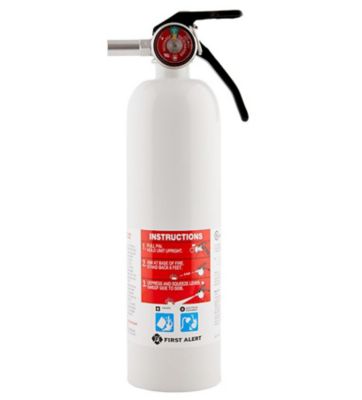
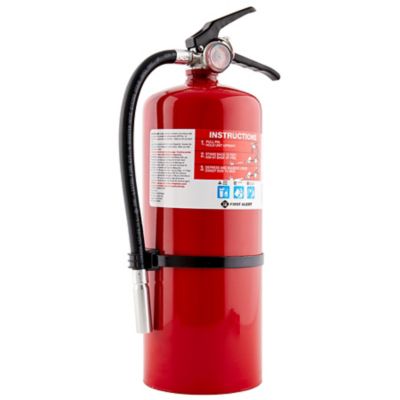
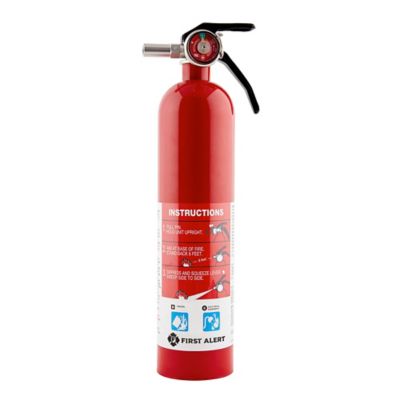
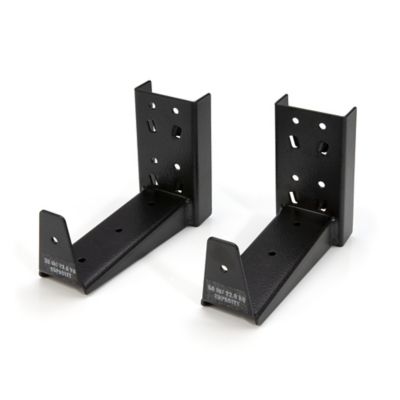
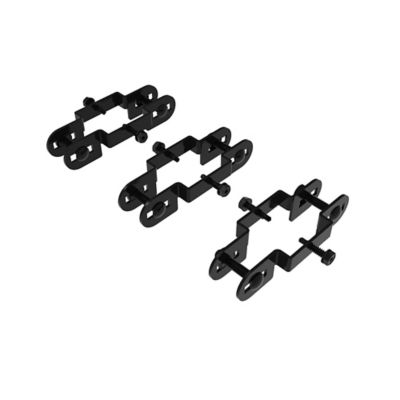
Fire extinguisher brackets keep an extinguisher supported, visible and within reach instead of loose on a workbench or tucked behind supplies. A properly matched bracket gives the cylinder a designated spot on a wall or another suitable mounting surface, while allowing removal when needed. These mounts serve homes, garages, barns, workshops and business spaces, with separate designs intended for vehicles, equipment and boats. Common styles include wall hangers that engage a matching opening on the extinguisher, cradles that support the cylinder, and retaining brackets with straps or latches. A simple wall hanger may suit a stationary indoor location, while a vehicle bracket needs retention features suited to vibration and movement. Quick-release designs provide access through a release mechanism, though the way that mechanism operates varies by design. Fit matters more than a similar-looking shape: cylinder diameter, overall height, hanger configuration and the extinguisher manufacturer’s mounting recommendations all play a part. An extinguisher’s listed agent capacity does not necessarily represent its total loaded weight, so bracket load ratings need to account for the complete unit. Two extinguishers with the same agent capacity may have different cylinder dimensions or mounting details. Steel offers strength for many mounting applications, and protective finishes help limit corrosion and surface wear. Stainless steel or aluminum may suit certain environments, provided the bracket is rated for the extinguisher and intended location. Material alone does not establish compatibility or suitability for vehicle or marine service. The shape of the cradle, security of the retaining system and attachment points all contribute to how a mount performs. Around a busy shop, those details matter when people carry lumber past a doorway, roll a tool cart along a wall or load equipment into a truck. The right match keeps the extinguisher in its assigned place without turning routine access into a struggle with an ill-fitting strap or a cramped latch.
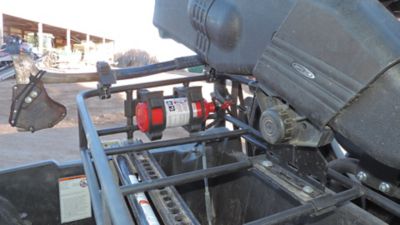
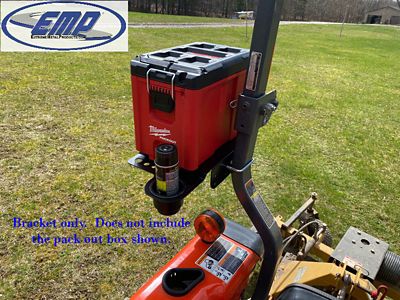
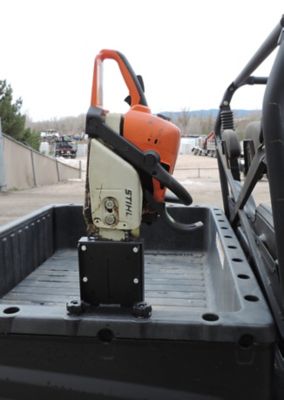
A fire extinguisher wall bracket works best as part of a planned location, not simply wherever an open patch of wall happens to be. Visibility, a clear approach and adequate support all matter. Near an exit or along a normal travel path can be practical, provided the placement follows applicable requirements and does not obstruct the doorway or walking area. Mounting directly above cooking equipment or beside a likely fire source can make an extinguisher difficult to reach when it is needed. In a farm shop, the space beside a clear personnel door may make more sense than the wall behind a welder, fuel containers or stacked feed bags. In a garage, shelving, open vehicle doors and stored tools can affect access even when the extinguisher itself remains visible. Wall construction also affects the mounting arrangement. Wood framing, solid blocking and masonry call for appropriate fasteners, and a bracket package does not necessarily include hardware suited to every surface. The supporting surface and fasteners must carry the full mounted load; thin wall coverings alone may not provide adequate support. Mounting height, clearance and placement should follow the extinguisher manufacturer’s directions and applicable fire-safety requirements for the setting. Vehicle and equipment installations bring another set of considerations, including vibration, abrupt movement and clearance around controls, pedals, seats and doors. A stationary wall hanger is not automatically suitable for a truck cab, utility vehicle or trailer. For those applications, the bracket needs to be identified by its manufacturer for the mounting conditions and compatible with the extinguisher. Straps and latches should retain the cylinder without interfering with the valve, operating lever, safety pin or hose. Enough room around the release is important, too, especially in a tight cab or equipment compartment. A mount that looks tidy but leaves the latch pressed against a seat frame can be inconvenient at best and difficult to operate when seconds matter. Visibility of the extinguisher’s operating instructions and inspection information is another worthwhile consideration.
Everyday care helps a fire extinguisher bracket remain ready for its job. Dust, chaff, shop residue and moisture can collect around a cylinder cradle or latch, particularly in working buildings where doors open often and equipment comes and goes. Cleaning methods should follow the bracket manufacturer’s directions, with attention to keeping retaining surfaces and release mechanisms free of buildup. Harsh cleaners, added lubricants or altered straps can affect certain materials and mechanisms, so maintenance should stay within those directions. Loose fasteners, bent mounting plates, cracked straps, corrosion or a latch that no longer closes properly deserve attention rather than a makeshift repair. The wall or mounting surface matters just as much as the metalwork: damaged masonry, split backing or enlarged fastener holes can weaken the attachment even when the bracket itself appears sound. After an extinguisher is removed for inspection or service, returning it to the correct bracket helps preserve the intended fit. A replacement cylinder may need a different mount, even if it carries the same agent rating as the previous one. General
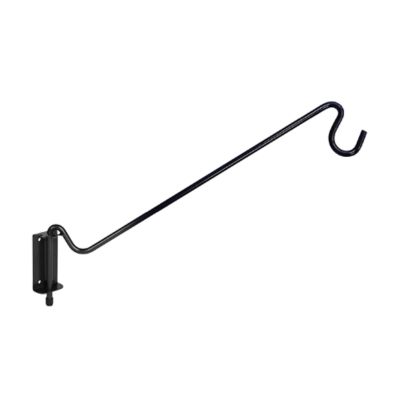
Hanging Brackets handle plenty of storage jobs around a shed or workshop, but an extinguisher calls for mounting hardware specified for that purpose, its dimensions and its setting. Rope loops, shelf hooks and improvised straps are not substitutes for a compatible extinguisher bracket. For property owners, farm crews, mechanics and shop managers, a consistent mounting location also makes routine checks easier. An empty bracket is easier to notice than an extinguisher missing from an unmarked corner. The mount does not replace extinguisher inspection, servicing or training, but it supports an orderly fire-safety setup by keeping essential equipment off the floor and in a known location. Whether the setting is a small garage or a working farm building, the practical considerations stay much the same: a sound attachment, a secure fit, a clear approach and a release that operates as intended. Those details help keep fire extinguisher storage straightforward without adding clutter to an already busy workspace.