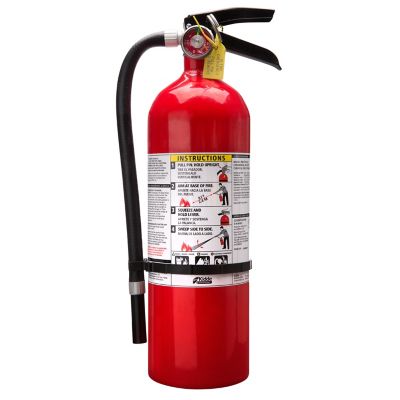
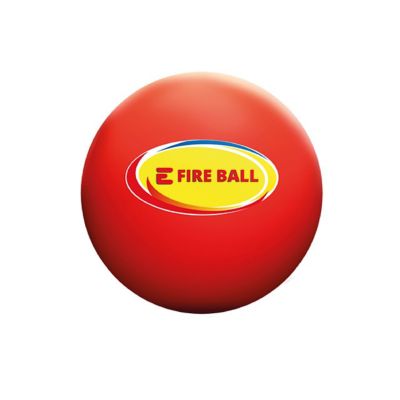
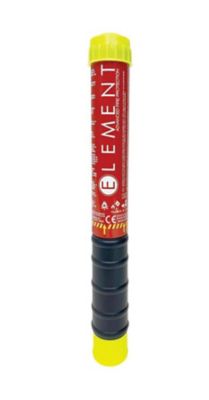
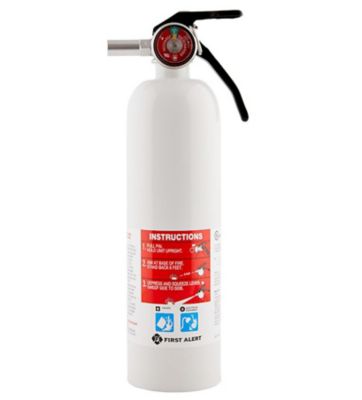
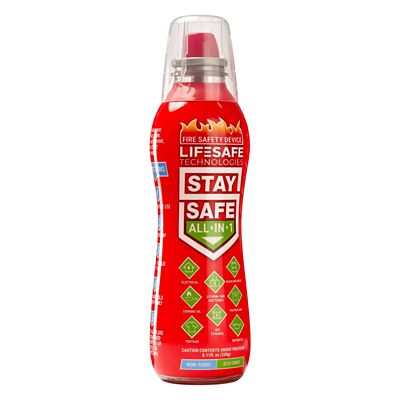
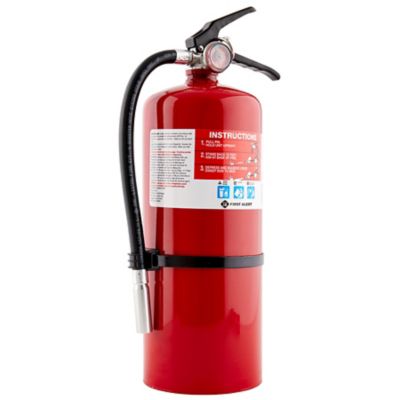
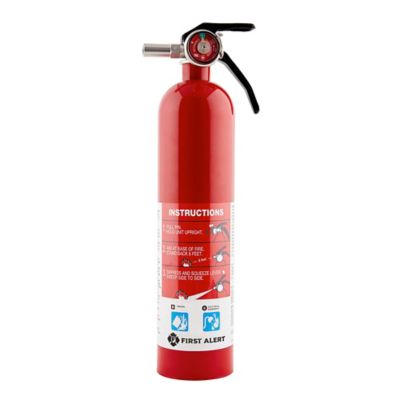
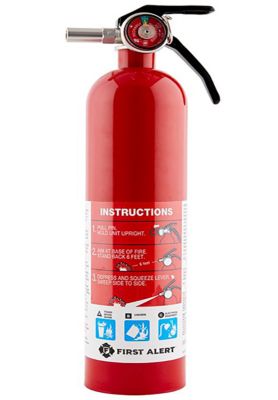
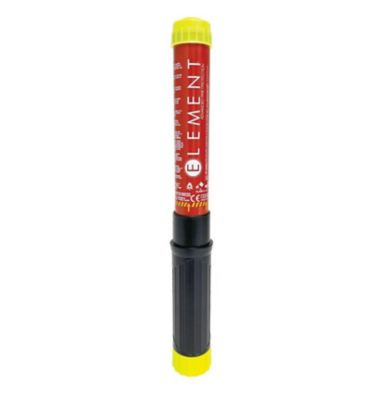
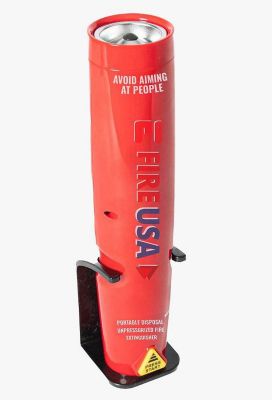
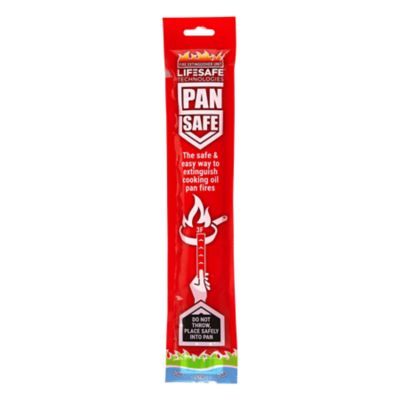
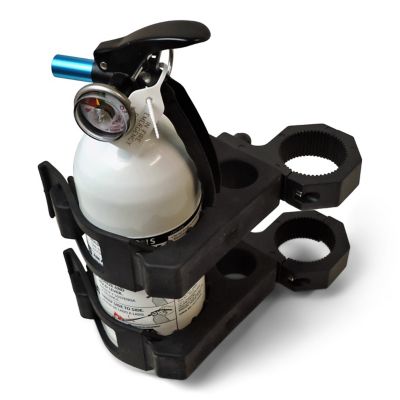
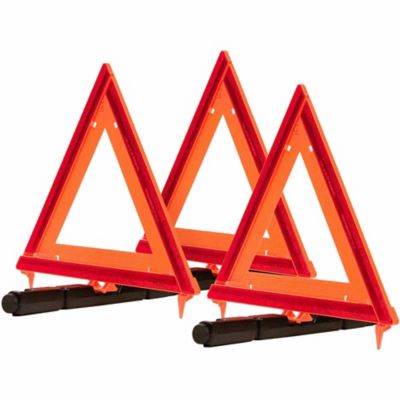
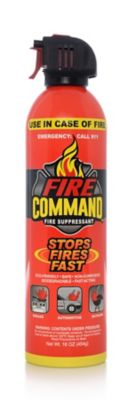
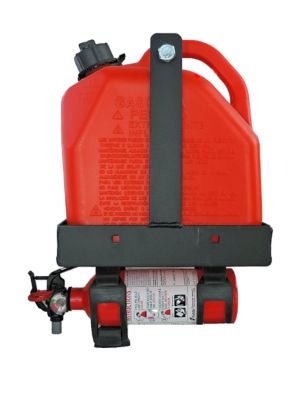
Fire extinguishers are a small but important part of a home, barn, shop, vehicle, or workplace safety setup. A handheld extinguisher is made for putting out a small, contained fire before it has time to spread, giving people a better chance to get outside safely and call emergency services. For most homes, an ABC-rated fire extinguisher is a practical choice because it is designed to handle common fires involving wood, paper, cloth, trash, and some plastics; flammable liquids such as gasoline, oil, and grease; and energized electrical equipment or wiring. Class A covers ordinary combustibles, Class B covers flammable liquids, and Class C covers electrical fires. Specialized Class K extinguishers are intended for commercial kitchens where cooking oils and fats can burn at high temperatures. Take a close look at the rating before buying, and match it to the space where the extinguisher will be kept. A kitchen, garage, utility room, workshop, farm shop, camper, boat, or vehicle may each call for a different size or fire rating. Larger units hold more extinguishing agent and may provide longer discharge time, while smaller units are easier to handle and store in tight spots. Keep an extinguisher where it can be reached quickly, not buried behind boxes, tools, feed bags, or cleaning supplies. A unit near the kitchen exit, another by the garage or workshop door, and additional coverage near fuel storage, heating equipment, or electrical panels can help put safety equipment within easy reach. In rural homes and outbuildings, it is also wise to think about areas where sparks, hot engines, welding equipment, wood stoves, hay, sawdust, or fuel may be present. Never use an extinguisher that is not rated for the kind of fire involved, and do not rely on a standard household extinguisher for a deep fryer or other commercial cooking-oil fire.
Before an emergency, take a few minutes to read the label and become familiar with the handle, safety pin, pressure gauge, and nozzle. If a fire starts, make sure everyone else is getting out, keep a clear exit behind you, and call 911 or have someone call for help. Only attempt to put out a fire that is small, contained, and still in its early stage. If flames are spreading, smoke is heavy, the room is filling with heat, or the fire is larger than you can safely manage, leave immediately and let trained firefighters handle it. For a small fire, remember PASS: pull the pin, aim the nozzle low at the base of the flames, squeeze the handle, and sweep from side to side. The goal is to cover the burning material, not simply spray the tops of the flames. Keep moving carefully, watch for the fire to flare back up, and never turn your back on it while it is still burning. Even after the flames appear to be out, hot materials can reignite, so get everyone to a safe location and wait for emergency personnel when appropriate. Extinguishers work best when stored in a clean, dry place away from extreme heat, freezing temperatures, moisture, and direct sunlight. Check the pressure gauge at least once a month to make sure it is in the green zone, and look for a damaged hose, clogged nozzle, missing pin, corrosion, leaks, dents, or a loose handle. A unit that has been discharged, even briefly, generally needs service or replacement. Some extinguishers are disposable, while rechargeable models can be inspected and refilled by a qualified service provider. Follow the manufacturer’s instructions for service life and replacement rather than relying on appearance alone; many disposable household units are replaced after a set number of years, often around 12, but the label and local fire-safety guidance should be the final word. Mounting the extinguisher securely where it is visible and easy to grab helps prevent it from being knocked over, damaged, or forgotten. Keep important papers, valuables, and emergency supplies organized as part of the same safety-minded setup with
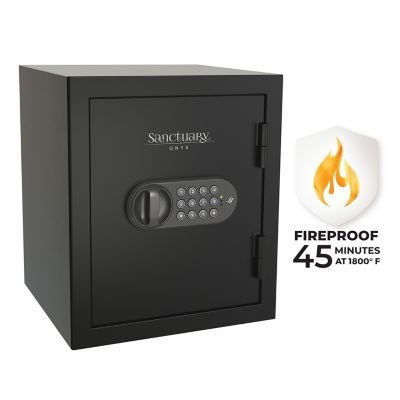
Fire Proof Safes and other protective storage options.
A fire extinguisher can be a thoughtful, practical gift for someone moving into a first home, setting up a garage workshop, buying a camper, opening a small farm stand, or outfitting a hunting cabin. It is also a sensible housewarming addition for family members who cook often, use a wood-burning stove, keep equipment in a detached shop, or spend weekends working on engines and machinery. Pairing an extinguisher with a simple check of smoke alarms and a clear family escape plan makes the gift even more useful without taking up much room. When selecting one, consider who may need to lift and operate it, where it will be stored, and the kinds of materials found nearby. An older family member or someone with limited strength may be better served by a lighter model that is still properly rated for the intended location. For a work area with welding tools, fuel cans, paint, propane, or electrical equipment, choose coverage based on those hazards and consider professional fire-safety advice for larger buildings or agricultural operations. An extinguisher is not a substitute for smoke alarms, carbon monoxide alarms, safe fuel storage, good wiring, or careful housekeeping. Keep combustible clutter away from heaters, clean grease buildup from cooking areas, and make sure children know to leave the building rather than trying to use the extinguisher. During the warmer season, dry grass, outdoor cooking, engines, and equipment can add fire risk around a property; during cooler months, fireplaces, space heaters, furnaces, and wood stoves deserve extra attention. Keeping the right fire extinguishers ready in the places where fires are most likely to begin gives a home or worksite one more layer of protection when every second matters.