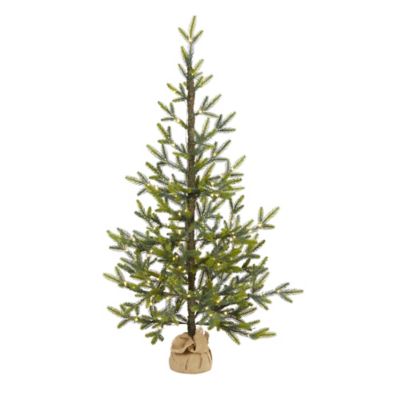
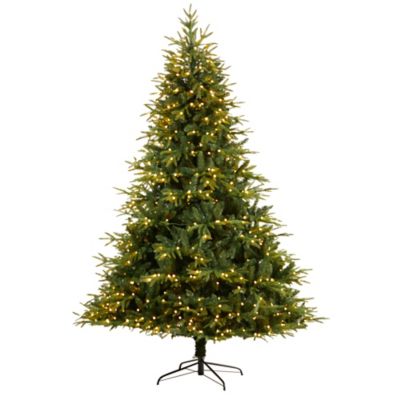
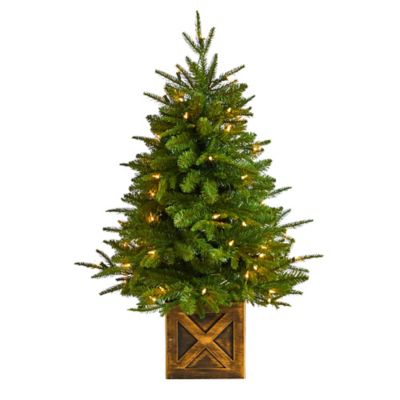
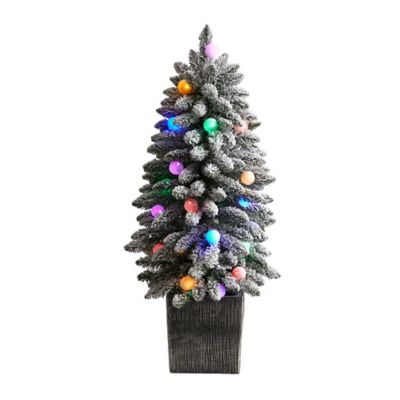
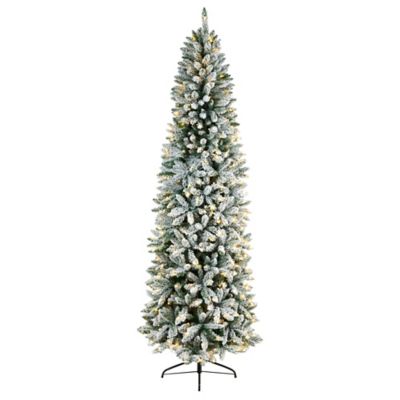
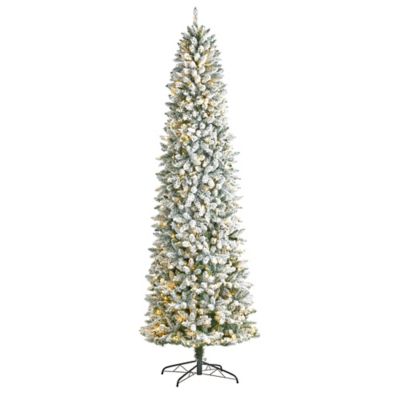
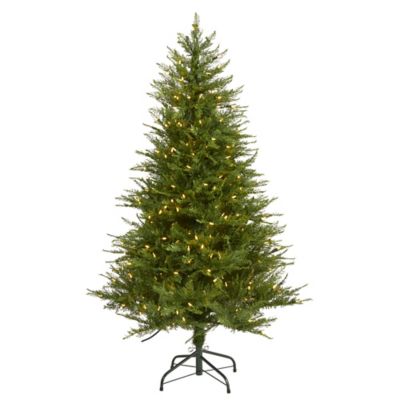
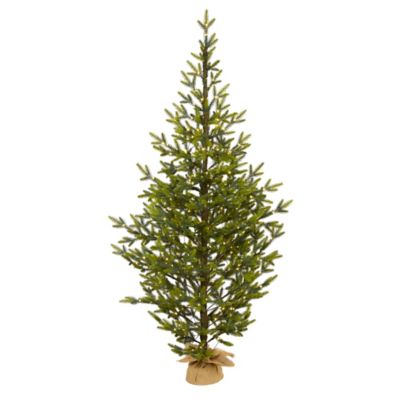
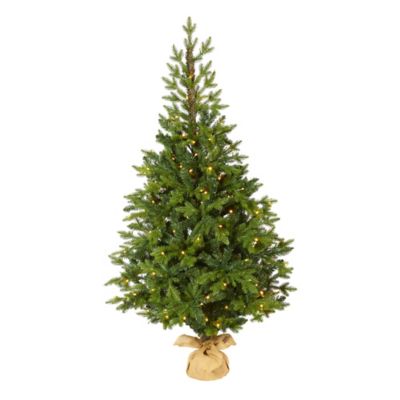
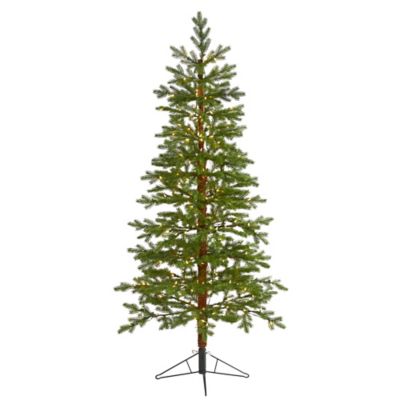
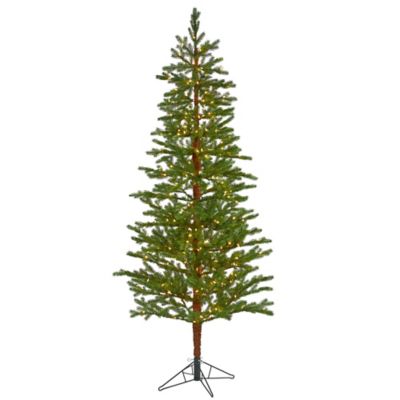
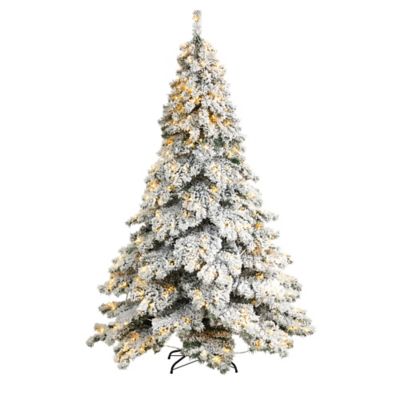
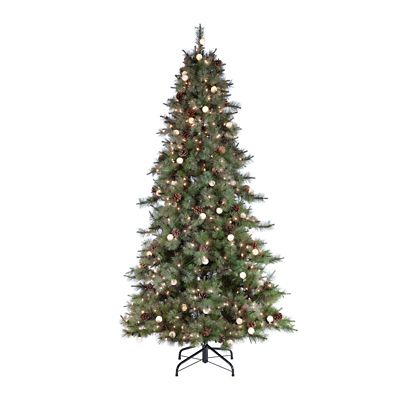
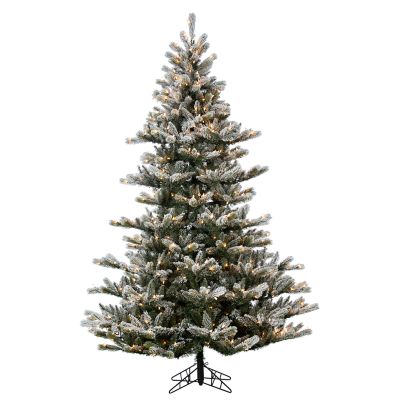
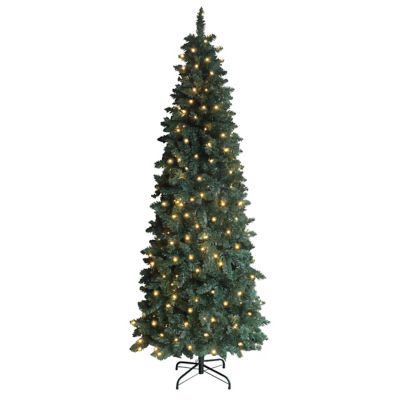
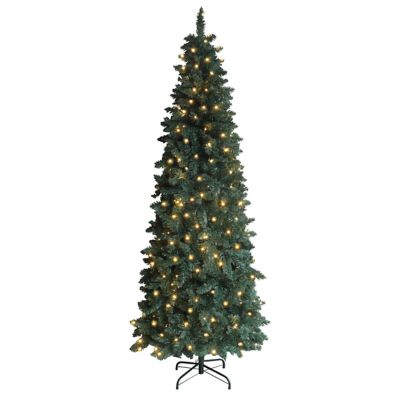
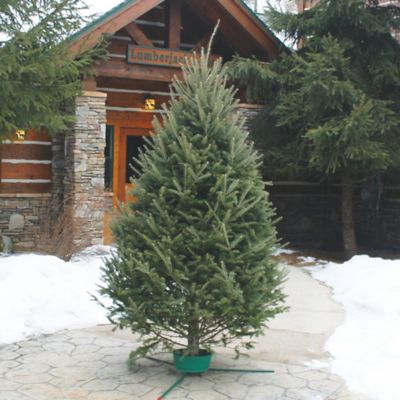
Fir Christmas trees bring the familiar shape, rich green color, and woodland character that make a Christmas gathering feel right at home. A broad base that narrows toward the top gives ornaments plenty of room without losing that classic tree outline, whether the setting is a farmhouse living room or a snug corner beside the front window. True firs have individual needles attached directly to their branches rather than gathered in bundles, and many have flat, relatively soft needles with pale markings underneath. Fresh-cut firs are especially appreciated for their fragrance and their ability to hold needles when kept watered and away from heat. Fraser fir, balsam fir, and noble fir each have a different look and feel. Fraser fir typically has dark green needles with silvery undersides, upward-angled branches, and good needle retention, making it a practical match for families hanging a mix of lightweight keepsakes and somewhat heavier ornaments. Balsam fir has deep green foliage and a pronounced evergreen scent that many people associate with Christmas at home. Its branches generally suit lighter ornaments better than weighty pieces. Noble fir often shows blue-green coloring and a more open, layered branch pattern, with firm branches that give larger ornaments room to hang. Douglas-fir is also a familiar Christmas tree choice, known for soft foliage and a sweet fragrance, although it is not botanically a true fir. Those differences matter beyond the species name: a tightly filled tree creates a rich backdrop for lights, while visible spaces between branch tiers let ribbon, hanging ornaments, and treasured family pieces stand out. For another familiar evergreen look,
pine Christmas trees offer a useful comparison, with needles that grow in bundles and silhouettes that vary by species. The best fit comes down to the branch structure, color, scent, and overall shape that suit the room and the Christmas traditions taking place around it.
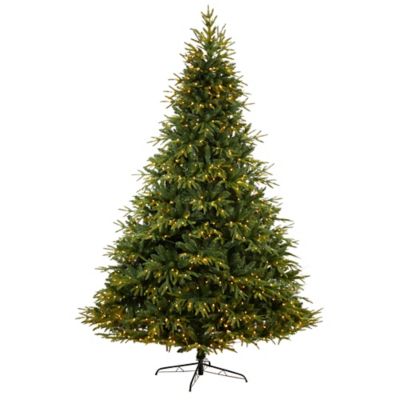
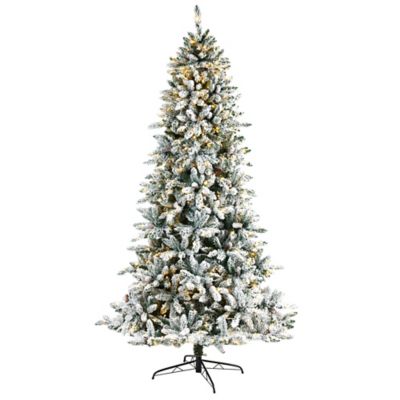
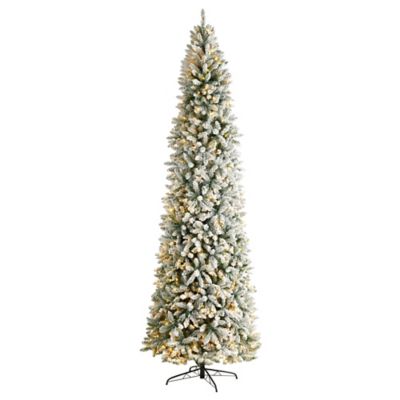
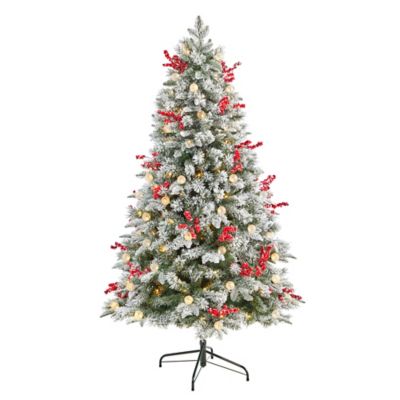
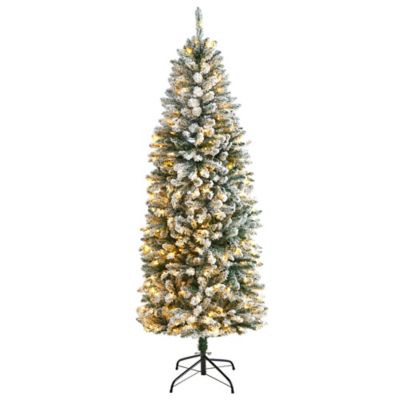
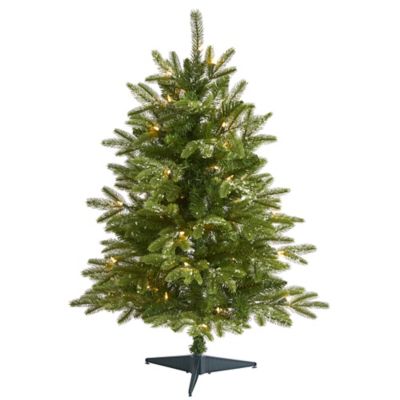
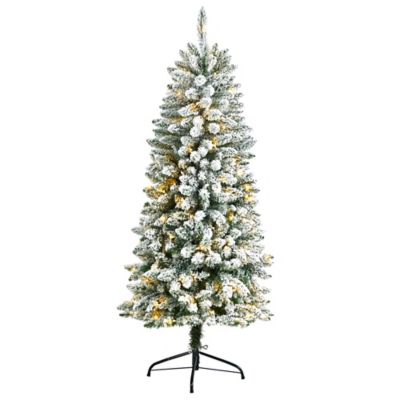
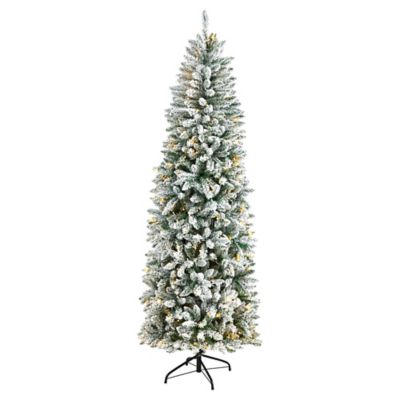
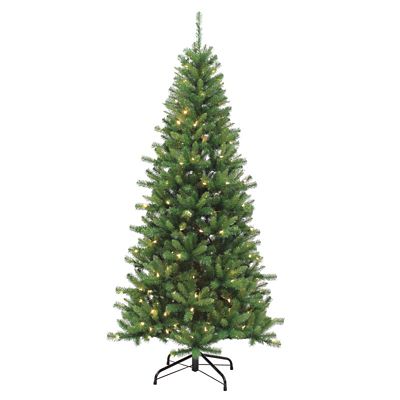
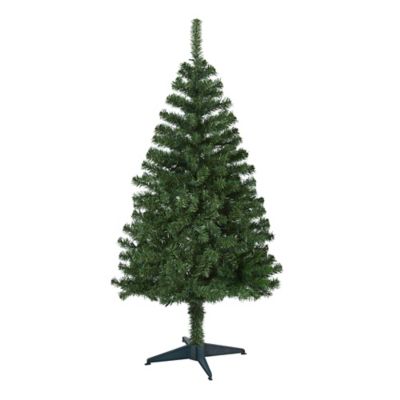
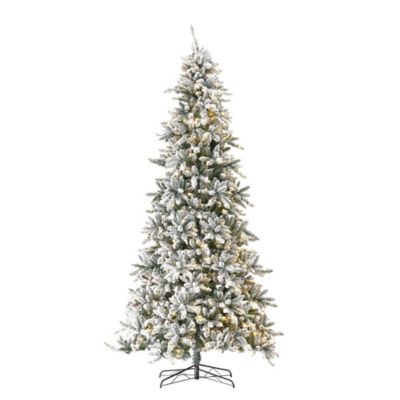
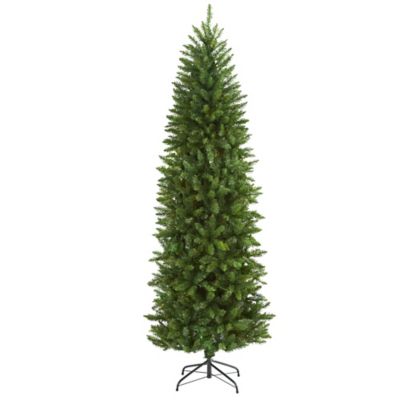
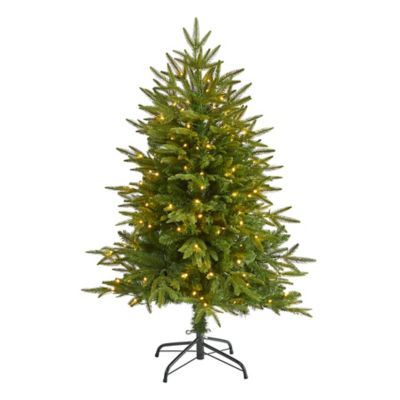
Artificial fir Christmas trees capture many of those same shapes without the watering needs of a cut tree, making them a practical option for households that want to bring out the same tree season after season. Their appearance depends partly on the foliage material. Molded polyethylene, often listed as PE, can reproduce the shape and texture of individual fir tips, while polyvinyl chloride, or PVC, commonly forms flat-cut needles that help fill the interior. Mixed-material foliage combines shaped outer tips with fuller inner branches, so material descriptions are more useful when considered alongside close-up views and the tree’s overall dimensions. Tip count alone does not tell the whole story; branch placement, needle length, and the amount of shaping needed also affect how full the tree looks. Hinged branches fold down from the center pole and simplify assembly, while other construction styles may involve attaching separate branches. A sturdy center pole, secure section connections, and a well-fitting stand all contribute to stability and repeated seasonal setup. Full-width fir shapes suit open living areas, while slim profiles leave more walking room in smaller homes, dining rooms, and cabins. Height needs to account for the stand and topper, not just the branches. In a room with an eight-foot ceiling, a tree listed at seven and a half feet may leave too little clearance for a tall star, especially if the stated dimensions do not include every part of the setup. Width matters just as much near a doorway, a woodstove hearth, or a busy route between the kitchen and living room. Pre-lit fir trees keep the light pattern consistent and reduce the work of winding strings through branches; unlit versions leave more freedom to change colors or lighting styles. Warm white lights give green foliage a gentle glow, while multicolor lights bring a lively look that works well with children’s ornaments. Flocked branches suggest snow, but their finish can shed during handling and may need gentler storage. Green, unflocked foliage offers a woodland appearance that works with everything from simple red ribbon to a tree full of mismatched family keepsakes.
The day-to-day care of a fir Christmas tree depends on whether it is fresh-cut or artificial, and that difference is worth weighing against the household’s holiday routine. A fresh-cut fir brings natural fragrance and variation that cannot be replicated exactly, but it needs a water-holding stand sized for the trunk and the tree’s height. A fresh, straight cut across the trunk base before placing it in water helps water uptake; removing about half an inch is a common recommendation. The stand should hold the trunk securely without shaving away the outer wood to make it fit, since those outer layers help carry water. Plain water is sufficient, and checking the level every day is important because a newly set tree can drink quickly. Keeping the cut surface submerged helps prevent it from drying out. Placement away from fireplaces, woodstoves, heating vents, and strong direct sunlight slows drying and reduces exposure to heat. Even a fir known for holding its needles needs attention, and brittle branches or increasing needle drop can signal that it is drying. Artificial trees need a different kind of care: gentle dust removal, careful branch shaping, and dry storage that protects the foliage from crushing. Following the care directions for lights, flocking, and branch materials helps preserve their appearance through repeated setup and packing. Indoor trees belong indoors unless their labeling specifically permits outdoor placement, and light strings should match the setting where they will operate. For either type, a level base and clear walking space make the display easier to live around, especially with pets, young children, or a houseful of holiday visitors. Heavier ornaments belong on branches strong enough to support them, closer to the trunk when practical, while breakable keepsakes can sit higher and farther from busy hands and wagging tails. A smaller fir can make a thoughtful Christmas gift for someone setting up a first home or keeping celebrations simple, provided there is room for it and its care needs suit the recipient. From a modest tree with a few cherished ornaments to a full living-room centerpiece, the right fir leaves space for the people and traditions gathered around it.