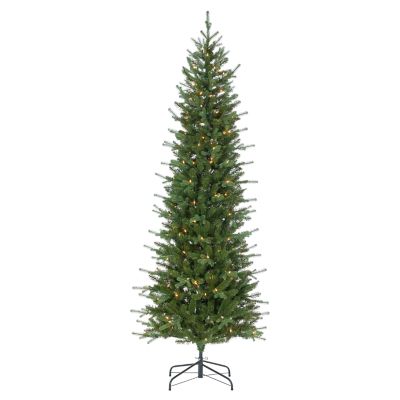
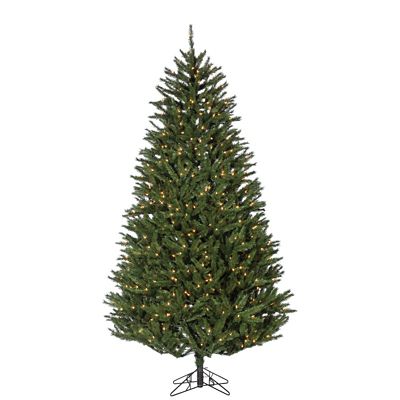
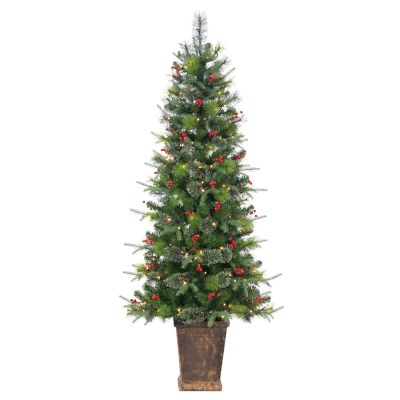
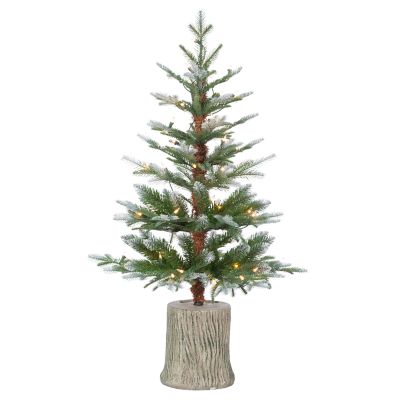
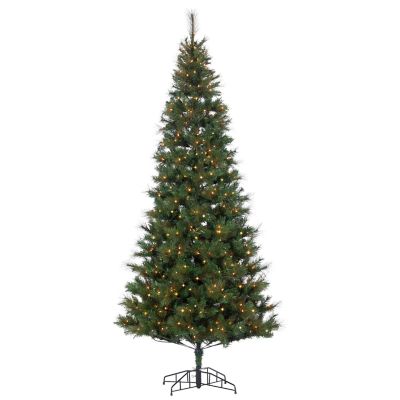
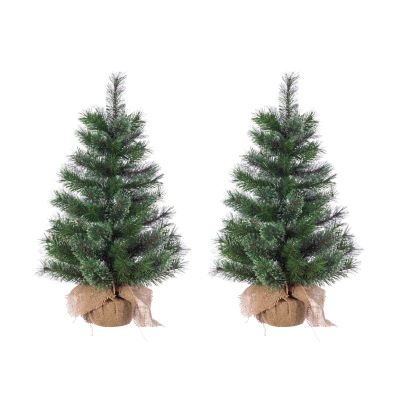
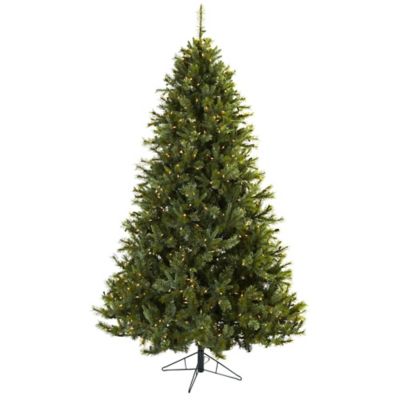
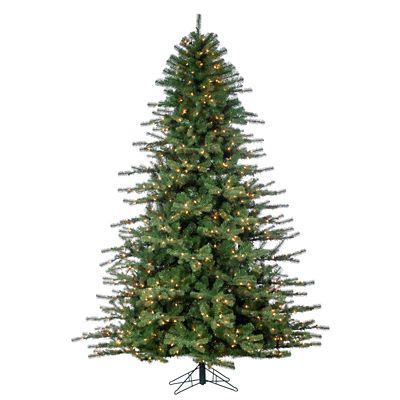
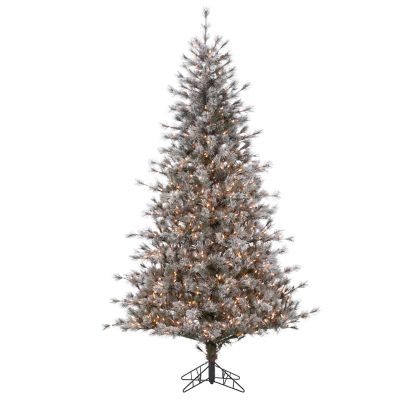
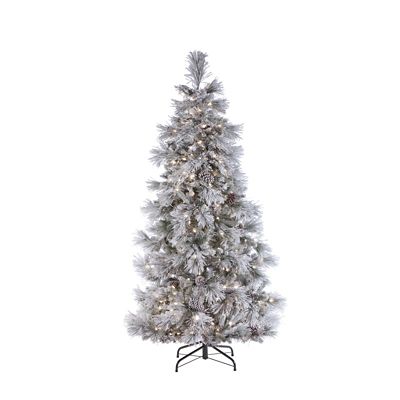
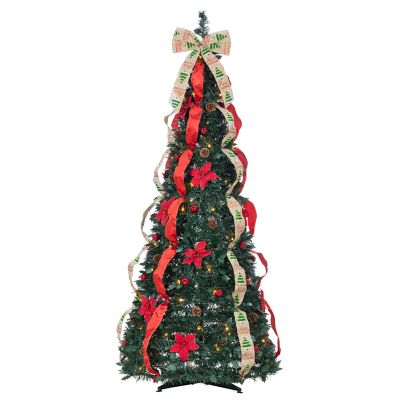
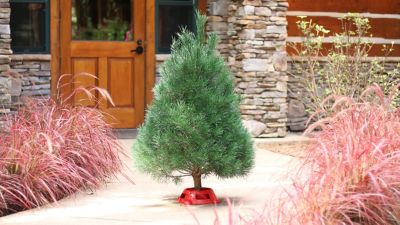
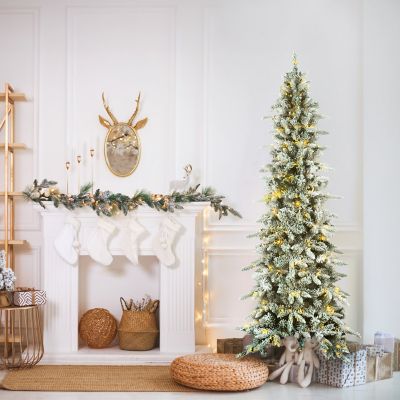
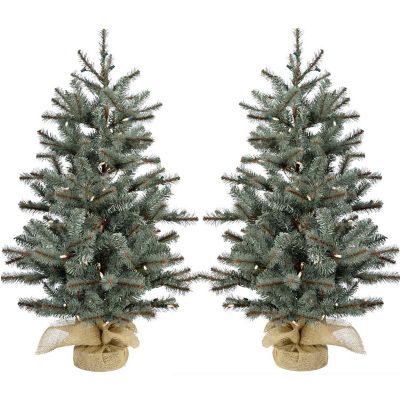
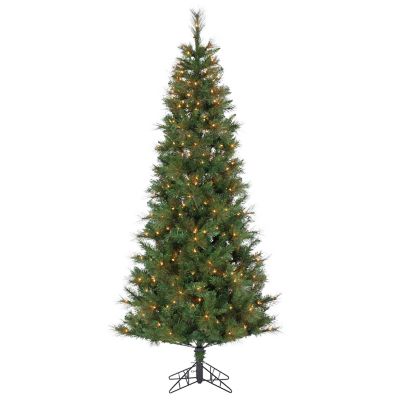
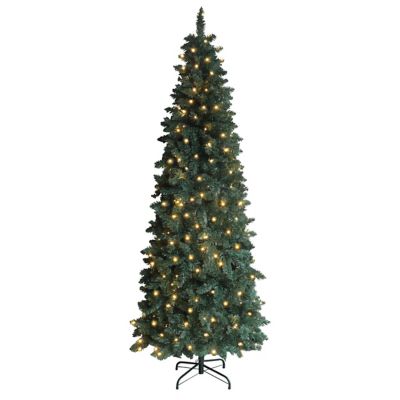
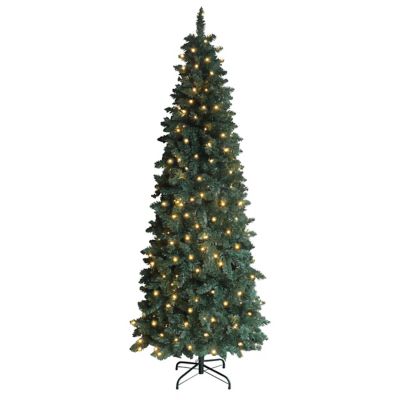
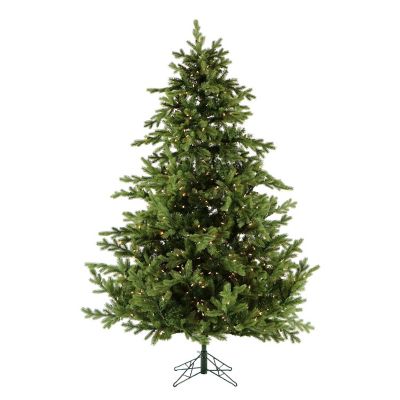
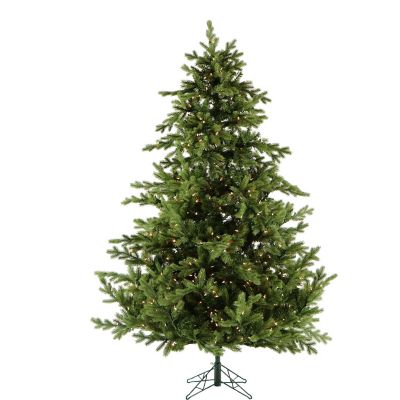
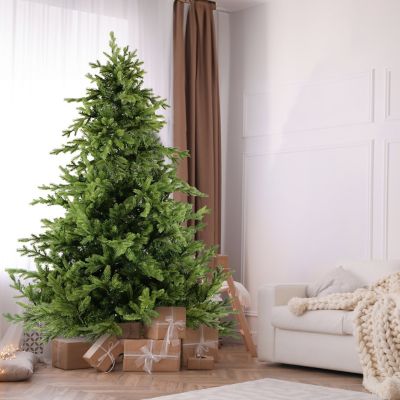
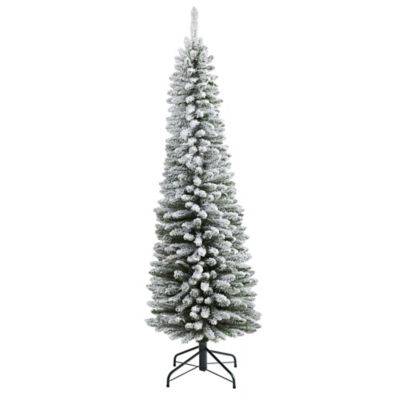
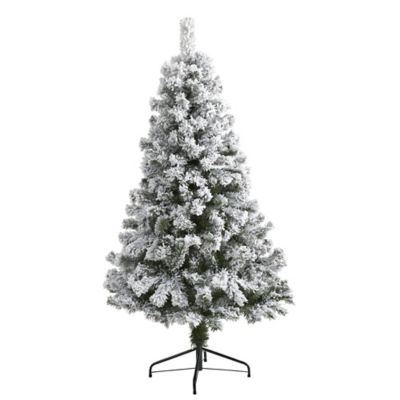
Pine Christmas trees have a softer outline than many spruce or fir styles, thanks to long needles that fan out in tufts. That feathery look can make a tree feel right at home next to a stone hearth or in a front room with a collection of mismatched ornaments gathered over the years. Some pines have open spaces between the tiers, giving glass drops and little wooden ornaments room to hang without resting on the branch below. Others have a fuller profile that shows off ribbon or garland even when there aren’t many ornaments on the tree. On artificial pine Christmas trees, the shape of the tips matters as much as how many there are. Long bristle tips give the outer branches that familiar pine texture, while shorter PVC needles can fill in around the trunk so it doesn’t show through. Molded polyethylene (PE) tips can add more definition to the branch ends, and some trees blend materials to get both effects. A plain green pine sets off bright ornaments, while lightly flocked tips give the look of snow caught on the ends of the branches. Pinecones tucked among the needles add texture that’s easy to see even without lights. For a tree that’ll hold a mix of ornaments, branch firmness is worth a look. Softer tips suit lightweight ornaments made of felt, paper or thin wood. A heavier keepsake is better off on a firm branch closer to the trunk, where there’s less bend and the ornament is less likely to slip off. Shorter, stronger branches can also come in handy near the top if the tree topper has some weight to it. A tree with plenty of fine outer needles may look full from across the room, but it’s the branch underneath those needles that does the work of holding an ornament.
The best fit depends on how the tree sits in the room once the branches are spread. A full pine has a broad base that can anchor an open living room, while a slim pine keeps more floor clear in a den or beside the dining room window. In a tight corner or an entryway where people still need to pass with coats and bags,
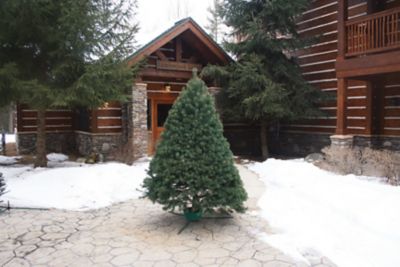
Pencil Christmas Trees take up even less floor space. The widest point often matters more than the height in a room where a chair needs to slide back or a door needs to swing free. A few extra inches above the top branch give a star or angel some breathing room, especially under a low ceiling. It also helps to account for the stand and any lower branches that reach out over it, since a tree that fits on paper can still crowd a walkway once it’s set up. Lighting changes how a pine looks after dark. Warm white lights bring out the shape of the branches and the detail in wood or metal ornaments, while multicolor lights give the tree a brighter, more playful look. A pre-lit pine comes with lights already spaced along the branches, which can save some setup time when there’s more than one room to get ready for Christmas. An unlit pine leaves the choice of lights open, from a few strands tucked deep in the greenery to brighter strings wrapped toward the tips. On an open pine, lights set closer to the trunk give the tree some depth without putting all the cords on display. In a front window, it’s worth thinking about how the lights and branches look from outside, too. For a covered porch, both the tree and its lights need to be rated for that location; a roof overhead doesn’t make an indoor tree suitable for outdoor display.
For a Christmas tree that’ll come out year after year, small details can make a difference in how well it holds up. A stand that sits flat and holds the trunk snug keeps the tree steady while ornaments go on, and hinged branches that fold toward the trunk make a full tree easier to pack away. Sectional trunks are handy when storage is up a narrow set of stairs or the tree has to share closet space with the rest of the holiday gear. Artificial pine branches often come out of storage with their tips pressed together. Spreading the tips in slightly different directions lets them fill the spaces between branches instead of leaving flat layers. That can make a difference on the side that faces the room, especially if the tree sits where folks see it from more than one angle. At the end of the holiday, taking off the ornaments and any separate light strings before folding the branches helps keep hooks and cords from snagging in the needles. Dry storage and a cover that keeps dust off without crushing the branch tips can help the tree keep its shape. Flocked branches benefit from a lighter touch when they’re folded and packed, since rubbing can loosen the snowy finish. A fresh-cut pine has a scent and a natural shape that some households look forward to every Christmas, but it needs a stand with a water reservoir and regular checks to keep the cut end submerged. An artificial pine skips the watering and makes sense for a household that wants the same tree to fit the same spot each Christmas. A smaller one can also make a thoughtful gift for someone setting up a first apartment or starting a family tradition. There’s room on a modest pine for a string of lights and a handful of keepsakes, with space left on the branches for the ones that come along later.