Steel gardening tools earn their place in the shed by handling the everyday work of digging, loosening soil, pulling weeds, and trimming plants. From a small kitchen garden beside the back steps to long vegetable rows out past the barn, the right tool puts strength where the job calls for it without making every scoop or cut a wrestling match. Steel is an iron-based alloy, and its performance depends on the alloy, heat treatment, thickness, and construction—not just the word “steel” on the label. Carbon steel can provide strength and a keen working edge, making it a practical choice for digging blades, hoes, and cutting tools. It needs attention after contact with moisture because exposed surfaces can rust. Stainless steel generally resists corrosion better, though it is not rustproof, and soil can still cling to it. A smooth stainless surface may make cleanup easier after planting or transplanting. Neither material wins every job; a well-built head, sound handle connection, and manageable weight matter just as much. Forging shapes metal under force, while stamping cuts or forms it from sheet steel. Either process can produce a useful garden tool, so construction deserves a closer look rather than a blanket judgment. A sturdy neck helps a trowel handle the resistance of firm soil, and a secure socket helps keep a long-handled digging tool steady through repeated strokes. Steel thickness adds substance, but extra metal also adds weight that becomes noticeable along a full row of planting holes. Coatings can help protect some steel surfaces, although scratches expose the metal beneath. For gardeners who work around raised beds, established borders, or a family vegetable patch, the best match comes down to the ground, the task, and how the tool feels in hand. Strength matters most when it supports controlled work, not when it simply makes a tool heavier to carry.
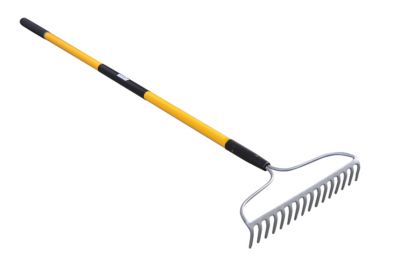
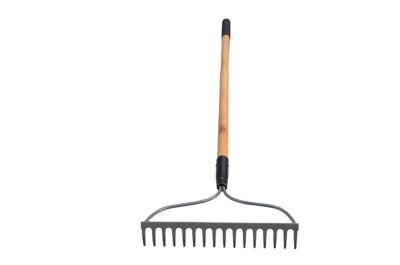
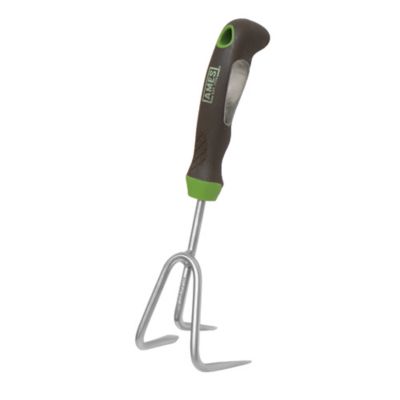
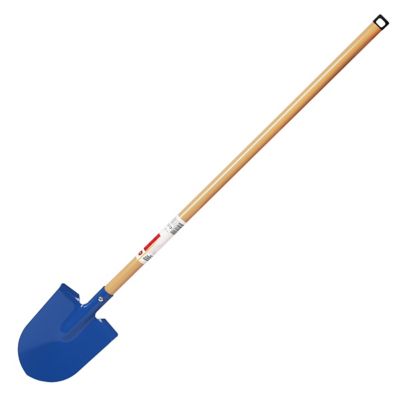
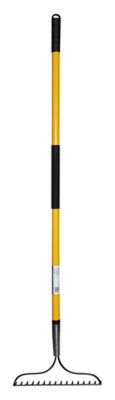
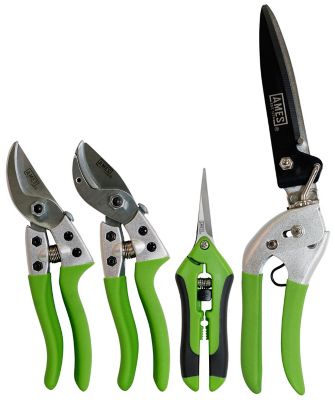
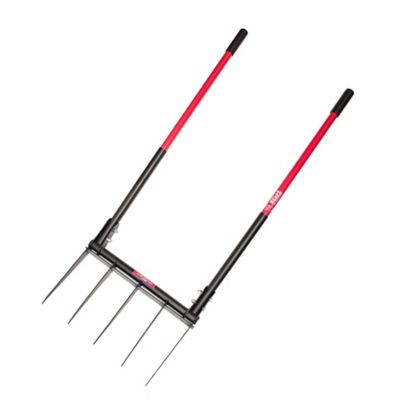
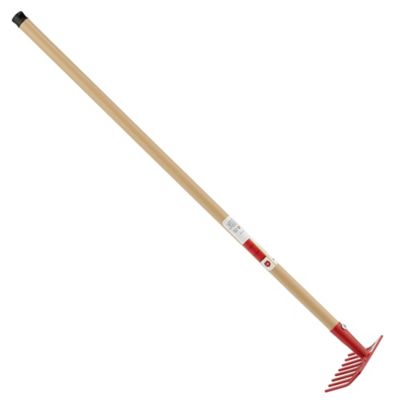
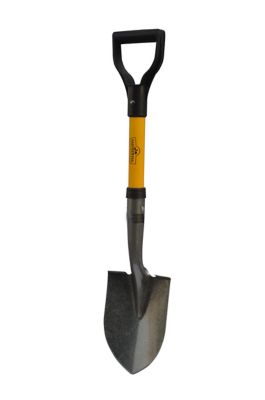
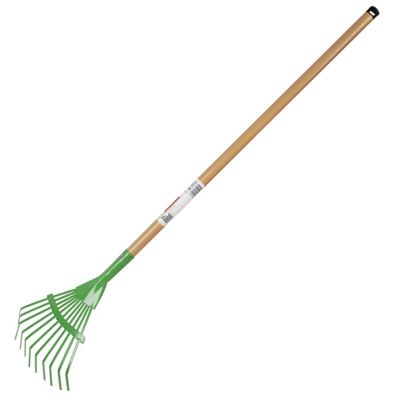
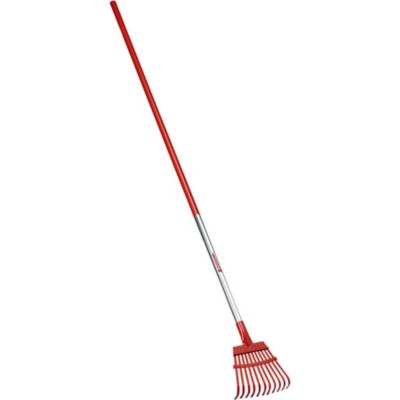
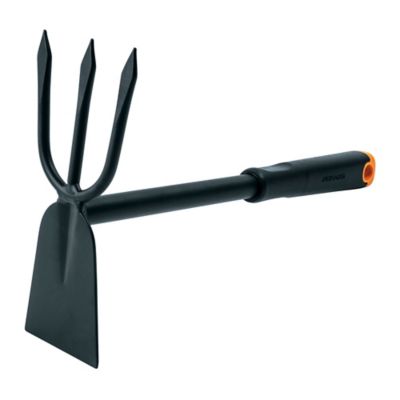
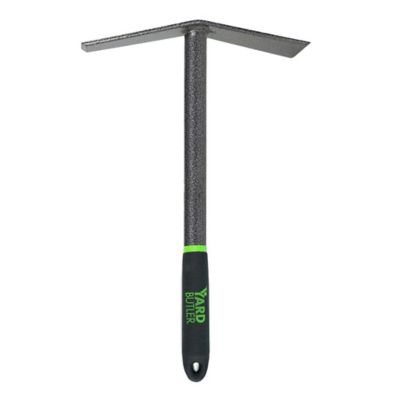
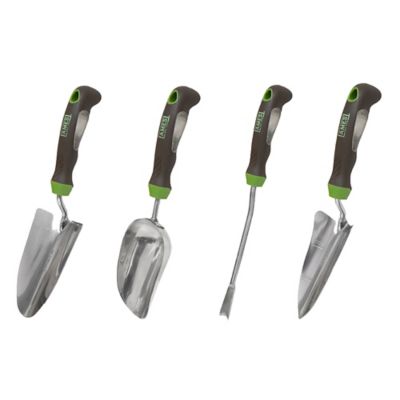
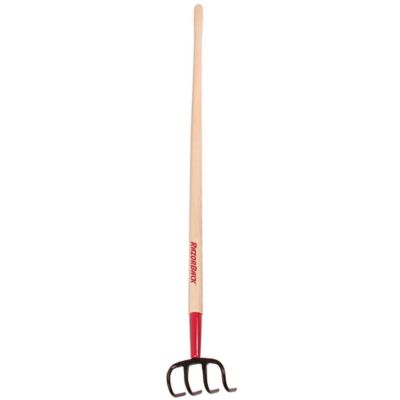
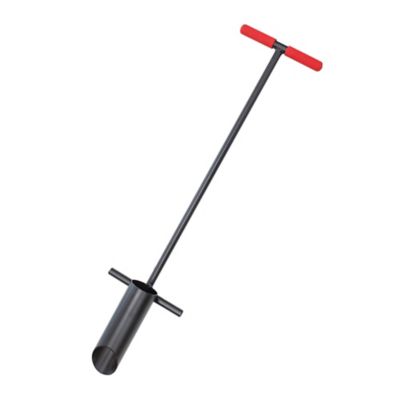
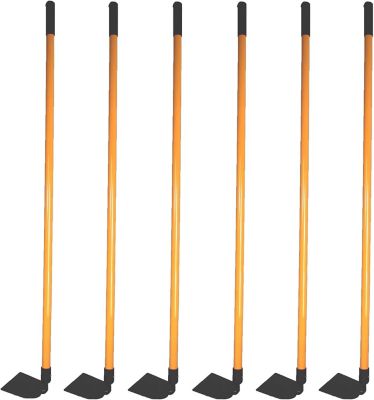
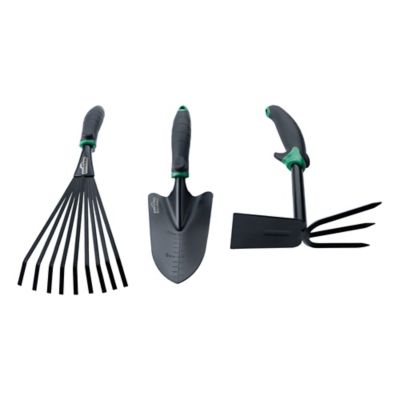
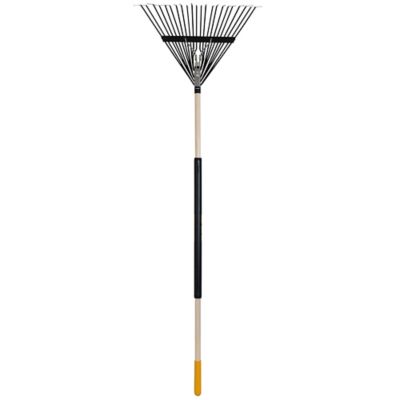
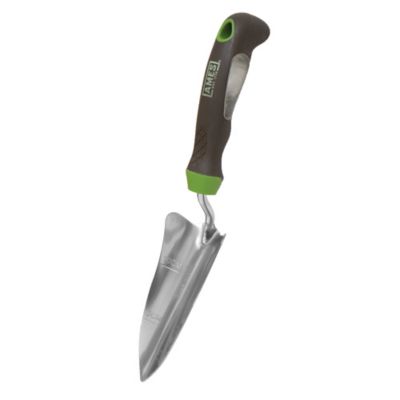
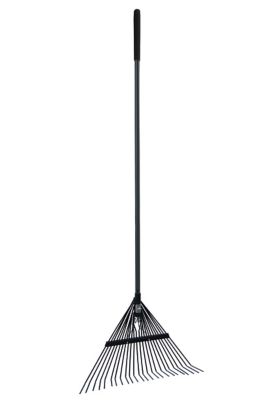
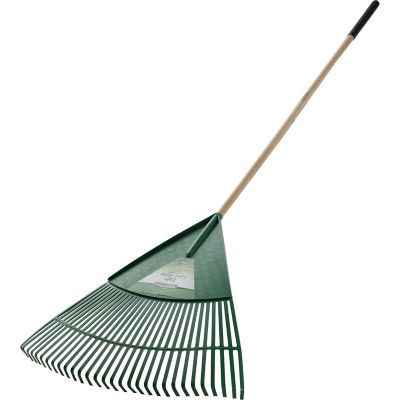
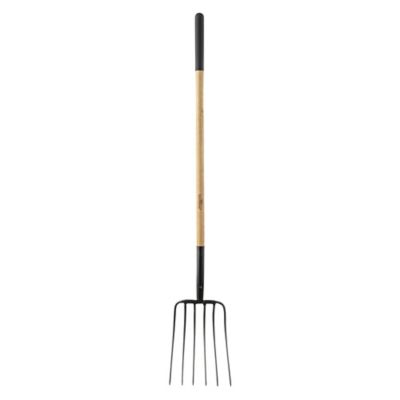
The shape of a steel gardening tool often tells more about its intended job than its size alone. A broad trowel blade moves soil for planting, while a narrow transplanting blade fits between nearby plants with less disruption. A pointed digging blade helps enter firm ground; a flatter spade blade suits edging and slicing through soil along a straight boundary. Garden forks loosen soil and lift clumps without moving every shovelful aside, while cultivator tines break up the surface between established rows. Hoe blade shapes support different working motions, from a shallow push-and-pull stroke beneath small weeds to a chopping stroke for tougher growth, where the tool is designed for it. A steel garden rake spreads loose soil and draws out clods, but it serves a different purpose from a flexible leaf rake. Around closely planted flowers, reach and control can matter more than a wide working head. Smaller
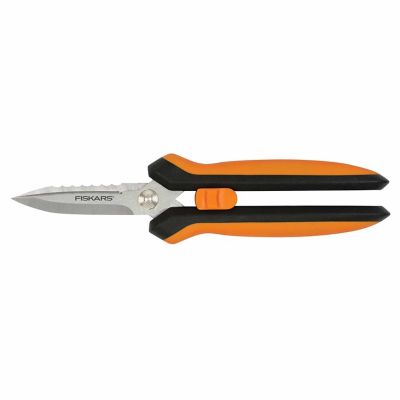
flower garden tools suit the careful work of opening planting pockets and tending spaces between stems. Pruning tools bring another set of considerations: bypass blades pass alongside each other for clean cuts on living stems, while anvil-style cutters press a blade against a flat surface and often suit dead growth. Cutting capacity matters, since forcing thick branches into a small cutter can damage the tool and crush the stem. Handle fit deserves the same attention as blade shape. A grip should sit securely in the hand without requiring a hard squeeze, and there should be enough room for gloves around a closed handle. Longer handles can extend reach and reduce bending for some jobs, while shorter handles offer close control when kneeling beside a bed. Wood, fiberglass, and steel handles differ in weight, feel, and upkeep; none removes the need for a sound connection to the head. For a gardener tending a few containers or someone working several long rows, comfortable balance helps make repeated movements more manageable.
Long service life starts with matching the tool to work it can reasonably handle. A planting trowel is not a pry bar for buried rocks, and pruning shears are not wire cutters. In stony ground, meeting resistance is a reason to reposition rather than lean harder on a narrow blade. At the end of a job, brushing away soil keeps grit from collecting around sockets, blade joints, and grip connections. Stuck-on dirt may need a rinse, followed by thorough drying, especially around seams where water can linger. Fertilizer residue and plant sap also deserve attention because they can affect metal surfaces or interfere with smooth movement. A light application of a manufacturer-recommended protective oil can help shield exposed carbon steel before storage; cutting tools may also need lubrication at the pivot according to their care directions. Stainless steel benefits from cleaning and drying too, even though it usually needs less attention to surface rust. Sharpening depends on the tool rather than a fixed schedule. A hoe or digging blade may need its working edge refreshed after abrasive soil wears it down, while a pruning blade needs an edge shaped to its original bevel. Filing both sides of a blade that is meant to be sharpened on one side can change how it cuts. Wooden handles need checks for splinters and cracks, and any handle connection that loosens calls for attention before the next job. Hanging tools or keeping them in a dry storage space protects edges and keeps steel heads off damp floors. Edge covers, where appropriate, make storage and carrying safer. These practical details also help when choosing a gardening gift: a comfortable tool suited to the recipient’s beds and routine can mean more than a large assortment that repeats what is already in the shed. For a new gardener, a balanced digging tool or easy-to-hold hand tool supports familiar planting chores; for an experienced grower, the right blade shape or handle length can fill a gap in an established setup. Steel gardening tools make the most sense when their materials, working shape, and care needs line up with the work waiting beyond the gate.