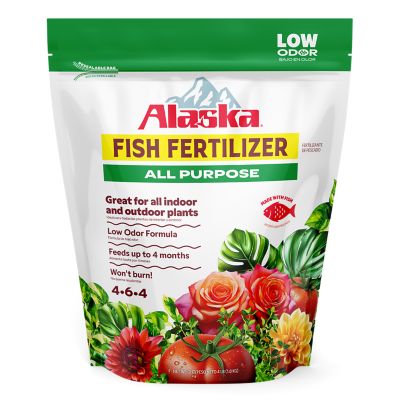
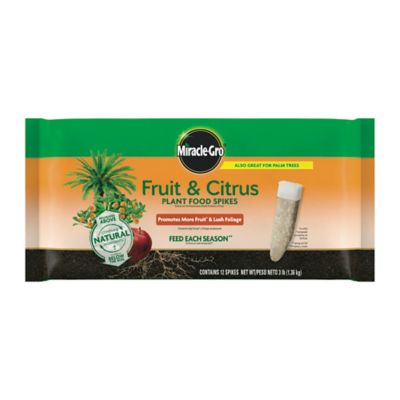
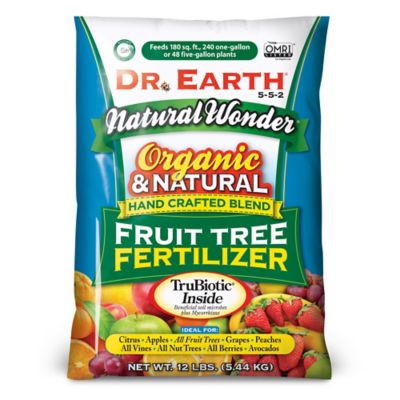
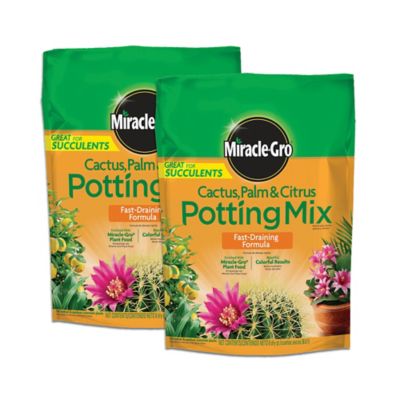
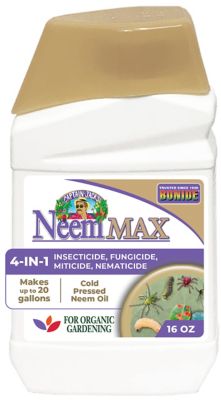
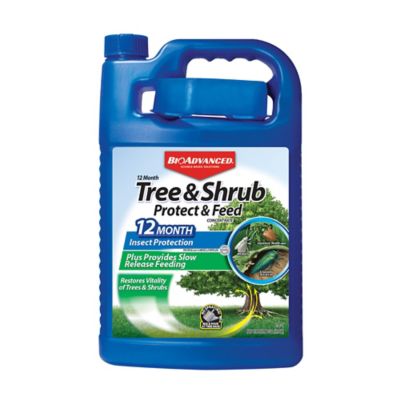
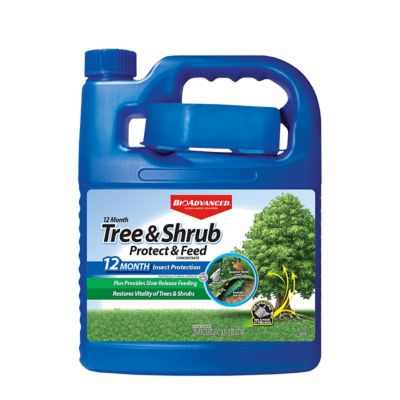
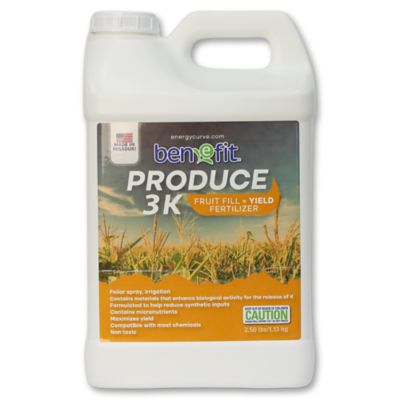
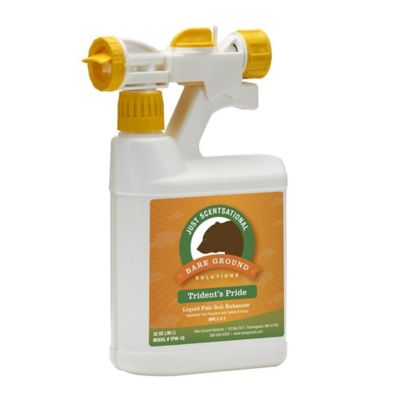
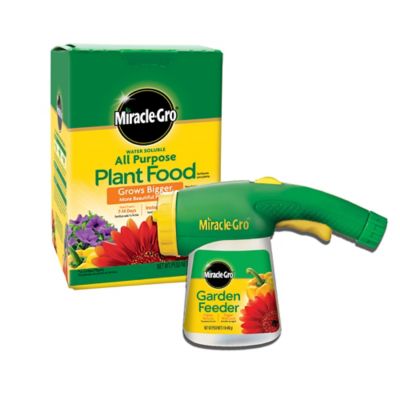
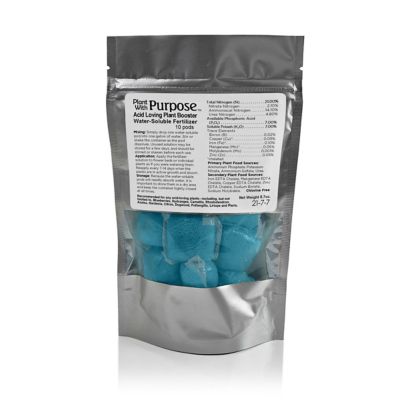
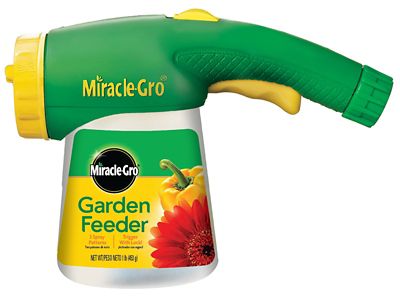
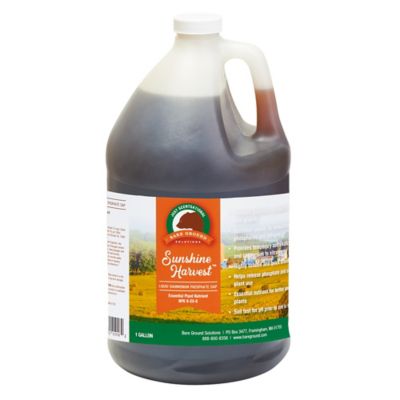
Healthy citrus trees have a way of making a backyard feel like a little homestead, whether they are planted in a sunny patch of ground, growing beside a patio, or tucked into a large container near the back door. Lemons, oranges, limes, grapefruit, kumquats, and other citrus trees are steady, hungry growers that need more than sunlight and water to produce deep green leaves, fragrant blossoms, and a good crop of fruit. Fertilizers for citrus trees are made to support those needs with a well-balanced supply of major nutrients and, in many cases, helpful micronutrients. Nitrogen is especially important for new leaf and branch growth, while potassium supports fruit development, quality, and the tree’s ability to handle everyday stress. Citrus trees also benefit from nutrients such as iron, magnesium, manganese, and zinc. These trace nutrients may be needed in smaller amounts, but they play a big role in keeping foliage green and supporting strong growth. A citrus fertilizer with a moderate or lower phosphorus level can be a practical choice for many established trees, since citrus generally does not need heavy phosphorus applications. Too much phosphorus may also interfere with the plant’s ability to take up iron and zinc. When comparing options, look for the fertilizer analysis on the package, check whether the formula is intended for citrus or other fruiting plants, and consider whether a slow-release or quick-release application better fits the way you care for your trees. Slow-release granules can provide a steady supply over time and may be convenient for busy households, while water-soluble choices can be useful when a tree needs nutrients delivered through a regular watering routine. Organic and conventional formulas are both available, so gardeners can select an option that matches their preferences, planting setup, and care habits. If your yard includes several kinds of edible plants, you may also find useful options among
Fruit Fertilizers, especially when you want one feeding solution for more than citrus alone.
The right application depends on the tree’s age, location, soil, and the directions provided with the fertilizer. For an in-ground citrus tree, granular fertilizer is generally spread across the soil beneath the outer reach of the branches, known as the drip line, rather than piled against the trunk. Keeping fertilizer away from the trunk helps protect the bark, while spreading it evenly gives the outer roots access to the nutrients where they can do the most good. Water deeply after applying granular fertilizer so the nutrients can move into the root zone, and avoid feeding dry, wilted trees until they have been watered and have had a chance to recover. Many established in-ground citrus trees are fed several times during the active growing season, including before or around the start of new growth, after fruit begins to set, and again as the growing season winds down. Broad seasonal timing works well for a range of climates: as weather warms and trees begin pushing new growth, feeding can support leaves and blossoms; after fruit forms, a suitable fertilizer can help maintain the crop; and during the transition into cooler weather, the final application should follow the product label and local growing conditions. Trees in containers have different needs because frequent watering can wash nutrients out of the potting mix. A slow-release fertilizer may be applied at intervals during active growth, while water-soluble fertilizer can be used according to label directions when regular watering is already part of the routine. Container-grown citrus often benefits from feeding every four to six weeks during the main growing period, with applications reduced or stopped when growth naturally slows during cooler months. Always follow the package directions for the tree’s size and growing conditions, since more fertilizer is not better. Overfeeding can lead to excessive leafy growth, root damage, salt buildup, or fewer blossoms and fruits. A simple soil test can also help reveal whether nutrients or pH adjustments are needed before adding fertilizer, particularly when a tree has pale leaves, weak growth, or a history of poor fruit production.
Fertilizers for citrus trees can be useful for first-time gardeners, longtime orchard keepers, container gardeners, homesteaders, and anyone caring for a tree planted in a sunny backyard. They also make a thoughtful gift for a neighbor with a young lemon tree, a family member who grows limes in a patio pot, or a friend who has recently moved into a home with mature orange or grapefruit trees. A bag or container of citrus fertilizer pairs naturally with gardening gloves, a watering can, pruning tools, or a sturdy pot, making it an easy choice for someone building a small edible garden. Before choosing a formula, take a look at the tree’s growing situation. An in-ground tree may need a different feeding schedule than one in a container, and a young tree may require less fertilizer than a mature tree with a wide canopy and a heavy fruit load. Consider the local climate as well. Citrus grown in warm regions may continue active growth through much of the year, while trees in cooler areas may slow down as temperatures fall or need protection when frost threatens. Fertilizer should not be used to push tender new growth when a hard freeze is approaching, and it is wise to follow regional planting advice for trees grown outside their usual hardiness range. Keep fertilizer stored in a dry place, measure carefully, and sweep stray granules off paved surfaces so they do not wash into storm drains or nearby waterways. With the right nutrient blend and a little attention to timing, citrus trees can build sturdy growth, hold onto healthy foliage, and put more energy into the blossoms and fruit that make them such a welcome part of the landscape.