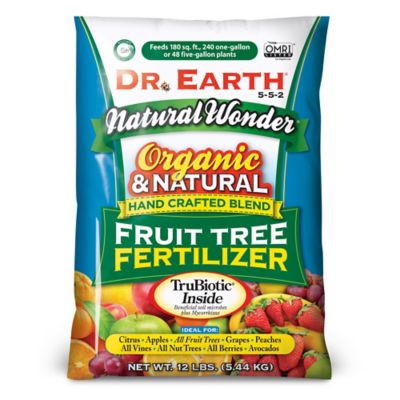
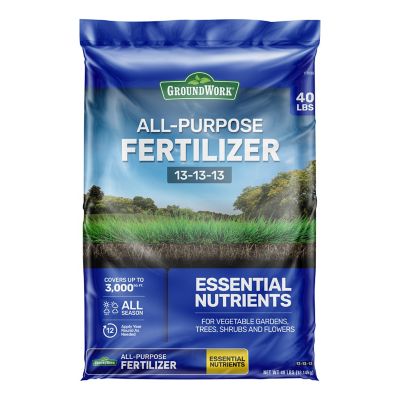
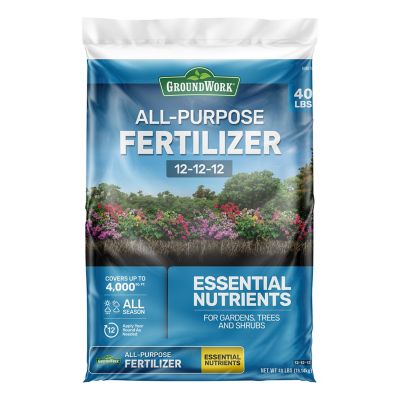
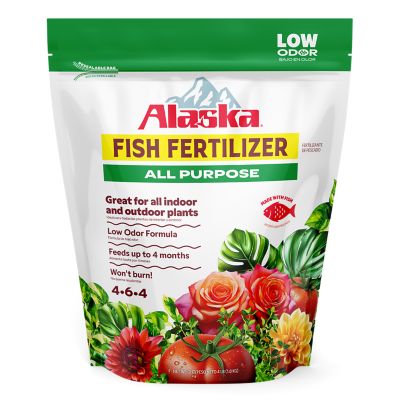
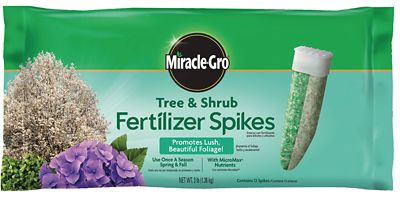
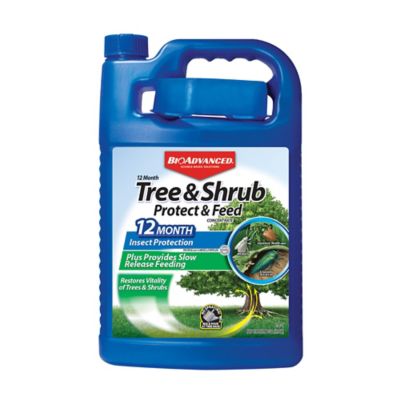
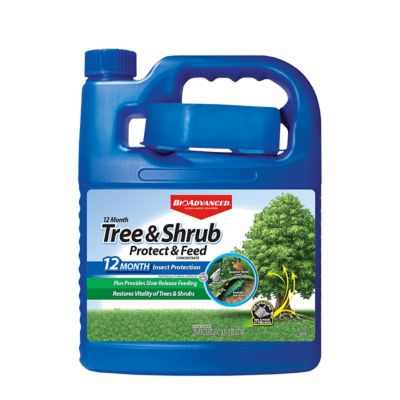
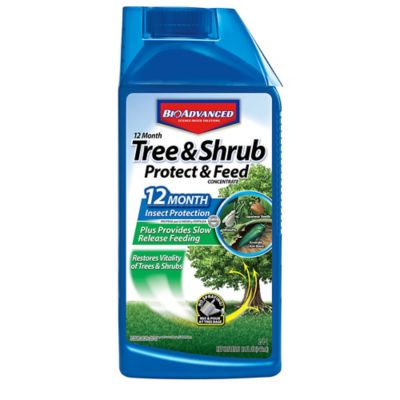
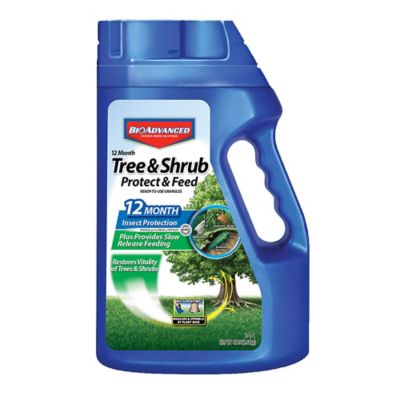
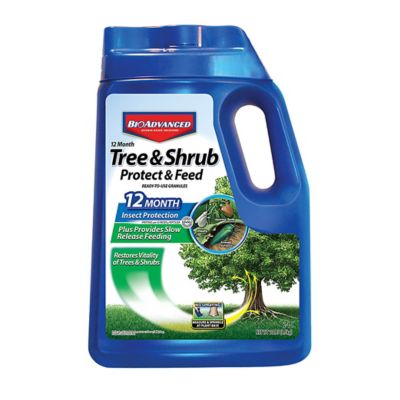
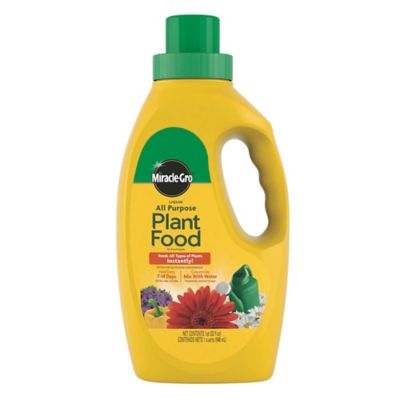
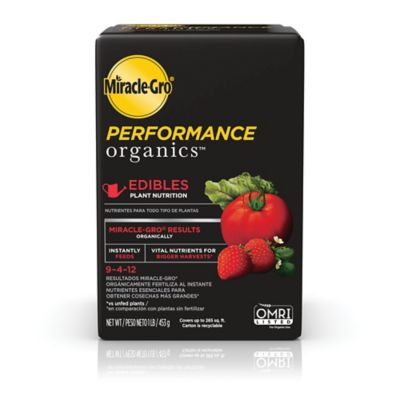
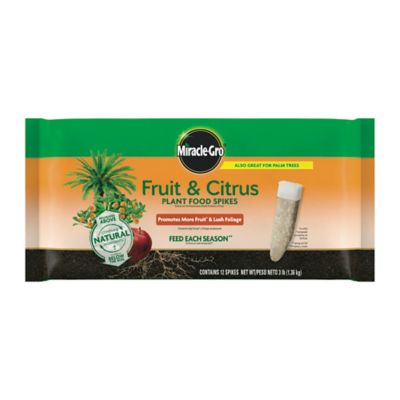
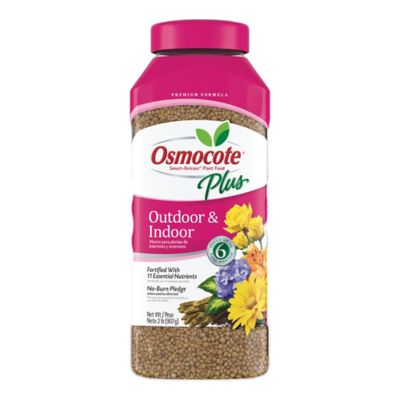
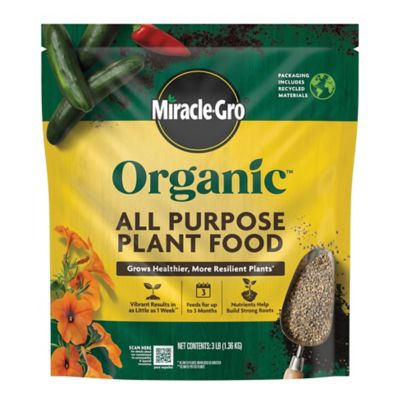
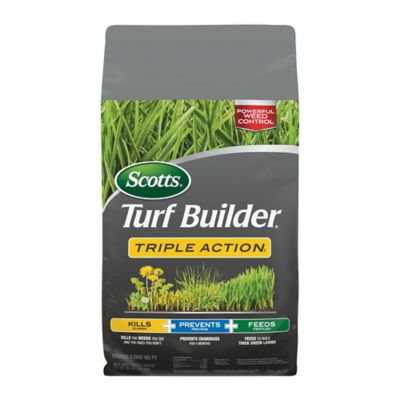
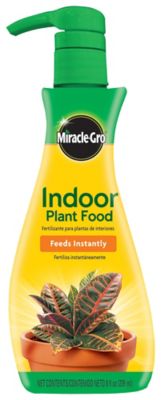
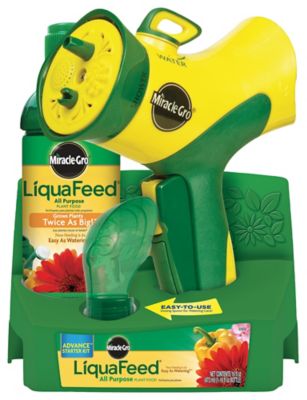
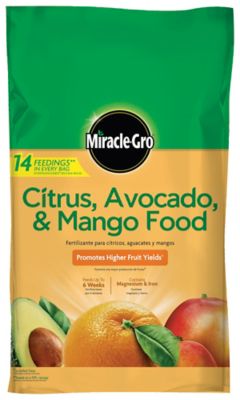
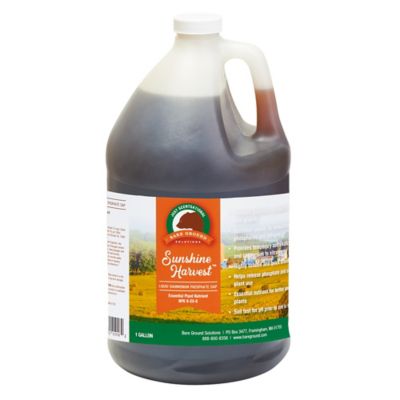
Growing apple trees is a rewarding tradition, whether you’re tending an old family orchard, planting a couple of saplings behind the barn, or just hoping to fill your kitchen with the scent of homemade pie. Apple trees need the right nutrients at the right time to thrive, especially as the weather shifts from warm summer afternoons into the crispness of fall. Folks who care for these trees—whether you’ve got a single Honeycrisp or a whole row of heritage varieties—know that proper fertilization makes all the difference between a bumper crop and a so-so harvest. Fertilizers for apple trees come in a variety of blends and forms, from balanced granular mixes to slow-release organics, each designed to support healthy root development, sturdy branches, and sweet, juicy fruit. When you’re shopping for fertilizer, think about the age and size of your trees, the type of soil you’re working with, and what you hope to get out of your orchard. Younger trees have different needs than established ones, and some apple varieties are pickier than others—Honeycrisp, for example, can be sensitive to too much nitrogen, which can lead to bitter fruit. Always check your soil and leaf health if you’re unsure, and start with a modest amount, working it in around the drip line rather than right up against the trunk. Raking back mulch, watering thoroughly after application, and blending in organic matter like compost or manure can give your trees a real boost as the growing season unfolds.
Fertilizers for apple trees also make thoughtful gifts for anyone who’s just getting started with fruit trees or looking to revive a few old favorites. Maybe you’ve got a neighbor who’s always sharing apples over the fence, or a family member who’s been talking about planting a little orchard of their own—fertilizer is the kind of practical present that shows you’ve been paying attention. As summer rolls on and the days start to shorten, it’s important to hold off on heavy nitrogen feeding so your trees don’t put out tender new growth that could be nipped by early frost. Instead, focus on slow-release blends and organic boosters that help build up soil health for the long haul. These products are used by everyone from backyard gardeners to folks running pick-your-own orchards, and they’re just as handy for patching up a neglected tree as they are for keeping a productive one at its best. If you’re managing other types of fruit, like oranges or lemons, you might want to explore our selection of
Fertilizers For Citrus Trees as well. No matter the variety, a little attention to feeding and soil care goes a long way toward making sure your trees stay healthy, productive, and strong season after season. With the right fertilizer and a bit of know-how, you’ll be well on your way to enjoying crisp, homegrown apples straight from your own backyard.