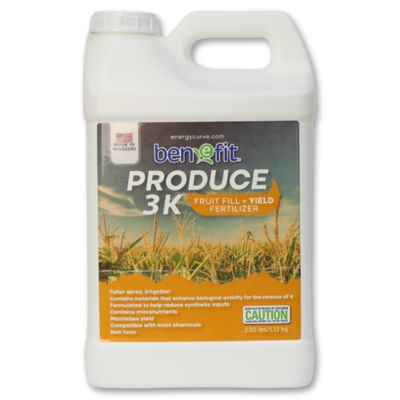
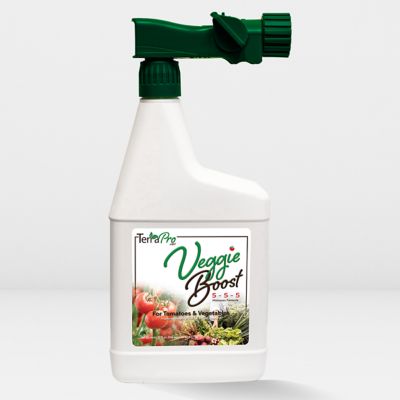
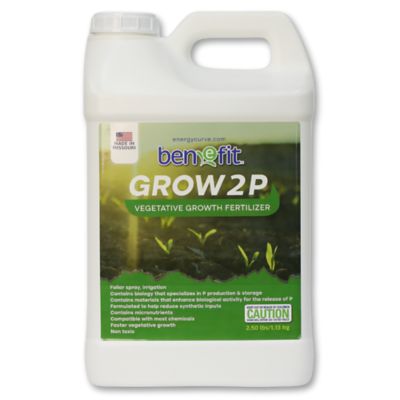
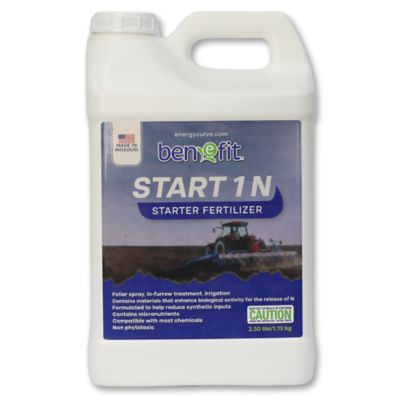
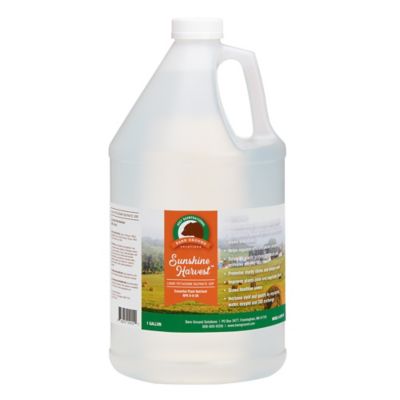
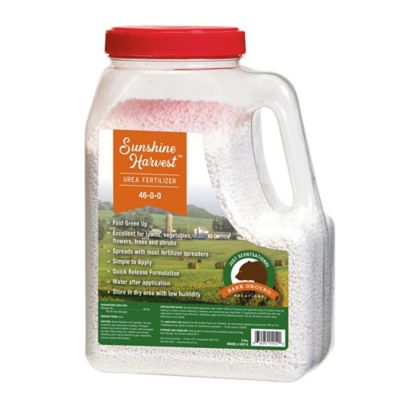
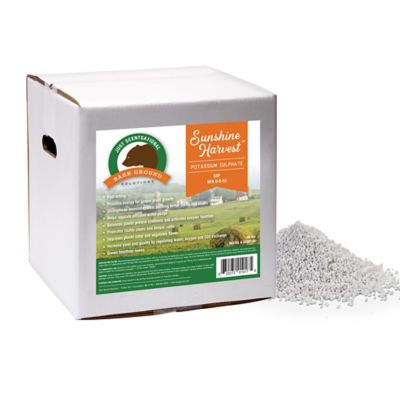
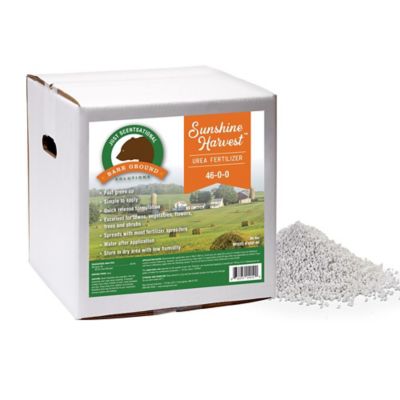
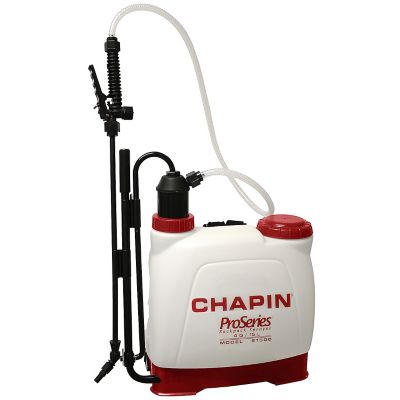
Liquid fertilizer for fruit trees supplies nutrients in a form that mixes with water, making it a practical fit for container-grown trees, young plantings and established trees with identified nutrient needs. Formulas containing dissolved nutrients can make those nutrients available to roots sooner than slow-release granular fertilizers, though results depend on the ingredients, application method and conditions around the roots. That makes liquid feeding worth considering for a potted lemon tree beside the porch, a young peach tree near the garden or a small apple orchard beyond the back fence. The main benefit is control: a measured amount of fertilizer can be diluted to the labeled strength and delivered where roots can take it up. It is not a shortcut to a heavier harvest, and a stronger mix does not mean better results. Fruit trees need a balance between leafy growth, root development and fruit production, with feeding that fits the tree rather than simply adding more nutrients. Too much nitrogen can encourage shoots and leaves at the expense of fruiting, while unnecessary phosphorus adds little value where the soil already has enough. A soil test helps establish what an in-ground tree needs, and container growers also need to account for nutrients already present in their potting mix. Pale leaves, weak growth or disappointing fruit can have several causes, including root trouble, unsuitable soil pH or watering problems. Fertilizer makes the most sense when nutrition is part of the problem. For folks tending trees for fresh eating, canning or sharing with neighbors, the right liquid formula supports a feeding routine built around the tree’s actual needs, not guesswork. Tree age matters, too: a newly planted tree, a bearing tree and a mature tree with a broad root system may call for different amounts and different feeding schedules.
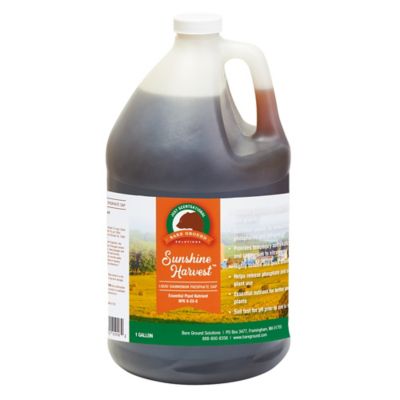
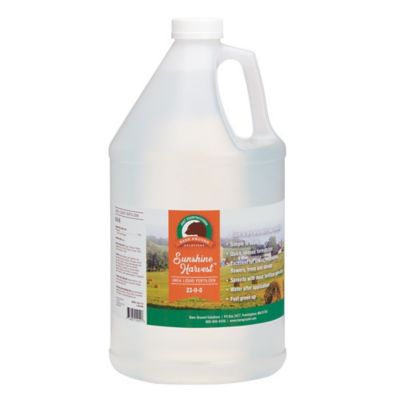
The fertilizer analysis is one of the most helpful details when comparing liquid formulas. The three numbers on the label represent nitrogen, phosphate and potash by percentage, giving a starting point for understanding what each formula supplies. Nitrogen supports leafy growth, phosphorus plays a role in energy transfer and root development, and potassium supports water regulation and processes involved in fruit development. A higher number is not automatically a better match. The useful balance depends on the fruit species, the growing medium and any nutrient shortages identified through testing. Some liquid fertilizers also contain micronutrients such as iron, zinc or manganese. These matter in small amounts, but adding them without a demonstrated need can create another problem rather than solve one. Soil pH deserves attention because it influences how readily roots can access certain nutrients, even when those nutrients are present. Formulas containing chelated iron may be relevant where iron availability is a concern, although the chelate type and the label’s stated application conditions still matter. Ingredients also affect how a fertilizer handles and feeds. Mineral-based liquids, fish-derived formulas and blends containing plant-derived ingredients can differ in nutrient concentration, odor, mixing requirements and how much nutrient release depends on microbial activity. An ingredient’s origin alone does not establish whether a fertilizer meets organic production requirements; that depends on the applicable certification and label information. Concentrates require dilution, while ready-to-apply liquids reduce the measuring involved, so package directions are central to comparing them fairly. Some liquids are clear solutions, while others contain suspended material and may need agitation as directed. For a grower feeding several trees, the amount of finished solution a container makes can be more useful than the package size alone. For one potted fig or citrus tree, a formula with straightforward measuring directions may be easier to work into an ordinary watering routine.
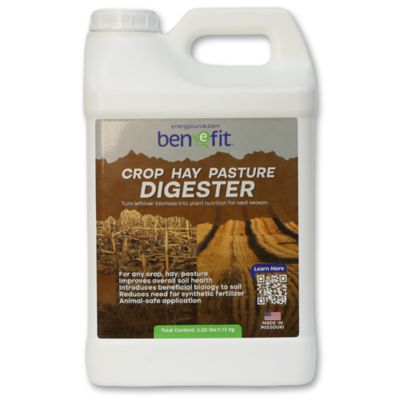
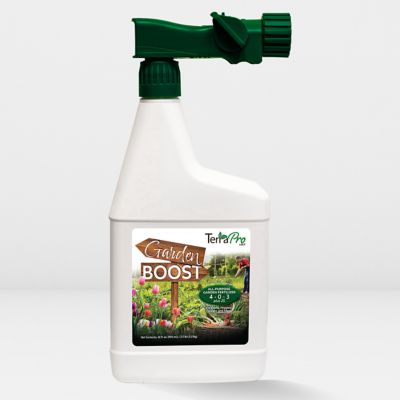
Application fit is another important distinction among liquid fruit tree fertilizers. Root-zone feeding delivers nutrients through the growing medium, while foliar feeding places a labeled spray directly on leaves. These methods are not interchangeable, and a fertilizer intended for root application should not be treated as a leaf spray unless its directions allow it. Foliar nutrition can help with certain identified deficiencies, but it does not replace a sound root-zone nutrition program. Likewise, compatibility with a hose-end applicator, irrigation injector or other feeding equipment needs to be stated rather than assumed. Concentrates can differ in how they dissolve, settle or move through small openings, which matters when keeping equipment working properly. Container trees bring their own considerations: restricted root space, nutrients already in the potting mix and drainage all influence feeding needs. Repeated overfeeding can leave excess fertilizer salts in the root zone, so a potted tree should not automatically receive the same concentration or quantity as a tree planted in the ground. For larger trees, the feeding area extends beyond the trunk, and label directions should account for tree size or the area being treated. Growers comparing liquid feeding with other approaches can explore
Fruit Fertilizers for broader context on nutrient formats and intended applications. Whatever the format, sensible handling remains part of the purchase decision. Clear measuring marks, readable directions and a securely closing container help keep feeding straightforward. Fertilizer belongs in its original labeled packaging, away from children, pets, livestock, food and animal feed, with storage and disposal handled according to the label. Measuring and application equipment also needs cleaning as directed, and leftover mixtures should never be poured into drains or waterways. Whether the job involves a few backyard trees or a homestead orchard, a suitable liquid fertilizer fits the fruit species, root space, nutrient needs and application setup without making routine tree care more complicated than it needs to be.