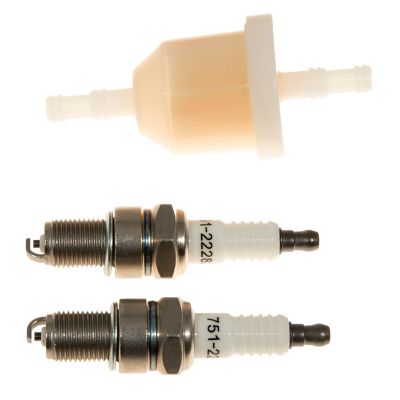
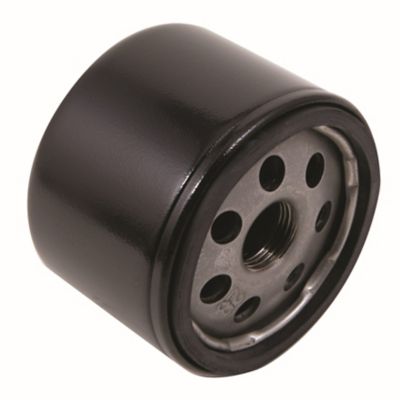
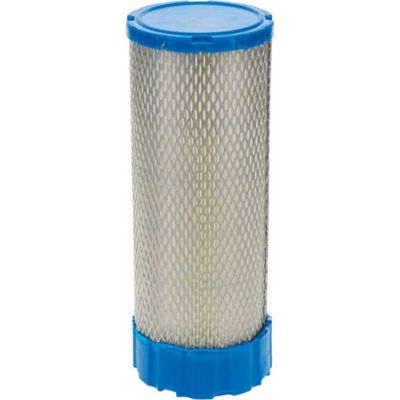
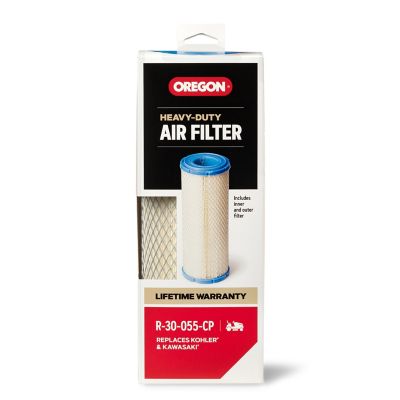
Kawasaki mower parts cover the engine components that help keep riding mowers, zero-turn mowers and other compatible mowing equipment ready for the next stretch of grass. That can mean routine maintenance parts, such as air filters, oil filters, fuel filters and spark plugs, or replacement components for starting, ignition, charging and cooling systems. For a homeowner mowing around a barn, a landowner keeping lanes tidy or a lawn care crew moving between properties, the right fit matters more than a part’s outward appearance. An engine may power mowers from several equipment manufacturers, so the name on the mower hood does not tell the whole story. The engine model, specification code and any applicable serial-number range help identify compatible engine parts, while the mower’s own model information applies to its deck, drive system and other chassis components. Two engines with similar horsepower ratings may call for different filters, electrical connections or gaskets. Part numbers and illustrated parts diagrams help narrow those differences, especially when a component has been replaced by a newer part number. Genuine replacement parts are identified by the engine manufacturer, while aftermarket replacements need an explicit compatibility listing for the application. Neither a familiar shape nor a matching thread alone establishes full compatibility. A filter that screws into place, for example, still needs the correct operating specifications and clearance around nearby engine components. On a mower that spends hours circling fence lines and trimming open ground, small differences in sealing, filtration and electrical fit can affect how the engine performs. Kawasaki mower replacement parts are best understood as components matched to a particular engine configuration, not as one-size-fits-all mower supplies. That distinction helps separate everyday engine upkeep from repairs involving the mower deck, belts, spindles or transmission, where another set of equipment details may be needed. It also makes parts selection clearer when several mowers share space in the same shed.
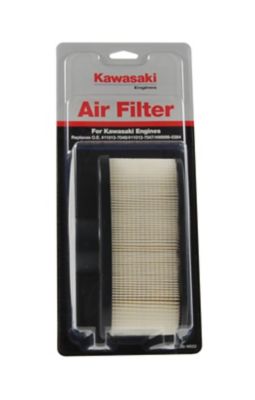
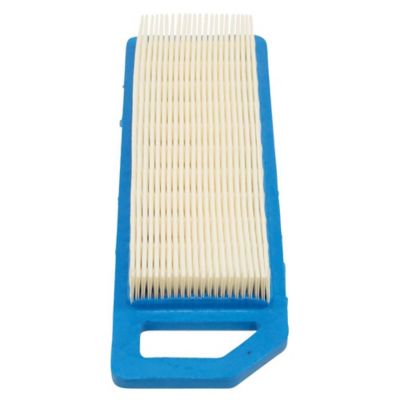
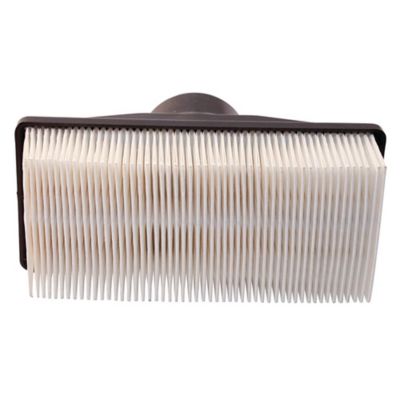
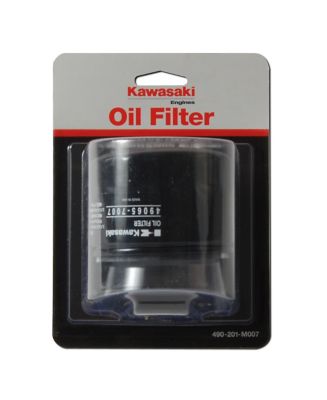
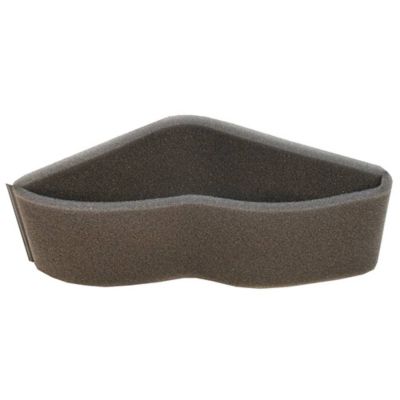
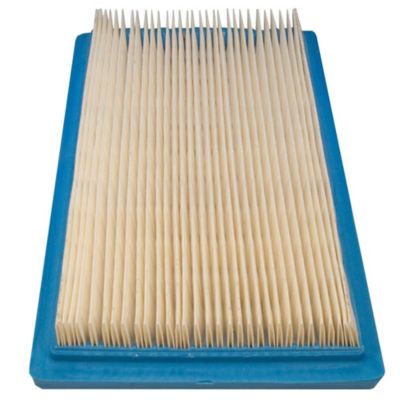
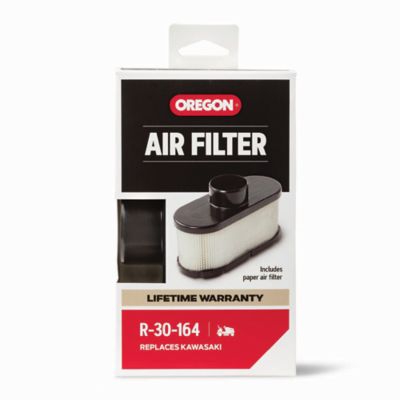
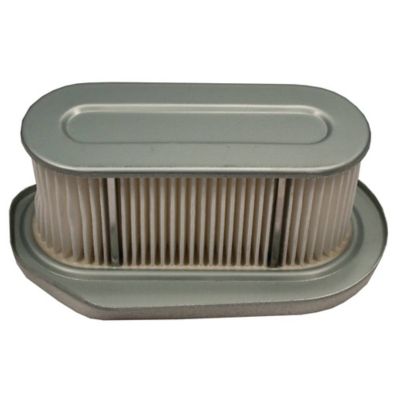
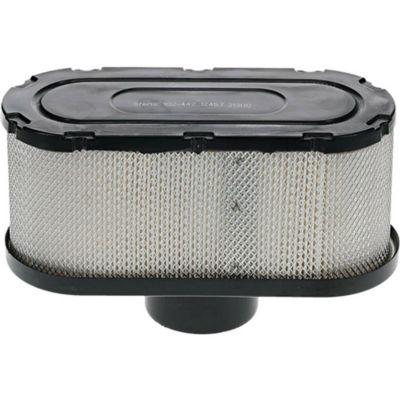
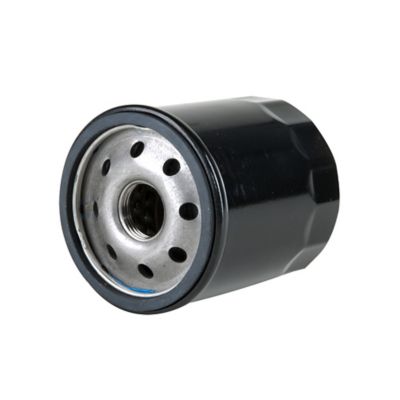
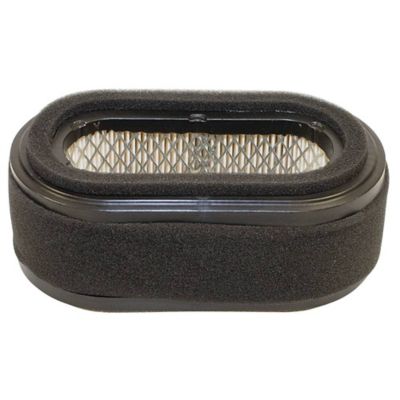
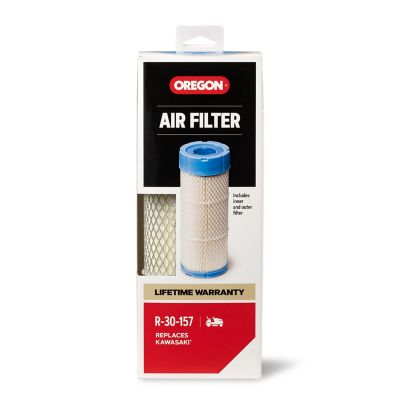
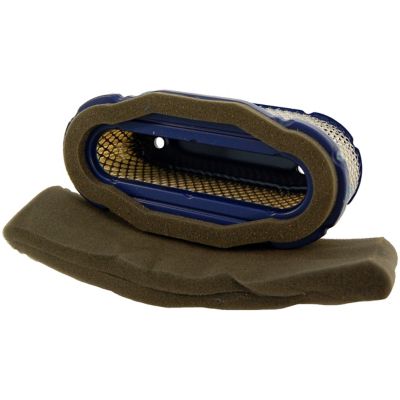
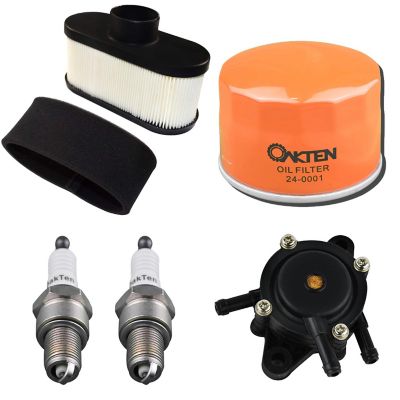
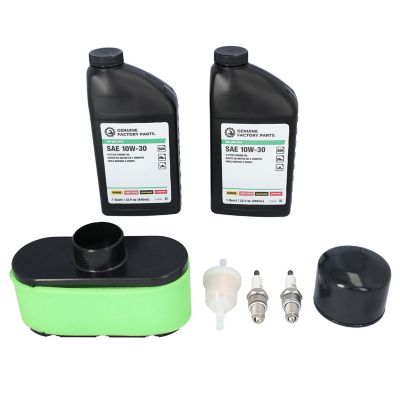
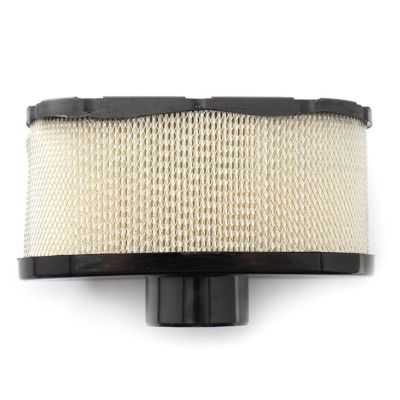
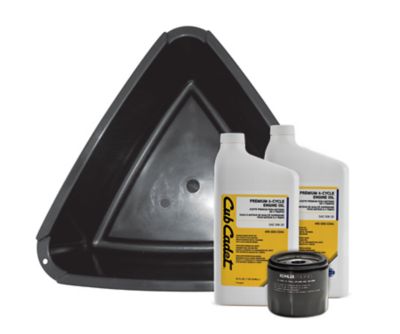
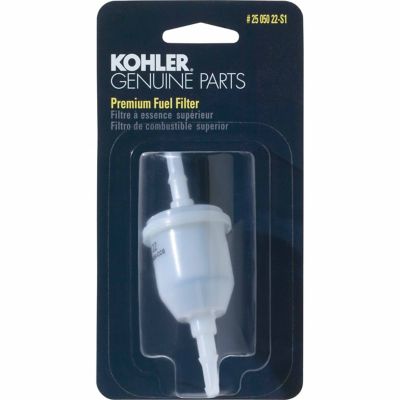
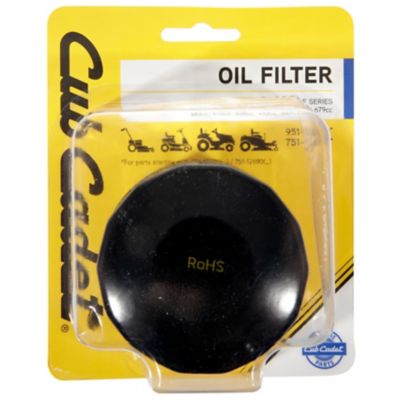
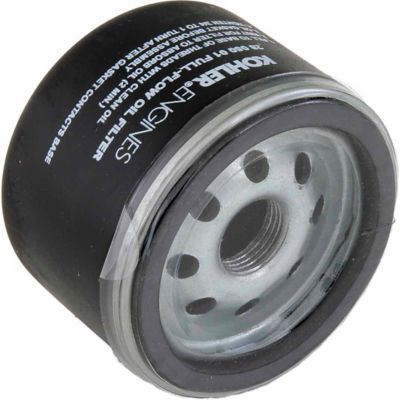
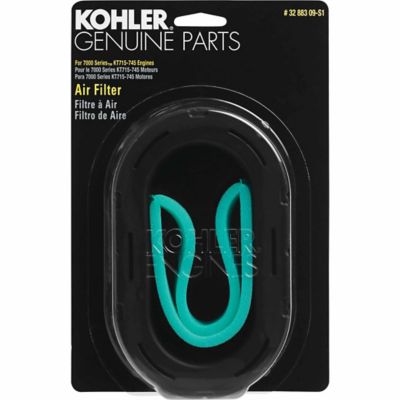
Filters and tune-up components handle much of the everyday work behind steady engine operation. Air filters help keep airborne dirt and grass debris out of the intake, protecting internal engine surfaces from abrasive particles. Depending on the engine design, the filtration system may include a pleated paper element, a foam prefilter or a canister-style assembly with separate elements. Filter dimensions, sealing surfaces and housing fit all matter because air slipping around an element can carry dirt straight into the engine. Paper and foam also have different care requirements; cleaning or oiling a component that calls for replacement can interfere with its performance. Oil filters remove contaminants from circulating engine oil, and their fit involves more than canister size. Thread dimensions, gasket contact and any specified bypass or anti-drainback features need to match the engine’s requirements. Fuel filters help intercept debris before it reaches sensitive fuel-system passages, with hose size, flow direction and fuel-system design affecting compatibility. Spark plugs bring another set of details into play, including thread reach, heat range, electrode gap and the specified seating style. A plug that looks close is not necessarily the right choice for the cylinder head. Maintenance kits can group several service components together, but their contents and engine coverage still need to line up with the job. These categories suit owners handling routine upkeep in a home shop as well as crews maintaining equipment that runs for long stretches. A mower working beside a gravel lane may encounter more airborne dust than one cutting a small enclosed yard, so the engine manual’s service intervals and provisions for demanding conditions remain important. Keeping dirt out of open housings and checking covers, clamps and seals during maintenance helps the replacement parts do their work. Fresh components cannot make up for a cracked intake connection or a filter cover that no longer closes properly. Sound surrounding hardware is part of a complete repair, even when the main purchase is a simple service part.
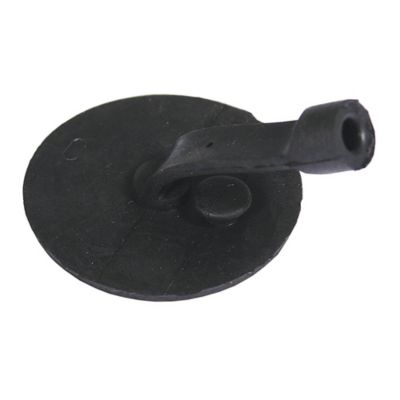
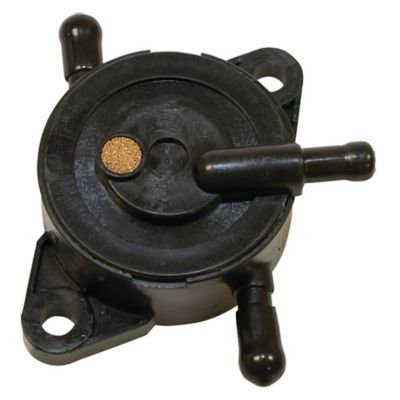
Replacement parts for starting, ignition, charging and cooling address a different side of mower ownership: getting an engine back to dependable operation after a fault has been identified. Starter assemblies, solenoids, ignition coils, voltage regulators and cooling-system components each serve a distinct purpose, and similar symptoms can have different causes. Slow cranking, for instance, can involve the battery, cable connections or starter circuit rather than the starter motor alone. An engine that loses power may have a fuel-delivery issue, restricted airflow or another problem that a new spark plug will not solve. That is why a confirmed diagnosis and the correct engine information belong alongside any replacement-part selection. Electrical connectors, mounting-hole spacing, wire routing and specified clearances can differ across engine configurations, even when components look much alike on the workbench. Materials matter, too. Metal housings and brackets support alignment, molded components provide shape and insulation, and rubber seals or formed gaskets help close joints against leaks. A gasket’s profile, thickness and suitability for contact with oil or fuel matter more than whether it simply covers the opening. Cooling fans, shrouds and screens work together to move air across the engine, so a damaged cover or blocked passage can undermine an otherwise sound repair. Careful handling, clean mating surfaces and manufacturer-specified fastener torque help protect new components during installation. Keeping a record of engine identification details and past repairs is especially helpful on properties with more than one mower, where similar-looking machines may require different parts. For equipment powered by a different engine make,
Honda Lawn Mower Parts provides a separate place to look; compatibility must still be checked against that engine’s information. Whether the job involves regular maintenance or replacing a failed component, mower parts serve a practical goal: keeping familiar equipment working as intended. Matching the component to the engine, the repair and the workload helps support a longer service life without turning a straightforward parts purchase into guesswork.