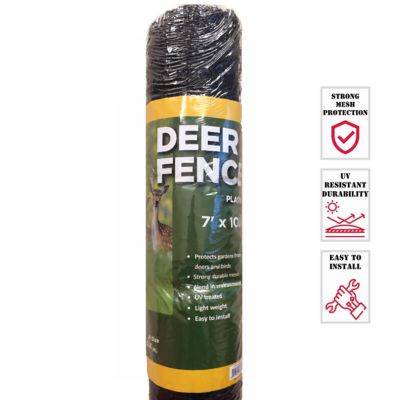
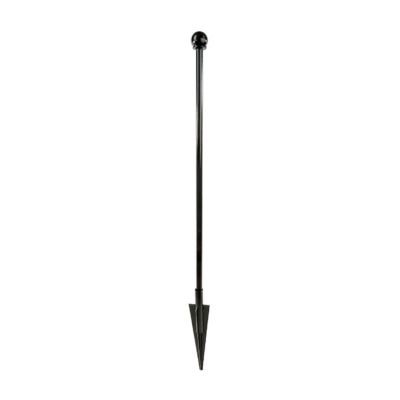
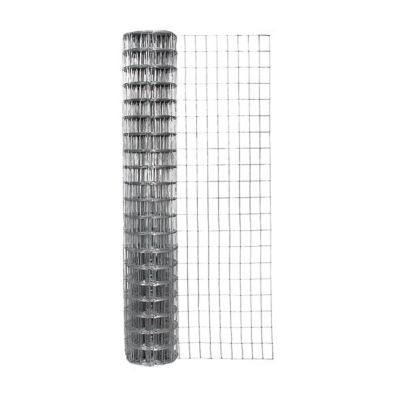
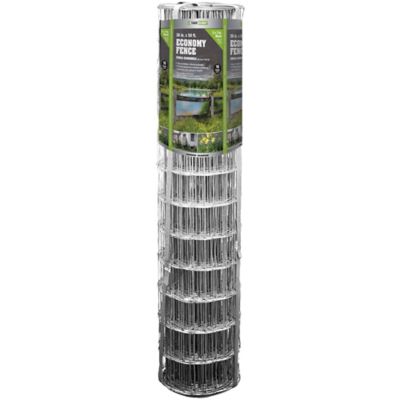
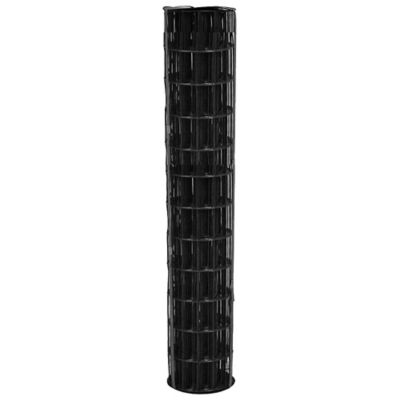
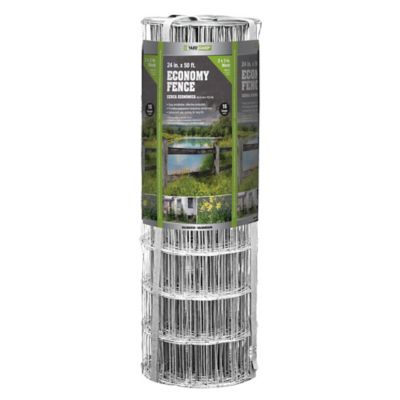
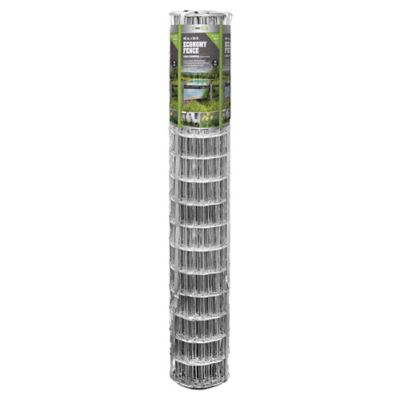
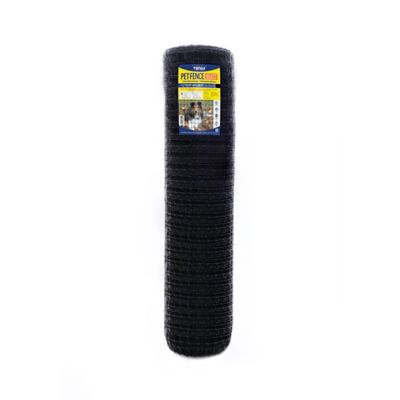
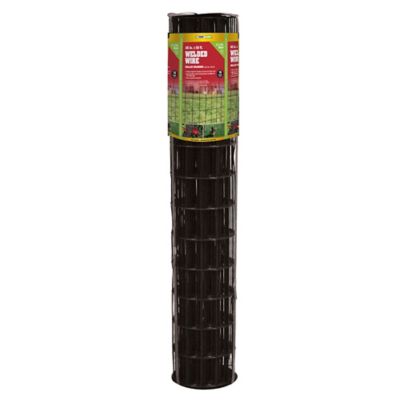
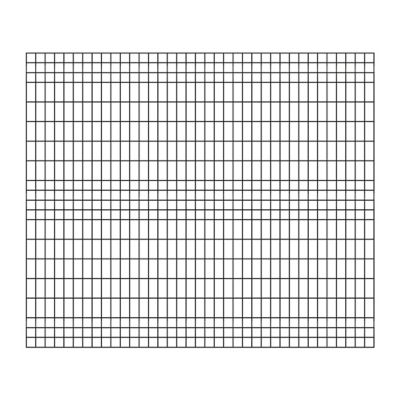
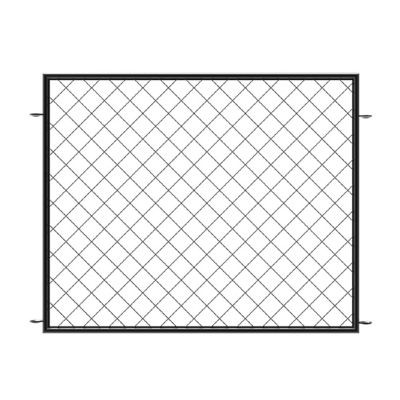
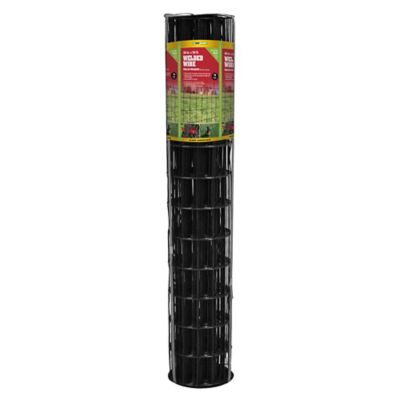
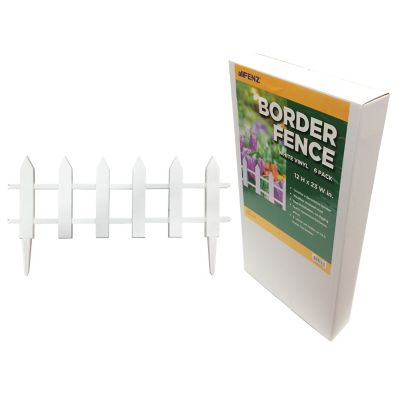
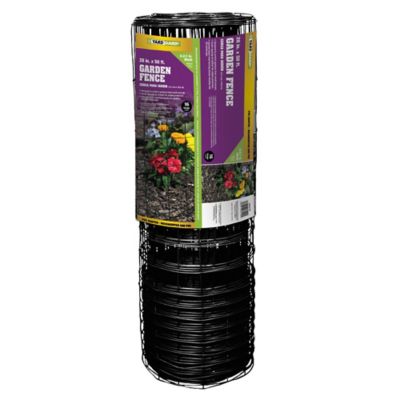
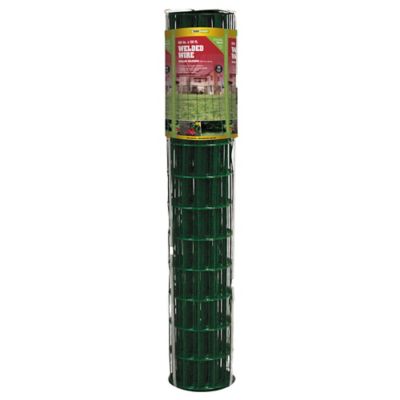
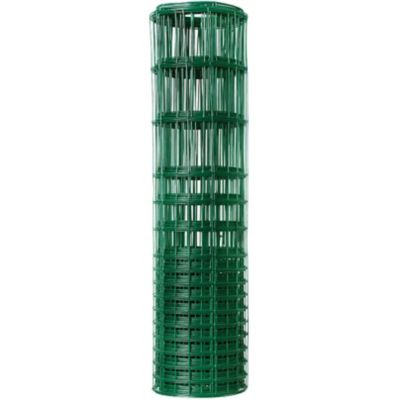
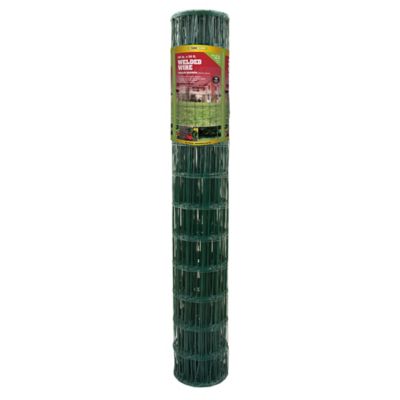
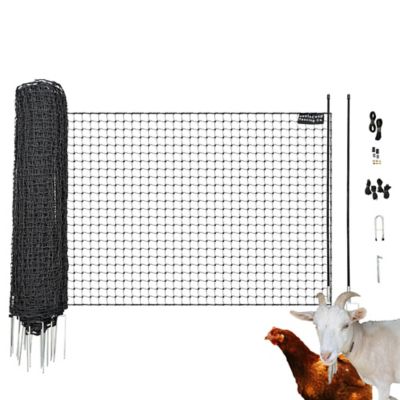
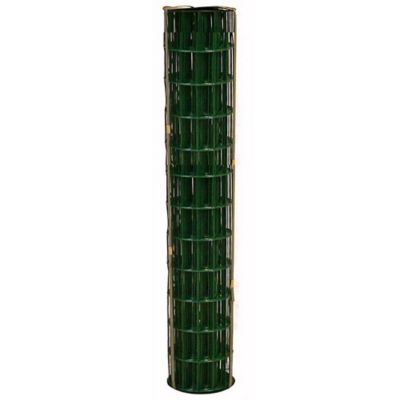
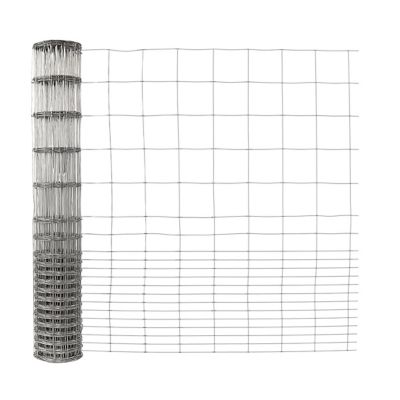
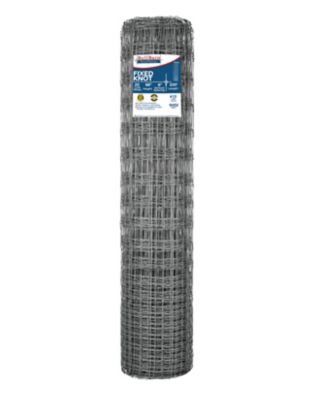
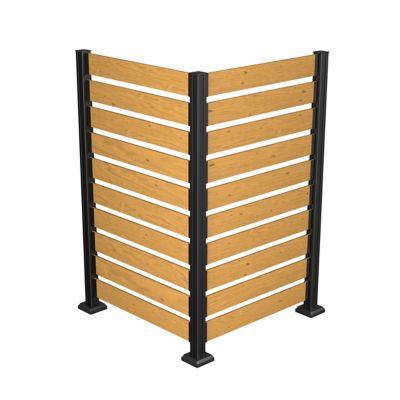
Backyard fencing works best when the material and layout match the job, whether that means giving a dog room to roam, adding privacy around a patio, or separating garden beds from the rest of the yard. Wood, vinyl, and composite fencing can create a more enclosed space, while chain-link, wire, and open metal styles mark a boundary without shutting out the view. Wood brings a natural look that fits beside a farmhouse, a garden shed, or a simple gravel path. Closely spaced boards provide screening, while picket and spaced-board designs leave a more open feel. Wood does need attention over time, including checks for loose boards, splinters, and signs of decay, along with staining or sealing as recommended for the material. Vinyl fencing offers a different balance: it does not rot or need painting, and routine washing can help keep the surface looking tidy. Its posts, rails, and panels still need to fit together correctly, and damaged sections may call for replacement rather than a small patch. Composite fencing combines wood fibers and plastic, with care requirements and installation details that vary by construction. Panel weight, post spacing, and matching hardware matter just as much as the appearance. For an open boundary, chain-link fencing provides visibility across the yard and can suit pet areas when its height, mesh, and bottom clearance match the animal. Welded wire offers a straightforward look around gardens and other defined spaces, while woven wire has a different construction that may suit longer runs. Aluminum and steel fencing provide open sightlines with a more structured appearance. Aluminum does not rust, while steel generally depends on its finish to help protect against corrosion. Across these materials, the best fit comes down to privacy, containment, upkeep, and how the fence connects with gates and existing structures. A fence that looks right from the porch also needs to work at ground level, where pets, mowing equipment, and everyday foot traffic put it to the test.
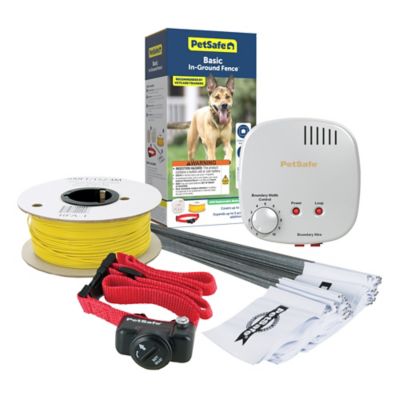
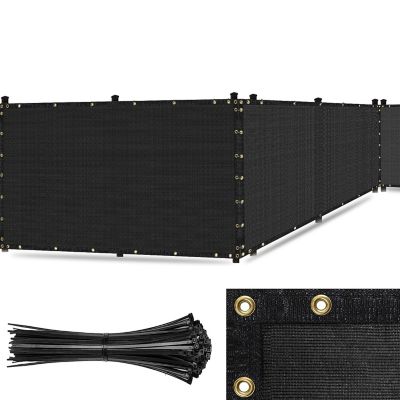
Pet fencing calls for a close look at an animal’s size and habits, not just the height printed in a description. A small dog may squeeze through wide spaces between pickets, while a determined digger may work beneath a fence that otherwise looks secure. Dogs that climb or jump need different considerations from dogs that mostly follow the fence line and watch the yard. Mesh openings, rail placement, latch position, and gaps below gates all affect how well an enclosure suits its purpose. No fence replaces supervision, and a garden border is not the same thing as a pet containment fence. Around vegetable beds, wire fencing can help separate foot traffic and pets from tender plants without making the garden feel boxed in. Smaller mesh may help limit access by some small animals, but the opening size and treatment of the bottom edge both matter. For a sitting area, a solid or closely spaced fence can screen a neighboring driveway or create a quieter-looking backdrop for a picnic table. Open fencing makes more sense where keeping a view of the yard, pasture, or play area matters more than screening. Ground shape also affects the fit. A level fence line and a rolling yard can call for different panel connections, and stepped panels may leave openings beneath them. Rackable designs can follow a slope within the limits set by their manufacturer. Gate placement deserves the same attention as the fence itself. A walk-through opening near the back door keeps daily trips simple, while a wider opening can make room for a riding mower, garden cart, or wheelbarrow. Clear opening width matters more than the outside width of a gate assembly. Hinges, latches, posts, and bracing need to support the gate’s size and weight so it opens without dragging. A comfortable approach on both sides helps keep the gate useful when hands are full of feed buckets, tools, or a basket of vegetables.
A backyard fence is a whole system, with posts, infill, fasteners, gates, and ground connections all doing their share of the work. Compatible components help the fence stay aligned, and exterior-rated materials suited to their placement help support a longer service life. Ground-contact wood needs the appropriate treatment rating, while metal fasteners and connectors should be compatible with the surrounding materials. Contact between certain metals can encourage corrosion, so hardware selection is more than a finishing detail. Post size, spacing, and anchoring depend on fence height, panel construction, soil conditions, and manufacturer requirements; a short garden boundary and a tall privacy fence place very different demands on their supports. Property lines, easements, local fence rules, and underground utility locations also shape where a permanent fence can go. Pool barriers carry separate requirements for height, openings, gates, and latches, so ordinary backyard fencing should not be assumed to meet those rules. Once a fence is in place, regular checks help catch small problems before they affect a whole run. Loose hinges, missing fasteners, bent wire, cracked panels, and boards pulling away from rails can interfere with both appearance and function. Keeping grass and climbing plants from crowding gates makes it easier to spot damage and maintain clearance. Cleaning methods should suit the material and its finish rather than treating every fence the same way. Where a backyard meets a pasture or animal enclosure,
Fencing for Farms covers a related setting with different containment needs. A backyard boundary and a livestock fence may connect, but their spacing, height, and strength requirements are not interchangeable. For the space closest to home, practical details make the difference: a latch that closes cleanly, a mowing path that stays accessible, and a fence line that leaves room for the way the yard gets lived in. Matching those details to the material helps create a boundary that feels settled into the property rather than in the way.