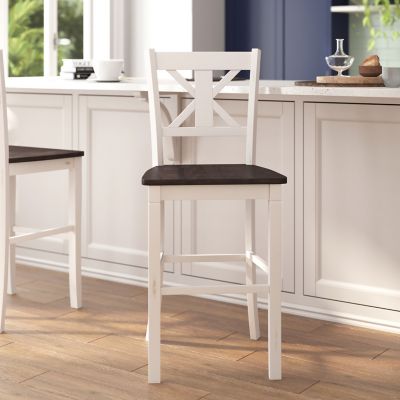
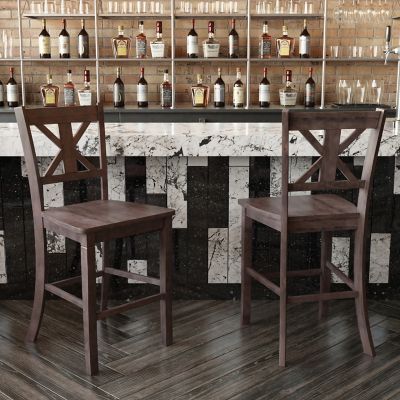
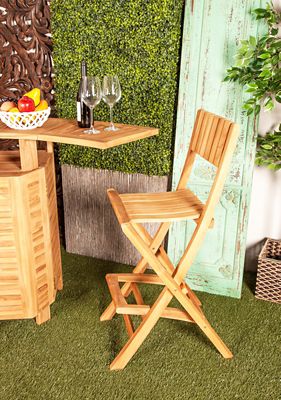
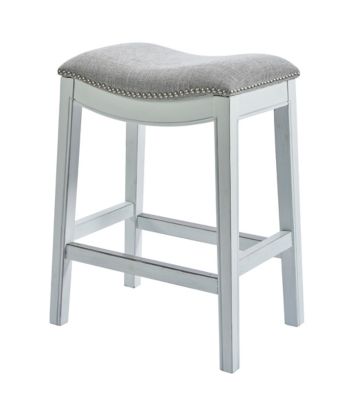
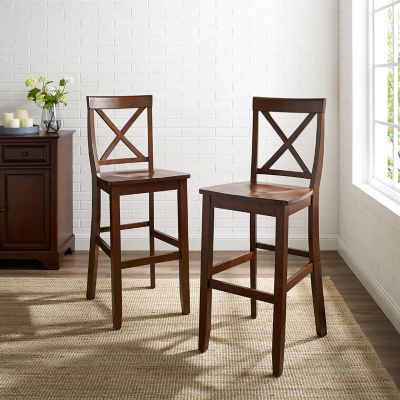
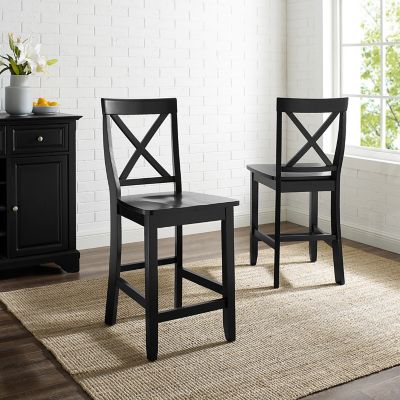
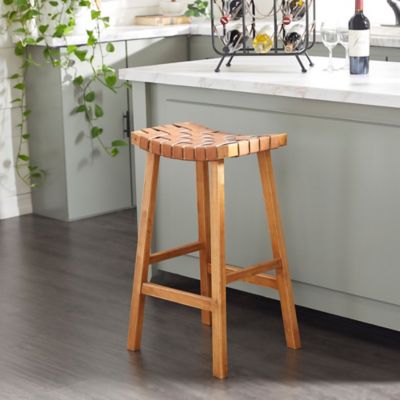
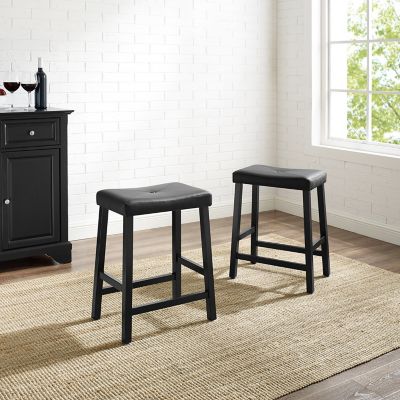
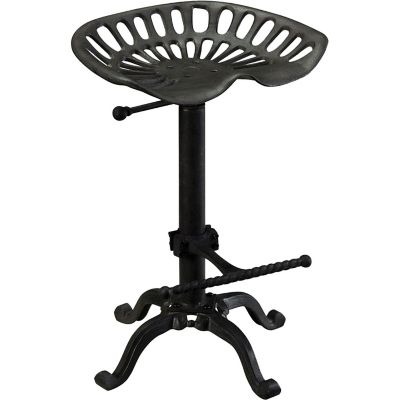
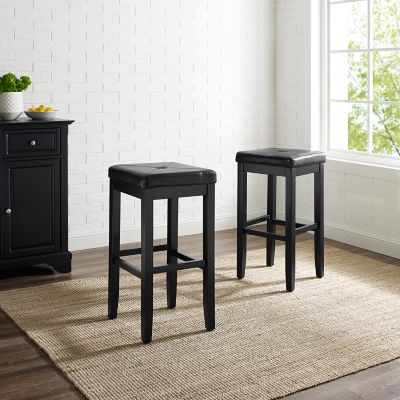
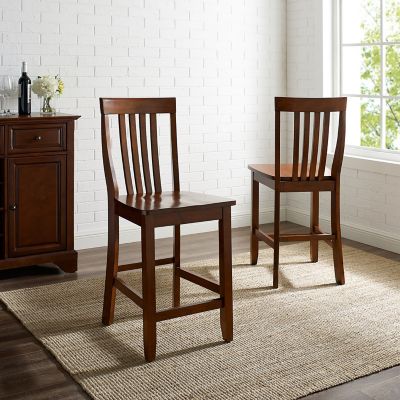
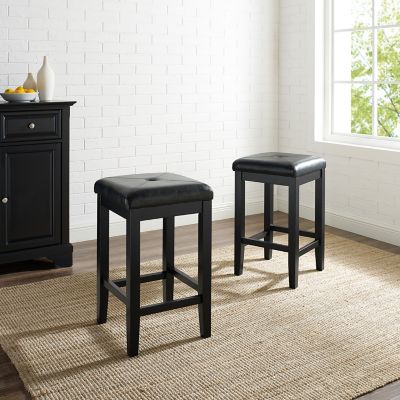
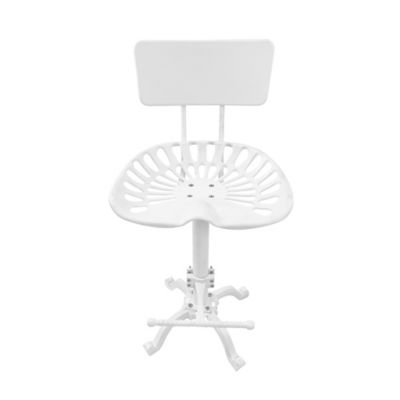
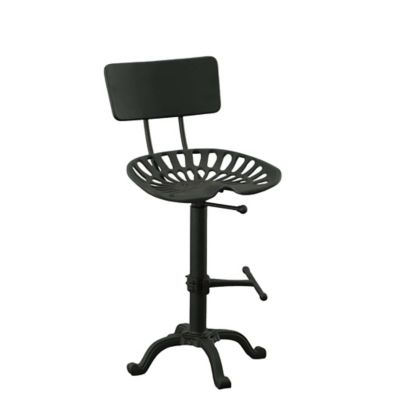
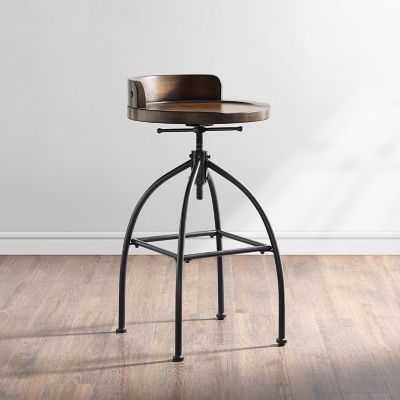
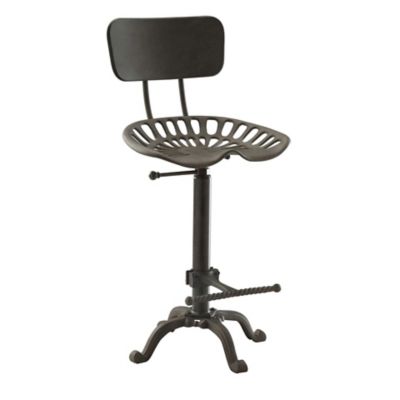
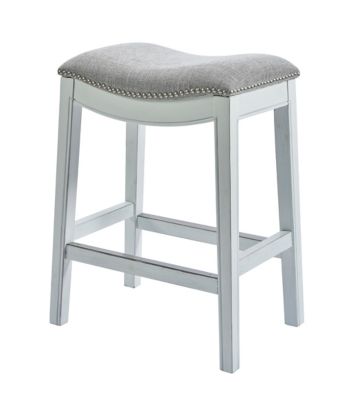
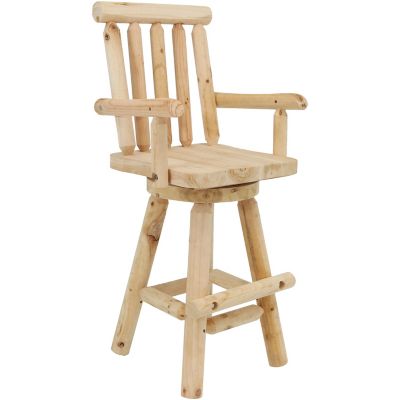
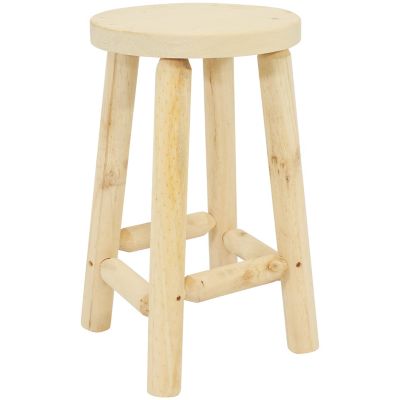
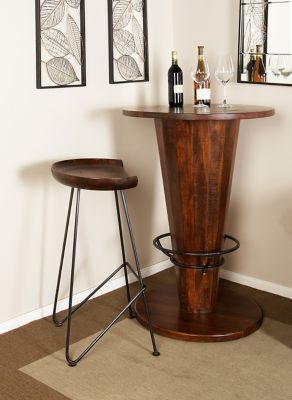
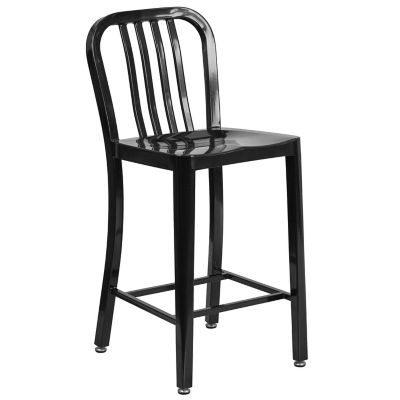
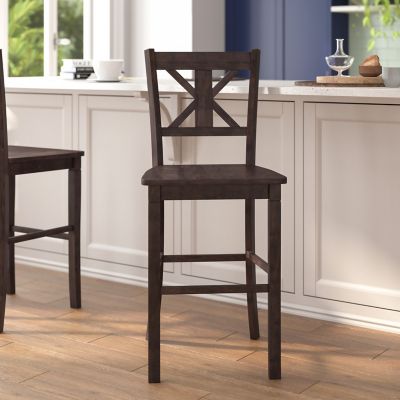
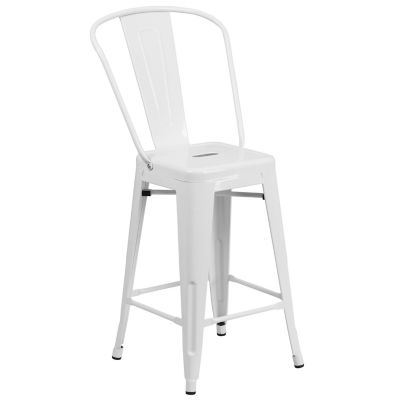
Farmhouse style bar stools bring a comfortable, lived-in feel to the spots where folks naturally gather: the kitchen island, a tall breakfast table, or the counter between the kitchen and living room. They make room for a quick cup of coffee before chores, a neighbor who stops in to visit, and the family member who would rather keep the cook company than sit in another room. The farmhouse look takes much of its character from practical materials and straightforward shapes. Wood grain, painted frames, simple metalwork, and woven textures can all fit the setting without making the room feel overly matched. A stool with a broad wood seat and an open back has a different presence than one with upholstery and a fully supported back, but either can feel at home beside plank flooring, painted cabinets, or a well-worn kitchen table. The best fit depends as much on the way your household gathers as it does on the finish. In a busy kitchen, stools often become everyday seats rather than occasional extras. They hold someone through breakfast, homework, shelling beans, or a long conversation while supper finishes on the stove. During the cooler months, that little stretch of counter can become a favorite place to linger with a warm mug. Backless shapes keep the view across an open room clear and may tuck neatly beneath an overhang, while taller backs give a seating area a more settled, furniture-like feel. For smaller kitchens, a lighter-looking frame can keep the counter from feeling crowded. In a roomy farmhouse kitchen, a more substantial silhouette can balance a large island. Neither approach needs a perfectly coordinated room. Farmhouse style bar stools often look most natural when their colors and textures have something in common with the surrounding furniture, without repeating every detail. A wood tone that picks up the floor, or a dark frame that echoes cabinet hardware, can be enough to tie the space together.
Comfort starts with the relationship between the stool and the surface in front of it. Counter-height and bar-height seating may look similar in a photo, but they serve different setups. A kitchen counter is commonly about 36 inches high, while a bar-height surface is often about 40 to 42 inches high. Counter stools generally have seats around 24 to 27 inches from the floor; bar stools are commonly around 28 to 33 inches. Those ranges are a starting point, not a substitute for the measurements of the furniture itself. About 10 to 12 inches between the seat and the underside of the counter usually leaves comfortable legroom, though thick aprons, support brackets, and shallow overhangs can change how a stool fits. For a standard kitchen island,
Modern Farmhouse Counter Stools offer a related direction to consider when choosing the right seating height and a simpler farmhouse look. Width matters just as much when several people share the counter. Allowing roughly 24 to 30 inches of counter length per person is a useful starting point, with extra space for broad seats, arms, or swivel movement. Nobody enjoys eating breakfast with an elbow pressed against the next person. Seat shape also makes a noticeable difference over the course of a meal. A gently contoured seat can feel more welcoming than a flat surface, while padding adds softness for longer visits. A backrest offers support for someone who likes to settle in, and a footrest gives feet somewhere to land rather than leaving legs dangling. Arms can make a stool feel more like a chair, but their height needs to clear the counter if the seat is meant to tuck underneath. Swivel seating can make it easier to turn toward a conversation without dragging the whole stool across the floor. Fixed seats, on the other hand, keep the arrangement simple. For households with children, the stated age suitability, weight capacity, stability, and seating height deserve close attention; a tall stool is not a replacement for age-appropriate child seating.
Materials and finishes help determine how farmhouse bar stools fit into daily life after the first meal has been served. Wood brings visible grain and warmth, with lighter finishes keeping a room airy and deeper tones adding contrast against pale cabinetry. Painted surfaces can lend a softer country feel, while metal frames bring a more workmanlike note that sits comfortably alongside wood counters and open shelving. Mixed-material seating can bridge the gap between a traditional farmhouse kitchen and a newer space with clean lines. In a home where flour lands on the counter and muddy boots pause near the back door, care requirements deserve a place in the decision. Smooth seats generally have fewer crevices to catch crumbs, while woven surfaces and detailed backs may need more attention during cleaning. Upholstery can be comfortable for lingering over a meal, but fabric care instructions matter when spills are part of the routine. Removable cushions, where offered, may make upkeep easier, though washing methods depend on the material and care label. Floor contact is another small detail worth checking. Suitable glides or pads can help protect flooring, and adjustable levelers, when included, can help a stool sit evenly on a slightly uneven surface. Assembly requirements, overall weight, and the clearance behind each seat also affect how easily the seating works in your room. There should be space to pull out a stool and walk behind it without turning the path to the refrigerator into a squeeze. Farmhouse style bar stools suit busy families, couples furnishing a country place, and anyone making an eat-in kitchen feel more inviting. They can also be a thoughtful housewarming gift when the recipient’s counter measurements, space, and preferences are known. Indoor seating belongs indoors unless the product is specifically rated for outdoor conditions, even when a covered porch seems like a tempting spot. With the right proportions and a finish that suits the room, these seats become part of the ordinary rhythm of home: a place to set down the mail, share a snack, and stay awhile after the plates are cleared.