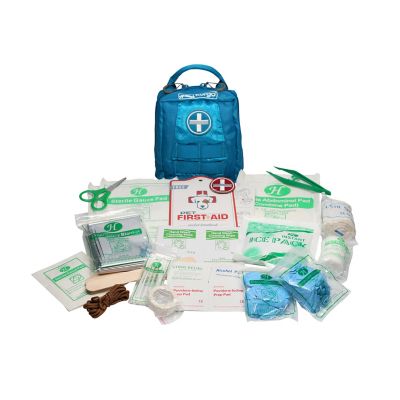
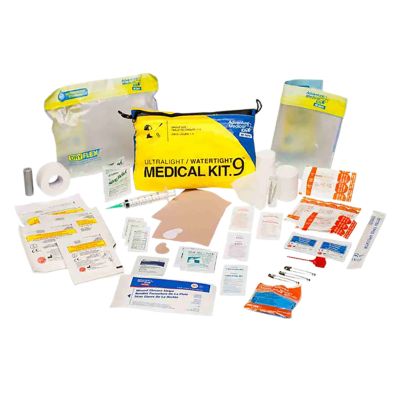
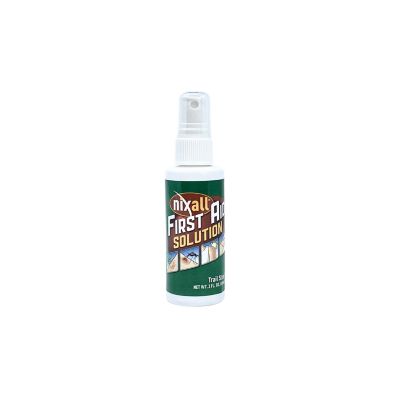
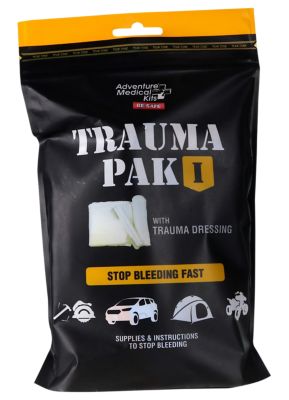
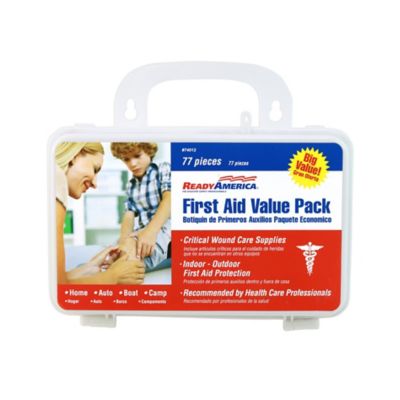
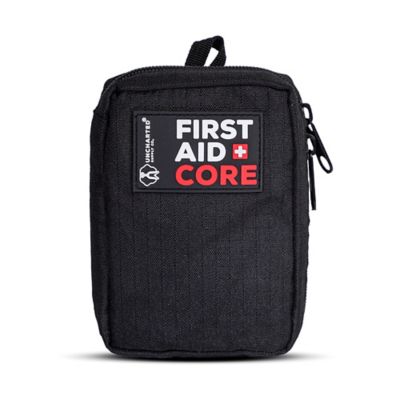
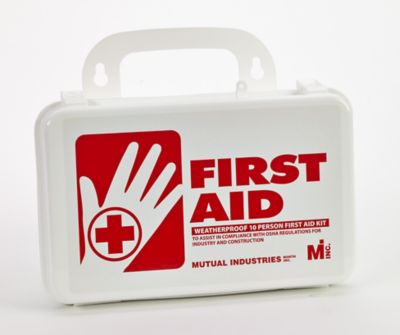
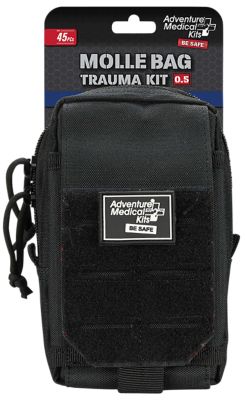
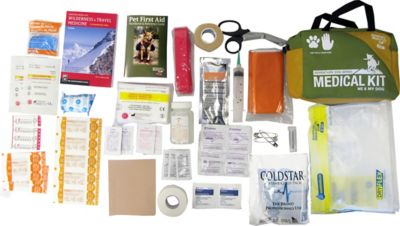
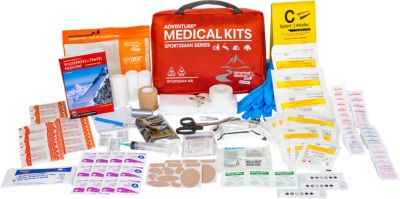
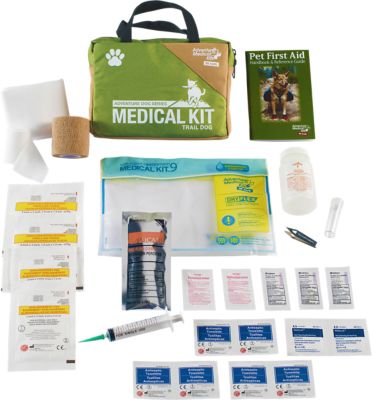
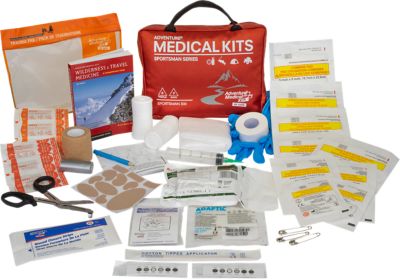
First aid kit essentials include adhesive bandages, sterile gauze, medical tape, antiseptic wipes, disposable gloves, and basic tools for tending minor cuts and scrapes. Together, these supplies cover different parts of everyday first aid, from cleaning skin and covering small wounds to keeping hands protected while helping someone else. A kit kept near the kitchen serves a different routine than one carried between the barn, workshop, and pickup, but the basics still come down to having suitable supplies within reach. Bandages in several sizes offer coverage for everything from a small nick on a finger to a scrape across a knee. Flexible fabric backings move with knuckles and elbows, while water-resistant options help limit exposure to occasional splashes when worn according to their directions. Adhesive strength matters, too: a covering needs to stay in place without making removal unnecessarily rough on the skin. Nonstick pads provide another option for covering minor wounds, and gauze comes in formats suited to padding, covering, or securing a dressing. Medical tape helps hold those materials in place, with paper, cloth, and other backings offering different levels of flexibility and skin contact. For anyone with sensitive skin, clearly labeled latex-free materials and gentler adhesives deserve a closer look. Individual wrapping helps protect sterile contents until opening and makes it easier to see which supplies are ready for use. Burn care products intended for minor burns have a different purpose from ordinary wound coverings, so their labeling matters just as much as their size or packaging. These are practical supplies for households, farm families, hobbyists, and anyone whose day includes tools, chores, or time away from home. They support care for minor injuries, but they do not replace medical training or emergency treatment. Deep wounds, severe burns, uncontrolled bleeding, or other serious injuries require prompt medical help. A useful assortment reflects the people nearby and the work at hand, without turning a simple kit into a jumble of supplies with no clear purpose.
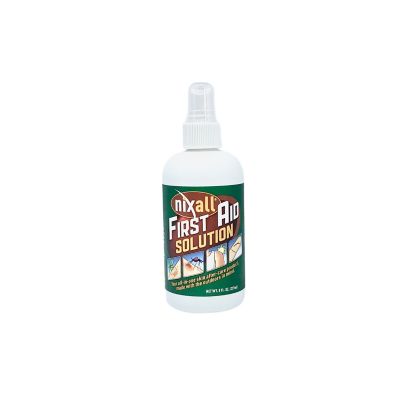
Beyond wound coverings, first aid supplies include small tools and protective materials that can make an awkward moment more manageable. Disposable examination gloves provide a barrier during care, and the fit should allow enough finger movement to handle a wrapper or position a dressing. Gloves that pinch across the palm or hang loose at the fingertips can make simple tasks harder, especially when someone is trying to help a child with a scraped elbow. Nitrile options offer an alternative for people avoiding natural rubber latex, though individual material sensitivities still matter. Tweezers with a comfortable grip and well-aligned tips suit small, precise tasks, while first aid scissors are shaped for cutting dressing materials. Rounded-tip designs can help limit accidental pokes, but any tool still needs careful handling. Metal tools with smooth surfaces are easier to wipe down according to their care directions, and protective sleeves keep sharp edges from catching on soft packaging. Instant cold packs add another type of support for certain minor bumps and strains when applied as directed; their sealed construction and activation method matter in a kit that may sit between outings. Antiseptic products also vary in ingredients and intended use, so a skin-cleansing product should not be mistaken for a surface cleaner. Any over-the-counter medicines included in a household kit need clear labels, age-appropriate directions, and attention to allergies, health conditions, and possible interactions. Child-resistant packaging is helpful, but it is no substitute for keeping medicines out of children’s reach. For families with several caregivers, straightforward labeling and familiar supplies make the kit easier to navigate. Large-print directions can be helpful for older adults, while easy-grip packaging may suit people with limited hand strength. The goal is not the longest possible contents list. It is a sensible mix of materials that the intended user can recognize, handle, and keep in good condition, whether the kit stays at home or travels along for a day of work.
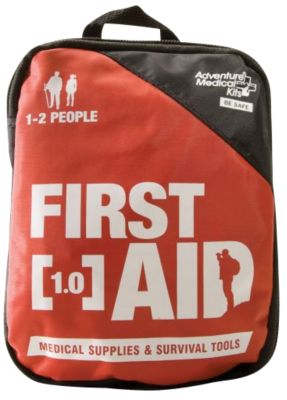
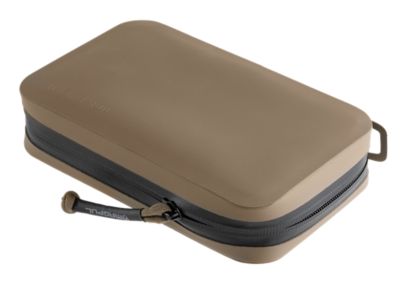
The container plays a big part in how first aid supplies hold up between the moments they are needed. A hard-sided case offers structure around crushable packages, while a soft-sided bag can fit more easily into a cabinet, gear compartment, or space behind a truck seat. Tough woven fabrics, reinforced seams, sturdy handles, and closures that open without a struggle are practical details for a kit that gets carried from place to place. Water-resistant shells help shield contents from incidental splashes, though that label does not necessarily mean a case can withstand submersion. Inside, divided pockets and see-through compartments keep small packets from settling beneath larger dressings. A wide opening makes the contents easier to scan, and enough spare room allows replacement supplies to fit without bending sterile wrappers or forcing the zipper. Portability matters for a family headed down a back road, a crew working beyond the house, or someone hauling equipment between properties. For a broader look at supplies meant to travel together,
Travel Emergency Kits covers a related need beyond everyday wound care. Wherever a first aid kit stays, storage conditions should follow the labels on its contents; a vehicle compartment may not suit every medicine or medical supply. Routine checks help catch torn wrappers, leaking packets, missing supplies, and expiration dates before the next need arises. The case itself benefits from cleaning according to its material and care instructions, with contents kept protected while it dries. Human first aid supplies and animal-care supplies serve different needs, so a clearly identified household kit helps avoid mix-ups around a farm or barn. A workplace kit may also need to meet employer policies or applicable requirements beyond a home assortment. Clear identification, sensible organization, and a location known to responsible adults all contribute to everyday readiness. Whether tucked into a workshop cabinet or carried along in the pickup, a thoughtfully arranged kit keeps the basics together without adding needless clutter to an already busy day.