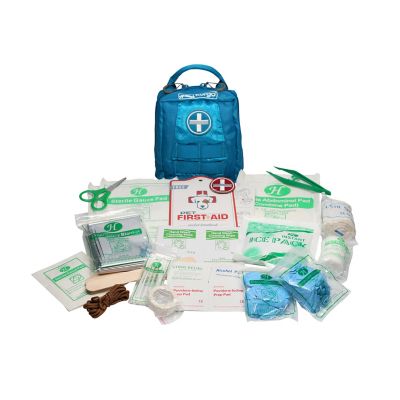
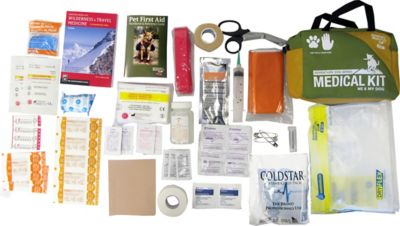
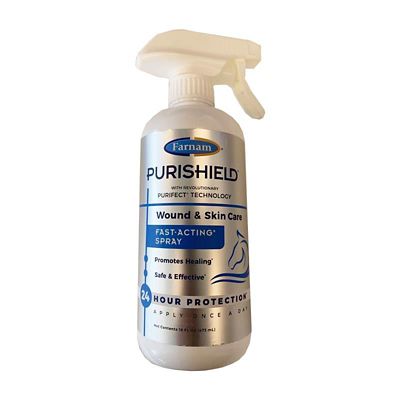
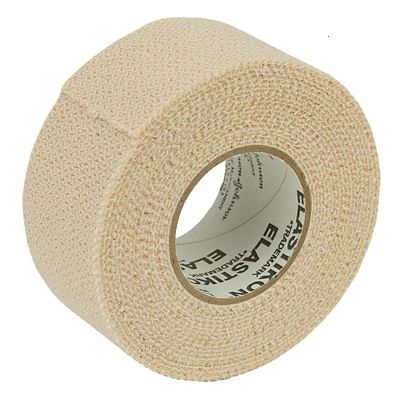
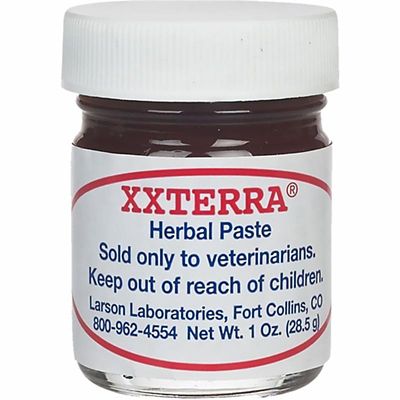
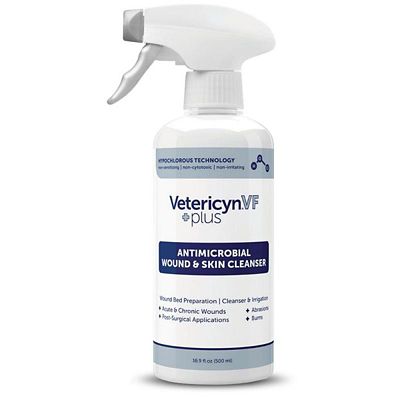
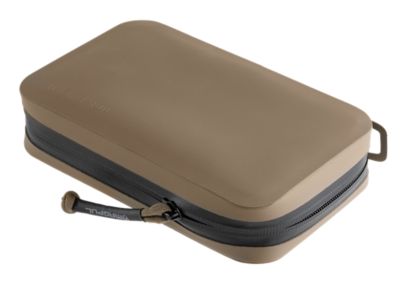
Pet first aid kits keep basic care supplies together when a dog comes back from the fence line with a scrape or a cat needs attention before a trip to the veterinarian. A kit is meant to support initial care and safe handling, not replace a veterinary exam or treatment. Common contents include gauze pads, nonstick dressings, bandaging materials, disposable gloves, blunt-tipped scissors, and tweezers, though the contents and quantities vary from kit to kit. Some kits also include saline rinse, a digital thermometer, or a pet first aid reference. A clearly written contents list makes it easier to understand what each kit covers and what may need to be added with a veterinarian’s guidance. Wound care supplies are only part of the picture: emergency contact information, medication details, and a pet’s medical history can be just as helpful when another person has to take over care. For households with dogs and cats, supplies should be appropriate for the animal receiving care, since a product intended for one species is not automatically suitable for another. The same applies to pets with sensitive skin, existing health conditions, or a history of reacting to certain adhesives. A small kit can fit into everyday outings, while a larger organizer may make more sense for a multi-pet household or a caretaker responsible for several animals. Whether it stays near the back door or travels between the house and the truck, the value of a kit comes from having clearly identified supplies within reach. For a pet sitter, farm helper, or family member handling an unexpected problem, an organized case offers a familiar place to start while getting advice from the veterinarian. That shared setup matters most when the usual caretaker is away and someone else needs to find a dressing, locate a phone number, or gather the pet’s records without rummaging through several drawers.
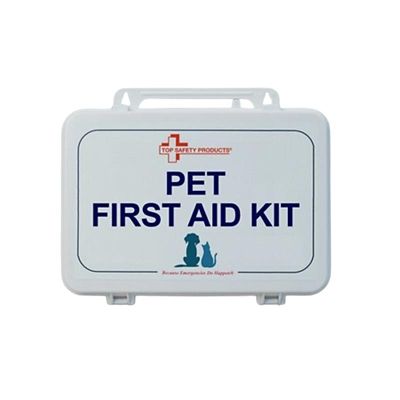
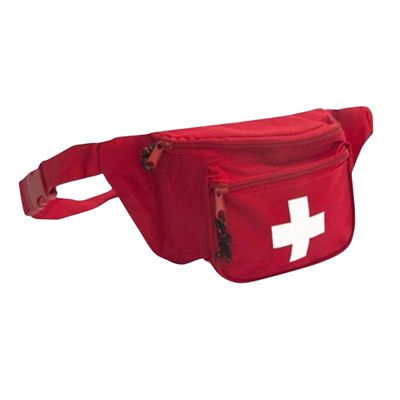
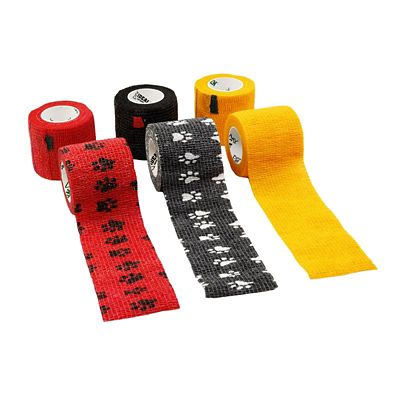
The case itself deserves as much attention as the contents. Pet first aid kits may have soft fabric organizers, zippered pouches, or rigid cases, and each style has practical trade-offs. Nylon or polyester fabric can keep a travel kit light and easy to tuck behind a seat, while a rigid plastic shell can help prevent supplies from being crushed beneath other gear. A wipe-clean surface is handy around muddy paws, dusty equipment, and the everyday mess that comes with animals. Water-resistant material offers some protection from splashes, but it does not necessarily make a case waterproof; individually sealed dressings still need protection from moisture and damaged packaging. Interior pockets, elastic loops, and separate compartments help keep small tools from getting buried beneath rolls of bandage material. A wide opening and easy-to-grasp zipper pulls can also make contents easier to reach when one hand is occupied holding a leash. For a kit that travels, the packed size and weight matter more than the number of compartments alone. A pouch that fits comfortably in a day pack serves a different purpose from a case kept in a kennel area or carried in a vehicle. Bandage dimensions matter, too. A narrow dressing that suits a small paw may not offer enough coverage for a larger dog, while an oversized wrap can be awkward around a smaller limb. Cohesive bandaging material generally sticks to itself rather than fur, but it can still cause harm if wrapped too tightly, so its inclusion is not a substitute for knowing proper application. Materials that touch a wound should remain in their original sealed packaging until needed. For pets that resist handling, a kit’s usefulness also depends on safe restraint and the caretaker’s familiarity with the animal; pain can change even a gentle pet’s behavior. These details help distinguish a thoughtfully arranged pet emergency kit from a crowded pouch that is difficult to navigate under pressure.
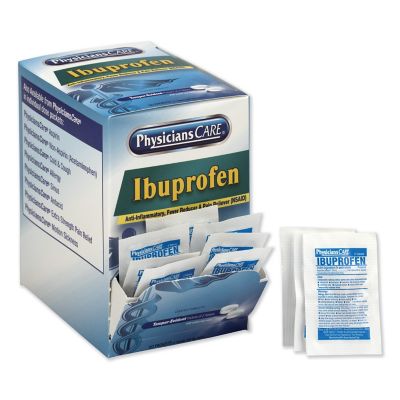
Keeping a pet first aid kit ready is an ongoing part of animal care, much like keeping vaccination records together or making sure a carrier latches properly. A check at least every six months, and after any supplies are taken out, helps catch expired contents, missing tools, torn wrappers, and damp packaging. Manufacturer directions determine storage conditions and shelf life, so a kit’s usual spot should protect its contents from moisture, direct sunlight, and conditions outside the labeled storage range. A vehicle kit needs particular attention because a parked cab may not meet those storage requirements. Medications should only be included with a veterinarian’s direction for the individual pet, along with clear labeling and dosing information. Human pain relievers and household treatments should never be assumed safe for dogs or cats. A contact card can hold the regular veterinary clinic’s number, the nearest emergency animal hospital, and an animal poison control number. A brief record of allergies, ongoing conditions, prescriptions, and the pet’s usual weight gives a veterinarian helpful background, especially when care happens away from home. Pet sitters and other caretakers benefit from knowing where the kit lives and which clinic to contact, rather than having to sort that out during a problem. Basic first aid training can make the supplies more useful, but a stocked case does not make serious injuries safe to manage at home. Trouble breathing, collapse, uncontrolled bleeding, suspected poisoning, and significant trauma call for immediate veterinary attention. Everyday care has a separate role:
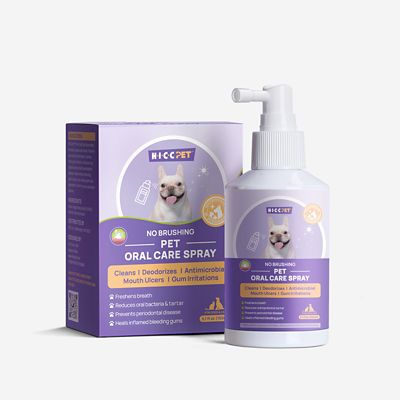
Pet Oral Care Supplies support routine tooth and gum care rather than emergency treatment. Keeping routine grooming supplies separate from first aid materials helps the emergency case stay organized. With a sensible layout, appropriate contents, and regular checks, a pet first aid kit becomes a practical part of caring for animals at home, on the road, or around the farm.