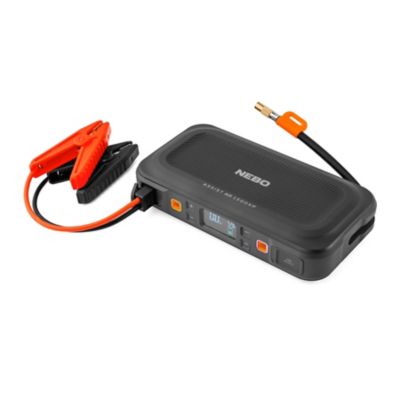
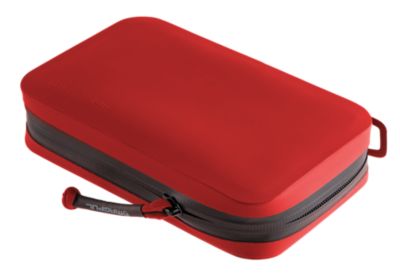
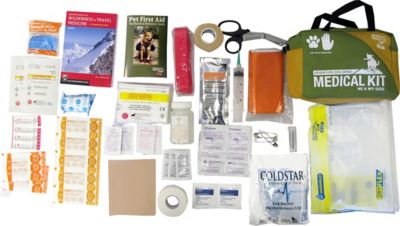
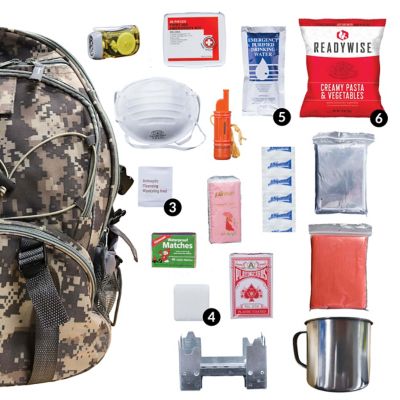
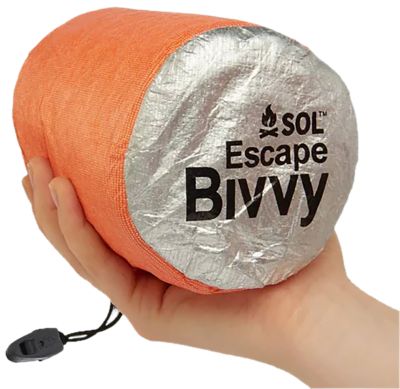
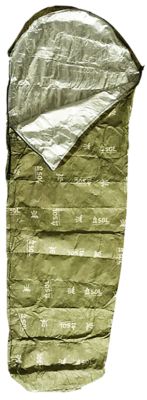
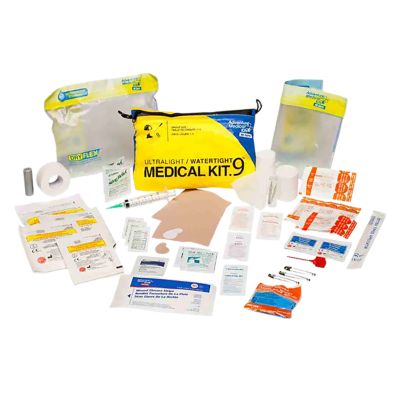
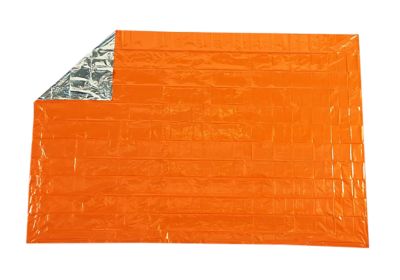
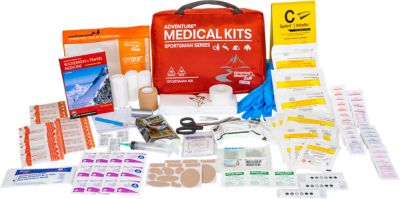
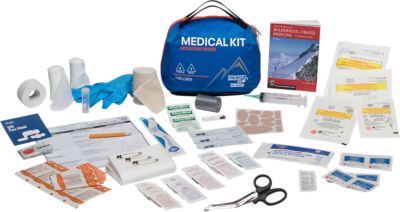
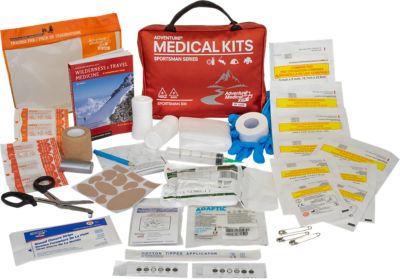
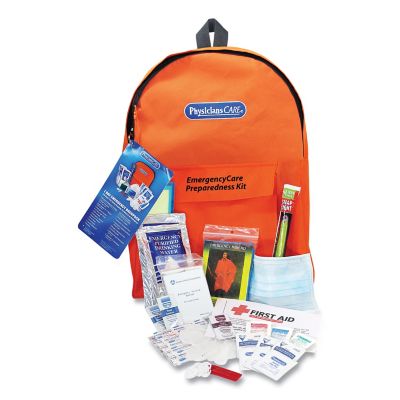
Travel emergency kits bring practical peace of mind to road trips, flights, camping weekends, work travel, and everyday miles between home and the next stop. A well-planned kit keeps small problems from turning into a long delay, whether a blister starts rubbing during a walk through town, a splinter shows up while setting up camp, or a sudden scrape needs attention before you can reach a store. Look for a compact assortment of first aid supplies that can fit in a glove box, backpack, duffel, or carry-on without taking up much room. Helpful basics include adhesive bandages in several sizes, sterile gauze pads, medical tape, antiseptic wipes, disposable non-latex gloves, small scissors, tweezers, and an instant cold pack. Blister care, burn relief gel, and a few packets for cleaning hands can make a noticeable difference during long days on the road. A small flashlight or headlamp with spare batteries is handy when a tire needs checking after dark, a campsite gets hard to navigate, or a roadside stop has poor lighting. An emergency space blanket adds a lightweight layer of protection if a vehicle becomes stranded or the weather turns colder than expected. Look for a case with clear sections or labeled pockets so supplies are easy to find when the light is low and everyone is tired. Check the kit before each trip, replace anything that has been opened, and pay attention to expiration dates on medications and other time-sensitive items. It also helps to add personal prescriptions, allergy medicine, motion sickness relief, pain or fever medicine, antacids, and stomach relief products when appropriate for the traveler. Keep medicines in their original packaging, follow label directions, and ask a medical professional about anything that may interact with regular prescriptions or health conditions. For more packing inspiration before heading out on foot, visit
Essentials For Backpackers.
The right travel emergency kit depends on where the trip leads, how long you will be away, and who is carrying it. A family driving across several states may want extra bandages, cleansing wipes, hand sanitizer containing at least 60% alcohol, children’s medicines approved for each child, and enough personal prescriptions for the full trip plus a little extra in case of delays. Someone heading to a ball game, fair, trail, or outdoor worksite may appreciate blister protection, cold packs, sunscreen, insect-bite care, and a flashlight tucked into a small day bag. Travelers spending time in the woods should consider tweezers for splinters or ticks, gloves for wound care, extra water, and supplies that stay protected from damp weather. People flying may prefer a smaller kit that fits inside a personal bag and includes travel-size sanitation items, bandages, prescribed medicine, and motion sickness relief. Check airline rules before packing scissors, liquids, or other restricted items, and keep essential medicine easy to reach rather than buried in checked luggage. A kit can also make a thoughtful present for a new driver, college student, frequent traveler, outdoor worker, hunter, camper, or family member who spends a lot of time on rural roads. Pairing a practical emergency kit with a flashlight, spare batteries, or a small first aid refill gives the recipient useful supplies for the truck, camper, boat, or cabin. During the cooler months, add warm socks, gloves, a hat, and a charger or power bank to the travel plan, since a minor breakdown can become more uncomfortable when the sun goes down early. In warmer weather, focus more attention on hydration, sun exposure, insects, and keeping heat-sensitive items stored properly. No kit replaces good judgment or professional medical care, but having basic supplies close at hand can help with minor injuries while you arrange further assistance.
Before setting out, take a few minutes to match the contents to the route and the people traveling with you. A kit for a quiet weekend at a nearby campground may look different from one for a long highway trip, remote hunting property, jobsite, or flight far from home. Consider known allergies, asthma, diabetes, mobility needs, children’s ages, and any regular medicines that should stay with each traveler. Pack contact information for family members, health providers, and roadside assistance, along with copies of important medical details when appropriate. Keep the kit where it can be reached without unloading every bag, such as a glove box, center console, top pocket of a pack, or front compartment of a work bag. Store liquids and ointments in sealed pouches, protect paper items from rain, and check batteries before heading out. It is wise to inspect supplies after a muddy camping weekend, a dusty workday, or a season of sitting in a hot vehicle, since heat and moisture can affect packaging. Replace missing items after they are needed, and refresh the contents as children grow or travel plans change. These simple habits help keep a travel emergency kit ready for scraped knees, sore feet, minor burns, bug bites, nausea, headaches, sudden weather changes, and other common bumps in the road. Having the basics together means less time searching through bags and more time getting everyone comfortable, settled, and safely back on the way.