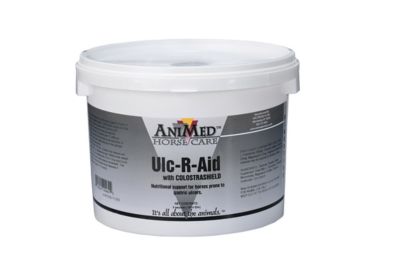
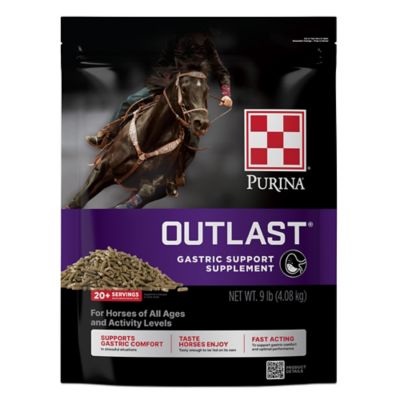
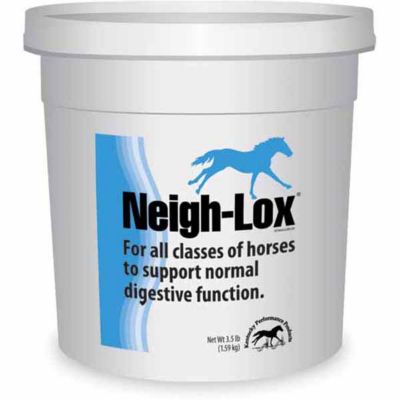
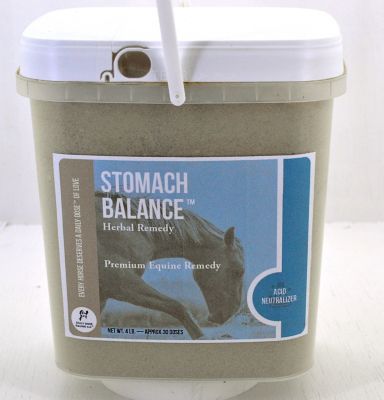
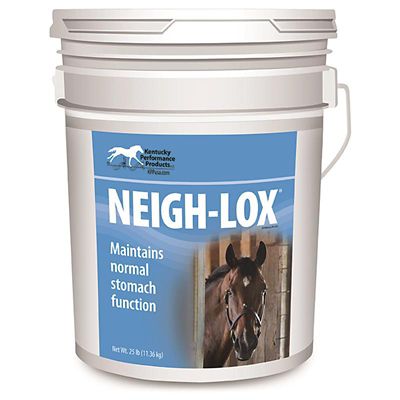
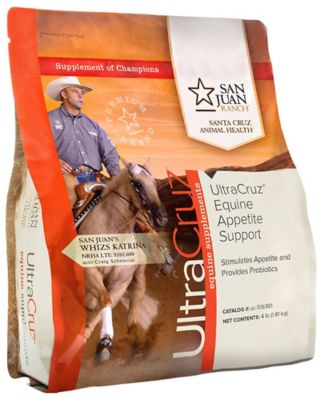
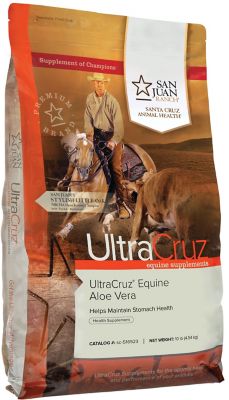
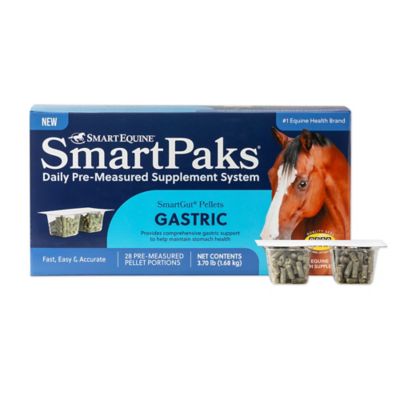
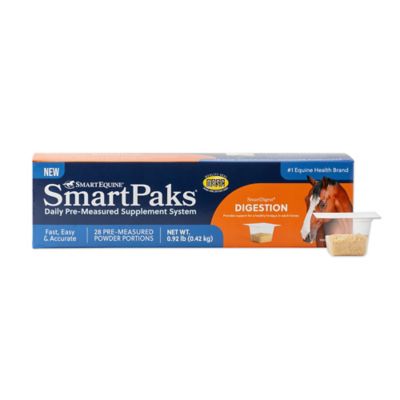
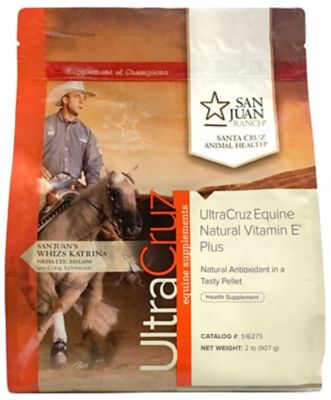
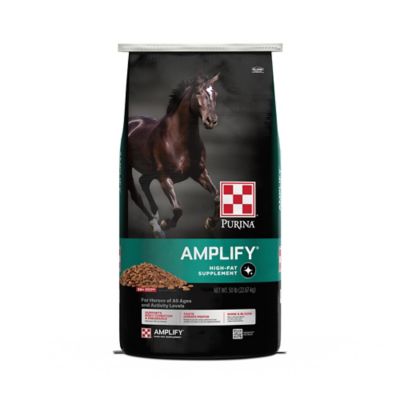
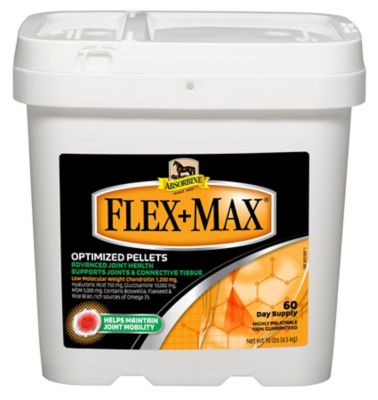
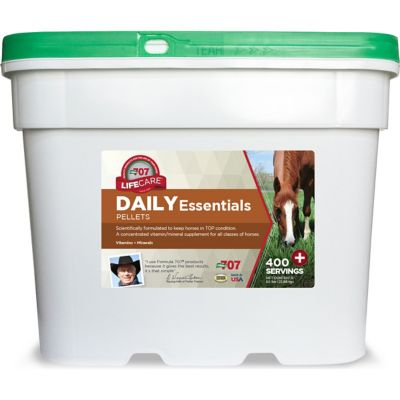
Equine ulcer supplements are commonly used as part of a horse’s daily digestive-support routine, especially for animals exposed to training, travel, competition, stall time, herd changes, or other forms of stress. Horses are natural trickle-feeders, and long stretches without forage can leave the stomach more vulnerable to acid irritation. Changes in turnout during the cooler months, a busy riding schedule, hauling to a new barn, or reduced grazing as pastures change can all affect feeding habits and gut comfort. These supplements may help support a healthy stomach environment by buffering acid, supporting the protective lining of the stomach, or providing ingredients intended to soothe the digestive tract. Common ingredient categories include seaweed-derived calcium, magnesium oxide, pectin, lecithin, aloe vera, slippery elm, marshmallow root, beta-glucan, and L-glutamine. Some formulas are made for quick acid buffering, while others focus on mucosal support, hindgut balance, or overall digestive maintenance. Pellets and powders can be mixed into a regular grain ration, and some products are designed to be fed before work, travel, or other known stressors. Always read the feeding directions carefully, since serving sizes can vary by horse weight, activity level, and formula concentration. A scoop that looks small may be a full serving, while another product may call for a larger daily amount divided between meals. It also helps to check the ingredient list for added sugars, starch, flavorings, or allergens when feeding a horse with metabolic concerns or a sensitive digestive system. For horses that need broader nutritional support alongside a balanced diet, you may also want to explore
Horse Topline Supplements. A clean water supply, quality forage, regular turnout when practical, and several smaller meals can be just as important as the supplement itself. Keeping hay available before and during hauling or riding may help reduce the amount of time the stomach is empty, while feeding a small forage meal before exercise can be a useful barn habit. These products can be a thoughtful gift for a horse owner, trainer, or boarding stable, particularly when you know the recipient’s feeding routine and can choose a formula that fits the horse’s current diet. A gift card or unopened supplement selected with the owner’s approval is often the safest choice, since horses can have very different needs and some are already receiving multiple digestive-support products.
Supplements are not a substitute for veterinary diagnosis or treatment. A horse with active gastric ulcers may require prescription medical care, including an FDA-approved omeprazole treatment prescribed and monitored by a veterinarian. Signs such as poor appetite, weight loss, girthiness, repeated stretching, teeth grinding, changes in manure, dullness, reluctance to work, or an unexplained drop in condition can have several causes and should not be diagnosed from symptoms alone. Your veterinarian can recommend an examination, testing, and a treatment plan based on the horse’s history, workload, diet, and body condition. Once medical treatment is complete, a supportive supplement may be considered for ongoing management, but the right choice depends on whether the goal is maintenance, stress support, acid buffering, or broader digestive health. Before purchasing, compare the guaranteed analysis, active ingredients, feeding rate, container size, storage instructions, and any competition-related restrictions. Look for clear directions and choose a product that is practical to feed every day; a formula that gets left in the tack room will not help the horse. It is also wise to introduce any new supplement gradually and one at a time, giving you a better chance to notice how your horse responds. Keep a simple record of appetite, manure, attitude, weight, workload, and stressful events such as trailering or a change in turnout. That kind of day-to-day information can be useful when discussing progress with your veterinarian. During warmer weather, make sure powders and pelleted products stay dry and protected from heat, insects, and moisture. As conditions turn cooler and horses spend more time indoors, pay close attention to forage intake, water consumption, and meal spacing. Horses that travel, train hard, compete, crib, receive frequent grain meals, or spend long periods stalled may need especially careful management, but even a quiet backyard horse can benefit from a steady routine. Feed equine ulcer supplements only as directed, avoid stacking several products with overlapping ingredients unless your veterinarian or equine nutritionist approves, and keep all supplements out of reach of children and animals for which they are not intended. With thoughtful feeding practices and professional guidance, these products can fit into a practical plan for supporting comfortable digestion through changing routines, barn life, and the demands of everyday horse keeping.