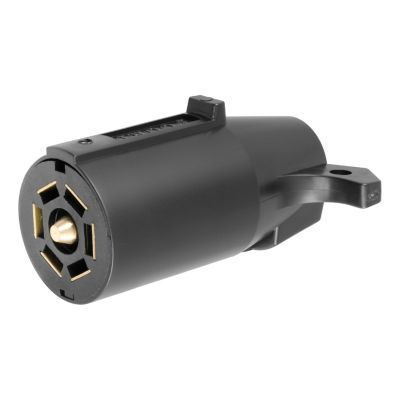
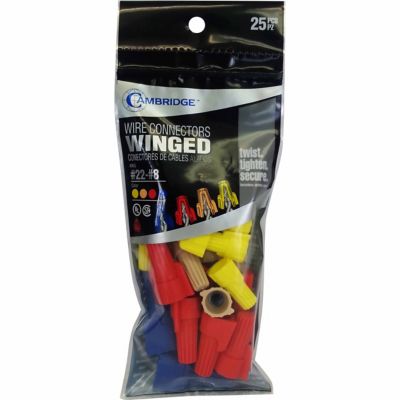
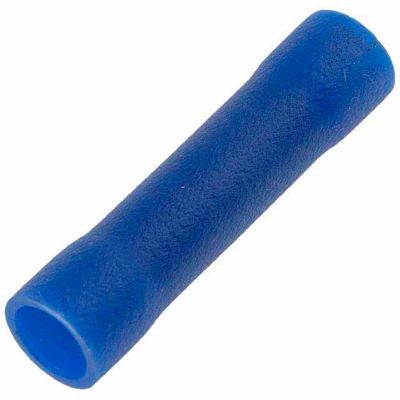
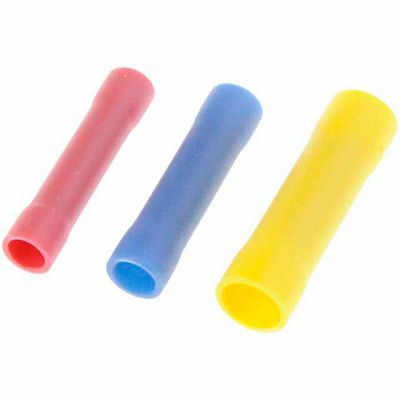
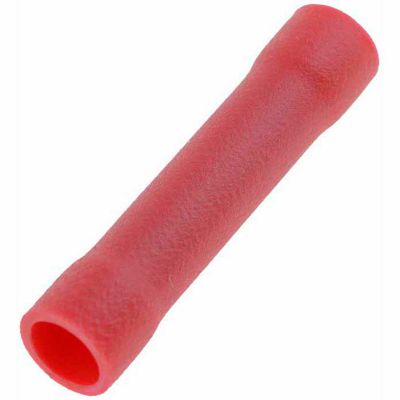
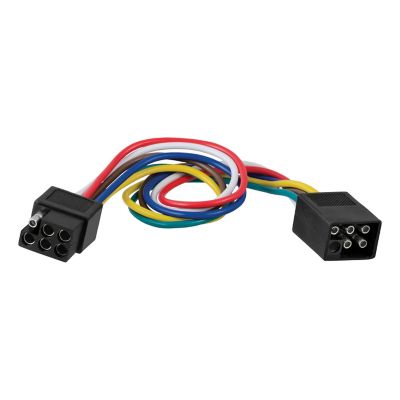
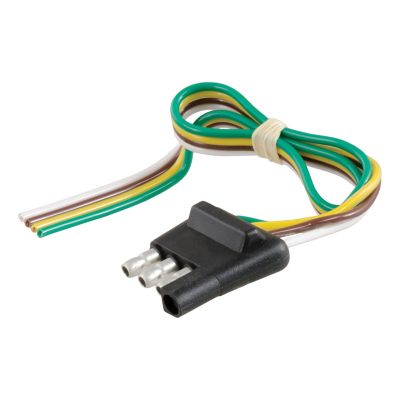
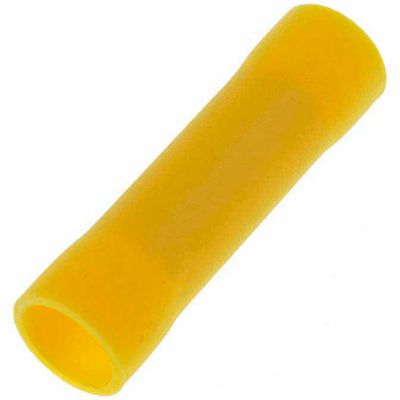
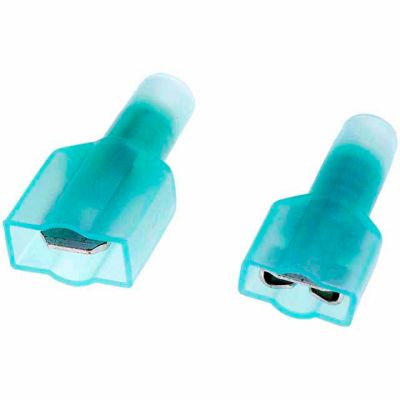
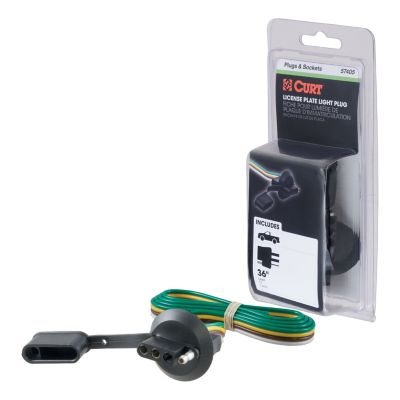
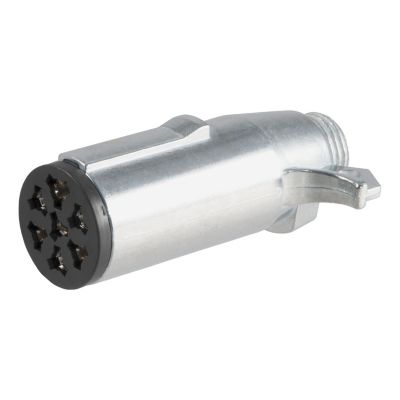
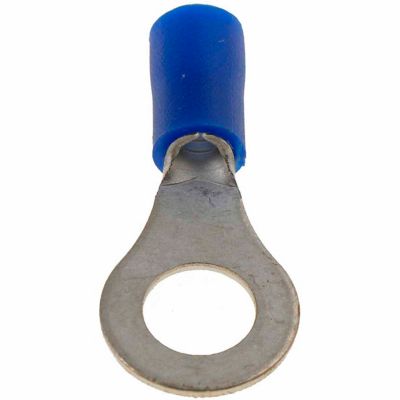
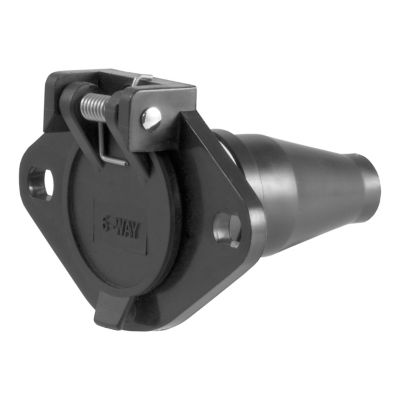
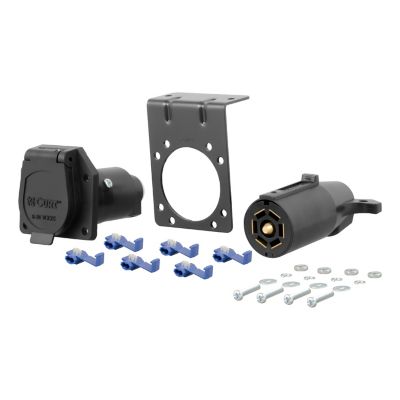
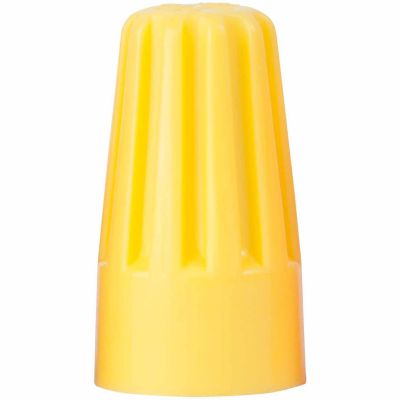
Electrical connectors join wires or attach wire ends to terminals, creating the contact points that carry power through a circuit. The right connection holds conductors securely, keeps exposed metal properly enclosed, and suits the electrical load and equipment involved. Around a farm, garage, or workshop, that can mean anything from a lighting circuit in an electrical box to low-voltage wiring on a trailer or a terminal connection inside a piece of equipment. Different connector styles serve different purposes, so shape alone does not tell the whole story. Twist-on wire connectors, often called wire nuts, bring approved combinations of conductors together beneath an insulating cap. Their internal spring grips the wire bundle, and their markings identify the conductor sizes and combinations they accept. Lever connectors have individual wire ports and a clamping mechanism, with some designs supporting both solid and stranded conductors. Push-in connectors accept stripped conductors directly into their ports, but compatibility varies; a connector intended for solid wire should not be assumed suitable for fine-stranded wire. Crimp terminals attach to wire ends through a compressed metal barrel. Ring terminals fit around a compatible terminal stud, fork terminals fit around a screw or stud without requiring its complete removal, and blade-style disconnects provide a mating connection that can be separated for service. Butt splice connectors join two wire ends in line, making them a practical choice where a continuous run needs a permanent splice. Each style has a place, whether the job calls for joining several conductors, fastening a wire to a terminal block, or making an equipment connection that can come apart later. A connector that works well behind a light fixture may not suit a vibrating machine, and a low-voltage trailer connector is not automatically appropriate for building wiring. Intended use, circuit requirements, and the manufacturer’s instructions establish the right match.
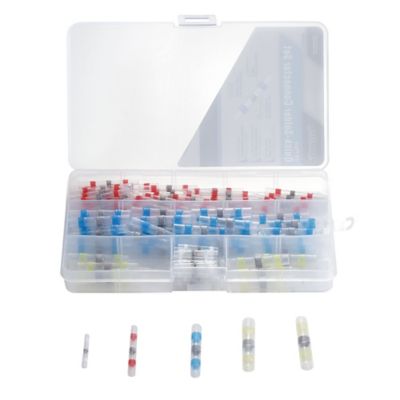
Fit starts with the wire itself. American Wire Gauge, or AWG, identifies conductor size, with smaller gauge numbers indicating larger conductors. Connector markings may cover a range of wire sizes, but that range does not mean every combination of wires within it is acceptable. The number of conductors, their individual sizes, and whether they are solid or stranded all matter. For a multiwire connection, the approved combination is more useful than a broad size range printed on the package. Conductor material matters, too. Copper, aluminum, and copper-clad aluminum require connectors specifically identified for the material involved, and dissimilar metals should not share a connection unless the connector is approved for that combination. Voltage ratings, current ratings where specified, and any circuit limitations also need to match the application. A snug fit is not a substitute for the proper electrical rating. On ring and fork terminals, both ends need attention: the barrel must match the wire gauge, while the opening must fit the stud or screw. With blade disconnects, mating width, thickness, and connector design determine compatibility. Materials affect how a connection handles its surroundings. Many crimp terminals have copper bodies, sometimes with tin plating to help resist corrosion, while insulating sleeves may be vinyl, nylon, or heat-shrink material. Insulation supports electrical separation, but an insulated terminal is not necessarily sealed against moisture. Adhesive-lined heat-shrink connectors can provide a seal around properly prepared wire when installed as directed, though any exposure rating still needs checking. Connections near washdown areas, irrigation equipment, or places where dirt and moisture collect call for protection suited to that setting. An enclosure, cable support, or strain-relief fitting may be part of the overall installation rather than a feature of the connector itself. Color coding can help sort certain terminal families, but printed specifications take priority because color meanings are not universal across all electrical connectors.
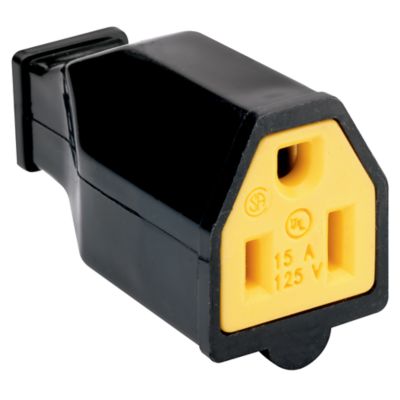
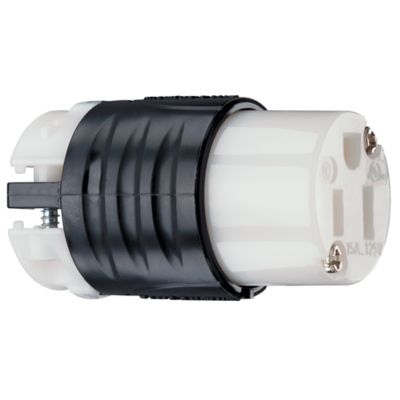
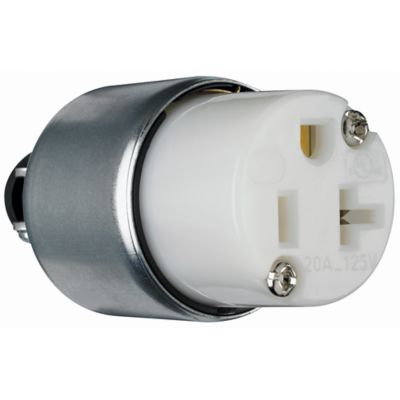
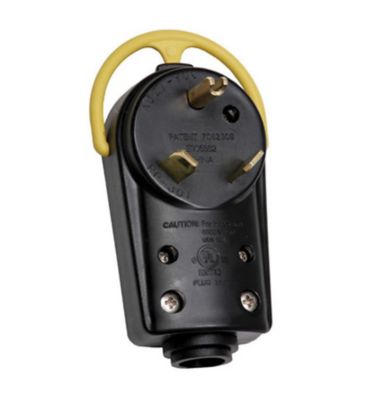
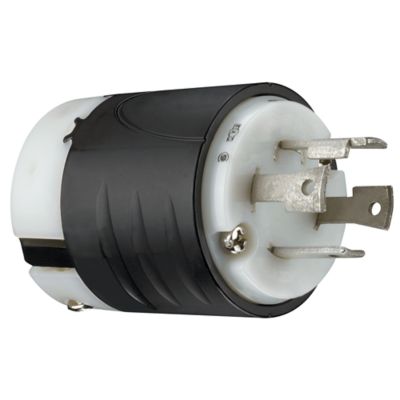
Day-to-day service needs help narrow the choice further. A trailer harness routed along a frame faces movement and abrasion, while wiring inside a stationary control box has a different set of demands. On equipment that needs occasional disassembly, a properly rated disconnect can make servicing more straightforward than a permanent splice. Plug-and-socket connections add another fit requirement because the mating halves must share a compatible design; the same attention to electrical ratings and physical fit applies when comparing
Power Connectors for equipment connections. For individual wire terminations, a sound connection depends on preparation and the right tool as much as the terminal itself. Manufacturer-specified strip lengths help keep enough conductor inside the contact area without leaving excess bare wire outside the insulation. Crimp terminals need a crimping tool and die suited to their design and wire size; squeezing a barrel with ordinary pliers does not provide the same controlled compression. A properly supported wire also puts less pulling force on the connection, which matters on a tractor, utility trailer, or shop machine that sees regular movement. Electrical work belongs on de-energized circuits, with power disconnected and the absence of voltage verified using suitable test equipment. Building wiring may also require approved electrical boxes, listed connectors, permits, or a licensed electrician, depending on the job and local rules. For ongoing care, signs such as cracked insulation, corrosion, discoloration, looseness, or a damaged latch call for inspection before the equipment returns to service. Tape alone is not a substitute for an approved connector or enclosure. Keeping electrical connectors organized by style, wire range, and rating makes labels easier to check and helps prevent similar-looking parts from getting mixed together. Farm owners, maintenance crews, mechanics, and homeowners all benefit from connections chosen for the actual circuit rather than appearance. Whether the work involves a shop light, a pump control, or a trailer harness, matching the connector to the conductor, terminal, and operating environment supports a connection built for the job.