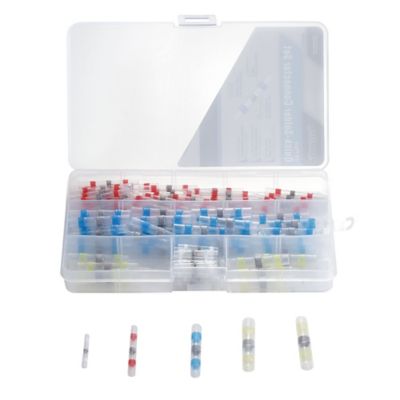
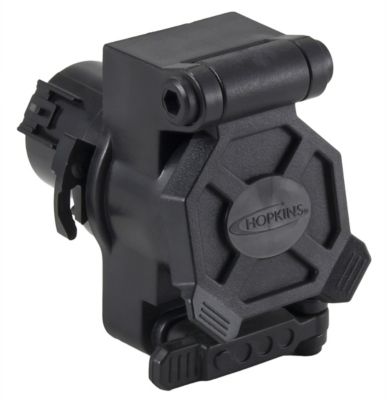
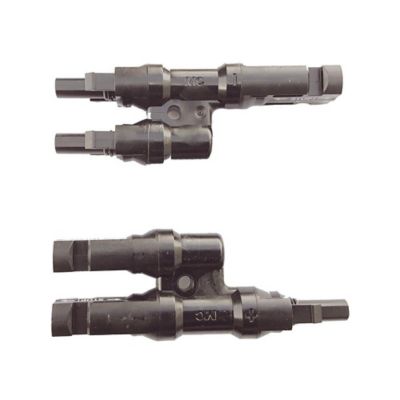
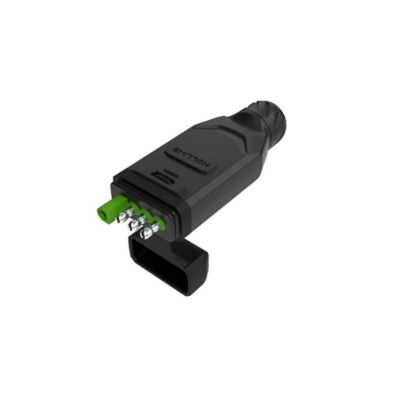
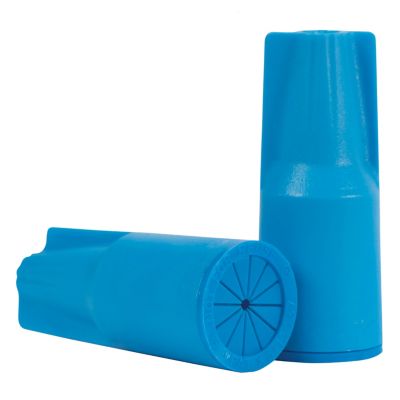
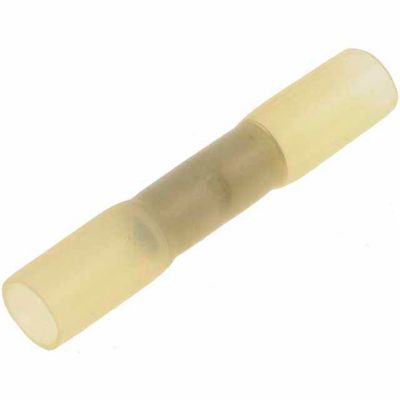
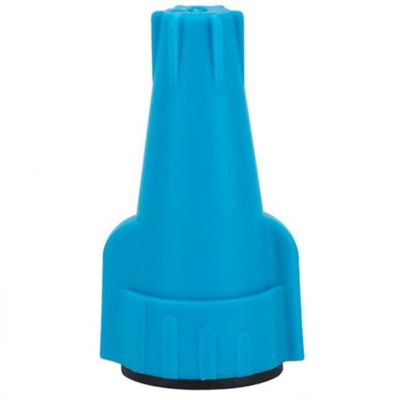
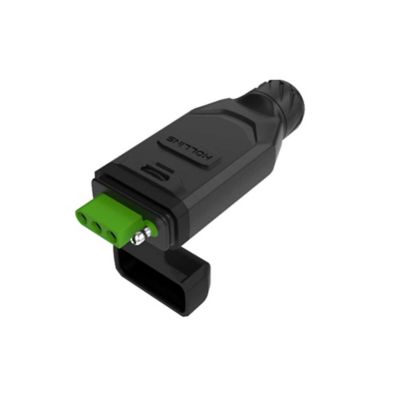
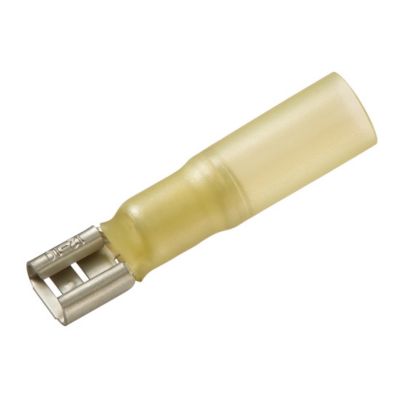
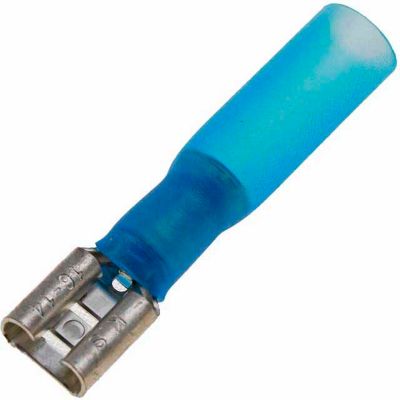
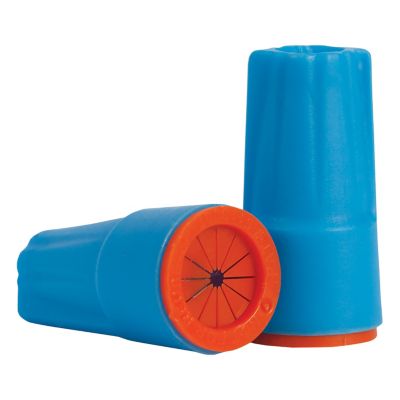
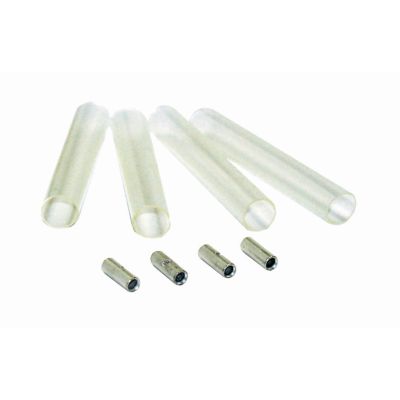
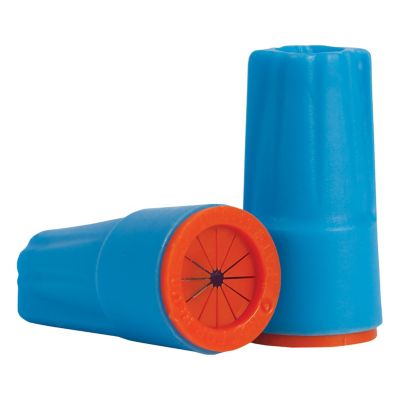
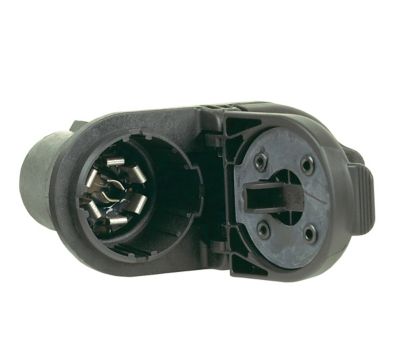
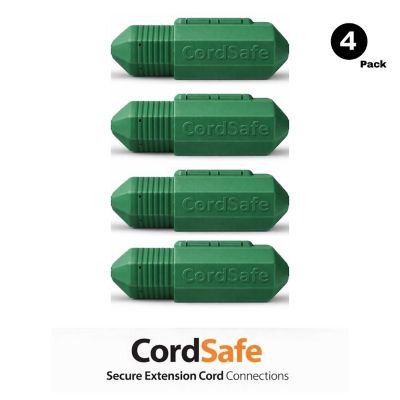
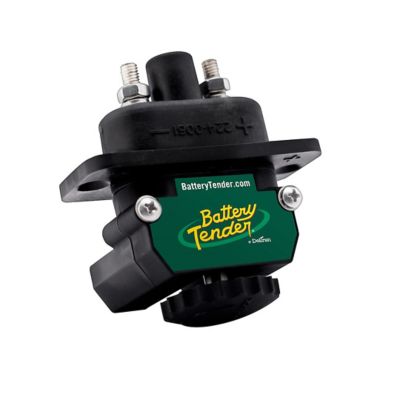
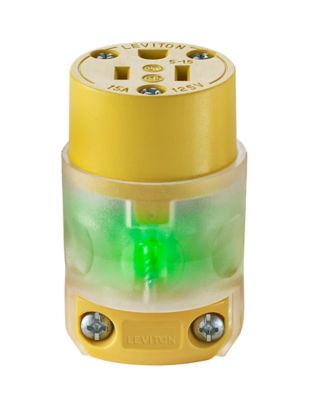
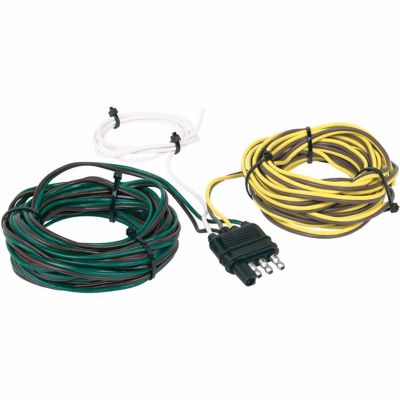
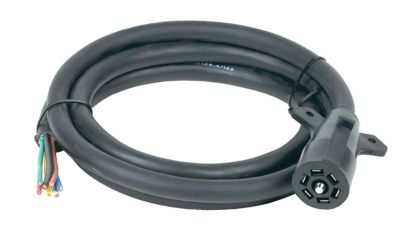
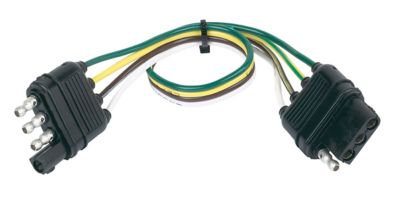
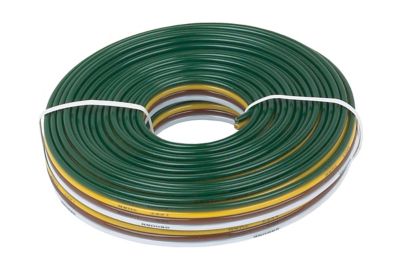
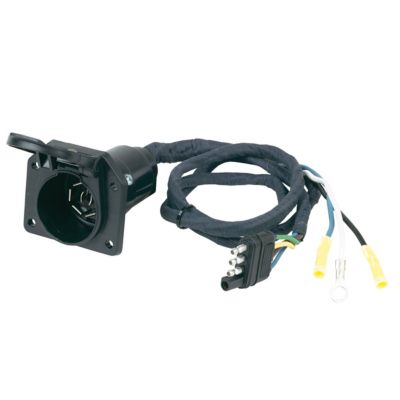
Waterproof connectors help protect electrical connections from moisture and, when properly rated and assembled, can also keep out dust and debris. They’re a practical fit for wiring that runs beyond a dry, enclosed space, including trailer lighting, farm equipment, irrigation controls and marine applications. Around a working property, a connection might sit beneath a trailer frame, beside a pump enclosure or near equipment that gets rinsed after a muddy job. Those locations call for more than two wires twisted together and covered with tape. A sealed connector combines an electrical contact with a barrier around the wire entry, mating surfaces or splice, helping limit water intrusion that can lead to corrosion and intermittent operation. Different styles suit different jobs. Sealed butt connectors join wire ends in a compact splice, while mating plug-and-socket connectors allow a circuit to be disconnected for equipment service. Multi-pin housings bring several circuits together, which can help keep a wiring harness organized instead of leaving a handful of separate connections hanging loose. The right fit starts with the circuit itself: conductor size, voltage, current draw and the number of wires all matter. Wire gauge markings should match the conductor, and the seal must fit the wire’s insulation diameter as well. A connector that grips the metal conductor but leaves a gap around the insulation won’t provide the intended protection. Likewise, a housing that looks similar to an existing plug may have a different keying pattern, terminal layout or locking arrangement. Matching both halves of the connection matters just as much as matching the wires. For folks maintaining trailers, small equipment or property systems, these details help narrow the choice to a connector suited to the job rather than one that merely looks close. Electrical ratings also need to suit the complete application; a sealed automotive connector should never be assumed suitable for household wiring or another higher-voltage circuit.
Materials and construction affect how waterproof wire connectors handle everyday work. Copper contacts provide conductivity, while tin plating can help resist corrosion in damp environments. Other contact materials and finishes serve different applications, so compatibility with the conductor and operating conditions deserves a close look. Plastic housings provide insulation and keep terminals positioned, but housing materials differ in their resistance to sunlight, oils, fuels and cleaning chemicals. A connector near an engine compartment faces different demands from one tucked inside an irrigation control box. Flexible seals, often made from silicone or other elastomers, need to maintain contact around the wire and housing without being pinched, torn or stretched beyond their intended fit. In adhesive-lined heat-shrink designs, the tubing contracts around the connection and the inner lining helps seal against the insulation when installed according to the manufacturer’s directions. Crimp-style connections depend on the correct terminal and crimping tool, not simply a hard squeeze with whatever pliers happen to be on the bench. Plug-style connections may include terminal retainers, positive latches or secondary locks that help keep contacts seated when equipment vibrates. Strain relief matters, too, since a seal shouldn’t have to carry the pull of a dangling wire harness. Waterproof ratings provide another useful point of comparison, but the word “waterproof” alone doesn’t describe every operating limit. An IP67 rating addresses dust protection and temporary immersion under defined test conditions. IP68 covers immersion conditions specified by the manufacturer; it doesn’t mean unlimited depth or time underwater. Neither rating alone establishes suitability for direct pressure-washer spray, chemical exposure or saltwater service. The stated rating may also depend on the connector being fully mated, correctly assembled and fitted with seals or plugs in every opening. For a connection beside a livestock watering setup or beneath a utility trailer, those conditions deserve as much attention as the rating printed on the package. A sealed connector protects the connection it encloses, not damaged insulation elsewhere along the wire.
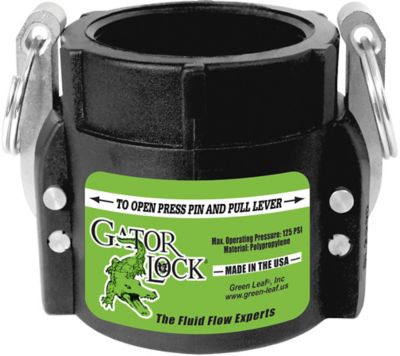
Fit and placement make a difference long after the wiring job is finished. A compact splice can tuck neatly into a protected section of harness, while a larger disconnect needs enough room for the latch to open and the two halves to separate without pulling on the wires. On equipment that gets serviced often, an accessible sealed plug can make removing a light assembly or electrical component less of a chore. For a permanent repair, a properly supported sealed splice may be the simpler arrangement. Either way, routing should keep wiring clear of sharp edges, moving parts, exhaust components and spots where boots, tools or brush can snag it. A little slack for normal movement helps prevent tension at the terminals, but a loose loop hanging below a trailer frame invites trouble. Pump installations may also call for
Water Pump Connectors matched to the pump’s connection specifications and intended service. Electrical connections near water still require the appropriate enclosure, grounding and circuit protection; a waterproof connector doesn’t replace those safeguards. Power should be disconnected before inspection or service, and line-voltage work calls for a qualified electrician when required. Ongoing care is mostly about watching for small changes before they become a larger repair. Cracked housings, damaged latches, flattened seals and green or white deposits around contacts can point to a connection that needs attention. Dirt on mating surfaces can interfere with a seal, so cleaning should follow the connector maker’s recommendations rather than involve harsh solvents or scraping that damages contact finishes. Repeated disconnecting also makes latch condition and seal inspection worth keeping an eye on. For farm owners, trailer owners, boaters and maintenance crews, the best match balances electrical requirements, sealing needs and service access. A connection that fits properly, stays supported and can be inspected without dismantling half the equipment is better suited to the demands of a working setup.