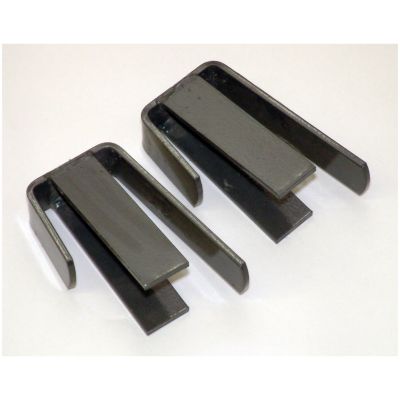
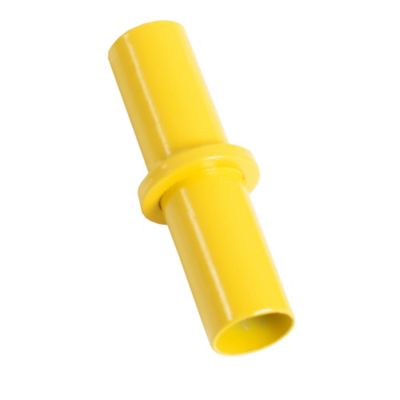
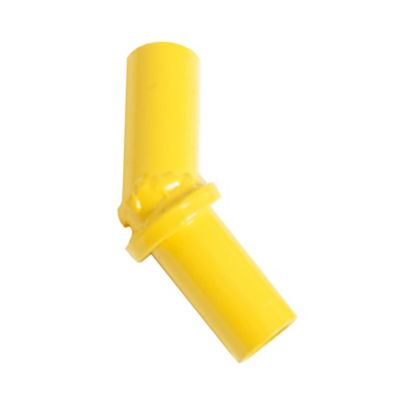
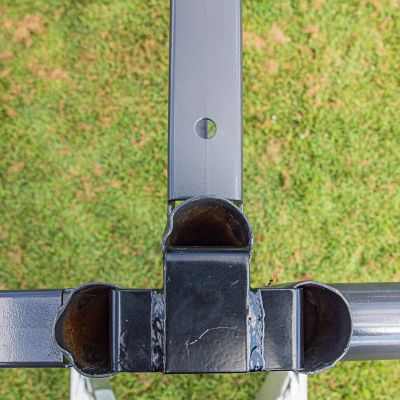
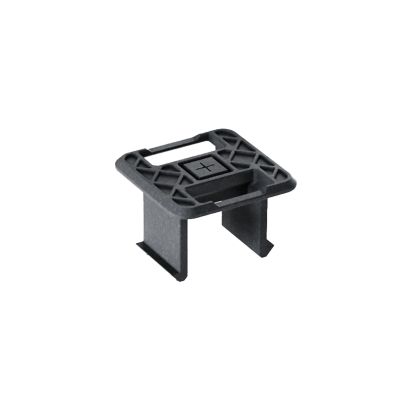
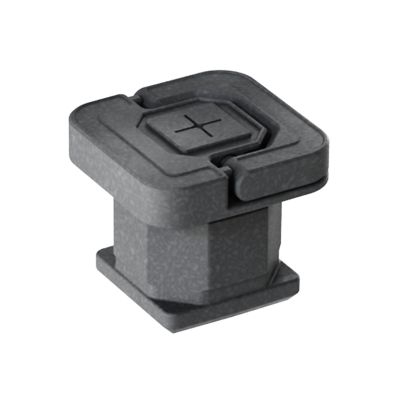
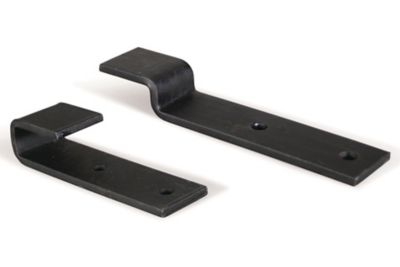
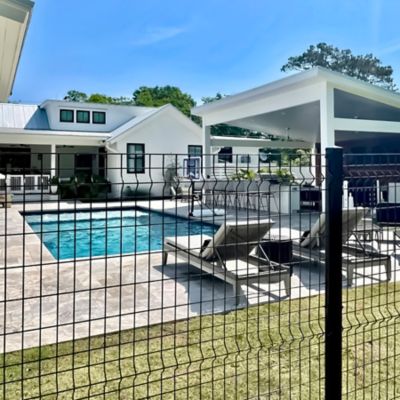
For farm fencing, panel connectors are hardware components that fasten livestock or utility panels to one another, to posts, or to other compatible supports. They help turn separate sections into a working enclosure, whether that means joining a straight run beside a barn, closing a corner in a small pen, or attaching a panel where an existing fence changes direction. The right connection keeps adjoining sections properly aligned without creating an awkward gap or a loose joint that shifts every time an animal leans against it. Depending on the fencing system, panel connection hardware may include clamps, clips, brackets, bolts, or pin-style fittings. Each style serves a particular attachment method, so a connector intended for welded wire panels should not be assumed to fit tubular corral panels. Some connections hold sections in a fixed position, while others permit movement or separation when their design allows it. That distinction matters on a working property where a permanent pen and a movable enclosure have different demands. Livestock owners, small-acreage landowners, and folks maintaining garden barriers or utility fencing all have reasons to pay attention to these small but important parts. Material and finish are part of that decision, too. Steel provides strength for many fence connections, while galvanized or other protective finishes help limit corrosion. Stainless steel may be appropriate where the panel system and hardware specifications call for it. Metal thickness, fastener design, and the shape of the connection all affect how the assembly handles pressure; appearance alone does not tell the whole story. A substantial-looking clamp still needs to match the panel it holds. Around feed areas, wash-down spaces, or places where manure and soil collect, the finish and ease of cleaning deserve particular attention. Protective coatings help shield the underlying metal, but scratches, trapped debris, and wear at contact points can still shorten service life. A good match balances the connection design, the surrounding materials, and the kind of work the enclosure needs to handle.
Fit is where panel connectors earn their keep. For tubular fencing, the outside diameter and shape of the rail determine whether a clamp can seat correctly. For welded wire fencing, wire thickness, spacing, and the location of the attachment point influence how a clip or bracket engages the panel. Post dimensions matter just as much when the connection runs from a panel to a support. Round tubing, square tubing, wood posts, and metal posts do not all accept the same hardware or fastening method. A connector that nearly fits can leave a panel loose, concentrate pressure in the wrong spot, or tempt someone to overtighten a fastener to make up the difference. Manufacturer dimensions and compatibility information offer a better basis for selection than a quick look across the fence line. Bolt diameter, thread engagement, hole spacing, and the room needed for a wrench are worth considering together, especially where two panels meet in a tight corner. Correct tightening matters because too little tension can allow movement, while excessive force can damage tubing, wire, threads, or a protective finish. Layout also changes what a connection needs to do. A straight run, a sharp corner, and a junction where several panels meet may each require different hardware arrangements. On uneven ground, panel alignment can be more complicated, and a connector should not be expected to pull a poorly supported section into place. Animal contact adds another consideration. A calf rubbing along a fence, a goat testing an opening, or a horse brushing past a joint can expose problems that are easy to miss during assembly. Smooth contact surfaces, contained bolt ends, and spacing appropriate for the animals help reduce snagging and entrapment concerns. The connector itself does not establish whether an enclosure is suitable for a particular animal. Panel height, opening size, post support, gate design, and the complete system’s intended use all matter. Likewise, an ordinary panel connection should never be assumed to function as a gate hinge or latch unless it is designed for that purpose.
Long-term upkeep is mostly about keeping those connections seated, clean, and free of damage. A pen can look square from a distance while a single loose joint allows one section to work back and forth. Regular checks are especially worthwhile after panels have been moved, after livestock handling, or whenever a section begins to rattle or lean. Signs that deserve attention include missing fasteners, bent brackets, enlarged holes, cracked welds near attachment points, and corrosion that has eaten into the metal rather than merely marked the surface. Dirt and manure packed around a connection can hide trouble, so accessible hardware makes routine cleaning and inspection less of a chore. Cleaning methods should suit the metal and finish, with care taken not to strip protective coatings. Moving connections may have separate maintenance requirements, and the manufacturer’s directions remain the reference for tightening, lubrication, or replacement. Mixing leftover hardware from different systems can create a weak spot even when the pieces appear to fit, particularly if thread sizes, metal types, or load expectations differ. Replacement hardware works best when it matches the specified connection rather than simply filling the available hole. For a larger enclosure project, browsing
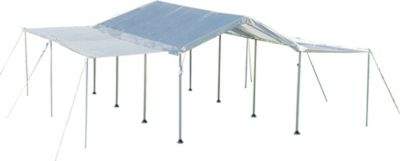
Panel Kits alongside connection hardware can help put individual joints in the context of the whole layout. The number of panel ends, corners, support posts, and access points affects how many connections the project calls for, while the intended arrangement determines which connection styles make sense. A movable pen may benefit from hardware designed for repeated assembly, while a fixed fence may call for a different attachment approach. Either way, convenience should not come at the expense of proper support or animal safety. Well-matched panel connectors help keep fence sections working together, make maintenance more straightforward, and support the everyday jobs an enclosure handles, from separating livestock to keeping a garden boundary in place.