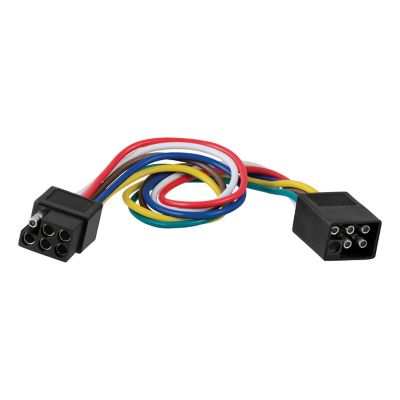
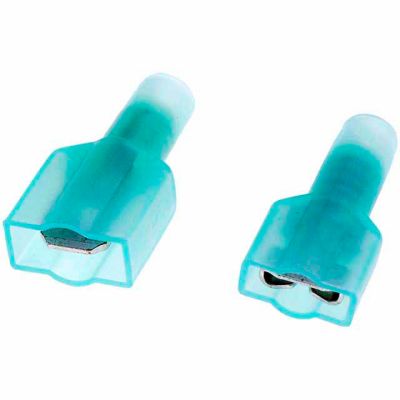
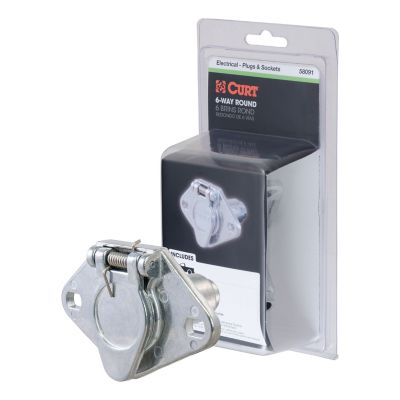
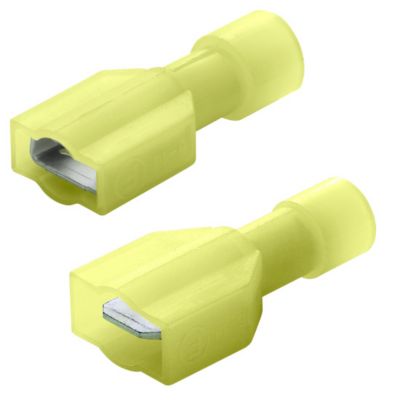
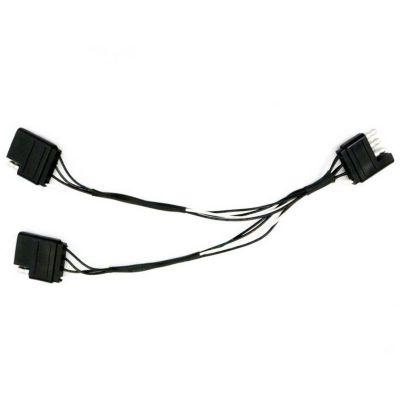
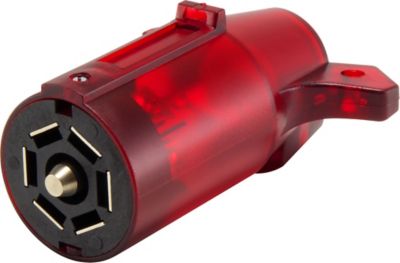
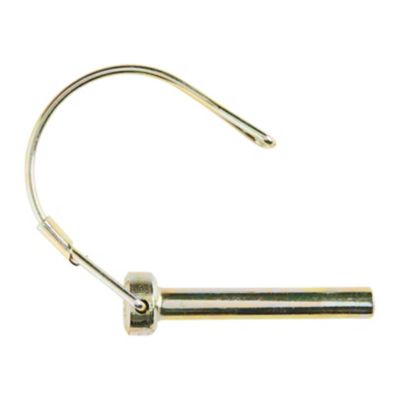
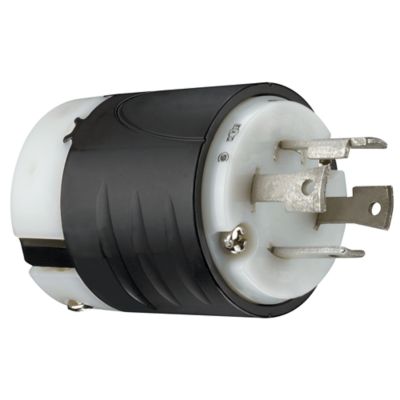
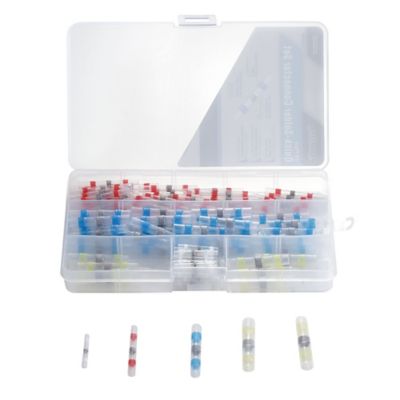
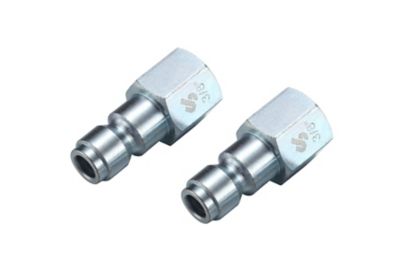
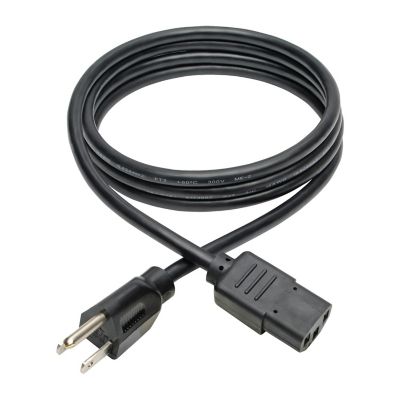
Pin connectors are electrical terminals that join wires to other wires, circuit boards, or components through a pin-and-socket connection or a pin inserted into a compatible terminal block. A male contact has a projecting pin, while a female contact has a socket that receives it. Depending on the design, the contact may stand alone as a wire termination or sit inside an insulating housing alongside several other contacts. These small parts handle important jobs around the farm, garage, and workshop, carrying power or signals between components without requiring every connection to be permanently soldered together. They can serve equipment owners repairing a wiring harness, mechanics working on vehicle electrical systems, and hobbyists assembling low-voltage controls. The term covers several connector styles, so the shape of the pin alone does not tell the whole story. Wire pin terminals typically attach to a stripped conductor and present a narrow metal end for a compatible terminal block. Pin-and-socket contacts fit matching housings that keep circuits separated and hold mating halves together. Board headers provide rows of pins for compatible sockets or cable assemblies, with spacing that must match the circuit board and mating connector. Some connections carry a single circuit, while others gather multiple circuits into one plug. On a piece of equipment with lights, switches, and sensors, a multi-position connector can make a harness easier to disconnect for service without disturbing each wire separately. In a control enclosure, individual pin terminals can provide an orderly termination where the terminal manufacturer permits that style. Electrical pin connectors are different from the hitch pins and retaining pins that hold mechanical parts together. Their job is electrical contact, insulation, and secure circuit routing rather than carrying a mechanical load. That distinction matters when matching a replacement to a repair: the right connector belongs to the electrical system’s specified connection family, not simply to a group of parts with a similar appearance.
Fit starts with the mating connection, wire size, and electrical requirements. Pin diameter, contact length, housing dimensions, and the number of positions all affect compatibility. For connectors arranged in rows, pitch means the center-to-center spacing between adjacent contacts; even a small difference can prevent the halves from seating properly. Matching the position count is not enough if the keying, latch, or contact arrangement differs. A keyed housing helps keep a plug oriented correctly, while a latch or locking feature helps keep the connection seated through normal equipment movement. Housing cavity numbers can also help identify circuits, but the wiring diagram remains the reference for where each conductor belongs. Wire gauge is another essential detail. A crimp contact is designed for a stated conductor range, and some designs also specify an insulation diameter so the rear support or seal fits the wire jacket. Stranded and solid conductors are not automatically interchangeable in every terminal. Current and voltage ratings deserve the same attention as physical fit, especially when a harness serves both low-current signals and powered accessories. A connector suitable for a sensor circuit may not suit a motor feed, even when the wire appears to fit. Published ratings may also depend on wire size, the number of loaded contacts, and the complete connector assembly. For connections whose main job is carrying electrical power,
Power Connectors offers a related category to consider alongside the equipment’s requirements. Materials help explain the differences among pin connectors. Conductive contacts commonly feature copper alloys, with finishes such as tin or gold chosen for particular electrical and environmental demands. Plastic housings provide insulation and alignment, while seals help limit the entry of moisture and dirt in assemblies designed for that protection. A metal finish or snug-looking housing alone does not establish a connector’s rating. Manufacturer specifications identify whether a connection suits an enclosed control box, a vehicle harness, or another intended setting.
Long service life depends on the complete connection, not just the metal pin. A properly matched contact, housing, wire, and termination tool work together to maintain electrical contact while limiting strain on the conductor. Crimp-style pin connectors need the die profile and compression specified for their design; squeezing a contact with general-purpose pliers can leave a connection that looks closed but does not hold or conduct as intended. Solder-style contacts have different assembly requirements, and solder should not be added to a crimp connection unless the manufacturer calls for it. Some contacts include separate sections for gripping the conductor and supporting the insulation, while sealed assemblies may require individual wire seals, cavity plugs, and secondary locks. Those details are especially relevant on a tractor harness or a shop machine where wiring passes near moving parts. The connector should not carry the weight of a hanging cable or take the pull when a harness is stretched across an opening. Routing, clamps, and strain relief help protect the termination from repeated bending and vibration. Service access matters, too: a connector tucked behind a panel needs enough room for its latch to release without yanking the wires. With power disconnected according to the equipment’s service instructions, routine checks can reveal cracked housings, bent pins, loose contacts, damaged seals, or corrosion. Discoloration and melted insulation call for investigation of the circuit rather than replacement of the connector alone. Cleaning methods should follow the connector manufacturer’s recommendations, since scraping plated contacts or applying an unsuitable chemical can harm the contact surface or housing. Loose replacement contacts stay better protected in labeled compartments than rolling around with bolts and drill bits in a toolbox. Keeping part references and wire-range information with them makes the next repair easier to match. For a small-engine shop, a farm maintenance bench, or a home electronics workspace, the most useful pin connectors are those that match the actual equipment and its service needs. Careful attention to those details supports tidy wiring, straightforward maintenance, and connections that stay secure through everyday work.