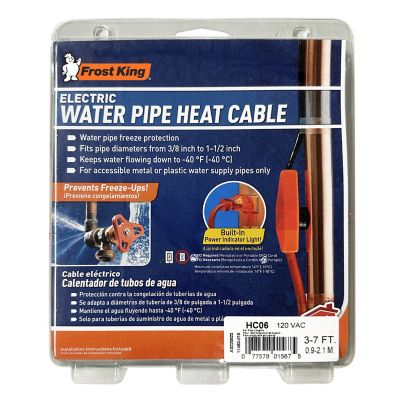
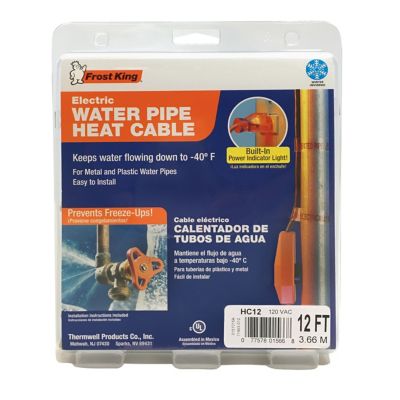
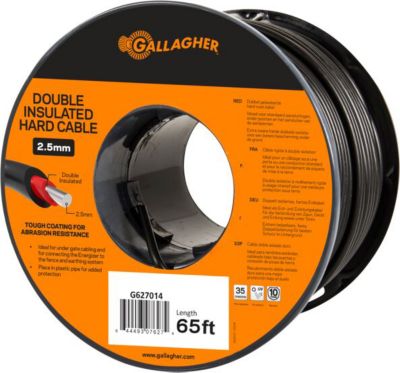
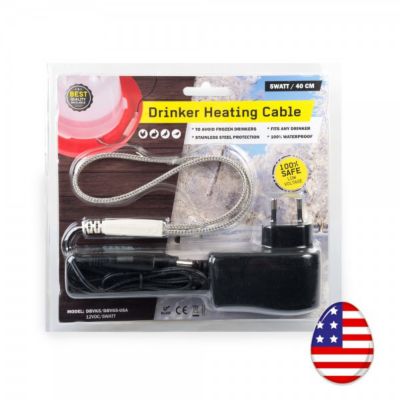
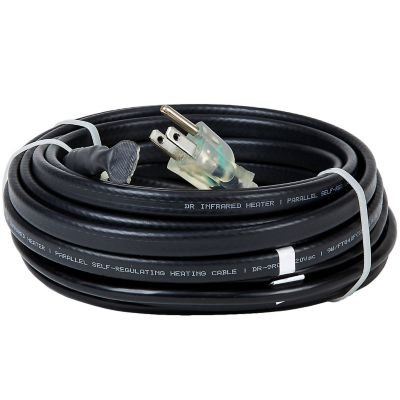
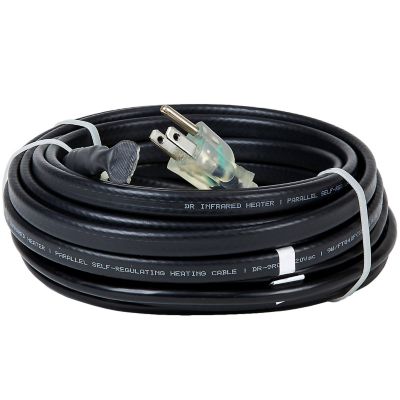
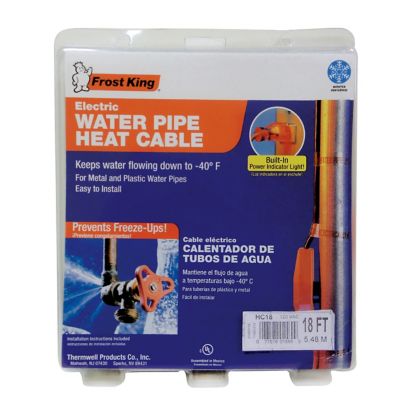
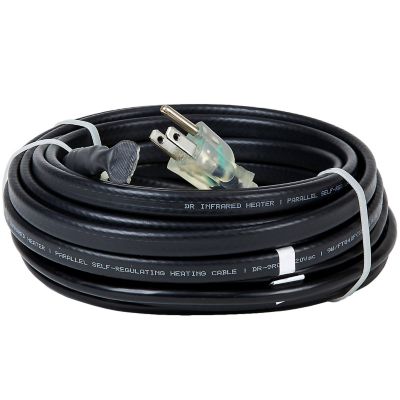
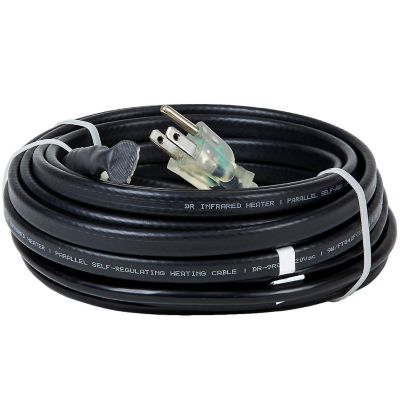
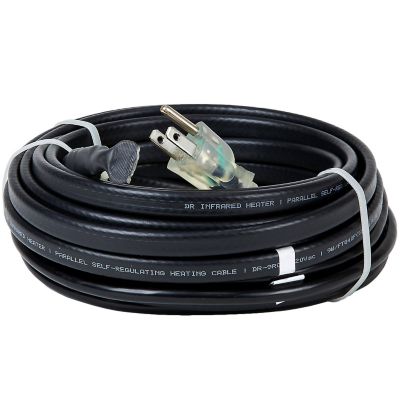
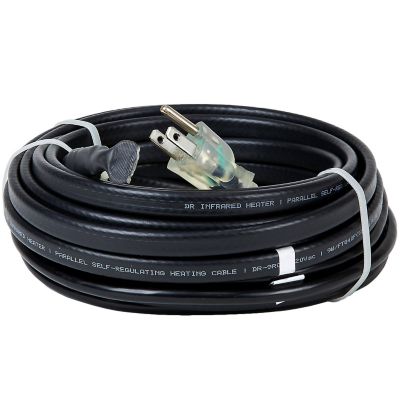
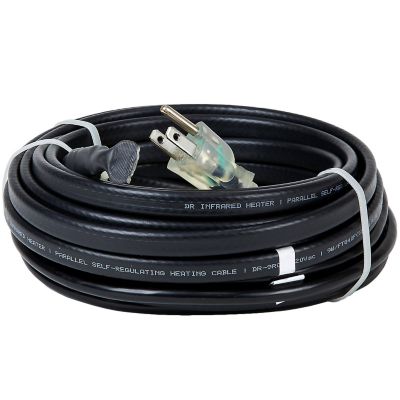
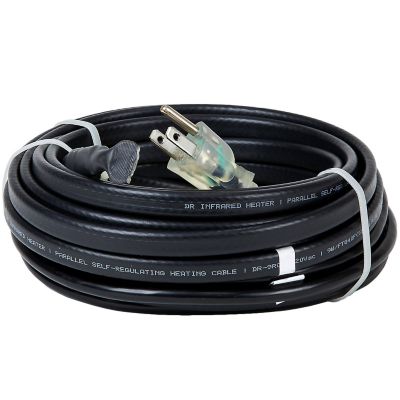
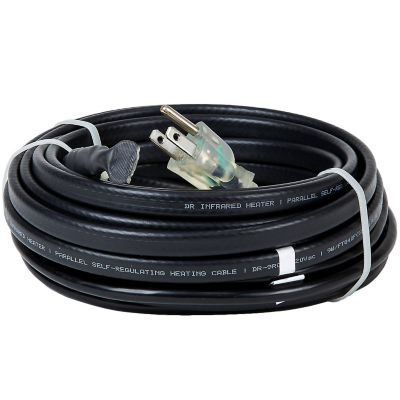
When it comes to protecting your property, livestock, and plumbing as the seasons shift, electric heating cables—sometimes called heat tape or heated wire—are a reliable solution for keeping trouble at bay. Folks who live out in the country, manage a hobby farm, or just have a few outbuildings know the headaches that come with frozen pipes, gutters, or water lines. Even as the weather warms up, it’s smart to think ahead and make sure your water lines and exposed pipes are prepped for whatever the next cold snap brings. Heating cables are easy to install and plug right into a standard outlet, making them a practical project for just about any do-it-yourselfer. They’re handy for wrapping along pipes in barns, crawlspaces, or even outdoor faucets that see a lot of winter wind. Some models are self-regulating, meaning they adjust their heat output as the temperature changes, while others provide a steady heat and may need a thermostat to help conserve energy and prevent overheating. For anyone who’s dealt with a burst pipe or an icy gutter, these cables can be a real game-changer, offering peace of mind and saving you from expensive repairs down the road.
Choosing the right heating cable for your setup isn’t just about grabbing the first one you see—it pays to take a few measurements and plan your installation. Measure the exact length of the pipe you want to protect, and always make sure you don’t overlap or coil the cable, as that can create a fire hazard. For horizontal pipes, run the cable straight along the bottom, and for vertical runs, secure it along the side that’s most exposed to the weather. Use fiberglass application tape or premium electrical tape every six inches to keep the cable snug and in place. If your cable comes with a built-in thermostat, make sure it’s pressed firmly against the pipe so it can accurately sense the temperature. Adding at least a half-inch of non-flammable insulation—like fiberglass—over both the pipe and the heating cable helps trap the warmth and boosts energy efficiency. If you’re working with plastic or PVC pipes, it’s a good idea to wrap them in aluminum foil first, which helps spread the heat evenly and prevents hot spots. These cables aren’t just for pipes, either—folks also use them to keep gutters and downspouts clear of ice, or to protect livestock waterers and troughs. They make a thoughtful gift for new homeowners, anyone with a backyard workshop, or that neighbor who’s always tinkering with their barn or outbuildings.
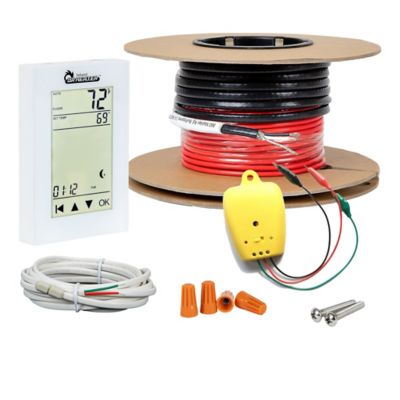
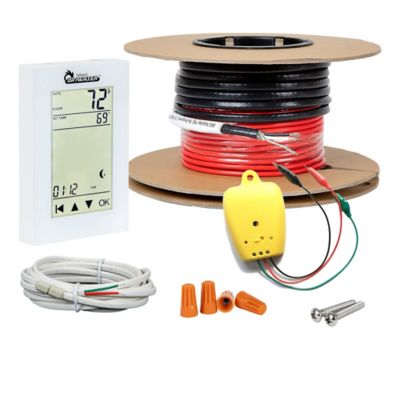
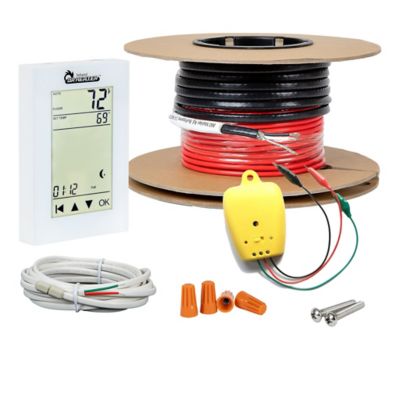
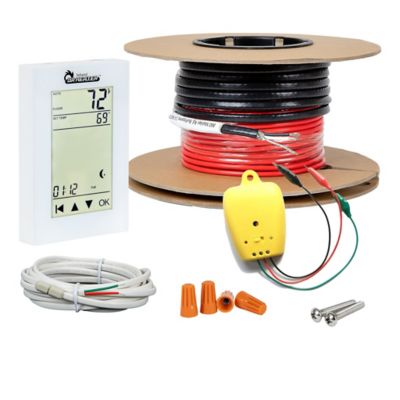
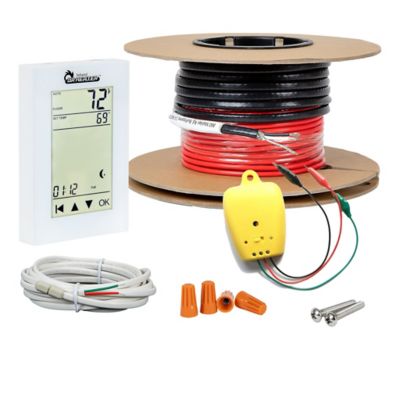
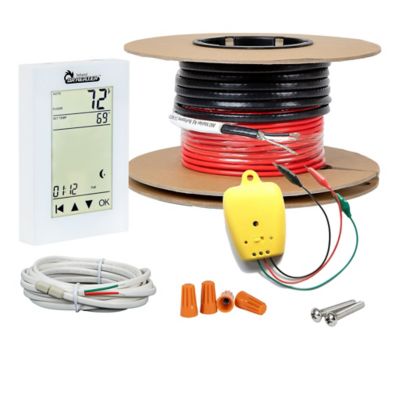
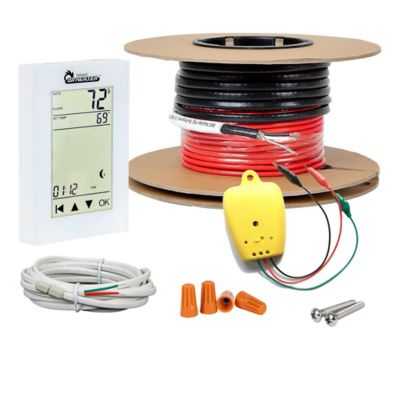
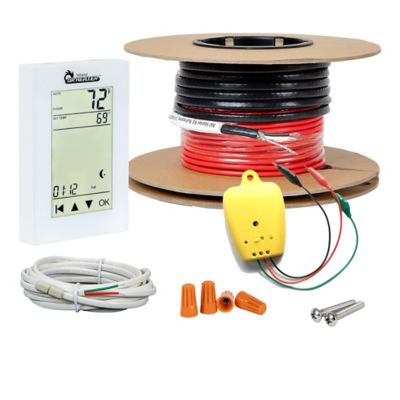
Installing heated wire is a straightforward weekend project that can make a world of difference when the weather turns chilly again. Whether you’re prepping for the cooler months ahead or just buttoning up loose ends around the homestead, heating cables offer a dependable way to safeguard your property and keep life running smooth. And if you’re looking to add a touch of comfort indoors, you might also be interested in
Floor Warming Cables for those chilly mornings in the mudroom or bathroom. No matter how you put them to use, heating cables are a simple, effective tool for anyone who wants to avoid the hassle of frozen pipes and keep things flowing all year long.