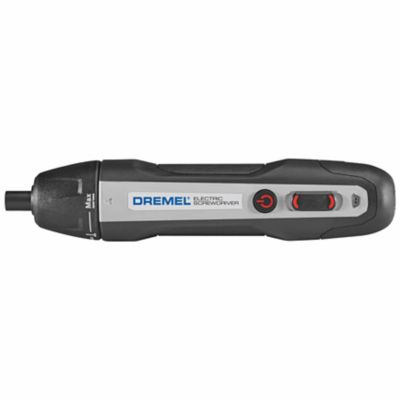
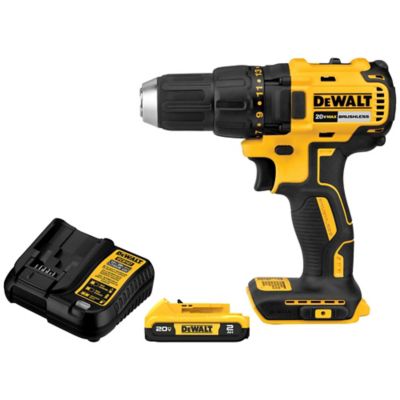
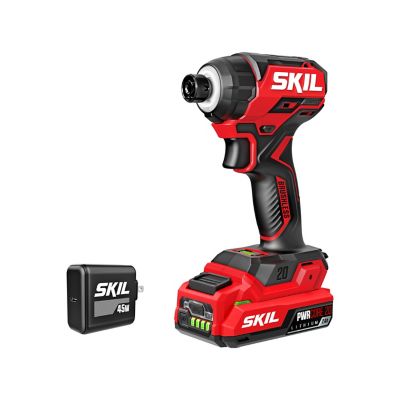
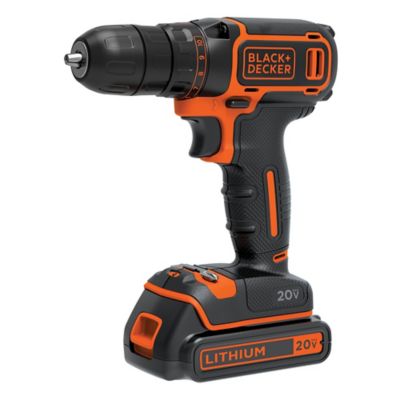
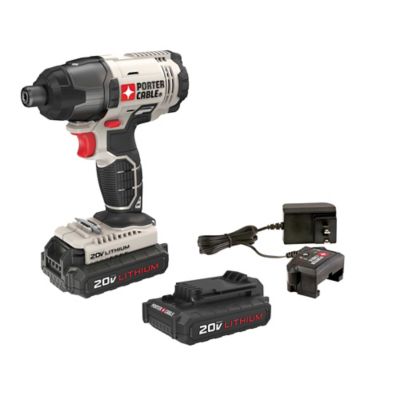
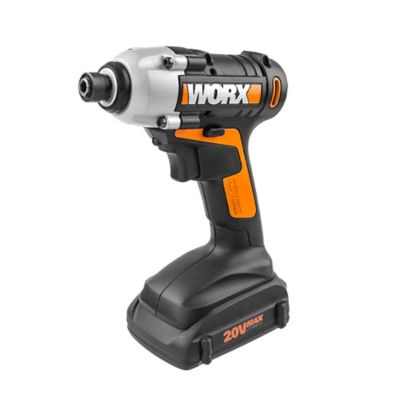
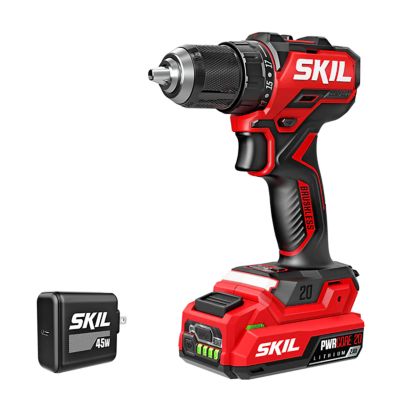
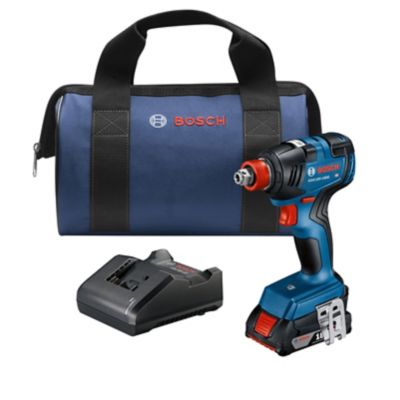
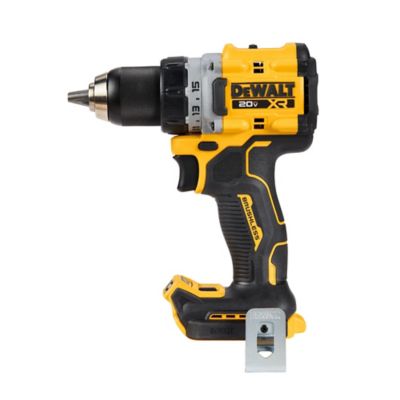
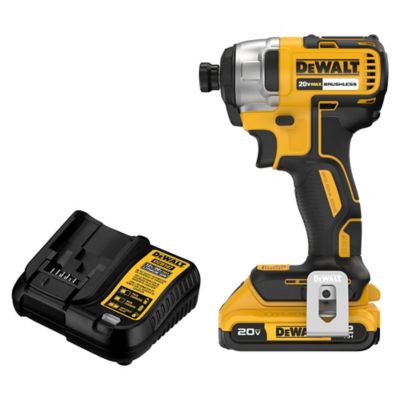
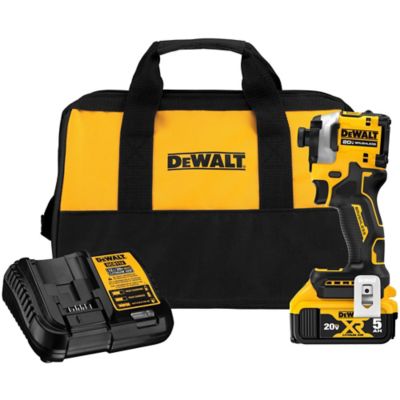
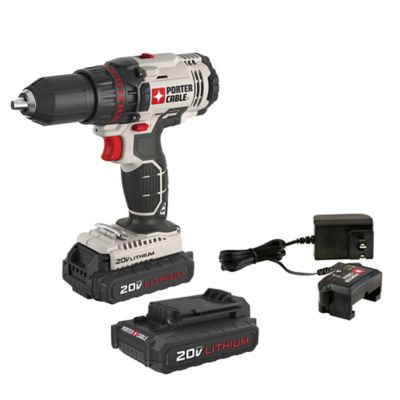
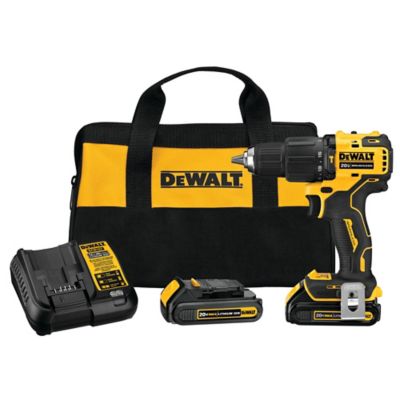
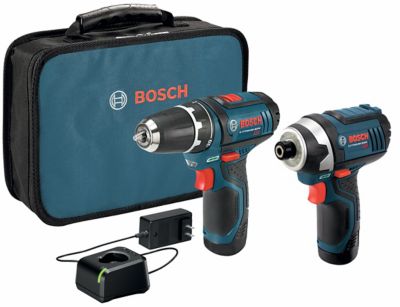
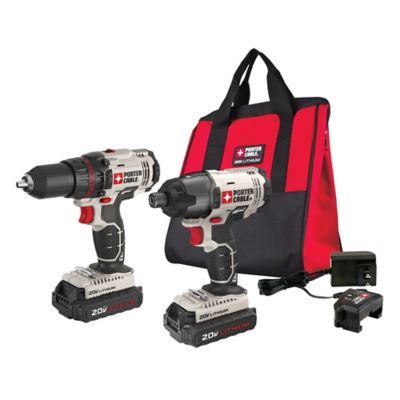
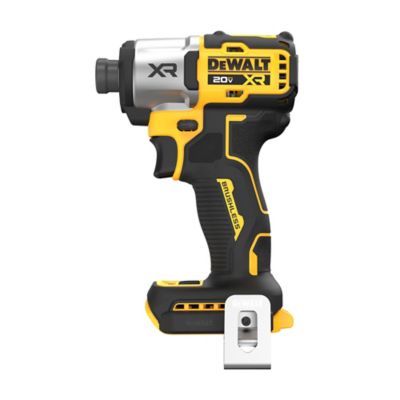
Electric drivers are motor-powered tools that turn screws and other threaded fasteners, taking some of the strain out of repetitive fastening. The term commonly covers handheld electric screwdrivers for assembly and repair, along with torque-controlled electric screwdrivers for manufacturing and other repeatable assembly work. Drill drivers and impact drivers handle related fastening jobs, though their mechanisms and intended applications differ. Around a house, shop or farm office, a compact electric screwdriver can help with cabinet hinges, drawer hardware, shelving brackets and furniture assembly. These lighter tasks often call for controlled speed and a comfortable grip rather than a hard burst of power. A straight-body driver can reach into a narrow recess, while a pistol-grip shape puts the handle below the fastener for a different working position. Some designs offer an adjustable handle for switching between the two. A drill driver brings a chuck that accepts compatible drill bits and driver accessories, making it useful when a project involves both pilot holes and screws. An impact driver adds rotational impacts under resistance, helping turn longer fasteners into suitable materials with less twisting force transferred through the handle. That action can be too aggressive for small screws, delicate hardware or assemblies with low tightening limits. Torque describes turning force, while speed describes how quickly the bit rotates; a higher number in either category does not automatically make a driver better for every task. Adjustable clutches and responsive triggers can make a difference when fastening into soft pine, thin sheet metal or manufactured wood, where overtightening may damage the material. A numbered clutch setting generally represents a relative adjustment rather than a measured torque value. In production work, industrial electric torque screwdrivers may offer preset shutoff, programmable settings or fastening records, depending on the system. Those features support repeated assembly to a specified requirement, but they are different from the general-purpose controls on a household driver. Matching the tool to the fastener and material matters more than simply reaching for the strongest option.
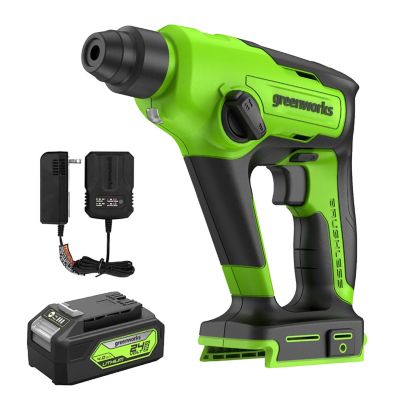
Power source, handling and accessory fit all shape how an electric driver feels through a full afternoon of work. Cordless drivers make it easier to move between a bench, a storage shed and a repair across the property without managing an extension cord. Corded drivers suit work near an outlet, especially at a dedicated assembly station, though cord placement still affects reach and movement. For battery-powered tools, voltage alone does not tell the whole performance story. Motor design, gearing, battery capacity and the demands of the task all play a part. Battery capacity, often listed in amp-hours, helps describe stored charge, but actual runtime varies with the tool, fastener and material. Battery packs and chargers must match the manufacturer's stated system; a pack that looks similar is not necessarily compatible. Integrated batteries can keep a small screwdriver compact, while removable packs allow a charged, compatible pack to take over when another needs charging. Tool weight deserves attention along with power, particularly for overhead brackets, deep cabinets or repeated bench assembly. A well-balanced handle, reachable direction switch and grip that sits comfortably in the hand can make those jobs less awkward. Rubberized grip surfaces can help with handling, while housing construction, metal gear components and protection around switches contribute to how well a tool stands up to everyday shop work. Those features vary by design and should suit the expected workload. Bit fit is just as important: a quarter-inch hex holder accepts compatible hex-shank accessories, while a drill chuck grips accessories within its stated size range. Phillips, slotted, square and star-shaped screw heads each need a matching bit profile and size. A bit that sits firmly in the recess is less likely to slip and chew up the head. Impact drivers call for impact-rated accessories, and longer bits or holders can improve reach, though extra length may make a small fastener harder to keep lined up. Built-in work lights can help illuminate a recessed hinge or the back corner of a cabinet, but they do not replace clear lighting across the work area.
Electric drivers fit plenty of everyday repair routines, from replacing a loose drawer pull to assembling a feed-room cabinet or fastening a storage rack according to its instructions. For someone who spends time fixing small things around the place, a manageable tool with the right bit selection may be more useful than a heavier driver built for demanding fastening. A practical gift starts with the recipient's usual projects, hand comfort and existing battery platform, rather than the largest power rating. Folks handling upkeep on
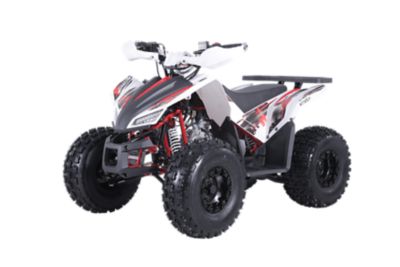
Electric ATVs or other powered equipment may also have light fastening tasks involving covers or access panels, where the equipment manual permits powered tools. Specified tightening procedures still govern the job, and safety-critical fasteners may require a torque wrench or another prescribed method for final tightening. Electrical equipment also needs the proper shutdown and isolation procedure before service; switching the vehicle off alone may not remove every electrical hazard. For ordinary wood or hardware work, supporting the assembly and keeping the bit square to the screw helps protect both the fastener and the surrounding surface. Care between jobs is straightforward but worth keeping up with. Dust and chips can collect around vents, chucks and bit holders, so cleaning should follow the tool manufacturer's directions, with power disconnected or the battery removed when applicable. Cracked housings, damaged cords, loose holders and worn bits deserve attention before another task. Storage in a dry place, away from feed dust and loose metal parts, helps protect the tool and its electrical connections. Battery terminals need protection from objects that could bridge the contacts, and charging belongs on a suitable surface with the specified charger. A case or organized drawer also keeps bits from disappearing beneath the bench. Whether the work involves occasional repairs or repeated assembly, the useful combination is a driver that fits the task, accessories that fit the fastener and controls that make steady, deliberate fastening easier.