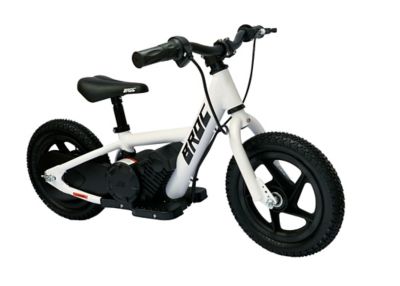
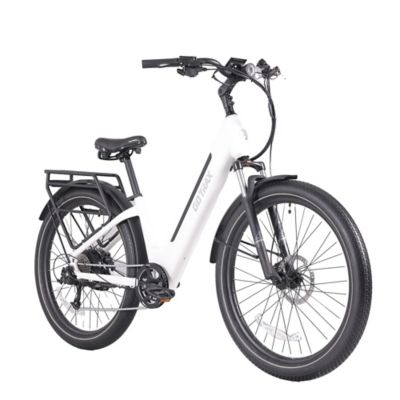
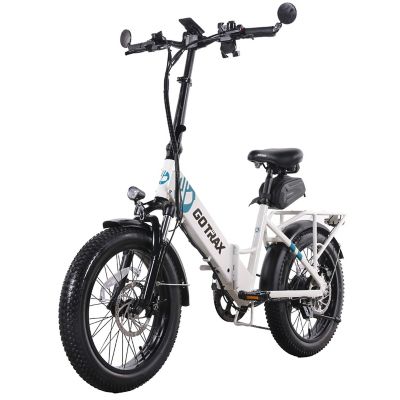
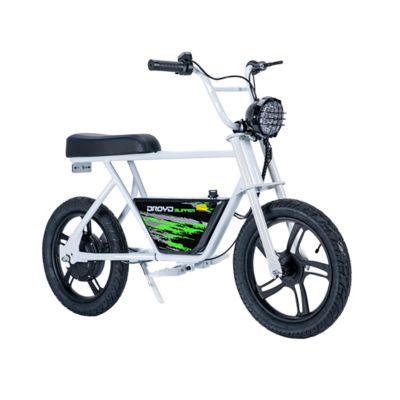
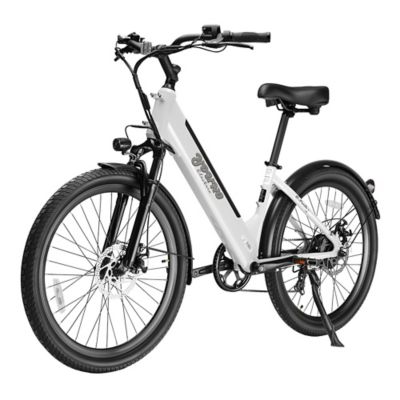
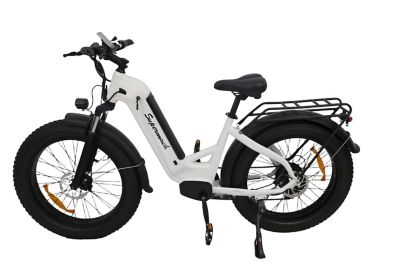
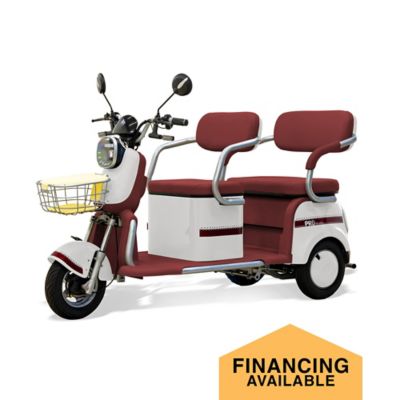
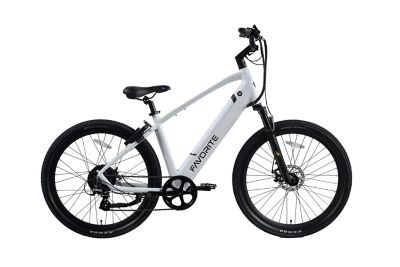
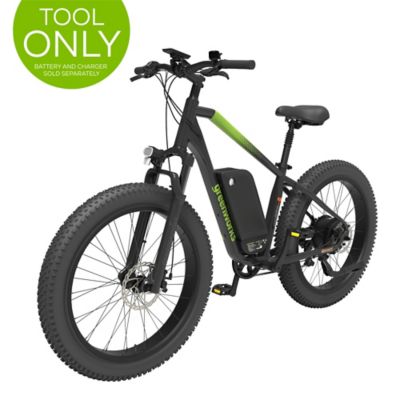
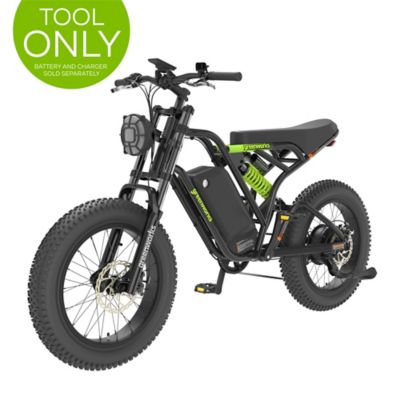
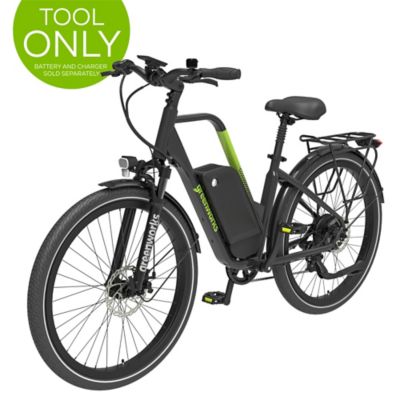
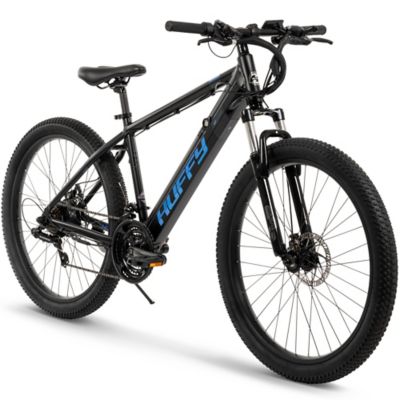
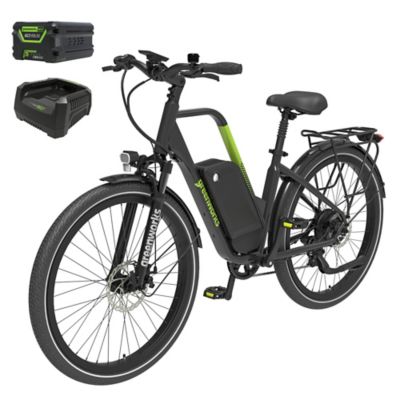
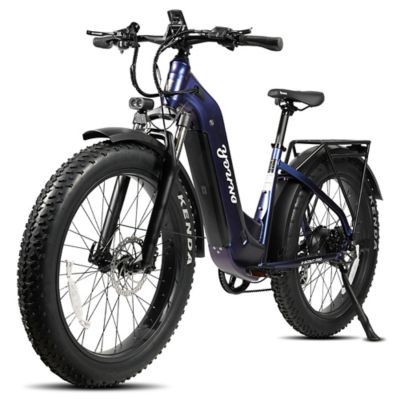
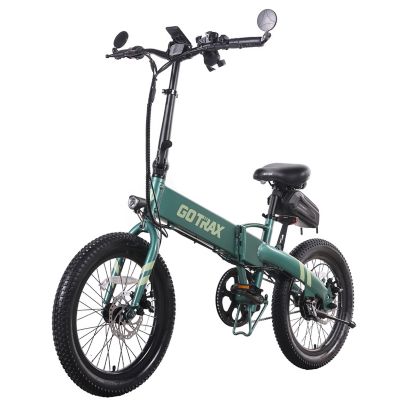
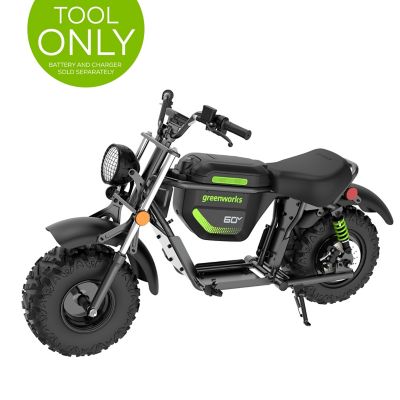
White electric bikes bring a clean, easygoing look to everyday riding, whether you are heading into town, checking a fence line, rolling along a paved trail, or making the trip from the house to the barn. An electric bike, often called an e-bike, combines regular pedaling with a battery-powered motor that helps take the edge off hills, headwinds, and longer distances. White frames and fenders have a bright, fresh appearance that stands out on the road and look right at home in both town and country settings. A lighter-colored frame may also feel less warm than a dark one when it sits in direct sun, although safe storage and battery care matter more than paint color when temperatures climb. As you compare white electric bikes, start with the way you expect to ride. A compact folding style can be handy for a pickup bed, apartment, camper, or crowded garage, while a full-size commuter bike may offer a more relaxed ride for errands and paved paths. Fat tires provide a wider footprint that can feel steady on gravel, packed dirt, grass, and uneven shoulders, while slimmer tires are often a good match for pavement and bike lanes. Step-through frames are convenient for riders who prefer an easier mount and dismount, especially when wearing work clothes, carrying a light load, or dealing with stiff knees. Upright handlebars, a padded saddle, front and rear lights, a rear rack, and full fenders can make a noticeable difference during practical rides. For a broader look at available styles and fits, browse
Unisex Electric Bikes alongside this collection of white options.
Battery size, motor output, and riding conditions all affect how far an electric bike can travel between charges. Advertised range is usually measured under favorable conditions with a lighter rider, moderate speed, level ground, and limited use of the motor, so real-world range may be shorter on steep roads, soft trails, strong wind, or when carrying gear. Riders who plan to travel several miles at a time should look for a battery capacity that matches those routes and consider whether the battery is removable for charging indoors. A removable battery can be especially useful if the bike is stored in a shed or garage without a convenient outlet. Charging time, battery replacement availability, and the location of the charging port are worth checking before purchase. Motor assistance may be controlled through pedal assist, a thumb or twist throttle, or both, depending on the bike. Pedal-assist levels let you choose how much help you receive, while a throttle can be useful for getting started from a stop or easing through a difficult stretch. Check the bike’s weight, payload rating, and recommended rider height as well. A folding electric bike may be easier to transport, but it can still be surprisingly heavy to lift, and a rack, basket, child seat, or loaded panniers add to the total weight. Brakes deserve close attention, too. Reliable stopping power is important on wet pavement, downhill roads, and loose ground, and hydraulic or mechanical disc brakes may offer confident control depending on the design. Before riding, adjust the saddle and handlebars, test the brakes, confirm that the tires are properly inflated, and make sure the battery is securely latched. Helmets, lights, reflective clothing, and a bell or other audible signal help you stay visible around traffic, livestock, pedestrians, and other trail users.
A white electric bike can make a thoughtful gift for a commuter, college student, recreational rider, new homeowner, or family member who wants a practical way to get outside without committing to a hard workout every time. It can also suit someone living on a larger property who would rather pedal between buildings than start a truck for every short trip. During the warmer part of the year, an e-bike can turn a quick ride into a pleasant way to visit a farm stand, check a mailbox at the end of a long drive, or meet a friend on a nearby trail. As the weather shifts cooler, layered clothing, gloves, and a little extra planning can keep rides comfortable, while fenders help protect against damp roads and muddy shoulders. Store the bike under cover when possible, keep the battery away from extreme heat and freezing conditions, and follow the charger instructions supplied with the bike. A simple maintenance routine goes a long way: wipe away dirt, inspect the tires, check the chain and fasteners, and look over the brake pads and cables regularly. Electric bikes are commonly grouped into Class 1, Class 2, and Class 3 categories, though definitions and access rules can vary by state, city, trail, and land manager. Class 1 generally provides pedal assistance without a throttle, Class 2 commonly includes a throttle with assistance up to a set speed, and Class 3 offers pedal assistance at a higher speed limit where permitted. Confirm local requirements for helmets, registration, trail access, age limits, and riding on roads before setting out. Whether the goal is a dependable commute, a steady ride on gravel roads, a compact option for travel, or a comfortable way to spend more time outdoors, choosing the right frame, tires, controls, battery, and safety equipment will help a white electric bike fit naturally into everyday life.