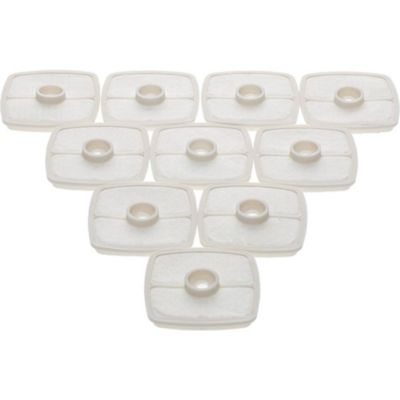
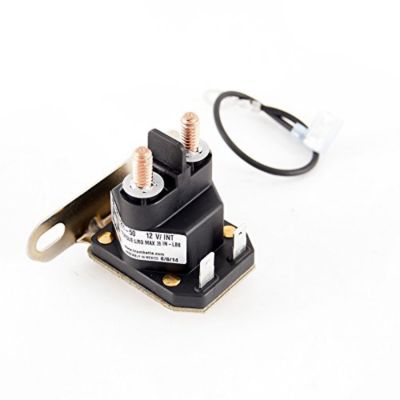
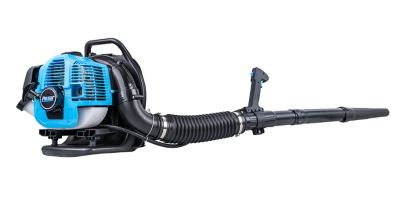
Leaf blower replacement parts help keep handheld and backpack machines ready for clearing grass clippings, leaves and loose debris from driveways, walkways and work areas. These parts cover several systems, including fuel delivery, air filtration, ignition, starting and airflow. Replacement tubes, filters, fuel lines, spark plugs, starter components and carburetor parts each have a different role, and the right match depends on the blower’s model and serial number. A machine that looks almost identical to another can have a different carburetor, tube connection or starter assembly, especially when production changes fall within the same model series. The equipment identification label and the manufacturer’s illustrated parts diagram provide a better starting point than matching a part by sight. A listed replacement part number may also supersede an older number, making that connection worth checking before choosing a component. Original equipment manufacturer, or OEM, parts follow the equipment maker’s specifications, while aftermarket parts come from another supplier and should list the models they fit. Neither description takes the place of checking compatibility. Handheld blowers and backpack blowers also have different layouts, with variations in handles, housings, throttle controls and operator support. For someone clearing a short front walk, a damaged nozzle may be the main concern; for a property caretaker covering long fence lines and several outbuildings, straps, controls and engine service components may deserve attention, too. A replacement part should suit the machine’s intended work without changing its operating limits. General-purpose blower components are not automatically interchangeable, even when a mounting hole or hose opening seems close. The most useful fit details include the full model designation, serial-number range when provided, part number, connection style and any dimensions specified by the manufacturer. Keeping those details together makes it easier to distinguish a direct replacement from a similar-looking component meant for a different machine.
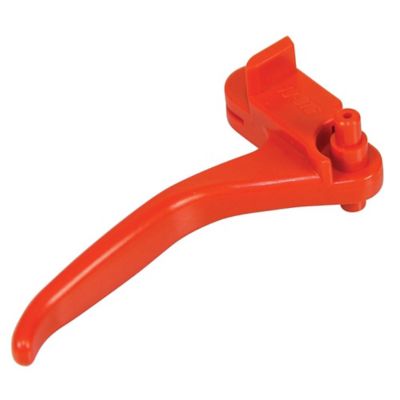
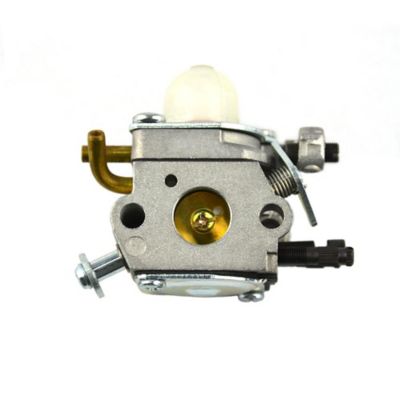
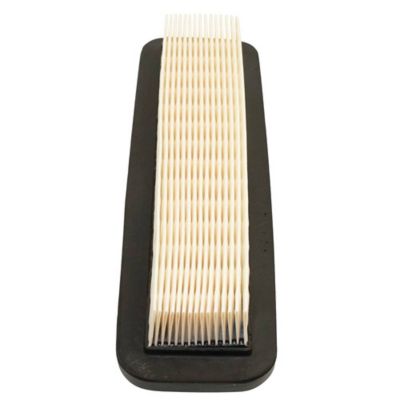
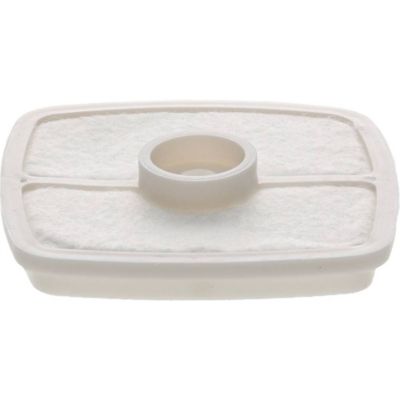
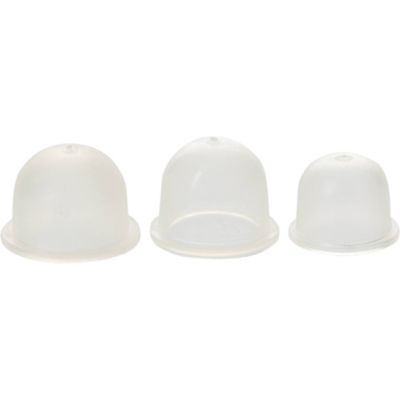
Materials and construction matter because blower parts face vibration, dust, fuel exposure and repeated handling. Molded plastic tubes and housings help keep weight manageable, while their shape, locking tabs and connection points help hold the airflow path together. A tube with a cracked collar or worn latch may not stay seated, even if the rest of it looks sound. Fuel lines, primer bulbs and sealing components need materials suited to the fuel system; ordinary tubing or a gasket cut to roughly the same shape is not a substitute for a specified replacement. Small differences in hose diameter, gasket openings and mounting spacing can affect sealing and operation. Metal fasteners, brackets and internal engine components likewise need the correct dimensions and specifications rather than a close visual match. Air filters may feature paper, foam or other media, depending on the blower, and each design has its own care requirements. A washable element and a replaceable paper element should not receive the same treatment. Fuel filters help limit debris entering the fuel system, while spark plugs require the specified type and gap for the engine. Carburetor assemblies and repair components can differ in linkage, mounting arrangement and adjustment requirements, so engine size alone does not establish fit. Starter ropes, recoil assemblies and starter handles also vary in dimensions and attachment details. On backpack machines, replacement straps, back pads and vibration-isolating components affect how the blower sits against the operator during a long stretch of cleanup. A strap’s attachment points and adjustment range matter as much as its padding. On handheld equipment, handles, throttle triggers and control cables need to move and return as the manufacturer intended. These are working parts, not just finishing touches. Their condition can influence comfort, control and the effort involved in moving from the barn entrance to the driveway and back again. Matching the complete component, rather than only its most visible feature, helps keep the machine’s systems working together.
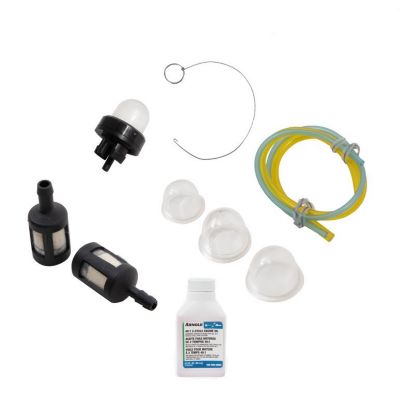
Choosing blower parts also means separating normal service needs from symptoms that call for a closer look. Hard starting, uneven running or reduced airflow can have more than one cause, so a new carburetor or spark plug is not automatically the answer. A restricted filter, loose connection, damaged tube or fuel-system issue can create overlapping complaints. The owner’s manual and service information help define the appropriate maintenance checks, while internal engine repairs and unresolved operating problems may call for a qualified service technician. Replacement kits can group related service parts together, but the contents vary; a filter kit, tune-up kit and carburetor repair kit should not be assumed to contain the same pieces. Checking the included components against the machine’s service needs helps avoid overlooking a seal, filter or other required part. Care after replacement matters, too. Filters need attention at the intervals and under the conditions described by the manufacturer, and tubes, housings and operator supports benefit from routine checks for cracks, loose hardware and worn attachment points. Dust around a shop entrance or fine debris near a gravel drive can make those inspections especially worthwhile. Fuel-system parts should receive the fuel and storage care specified for the engine, including the proper fuel mixture where applicable. Owners maintaining a separate snow-clearing machine can browse
Snow Blower Replacement Parts for that equipment, with its own model-specific fit requirements. For leaf blower parts, keeping a simple record of the machine’s identification and past service work can make later maintenance less of a guessing game. Whether the blower handles a small home place, a farmyard or regular groundskeeping work, the goal stays practical: parts that fit the equipment, materials suited to the job and care that supports continued service. That combination helps keep attention on clearing the path instead of wrestling with a loose tube, an uncomfortable strap or a machine that will not run as it should.