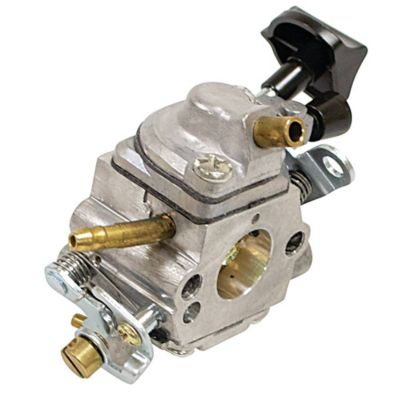
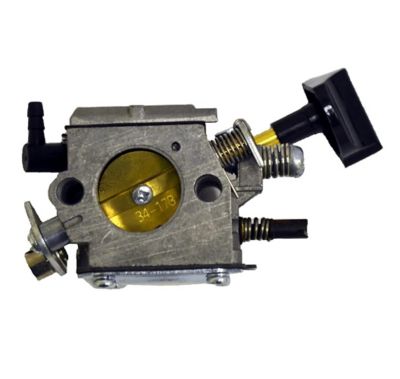
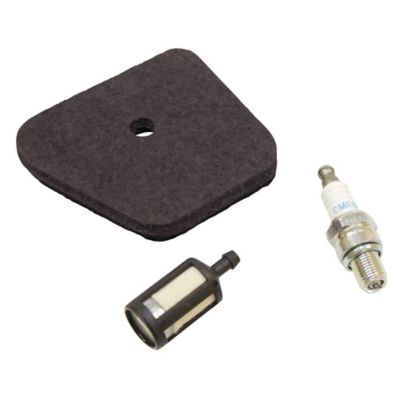
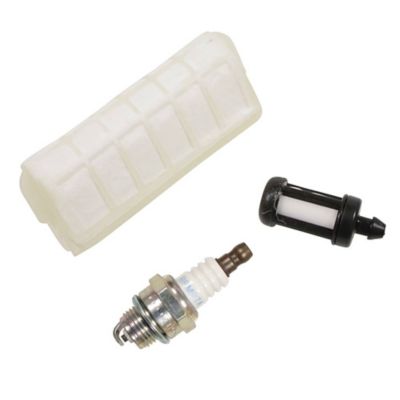
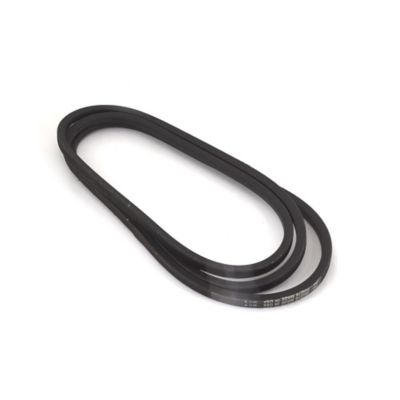
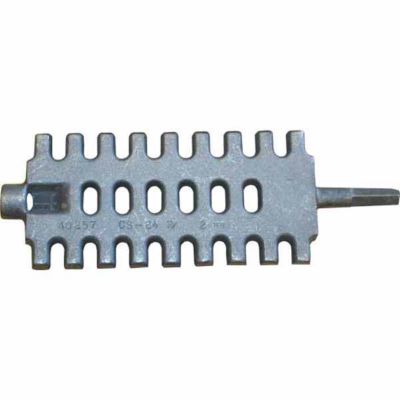
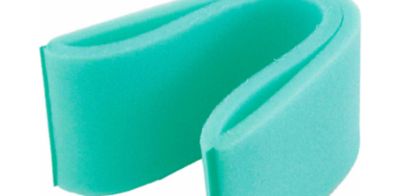
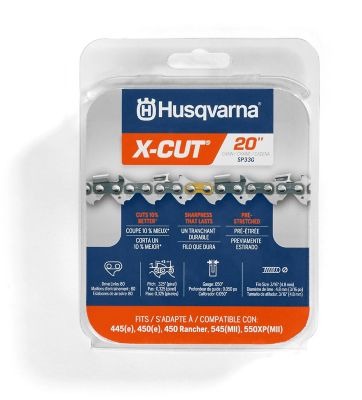
Replacement parts help keep outdoor power equipment ready for the work that comes with a few acres, a working farm, or a well-kept yard. Clearing brush along a fence, cutting back growth beside a barn, and keeping paths open all put moving parts and engine components through their paces. A worn component does not always mean the whole machine has reached the end of its working life. When the rest of the equipment is sound, a properly matched replacement can address a particular repair and help preserve a machine that already feels familiar in your hands. Fit is the starting point, and it involves more than a similar shape or a matching brand name. Equipment model numbers, serial ranges, engine details, and original part numbers can all matter, especially when a manufacturer changes a design within the same equipment family. Two machines that look alike may have different mounting points, connections, or internal clearances. A part that nearly fits can create trouble elsewhere, from a loose connection to unnecessary strain on neighboring components. Product specifications and the equipment manual provide a firmer basis for comparison than appearance alone. Intended use matters just as much: equipment that spends hours clearing a property boundary faces a different workload than a machine brought out for occasional yard cleanup. Homeowners, acreage owners, grounds crews, and farm operators all benefit from replacement components matched to both the equipment and the job. For someone who knows the feel and balance of a familiar machine, keeping it in working order can make everyday chores less of a disruption. The goal is a repair that respects the equipment’s original design, whether that means restoring a secure fit, addressing ordinary wear, or replacing a component damaged during work around rough ground and tight spaces.
Materials and construction help determine how a replacement component handles its particular job. Metal components may need to withstand friction, repeated movement, or fastening loads, while molded housings and covers need the right shape and attachment points to protect what sits beneath them. Flexible materials have a different role, allowing certain connections to bend or helping mating surfaces seal. In areas that contact fuel or oil, material compatibility is especially important; the wrong material may soften, swell, or lose its ability to hold a seal. Thickness, finish, reinforcement, and manufacturing tolerances can matter even when the difference is hard to spot at a glance. A small change in a connection or sealing surface can affect operation, so a part’s listed application carries more weight than a visual resemblance. Replacement components also work as part of a larger assembly rather than in isolation. A fresh component may not solve a recurring problem if a nearby mounting surface is damaged, a fastener no longer holds properly, or another worn part is placing extra stress on the repair. That is especially relevant for equipment that travels in a truck bed, rides across a pasture, or works close to gravel, woody stems, and loose debris. Care requirements belong in the selection process, too. Some components depend on regular cleaning, others require lubrication at the intervals specified by the manufacturer, and some need periodic inspection for cracks, looseness, or wear. Keeping dirt away from exposed connections during service helps protect the work going into the machine. Maintenance products and cleaning methods should also suit the materials involved, since a harsh solvent or an unsuitable lubricant can do more harm than good. Thoughtful part selection is less about making a machine look refreshed and more about supporting the way its systems are meant to function together, from secure attachments to unobstructed movement and properly sealed connections.
The practical details of a repair can matter as much as the replacement itself, particularly when a machine has work waiting at the far end of the property. Package contents deserve a close look because a replacement component may not include every fastener, seal, or attachment needed for installation. Existing hardware may be suitable to retain, but damaged threads, distorted clips, and worn sealing surfaces can call for additional attention. Installation requirements vary as well. Some repairs fall within routine owner maintenance, while work involving internal engine assemblies, safety mechanisms, or tightly specified adjustments may be better handled by a trained service professional. Manufacturer instructions establish the appropriate procedures, tightening specifications, and checks before the equipment returns to service. Equipment should be shut down and secured against unintended starting before inspection or maintenance, with any additional precautions based on its power source and design. Once a repair is complete, proper care helps protect that effort. Clean storage, regular inspection, and attention to changes in vibration, sound, or operation can bring developing problems to light before they interrupt a longer stretch of work. Keeping a record of equipment identification and previously fitted part numbers can also make future comparisons less of a chore, especially on properties with several machines that look much alike. Replacement parts generally make the most sense as a practical purchase tied to a known maintenance need rather than a surprise gift, since even a small mismatch can leave the recipient with a component that will not fit. For households and farm operations maintaining other engine-powered equipment,
Kohler Replacement Parts provides a separate place to explore another equipment maintenance need, with compatibility checked for each machine. Across the shed or workshop, the same priorities hold: the correct application, suitable materials, clear installation requirements, and care that follows the equipment manufacturer’s recommendations. Those details help keep repairs focused on the work ahead, whether that is tidying a driveway edge or reclaiming a brushy stretch of fence line.