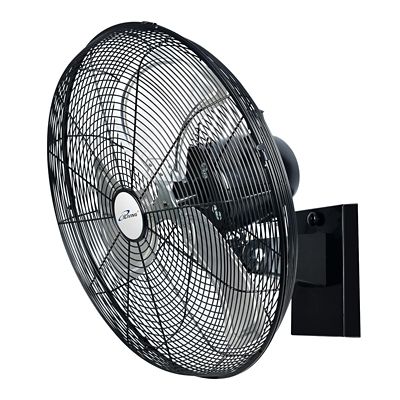
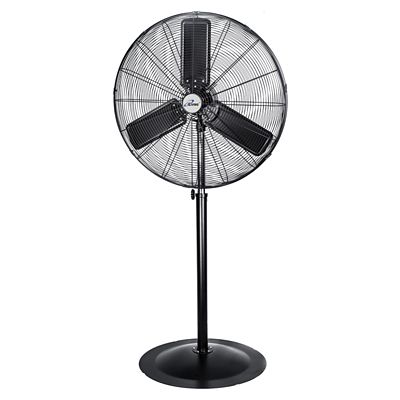
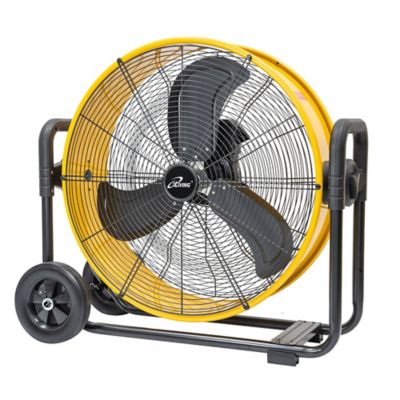
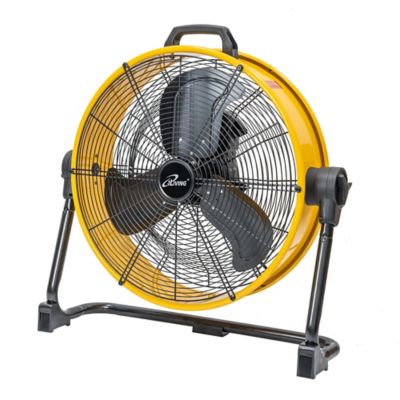
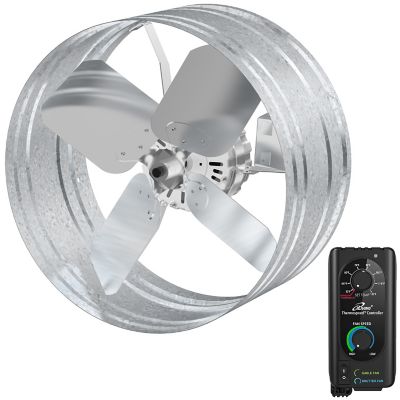
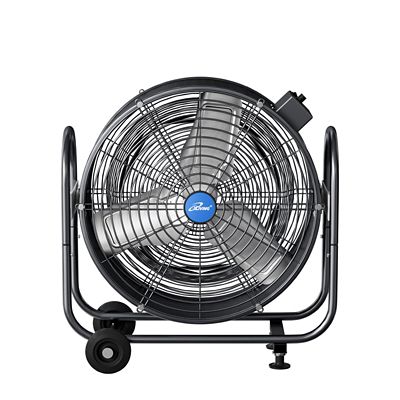
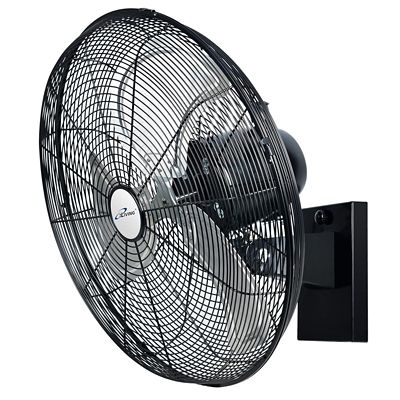
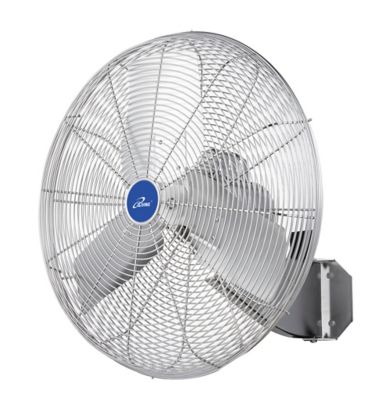
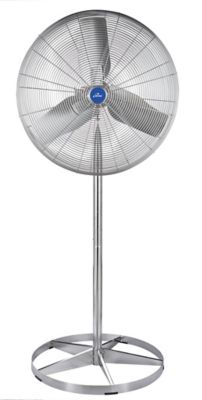
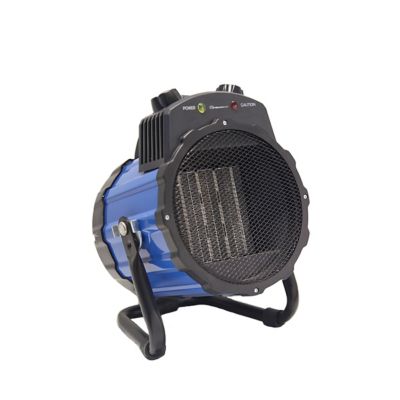
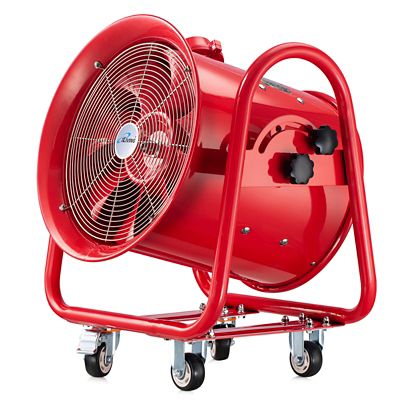
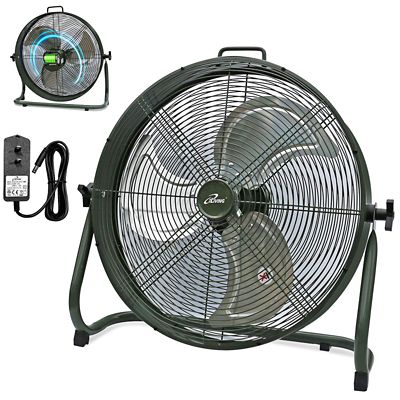
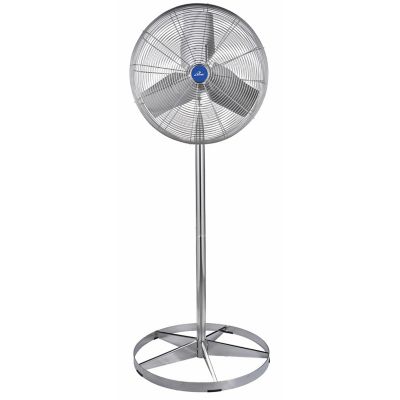
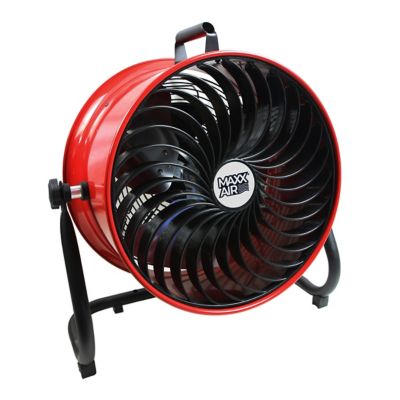
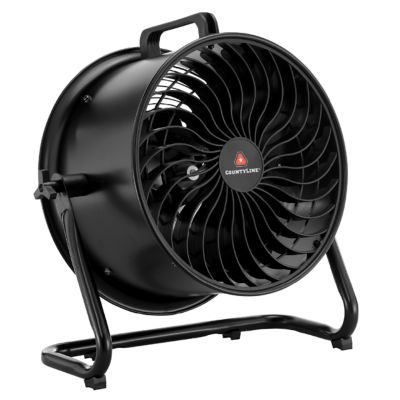
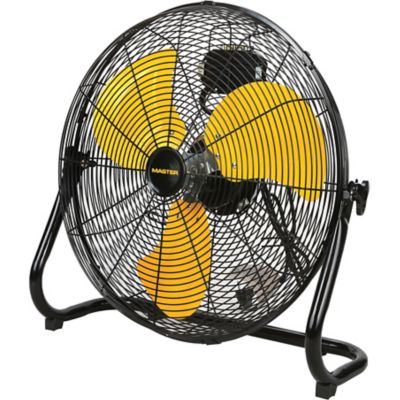
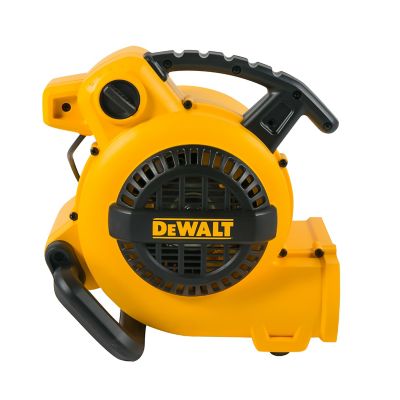
When you’re working hard out in the barn, garage, or workshop, a good utility fan can make all the difference in keeping the air moving and the job comfortable. Utility fans are built for those tough spots where regular fans just can’t cut it—think dusty sheds, muggy basements, or even out on the job site. These fans are made to handle heavy use, with sturdy metal housings and powerful motors that can push a serious amount of air. Whether you’re trying to dry out a damp floor after a summer rain, clear out fumes from a workspace, or just keep yourself cool while tending to chores, there’s a utility fan that fits the bill. Folks who spend a lot of time in garages, workshops, or livestock barns will know just how much a strong breeze can help, especially as the weather warms up and those enclosed spaces start to feel stuffy. Utility fans aren’t just for work, either—they come in handy for all sorts of projects, from drying out a newly cleaned tack room to helping paint dry faster in a home renovation. For anyone with a home shop, a farm, or a big property to manage, a utility fan is a smart investment that pays off in comfort and productivity.
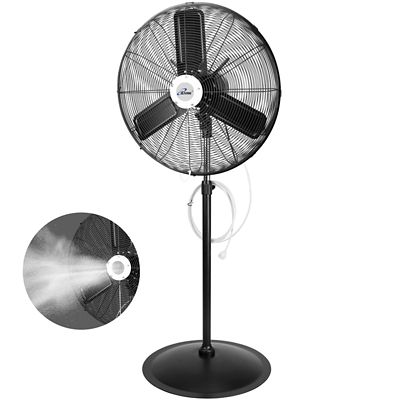
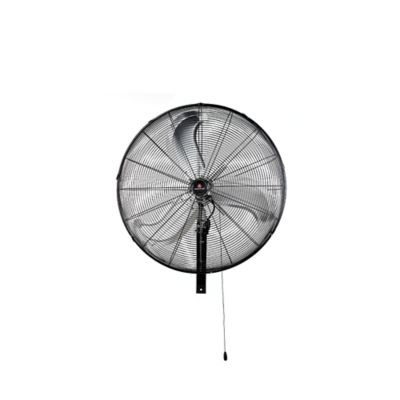
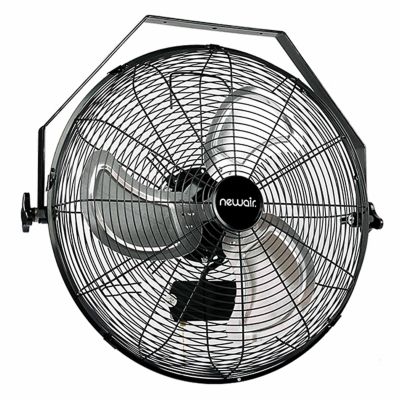
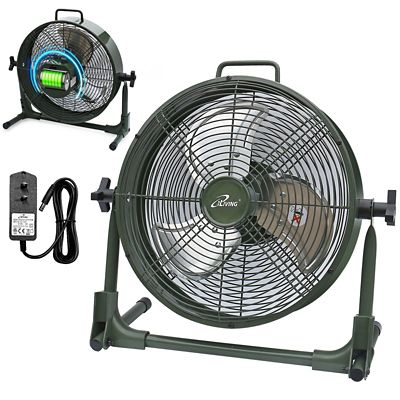
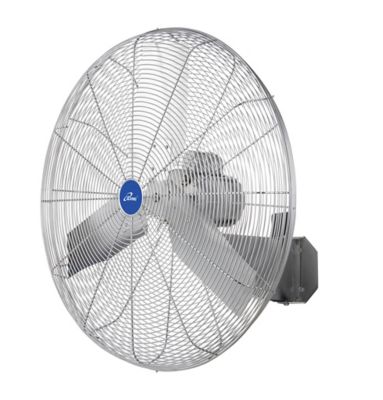
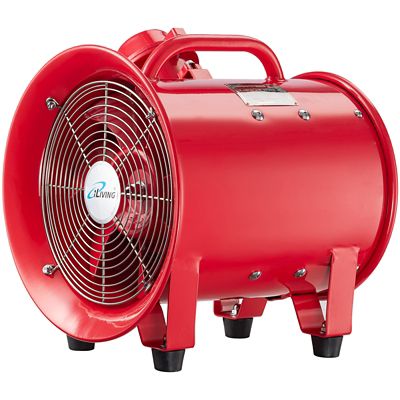
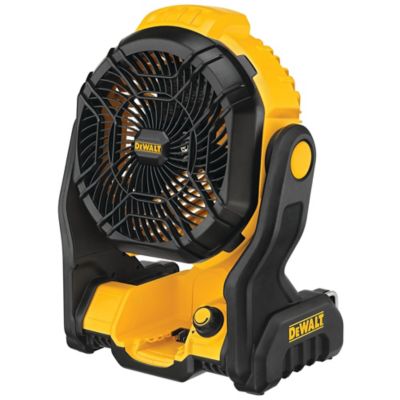
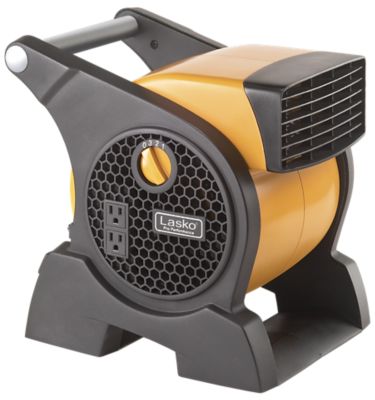
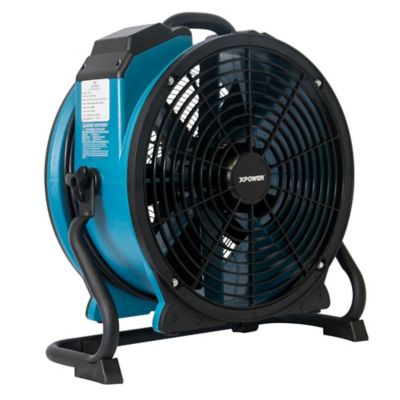
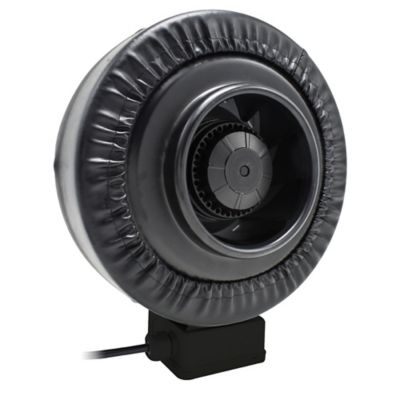
There are a few main types of utility fans you’ll see, each with its own strengths. Drum and floor fans are those big, high-capacity models you might spot at a county fair or in a machine shed, pushing a wall of air across a wide area. Air movers, sometimes called blower fans, are designed to shoot a focused stream of air right where you need it—perfect for drying out wet concrete, cleaning up after a spill, or airing out a trailer after hauling livestock. Cordless jobsite fans are a newer option, running off power tool batteries so you can take them anywhere without worrying about extension cords. Then there are utility blower sets, which come with flexible ducts for moving fresh air into tight spots or venting fumes out—handy for crawl spaces, attics, or any place where airflow is hard to come by. When picking out a utility fan, it’s smart to look at the CFM (Cubic Feet Per Minute) rating, which tells you how much air the fan can move. The bigger the space, the more power you’ll need. And if you’re working in a spot where air quality really matters, like a woodworking shop or a paint booth, you might want to check out
Inline Duct Fans for even more targeted ventilation.
A utility fan also makes a practical gift for anyone who spends time working with their hands—farmers, mechanics, woodworkers, or even folks who love tackling home improvement projects. It’s one of those tools that might not seem flashy, but once you have one, you’ll wonder how you ever got by without it. During the warmer months, a utility fan can help cool down a greenhouse or keep the horses comfortable in the stable. As the weather turns cooler, these fans are just as useful for clearing out lingering humidity or helping with seasonal clean-up jobs inside and out. With so many styles and sizes available, it’s easy to find a fan that matches your needs, whether you’re running a small backyard workshop or managing a whole spread. And because they’re built tough, a good utility fan will keep on working year after year, through every season and every job.