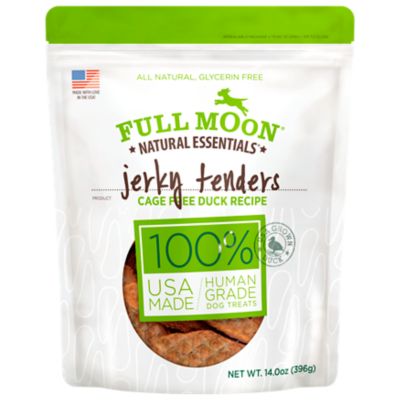
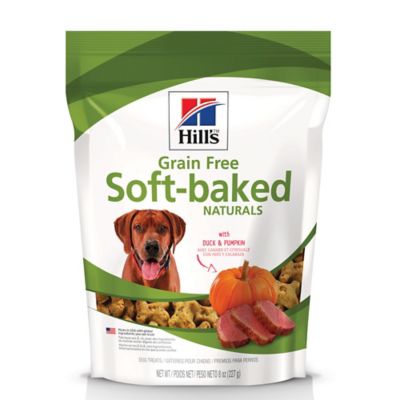
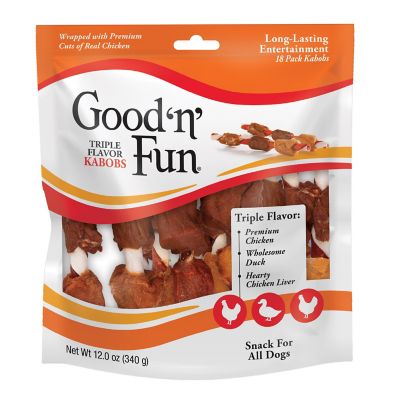
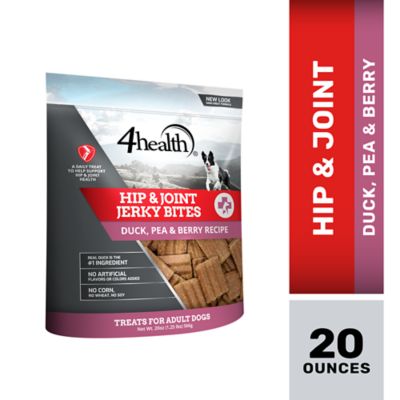
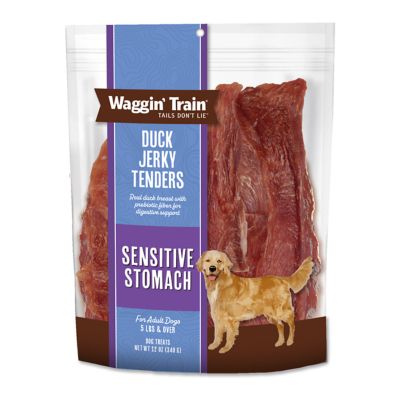
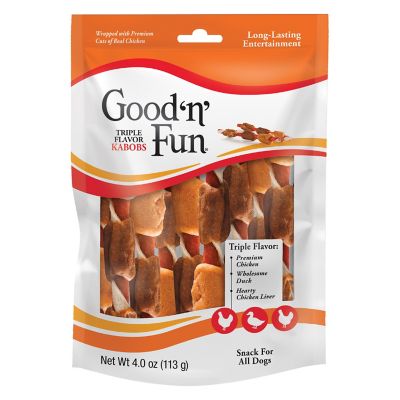
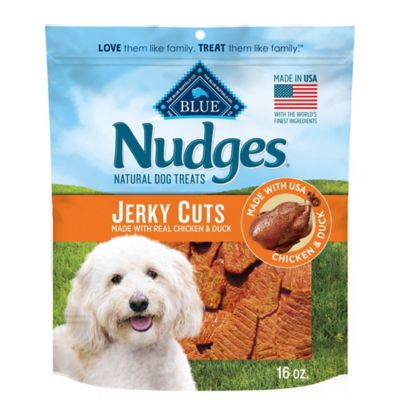
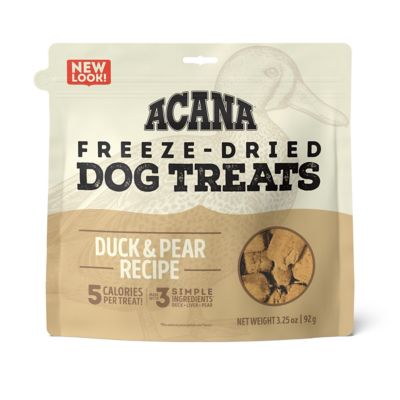
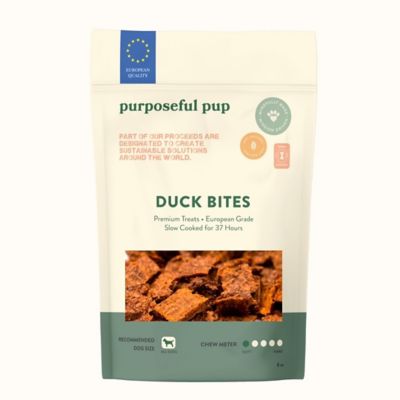
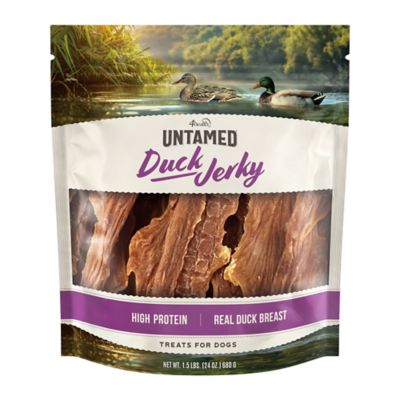
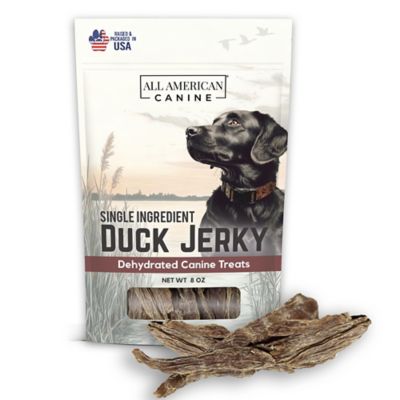
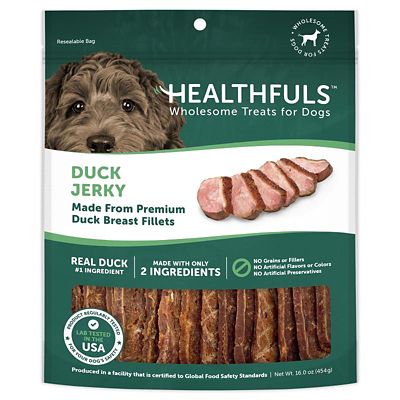
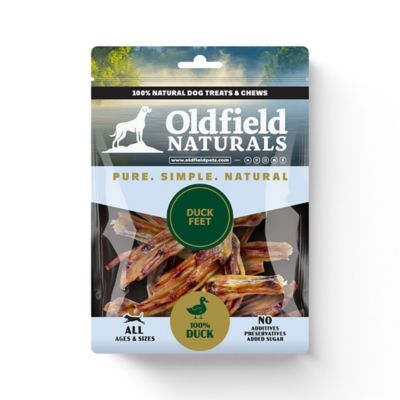
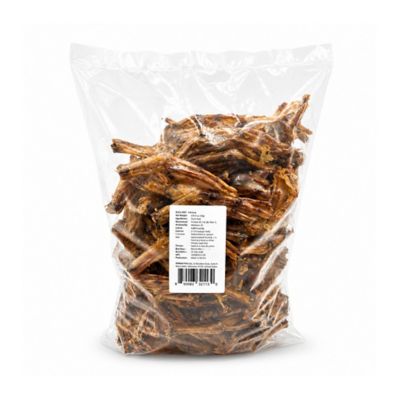
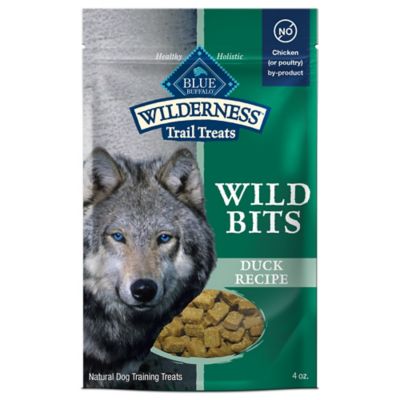
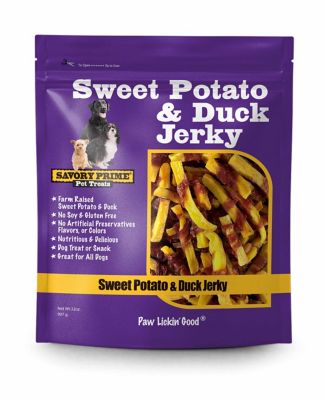
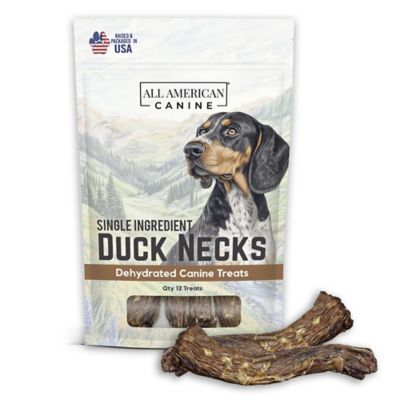
Duck dog treats bring a savory poultry flavor to everyday rewards, from a quick bite after coming when called to a snack once the evening chores are done. Made with duck meat or other duck ingredients, these treats come in several forms, including soft training bites, chewy strips, crunchy biscuits and freeze-dried pieces. Each texture suits a different kind of treat time. Small, soft bites let a dog eat quickly and get back to practicing a sit or walking calmly on a leash, while a biscuit adds a little crunch to a reward at home. Duck jerky can offer a firmer chew, though its texture and flexibility depend on the recipe and processing method. Freeze-dried treats generally have a light, dry texture, and some break into smaller pieces without much effort. The ingredient list tells more of the story than the flavor name alone: a duck-flavored treat may contain other animal proteins, grains, starches or added fats, while a single-ingredient option lists just one ingredient. Duck provides protein and naturally occurring nutrients, including iron, zinc and B vitamins, but a treat’s nutritional makeup depends on its full recipe. Treats are extras alongside a complete and balanced diet, not a replacement for regular meals. For dogs with food sensitivities, duck may be a different protein from what they normally eat, but it is not automatically allergy-friendly or easier to digest. Whether it counts as a novel protein depends on the individual dog’s eating history. A dog that reacts to chicken or beef will not necessarily tolerate duck, and mixed-protein recipes deserve a close look. If a veterinarian has recommended a food trial, treats need to fit that plan, too. For everyday snacking, the best match comes down to the dog’s preferences, dietary needs and the way the treat fits into the day.
Size, texture and calories all matter when choosing duck treats for dogs, especially when rewards come several times during a training session. A little terrier working on staying by the porch steps needs a different bite size than a big farm companion settling down after a walk around the property. Small pieces make frequent rewards easier to manage, but any treat still needs to suit the dog’s size and chewing habits. A large strip is not necessarily a long-lasting chew, and a dog that gulps food may try to swallow it before chewing enough. Supervision matters with every texture. Soft duck training treats can be handy for puppies learning basic manners, adult dogs polishing their recall and older dogs that prefer a gentler bite. Puppy suitability and feeding directions vary by recipe, so the package’s age guidance matters. For a senior dog with sore gums or missing teeth, softness alone does not settle the question; a veterinarian can help identify a comfortable option when dental trouble is involved. Crunchy duck biscuits suit dogs that enjoy a crisp texture, but ordinary biscuits should not be mistaken for dental care. Chewy duck strips may be easy to portion when flexible, while very dry strips can be harder to split evenly. Calories per piece help show how each format fits into the daily food allowance. As a general rule, treats should supply no more than 10 percent of a dog’s daily calories, with individual limits set by a veterinarian when needed. Breaking an appropriate treat into several small rewards can keep a practice session moving without handing out a full piece every time. A soft bite delivered promptly after a calm greeting at the gate makes the reward clear, and a crumbly snack may work better over a washable floor than in a coat pocket. The most practical choice is one the dog enjoys and the person handling it can portion, carry and offer without a fuss.
Duck treats also differ in how they hold up between outings, which makes packaging and storage worth considering alongside flavor. Soft recipes may dry out if their bag stays open, and crisp biscuits can lose their crunch when exposed to moisture. Jerky and freeze-dried pieces need protection from damp conditions, too, so a sealed package in a cool, dry spot generally makes more sense than a bag left in the truck. Package directions take priority, including any refrigeration requirements after opening. A clean treat pouch keeps a few rewards within reach for leash practice or a walk past the barn, while the rest can stay sealed at home. Keeping the original packaging preserves the ingredient list, feeding directions, lot information and best-by date, even if the bag sits inside another container. Wash containers and pouches regularly, let them dry fully, and discard treats that develop mold, an unexpected odor or other signs of spoilage. During the cooler months, pockets often become the easiest place to carry training rewards, but treats should come back out before coats head into the closet or laundry. Beyond convenience, recipe details help separate one type of duck treat from another. Grain-free does not mean free of all potential allergens, and a short ingredient list does not guarantee a match for every sensitive stomach. Shoppers comparing duck recipes with other
Natural Dog Treats can look at the named animal proteins, added ingredients, texture and calorie information rather than relying on broad package descriptions alone. Introduce a new treat in a small amount and watch for digestive changes before making it a regular reward. For households with several dogs, separate portions help keep a fast eater from grabbing another dog’s share. Whether treat time follows muddy-paw cleanup, a quiet ride home or a successful recall in a fenced yard, duck dog treats offer a range of flavors and textures for rewarding good habits while keeping the dog’s everyday feeding needs in view.