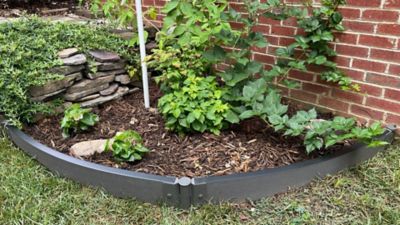
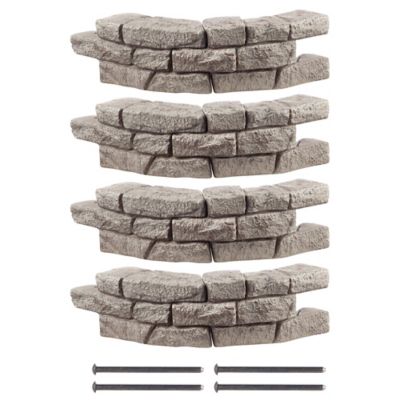
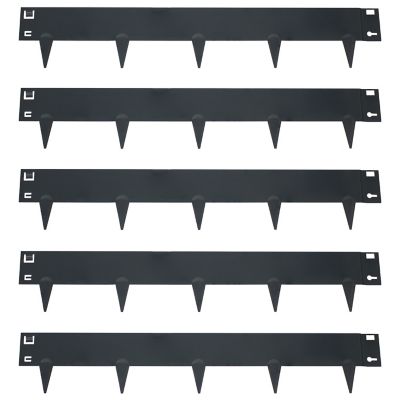
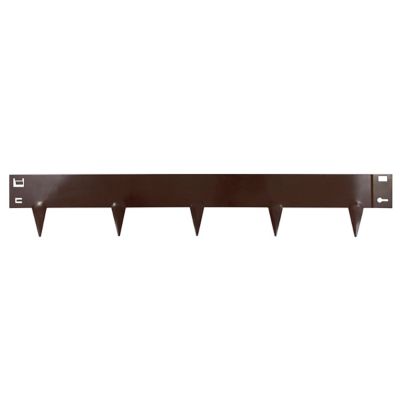
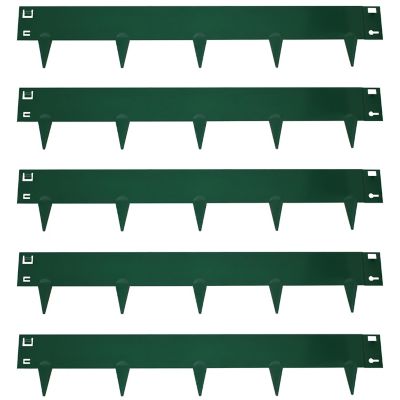
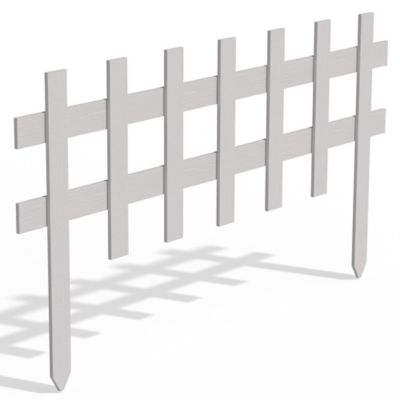
Landscape edging creates a defined border between lawn, garden beds, paths and other outdoor spaces. It helps hold mulch or gravel inside its intended area, separates different ground coverings and gives mowing and trimming a clearer boundary. Depending on its height, depth and construction, edging can also help limit grass spreading into a planting bed, though a shallow surface border is not the same as a buried root barrier. Around a farmhouse flower bed, along a backyard vegetable patch or beside a gravel walkway, the right border makes separate areas look intentional without taking attention away from the plants. Homeowners, gardeners and property caretakers often choose landscape edging for the same practical reason: keeping one part of the yard from gradually working its way into another. Wood chips scattered across the lawn and grass creeping toward a row of shrubs both make routine upkeep more of a chore. A well-matched edge helps manage those boundaries, but it still needs to suit the space. Low-profile borders blend into the ground and leave plantings in view, while taller edges create a more noticeable frame and provide additional room for containing loose material. Visible height matters most where mulch meets turf or gravel sits beside a walking surface. Below-ground depth matters more when the goal includes slowing spreading grass roots and underground stems. Neither feature eliminates every stray shoot or stray stone, and edging does not replace regular bed care. It also serves a different purpose from a retaining wall: a garden border can contain a modest layer of mulch, but supporting a substantial change in ground level calls for a structure designed for that load. For a small front bed or a long stretch beside an outbuilding, landscape edging works best when its shape, scale and intended purpose match the ground it will border. An edge that looks right beside a broad lawn may feel oversized around a narrow planting strip near the porch.
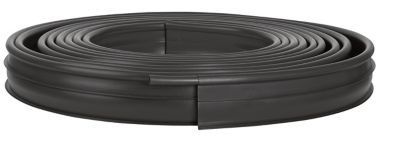
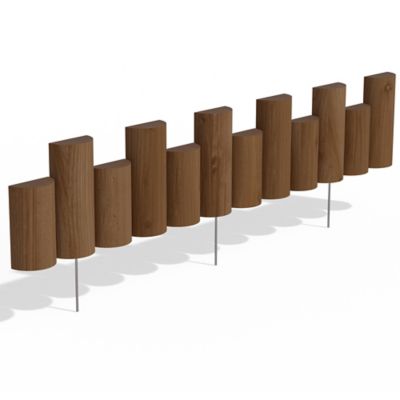
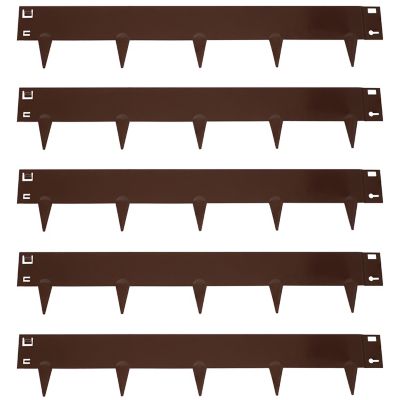
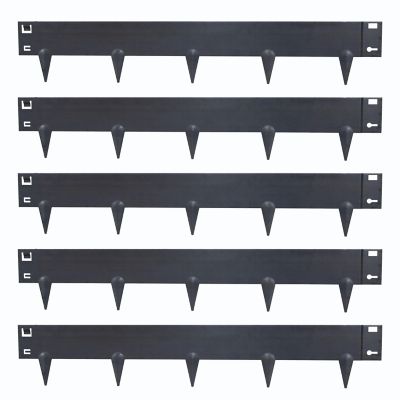
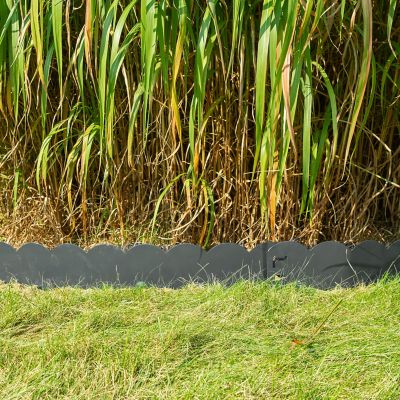
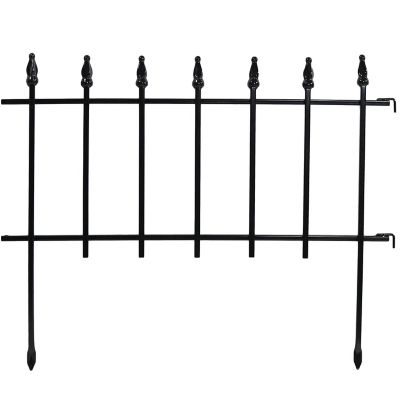
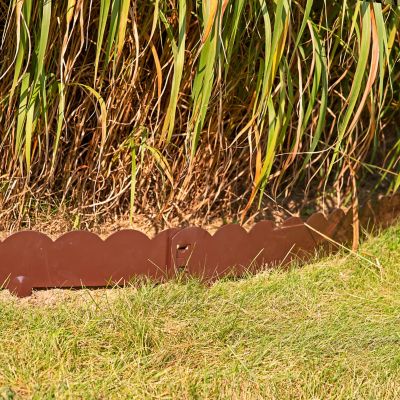
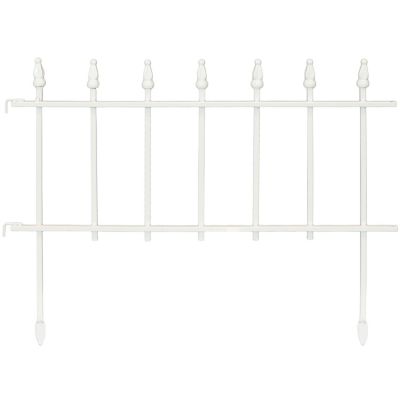
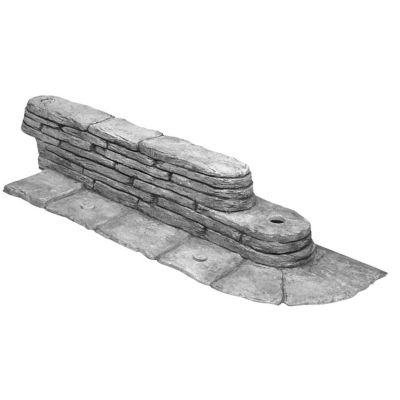
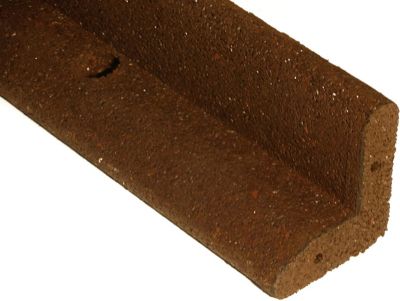
Material makes a big difference in how landscape edging looks, bends and holds its line. Plastic edging is generally lightweight and flexible, making it a practical option for rounded beds, tree rings and winding boundaries. Some designs sit mostly below the surface, while no-dig styles rely on a surface flange and anchoring spikes to hold their position. That distinction matters when choosing between a border meant mainly to contain mulch and one intended to extend into the soil. Flexible material can follow a gentle sweep nicely, but tighter turns depend on the design, and long straight runs may need more attention to anchoring. Metal landscape edging offers a slimmer profile and a crisp division between neighboring surfaces. Steel often provides a firm line, while aluminum is lighter and naturally resists rust; either material still needs enough support for the layout and ground conditions. With steel, the finish and manufacturer’s care directions help explain what to expect from the surface over time. Metal edges should have a finished top appropriate for their location, especially beside spaces where children play or people walk barefoot. Rubber edging has a different feel, with thicker profiles and molded shapes that can suggest brick or stone. Its flexibility, weight and connection style vary by design, so the look alone does not tell the whole story. Brick, stone and concrete borders bring more visual weight and can complement gravel paths, masonry steps or a broad planting bed. Individual sections offer distinct joints and shapes, though they need a suitable base to keep the line even. Across these materials, resistance to bending, cracking, corrosion and routine contact matters more than appearance alone. No border should be assumed to withstand mower blades, repeated string-trimmer strikes or vehicle tires. A gravel driveway edge, for example, needs to suit its actual exposure; ordinary garden edging is not a substitute for a traffic-rated curb. The best material choice balances the look of the property with the contact and upkeep that particular stretch will receive.
Fit includes more than the total length of a bed. Straight sections, broad curves, tight corners and changes in elevation all affect how a border comes together. Overall length helps establish how much edging a space requires, while usable coverage may depend on overlapping ends or connecting sections. Stakes, spikes and connectors need to match the edging system, and the manufacturer’s spacing recommendations matter more than a single rule for every yard. Firm ground, loose soil and frequently walked edges place different demands on those connections. Finished height deserves attention, too: an exposed lip can help hold material in place, but a raised edge beside a walkway may become a tripping point. Where lawn meets a bed, the relationship between the border, mower wheels and cutting height affects how much trimming remains. A level mowing strip can provide wheel clearance when it is designed for that purpose; a narrow upright edge generally cannot. For a walking route between beds or from the porch to the garden,
Garden Path Edgings can help frame the path and keep its surface distinct from nearby planting areas. Borders should also fit around roots, irrigation lines and other features without forcing the layout into an awkward bend. Once in place, landscape edging needs occasional attention rather than being forgotten. Loose anchors, separated joints, lifted sections and soil collecting over the top can all weaken the boundary or make it less visible. Mulch piled above the edge can spill across it, and grass can bridge a border when clippings and soil build up along the line. Gentle cleaning and care matched to the material help preserve its appearance without damaging a finish or loosening connections. Whether the goal is a tidy bed beside the house or a clearly marked path across the yard, a well-chosen border brings a little more order to the ground and makes everyday upkeep easier to manage.