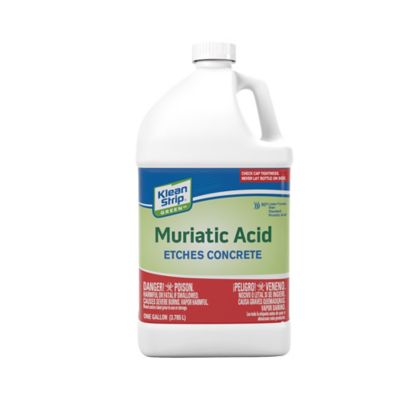
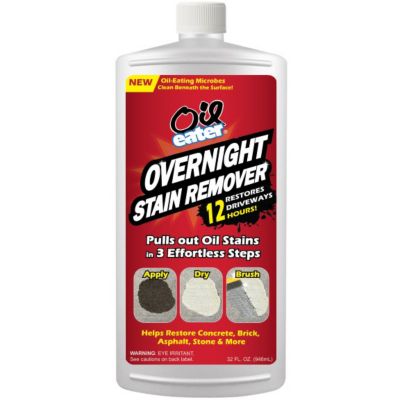
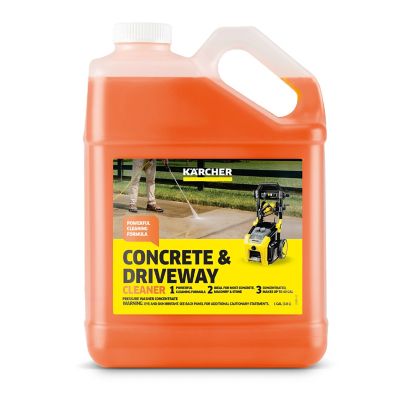
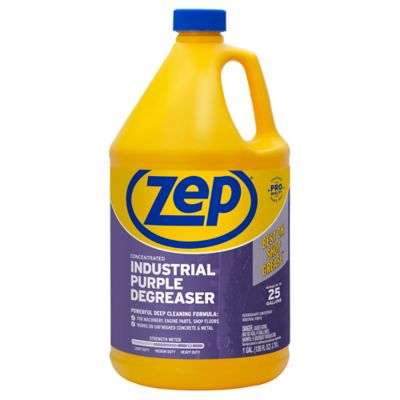
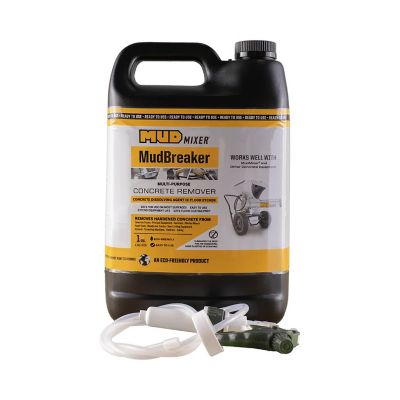
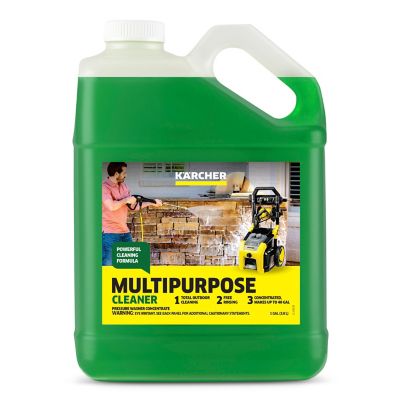
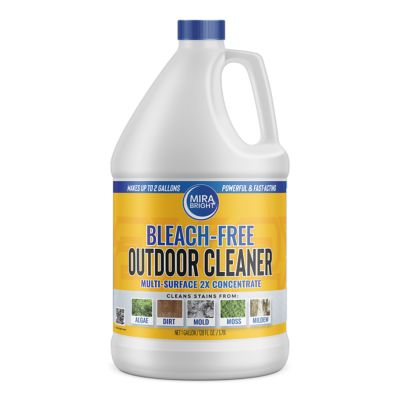
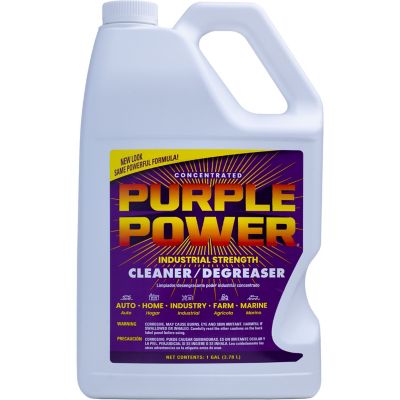
Concrete cleaners help bring tired-looking slabs, steps, walkways, driveways and shop floors back to a cleaner, more useful condition. Around a farm, garage or home, concrete sees plenty of hard use: muddy boots, leaking equipment, spilled fuel, livestock-area grime, road salt, leaves and years of tracked-in dirt can all leave behind dark patches and stubborn buildup. The right cleaner depends on what you are removing and what kind of concrete you have. Alkaline degreasers are often suited to oil, grease, tar, soot and other petroleum-based messes, while pH-neutral formulas can be a better choice for routine cleaning, indoor areas or sealed and decorative concrete. Acid-based etchers may help with rust, mineral scale and heavy efflorescence, but they require extra care and are not the right fit for every surface. Enzyme or microbial cleaners work differently, using naturally active ingredients to break down embedded petroleum stains over time rather than lifting everything in one pass. Before adding a cleaner to your cart, consider the size of the area, the age of the stain, whether the concrete is sealed or unsealed, and how close the surface is to grass, gardens, drains, pets or livestock. Homeowners use these products to freshen up the driveway before guests arrive, while farmers, mechanics, contractors and property managers may keep them on hand for regular cleanup around barns, workshops, equipment bays and storage areas. A quality concrete cleaner can also make a practical gift for someone settling into a new home, building a garage or taking pride in keeping the place looking shipshape.
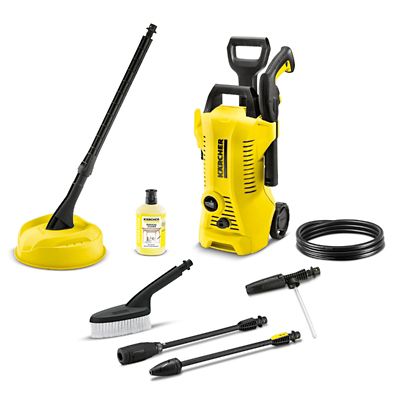
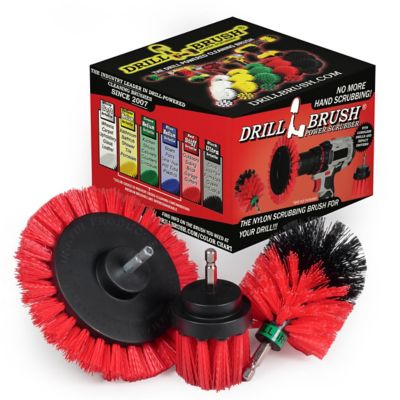
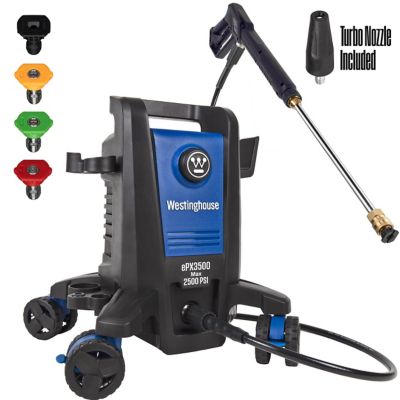
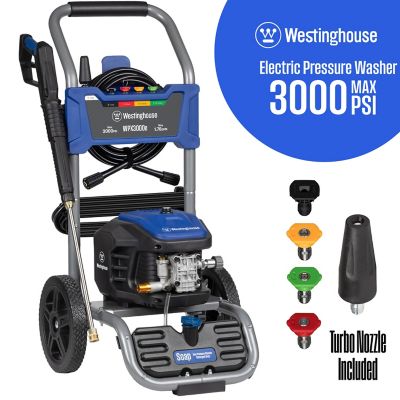
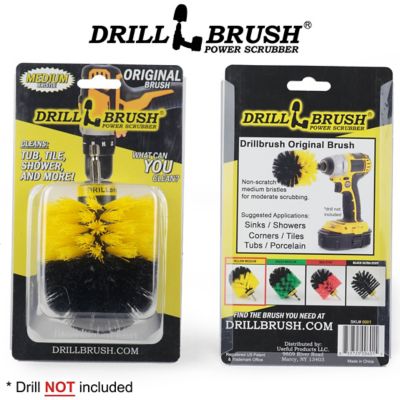
A little preparation makes a noticeable difference when cleaning concrete. Start by sweeping or blowing away loose dirt, leaves, gravel and cobwebs so the cleaner can reach the stain instead of mixing with a layer of debris. If the surface is unsealed and very dry, pre-soak it with clean water so the solution does not disappear into the slab too quickly. Apply the cleaner according to its label directions, paying attention to the recommended dilution, dwell time and coverage rate. Heavy spots may need a second treatment, and a stiff nylon-bristle brush can work the cleaner into the rough texture of broom-finished concrete. Nylon is generally a safer choice than a wire brush, which can scratch some surfaces or leave behind small metal particles that later rust. For broad outdoor areas, a pressure washer or strong garden hose nozzle can help rinse away loosened grime, but keep the spray controlled around joints, edges, painted markings and nearby plant beds. Rinse thoroughly before the cleaner dries, since leftover residue can leave a haze or attract more dirt. A cool, overcast stretch of weather can make the work more comfortable and help prevent a cleaning solution from drying too fast, while warm, breezy conditions may call for working in smaller sections. During the cooler months, allow extra time for the slab to dry and avoid letting rinse water collect where it can freeze. For more general cleaning needs around patios, siding, walkways and other outdoor surfaces, browse
Outdoor Cleaners to compare options for the rest of the property.
Safety matters just as much as stain removal. Read the full label before use, wear gloves and eye protection, and provide plenty of ventilation when cleaning inside a barn, shed, garage or workshop. Never mix cleaners unless the label specifically says it is safe; combining acids with bleach or other chemicals can create dangerous fumes. Keep children, pets and livestock away from the work area until the surface has been rinsed and dried, and take care around feed rooms, waterers and animal pens so cleaner does not get into anything animals may lick or drink. Test a small, hidden section first, especially on colored, stamped, polished, painted or sealed concrete. A cleaner that works well on a plain driveway may dull a decorative finish or affect a coating. Rust, oil, mildew and mineral deposits can each respond to different formulas, so matching the cleaner to the stain usually gives better results than reaching for the strongest option available. Deep oil marks may lighten gradually after several applications, and old stains that have soaked into porous concrete may not disappear completely in one afternoon. Store unused cleaner in its original labeled container, protected from extreme temperatures and out of reach of children and animals. With the right formula, a little patience and thorough rinsing, concrete cleaners can help keep hardworking surfaces looking better through muddy fall weather, winter preparation and everyday chores around the home or farm.